The short answer
The Havanese's signature health area is eye conditions (cataracts, PRA, and others, some leading to blindness or needing surgery). Other concerns: joint issues (patellar luxation and Legg-Calve-Perthes, both potentially surgical), heart conditions, occasional deafness, a possible liver shunt, and dental disease. Lifespan is an excellent ~14 to 16 years. The levers you control: eye monitoring, dental care, weight control, good grooming, companionship, and routine (cardiac-aware) vet care. Because eye and joint treatment can be costly, the insurance case is real, insure while young (and understand pre-existing exclusions for an adopted adult).
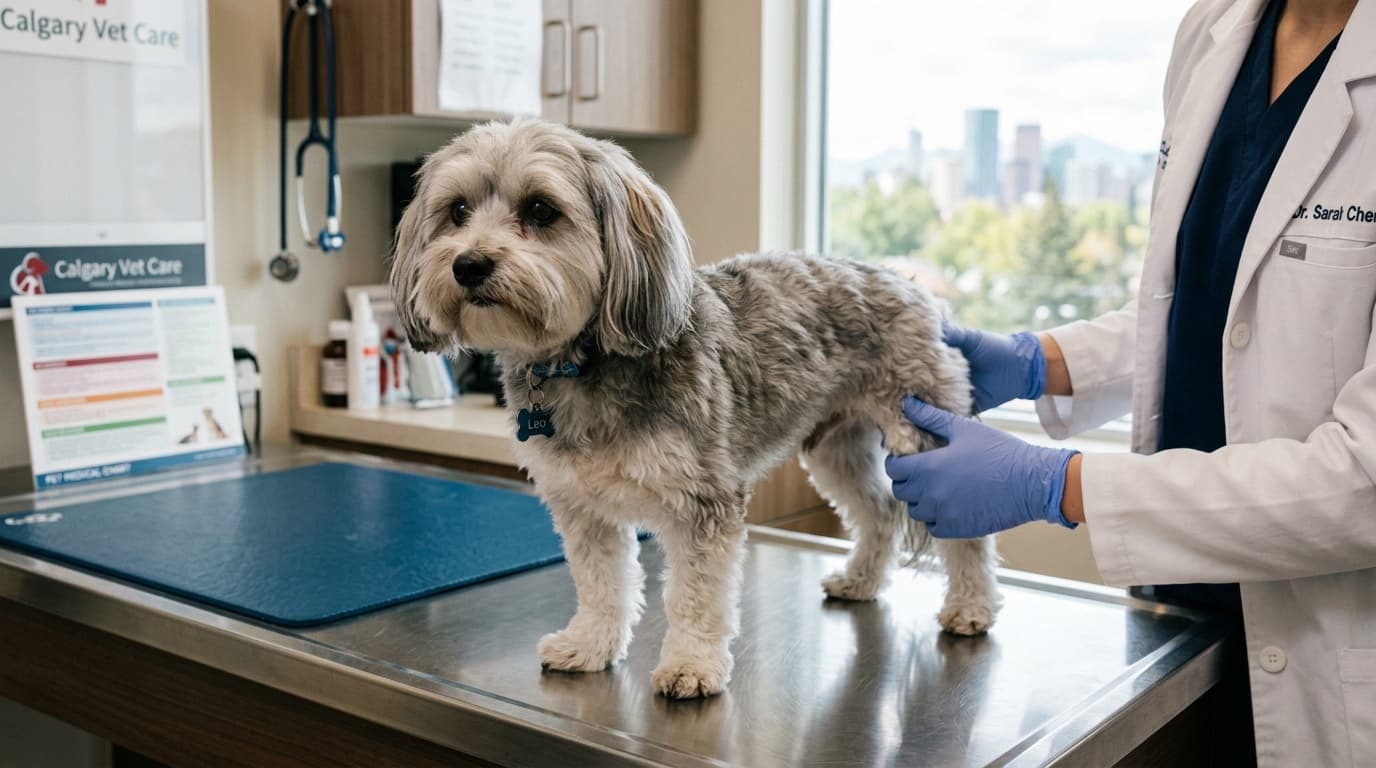
The Havanese is a healthy, long-lived companion, but it has a distinctive set of considerations led by eye conditions. Knowing the breed's tendencies lets you prevent and catch issues early. Here is the medical picture, condition by condition.
Eye conditions, the signature area
Eye conditions are one of the most important health considerations for Havanese, as the breed is prone to a number of hereditary eye problems. These include cataracts (clouding of the lens, sometimes needing surgery, and Havanese can develop them younger in some cases), progressive retinal atrophy (PRA, an inherited degenerative condition leading to gradual vision loss and eventual blindness), and others such as cherry eye and dry eye. Because of this range, be vigilant: watch for cloudiness, vision changes (bumping into things, hesitancy in dim light), redness, squinting, discharge, or a visible change, and have concerns assessed promptly, as many conditions are treatable if caught early.
Keeping the facial hair around the eyes trimmed helps prevent irritation, and responsible breeders have breeding dogs' eyes examined by a veterinary ophthalmologist. Routine vet care including eye examination, and prompt attention to changes, is the key. Given the number and potential seriousness of Havanese eye issues (some lead to blindness, some need expensive surgery), the eye-health predisposition is a real consideration and part of the argument for insurance. The American College of Veterinary Ophthalmologists maintains hereditary eye-condition resources.
Joint conditions
Havanese can be affected by several joint conditions, as is common in small breeds. Patellar luxation (slipping kneecaps) is common, causing a skip or hop in the gait, occasional lameness, or a hind leg held up briefly, mild cases managed conservatively, severe ones with surgery. Legg-Calve-Perthes disease (degeneration of the head of the femur) causes pain and lameness in young dogs and often requires surgery. Hip dysplasia and elbow issues can also occur.
Signs include limping, an altered or skipping gait, reluctance to exercise or jump, difficulty rising, or holding up a leg. Keeping a Havanese lean is important for protecting the joints, and appropriate exercise maintains fitness without overstressing them. Ask the rescue about known mobility issues, and start good weight management from day one. Joint conditions are generally manageable, from conservative management to surgery for more severe cases, but they are a genuine part of the breed's health picture and worth watching for.
Heart, hearing, liver, and dental
Beyond the eyes and joints, Havanese can be affected by several other conditions. Heart: heart murmurs and cardiac issues (like mitral valve disease) can occur, so cardiac health is worth monitoring, and coughing, exercise intolerance, or weakness warrant attention. Hearing: congenital deafness occurs in some lines; a deaf Havanese lives a full life with accommodations (hand-signal training, traffic care). Liver: some can have a portosystemic (liver) shunt, which may need management or surgery. Dental: common small-breed dental disease, so brushing and cleanings matter.
These vary in seriousness, and most Havanese do not develop all or even most, but the range means routine vet care (including cardiac monitoring), good dental care, weight control, and prompt attention to symptoms are all worthwhile. Collectively these considerations, along with the eye and joint issues, support the value of routine care and considering insurance.
Lifespan and keeping a Havanese healthy
Havanese are notably long-lived, typically 14 to 16 years, and much of keeping one healthy is within your control. Monitor eye health closely and assess changes promptly, keep up good dental care, keep the dog lean (protecting the joints), maintain good grooming and coat care (especially in damp Vancouver), provide moderate exercise and companionship (velcro dogs are healthier with company), and stay on routine vet care including cardiac monitoring so eye, joint, heart, and other issues are caught early.
Be aware of the breed-specific conditions and alert to relevant signs, eye changes, limping, and heart symptoms. Feed a good-quality diet, and maintain parasite prevention and vaccinations. A Havanese that receives good eye monitoring, dental care, weight management, grooming, and routine care has an excellent chance at a long, healthy, happy life, indeed, the breed's long lifespan means an engaged owner who keeps up the care can enjoy many years with a healthy Havanese.
Is pet insurance worth it?
Pet insurance is worth considering for a Havanese, because the breed's range of potential health issues can add up, particularly the eye conditions (cataract surgery, and PRA leading to blindness), the joint conditions (patellar luxation and Legg-Calve-Perthes can require surgery), and the potential for heart, liver, or other conditions, and Vancouver vet care is not cheap. The eye and joint conditions in particular, both potentially needing expensive treatment or surgery, make the case relevant.
As always, take out insurance while the dog is young and healthy, before any condition, especially an eye or joint issue, is diagnosed and excluded. Compare providers, understand coverage and any limits, and read the fine print. For many owners, insurance, or at minimum a dedicated vet fund, provides good protection against the breed's likely eye, joint, and other costs, and given the long lifespan, planning for the health care of a long-lived companion is worthwhile. For an adopted adult or senior, understand what a policy covers; a vet fund remains valuable. See our Vancouver adoption and ownership costs guide for the numbers.
Browse adoptable Havanese in Vancouver
Rescue Havanese come vet-checked, and a good rescue will share a dog's known eye, joint, and health history so you can adopt informed. Refreshed regularly across Lower Mainland rescues.
See Available Havanese →Frequently Asked Questions
What are the main health problems?
Eye conditions (the signature area, cataracts, PRA), joint issues (patellar luxation, Legg-Calve-Perthes), heart conditions, occasional deafness, a possible liver shunt, and dental disease. An excellent 14 to 16 year lifespan. Eye monitoring, dental care, and weight control matter most.
What eye problems are they prone to?
Cataracts (sometimes needing surgery), PRA (inherited, leading to blindness), and others like cherry eye and dry eye. Watch for cloudiness, vision changes, redness, or squinting, and see the vet promptly, many are treatable early. Keep the facial hair around the eyes trimmed. Part of the insurance case.
Do they have joint problems?
Yes, patellar luxation (slipping kneecaps) and Legg-Calve-Perthes (a hip condition in young dogs, often surgical), plus possible hip and elbow issues. Watch for limping or a skipping gait. Keep the dog lean to protect the joints. Manageable, from conservative care to surgery.
What heart, hearing, and other conditions affect them?
Heart murmurs and cardiac issues (monitor with routine care), congenital deafness in some lines (a deaf Havanese lives a full life with accommodations), a possible liver shunt, and common small-breed dental disease. Routine care and prompt attention manage most.
How long do they live?
An excellent 14 to 16 years. Monitor the eyes, keep up dental care, keep the dog lean, groom well, provide companionship, and stay on routine (cardiac-aware) vet care. An engaged owner who keeps up the specific care can enjoy many years with a healthy Havanese.
Is pet insurance worth it?
Worth considering, the eye conditions (cataract surgery, PRA) and joint conditions (patellar luxation, Legg-Calve-Perthes surgery) can be expensive, plus heart and liver issues. Take insurance out while the dog is young, before conditions are excluded. For an adopted senior, understand what a policy covers.
Related Vancouver guides
Havanese Adoption in Vancouver
Where to adopt in BC, the velcro-dog temperament, apartment fit, real costs, and who it suits.
Havanese Grooming & Coat Care
The frequent grooming routine, matting prevention, pet clip vs full coat, and coat care in damp Vancouver.
Adoptable Havanese in Vancouver
All currently available Havanese and Havanese mixes with foster health notes. Updates regularly.
Low-Cost Vet Care in Vancouver
Affordable clinics and options for routine care, eye checks, and the monitoring a Havanese needs.
New dog? Start with these care guides
Everything a new adopter needs to set up a safe, happy home.