The short answer
A Newfoundland needs thorough brushing several times a week (daily during coat blow) to prevent mats and manage heavy shedding, and the coat must never be shaved (it regulates temperature). They drool, a lot, from the loose jowls, so keep drool towels handy and accept some slobber as part of the package. Most critically, the heavy coat makes them very heat-sensitive, so in a summer heat wave keep the dog in AC, provide shade, water, and swimming, and exercise only in the cool hours, heatstroke is a real danger. In damp Vancouver, dry the coat thoroughly after wet, muddy walks and swims. Grooming is a real ongoing commitment in time or money (usually both).
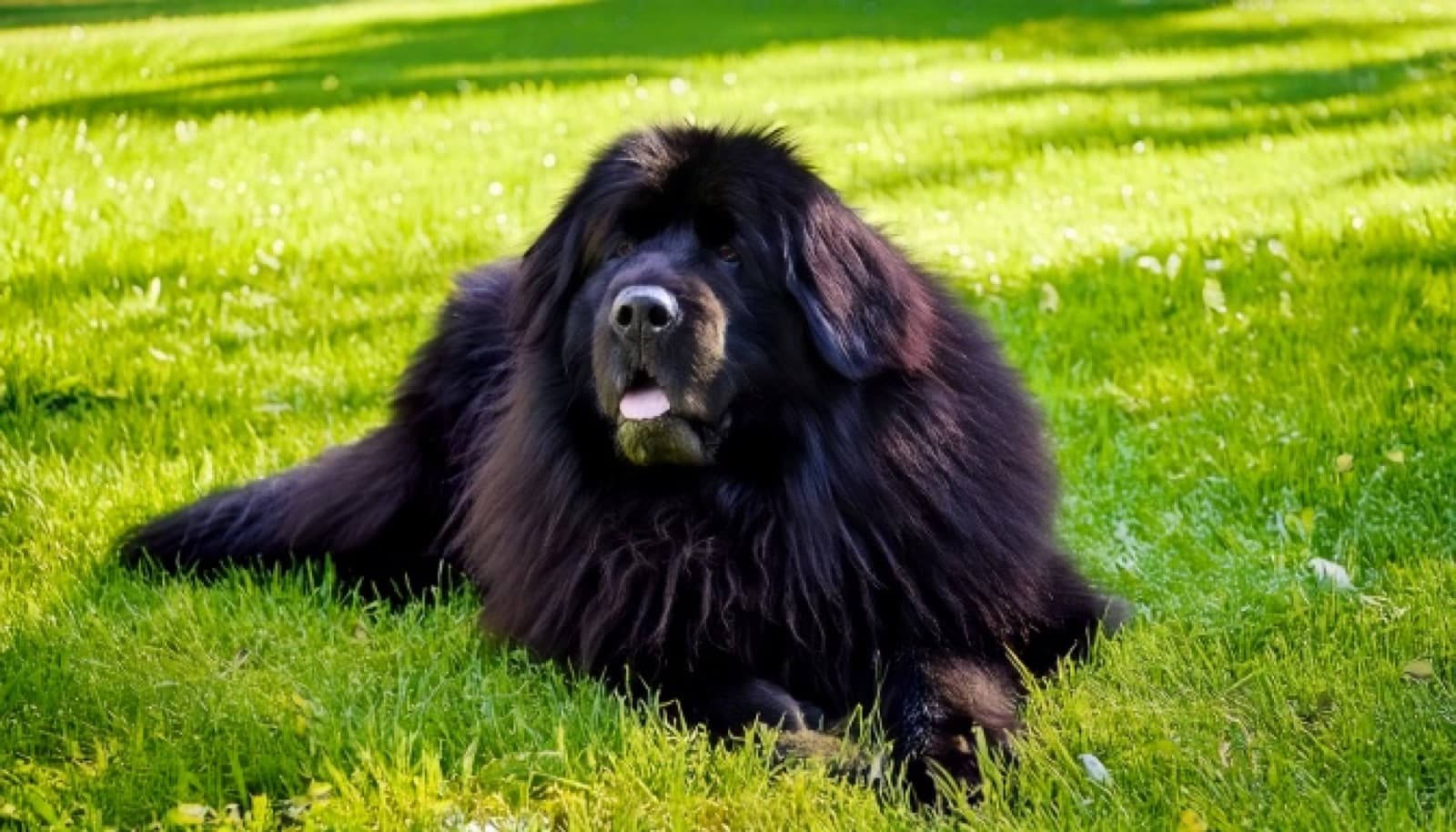
How much grooming does a Newfoundland need?
Newfoundlands need substantial grooming, one of the defining commitments of the breed. The heavy, thick, water-resistant double coat requires thorough brushing several times a week to prevent painful mats and manage heavy shedding. Without it, the dense coat mats, especially in friction areas (behind the ears, under the legs, the britches), and mats pull on the skin and trap moisture. They also blow their coat seasonally, during which daily brushing helps.
Beyond brushing: bathing when needed (a big job, with thorough drying essential), nail trims, ear cleaning (important given moisture), attention to the coat around the rear and feet, and dental care. Many owners use professional grooming periodically, a real recurring cost. In damp Vancouver, drying the coat thoroughly after wet, muddy walks and swims is especially important. And crucially, the coat should never be shaved (except medically), as it regulates temperature and protects the skin. Newfoundland grooming is a genuine, ongoing commitment in time and often money.
The drool, and how to manage it
Yes, Newfoundlands drool, and you should be honest about whether you can live with a fair amount of slobber. Their loose lips and jowls mean they drool, especially after drinking, eating, when excited, hot, or anticipating food, and some individuals drool more than others. The drool can be stringy and end up on floors, walls, furniture, your clothes, and anywhere the dog shakes its head (a head shake flings slobber surprising distances). This is a normal, unavoidable part of the breed, not something you can train away.
Practical management: keep drool towels or rags handy around the house and car to wipe the dog's mouth (especially after drinking or eating), place mats under water and food bowls, wipe the jowls regularly, clean up slobber promptly (it can stain and smell), and accept that some slobber comes with the territory. Keeping the facial folds and lips clean helps with hygiene and odour. For people who cannot tolerate drool, a Newfoundland is not the right breed, but for those who accept it as part of the gentle-giant package, it becomes just a routine part of life.
Heat sensitivity, and keeping a Newfoundland cool
Newfoundlands are very heat-sensitive because of their heavy double coat and large body mass, both of which make it hard to shed heat, so they can overheat and suffer heatstroke dangerously. Bred for a cold, wet climate, they conserve heat, exactly backwards for hot days. Vancouver's generally cool climate suits them well, but summer heat waves require real care: keep the dog indoors with AC or a cool space, provide constant shade and water, exercise only in the cool hours, avoid hot pavement, and never leave a Newfoundland in a warm car.
Swimming is an excellent way for a Newfoundland to cool off and exercise (they love water), so safe swimming access is a great summer asset. Learn the signs of overheating, heavy frantic panting, extra drooling, bright red gums, weakness, stumbling, and treat any suspected heatstroke as an emergency, get to a vet immediately. Never shave the coat to cool the dog, it helps regulate temperature and protects against sun; manage heat through environment and timing. A Newfoundland kept cool and never over-exerted in heat stays safe through Vancouver's summers. The VCA heatstroke guide is worth reading before summer.
Never shave a Newfoundland
Never shave a Newfoundland (except when medically necessary on veterinary advice). It is especially tempting with a heavy-coated, heat-sensitive giant, but shaving is the wrong solution. The double coat actually regulates temperature, insulating against cold and helping protect against heat, so a properly maintained (brushed, mat-free) coat helps keep the dog cooler in summer, not hotter, as many assume.
Shaving a double-coated breed can disrupt this regulation, cause the coat to grow back improperly or with altered texture (sometimes permanently damaging it), expose the skin to sunburn, and remove the coat's protective function, all without solving the heat problem. Instead, keep the coat well-brushed and mat-free (a clean, mat-free coat regulates temperature far better than a matted one), and manage heat through shade, AC, cool water, swimming, and cool-hour exercise. If you are worried about your Newfoundland in summer heat, the answer is environmental cooling and diligent coat maintenance, never the clippers.
Managing wet, muddy dog, and home vs professional grooming
Managing a wet, muddy Newfoundland is a real part of life in rainy Vancouver, given their love of water and heavy, absorbent coat. Dry thoroughly after wet or muddy walks and swims (a damp dense coat causes matting and skin issues), manage the mud (wipe or rinse paws, legs, and belly; a towel-down area by the door helps), brush regularly to remove trapped debris, and keep the ears dry and clean (moisture plus a swimming dog risks ear infections).
On home vs professional grooming: you can groom at home with the right tools (a quality slicker brush, undercoat rake, and ideally a high-velocity dryer), significant time, space, and the physical capability to handle a 100-plus-pound dog, but many owners use a professional groomer periodically for baths (a big job), deshedding, and nail trims. Professional grooming for a giant, heavy-coated dog is not cheap, expect a meaningful cost per session. Most owners do a practical mix: regular at-home brushing plus periodic professional grooming. Whichever you choose, budget for it, grooming is one of the defining ongoing commitments of owning this magnificent giant breed. See our adoption guide for the full giant-breed commitment picture.
Browse adoptable Newfoundlands in Vancouver
If you are ready for the coat, the drool, and the heat management, a Newfoundland is a gentle, devoted giant. Browse Lower Mainland rescues, each with a foster's notes on coat condition and temperament. Refreshed regularly.
See Available Newfoundlands →Frequently Asked Questions
How much grooming does a Newfoundland need?
Substantial, thorough brushing several times a week (daily during coat blow) to prevent mats and manage heavy shedding, plus bathing, nail trims, ear cleaning, and dental care. Many use a groomer periodically. Never shave the coat. A real ongoing commitment in time and money.
Do they really drool that much?
Yes, from the loose jowls, especially after drinking, eating, when hot or excited, and a head shake flings it far. It cannot be trained away. Manage it with drool towels, bowl mats, regular jowl-wiping, and prompt cleanup. Not the breed for anyone who cannot tolerate slobber.
Why are they so heat-sensitive, and how do I keep mine cool?
The heavy coat and large body make shedding heat hard, so they overheat dangerously. Vancouver's cool climate helps, but in summer heat waves keep the dog in AC, provide shade, water, and swimming, and exercise only in the cool hours. Learn the heatstroke signs, and never shave to cool them.
Should I ever shave one?
No, except medically. The double coat regulates temperature (including keeping the dog cooler in summer) and protects the skin. Shaving harms it, can permanently damage the coat, and does not solve heat. Keep it brushed and mat-free, and cool the dog with environment, not clippers.
How do I manage a wet, muddy Newfoundland in Vancouver?
Dry the coat thoroughly after wet walks and swims (damp causes matting), wipe or rinse muddy paws and belly, brush regularly, and keep the ears dry. Accept plenty of towels and wet-dog management. The upside: they love the cool, wet conditions, so the climate suits them beautifully.
Can I groom one at home?
You can with the right tools (slicker brush, undercoat rake, high-velocity dryer), time, space, and the strength to handle a 100-plus-pound dog, but many use a groomer periodically for baths and deshedding. Professional grooming for a giant dog is not cheap. Most do a mix, budget for it either way.
Related Vancouver guides
Newfoundland Adoption in Vancouver
Where to adopt in BC, the gentle-giant temperament, real costs, and who the giant breed suits.
Newfoundland Health Issues
Heart conditions, hip and elbow dysplasia, bloat, cystinuria, and the giant-breed vet picture.
Adoptable Newfoundlands in Vancouver
All currently available Newfoundlands and Newfoundland mixes with foster notes. Updates regularly.
Best Dog Rescues in Vancouver
Every Vancouver-area rescue reviewed on cost, wait time, and best fit by adopter type.
New dog? Start with these care guides
Everything a new adopter needs to set up a safe, happy home.