The short answer
The Newfoundland's signature health concern is heart disease, especially subvalvular aortic stenosis (SAS), so cardiac monitoring matters. Other major issues: hip and elbow dysplasia, bloat (GDV) (a giant-breed emergency, learn the signs), and cystinuria (inherited cystine bladder stones). It has a giant-breed shorter lifespan (~9 to 11 years). The levers you control: keep the dog lean, exercise appropriately while protecting growing joints, feed to reduce bloat risk, and stay on routine cardiac-aware vet care. Because the heart risk, bloat risk, and giant-breed care are all expensive, the insurance case is particularly strong, insure while young.
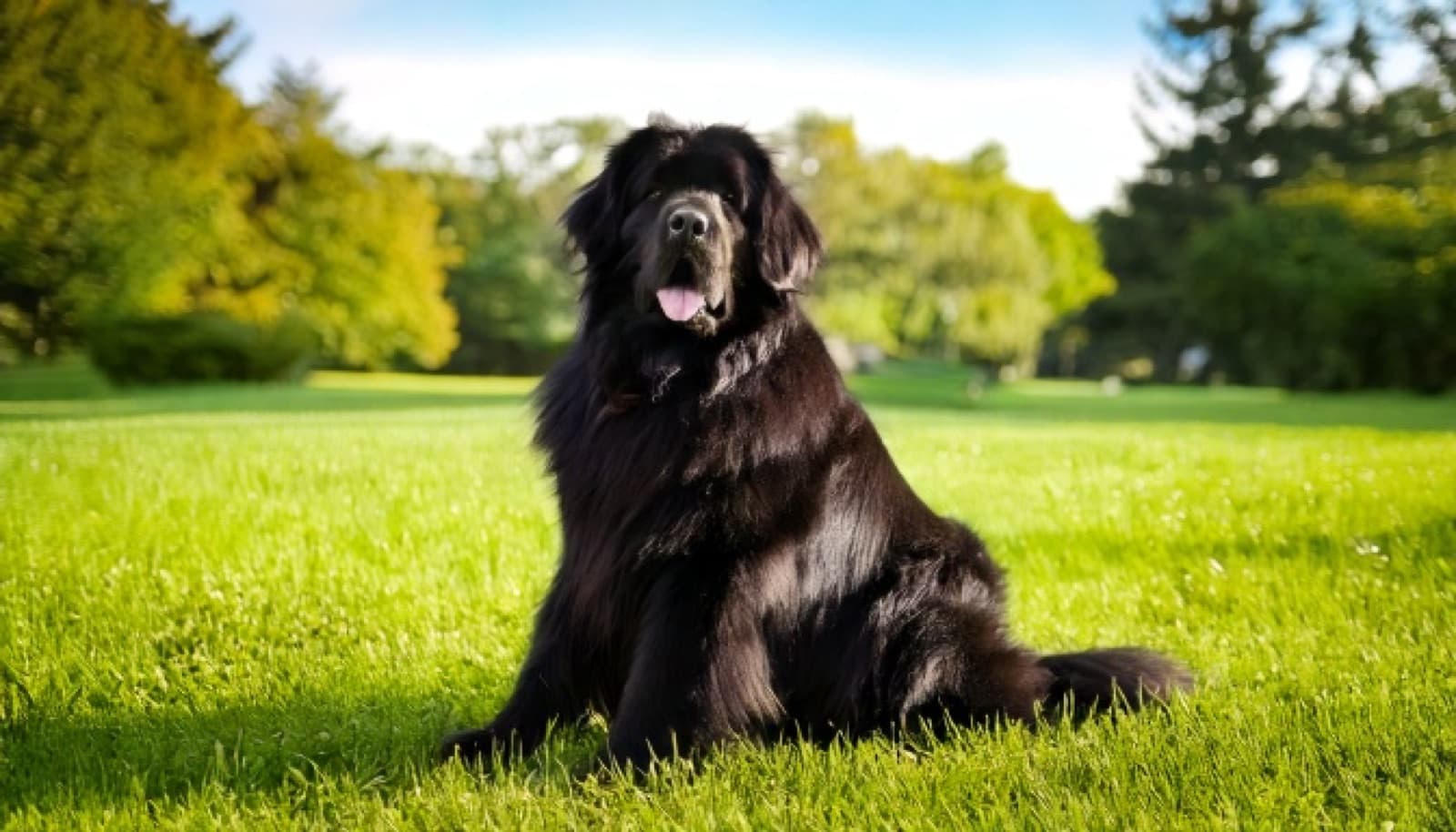
The Newfoundland is a giant breed, and its health map is the giant-breed map plus some breed-specific conditions, led by heart disease. None should scare off a prepared owner, but knowing them, especially the heart risk and bloat, is part of responsible ownership. Here is the medical picture, condition by condition.
Heart disease (SAS), the signature issue
The Newfoundland's signature health concern is heart disease, particularly subvalvular aortic stenosis (SAS), a congenital heart defect the breed is notably predisposed to. SAS involves a narrowing below the aortic valve that obstructs blood flow, forcing the heart to work harder; it ranges from mild (relatively normal life) to severe (exercise intolerance, fainting, and in serious cases sudden death or heart failure). It is often detected by a heart murmur, and confirmed and graded by cardiac ultrasound, ideally by a veterinary cardiologist.
This is why responsible breeders cardiac-evaluate breeding dogs, and why cardiac monitoring is valuable. Newfoundlands can also develop other heart conditions, including dilated cardiomyopathy. For an owner: have your Newfoundland's heart checked as part of routine vet care (with cardiologist referral if a murmur or symptoms appear), be alert to signs of heart trouble (exercise intolerance, coughing, weakness, fainting), and understand heart disease is a real consideration. Many with mild conditions live good lives with monitoring. The Orthopedic Foundation for Animals maintains cardiac and other breed health databases.
Joints and bloat
Hip and elbow dysplasia are common in Newfoundlands, especially significant in a giant breed where the weight adds strain and mobility problems in a huge dog are physically hard to manage. Keep the dog lean (crucial, excess weight badly worsens joints) and provide appropriate (not excessive, especially during growth) exercise. Bloat (GDV) is a sudden, life-threatening emergency giant deep-chested breeds are at high risk of, signs include a distended abdomen, unproductive retching, restlessness, drooling, and distress, requiring immediate emergency care.
Joint signs include stiffness, difficulty rising, reluctance to move, limping, or an altered gait; management ranges from weight control, supplements, and medication to surgery. Bloat risk-reduction includes feeding smaller meals, avoiding vigorous exercise around eating, and discussing a preventive gastropexy with your vet. Both are serious giant-breed considerations every Newfoundland owner must manage. The VCA guide to bloat is essential reading.
Cystinuria (bladder stones)
Cystinuria is an inherited condition Newfoundlands are notably predisposed to, a defect in the kidney's handling of the amino acid cystine leads to cystine bladder stones. These can cause painful, frequent, or bloody urination, straining, and, in a serious scenario, a urinary blockage (a life-threatening emergency, more dangerous in males). The Newfoundland form has a genetic basis, and a DNA test identifies affected and carrier dogs, which responsible breeders use.
Managing cystinuria (if your Newfoundland is affected) involves a veterinary plan that may include a special diet, medication, encouraging hydration and frequent urination, and monitoring. Signs of urinary trouble warrant prompt vet attention, and a blockage is an emergency. Not every Newfoundland has cystinuria, but it is a recognized breed issue, so be aware and discuss testing or monitoring with your vet, especially if the dog shows urinary symptoms. With good management, affected dogs can be kept comfortable, but it is a lifelong condition.
Lifespan and keeping a Newfoundland healthy
Newfoundlands have a shorter lifespan, typically around 9 to 11 years, normal for a giant breed, and much of keeping one healthy is within your control. Keep the dog lean (excess weight badly worsens joints, heart, and general health), provide appropriate moderate exercise while protecting the joints (avoid over-exercise during the slow giant-breed growth), know the bloat signs and feed to reduce the risk, and stay on routine vet care including cardiac monitoring and attention to any urinary signs.
Maintain diligent grooming and skin care for the heavy coat, manage heat carefully, and keep up dental care, parasite prevention, and vaccinations. Be alert to the giant-breed and breed-specific signs, heart symptoms, mobility changes, urinary issues, and bloat, and seek care promptly. A Newfoundland that is kept lean, appropriately exercised, cardiac-monitored, protected against bloat, and given attentive routine care has the best chance at a full, comfortable giant-breed life.
Is pet insurance worth it?
Pet insurance is strongly worth considering for a Newfoundland, arguably more so than for most breeds, because Newfoundlands combine the higher baseline costs of a giant breed with a real risk of multiple expensive conditions: heart disease, hip or elbow surgery, emergency bloat surgery (into the thousands), cystinuria management, and other giant-breed issues, and Vancouver vet and specialist care is not cheap. The combination of heart risk, bloat risk, and general giant-breed expense makes a particularly strong case.
As always, take out insurance while the dog is young and healthy, before any condition, especially a heart or joint issue, is diagnosed and excluded. Compare providers, understand coverage (including cardiac and surgery coverage) and any limits, and read the fine print. For many owners, insurance turns the significant, somewhat likely veterinary costs of a giant breed into a more manageable monthly cost. If you self-insure, commit to a substantial vet fund, giant-breed care, and especially a heart or bloat emergency, can be a very large expense. See our Vancouver adoption and ownership costs guide for the numbers.
Browse adoptable Newfoundlands in Vancouver
Rescue Newfoundlands come vet-checked, and a good rescue will share a dog's known health history so you can adopt informed. Refreshed regularly across Lower Mainland rescues.
See Available Newfoundlands →Frequently Asked Questions
What are the main health problems?
Heart disease (especially SAS) is the signature, plus hip and elbow dysplasia, bloat (GDV), and cystinuria (bladder stones). A giant-breed shorter lifespan (~9 to 11 years). Cardiac monitoring, weight control, and bloat awareness matter most.
What heart conditions affect them?
Subvalvular aortic stenosis (SAS), a congenital defect ranging from mild to severe, is the main one, plus other conditions like DCM. Often found via a murmur and graded by cardiac ultrasound. Have the heart checked routinely and watch for exercise intolerance, coughing, or fainting.
Do they have joint problems and bloat risk?
Both. Hip and elbow dysplasia are common and especially hard to manage in a giant dog, keep the dog lean and exercise appropriately. Bloat (GDV) is a giant-breed emergency, learn the signs, feed smaller meals, and consider preventive gastropexy.
What is cystinuria?
An inherited condition causing cystine bladder stones, which can cause painful urination and, in males especially, dangerous blockages. A DNA test identifies affected dogs. Managed with diet, medication, hydration, and monitoring. Any inability to urinate is an emergency.
How long do they live?
Around 9 to 11 years, normal for a giant breed. Keep the dog lean, exercise appropriately while protecting growing joints, feed with bloat precautions, cardiac-monitor, and stay on routine vet care. Attentive giant-breed care gives the best shot.
Is pet insurance worth it?
Strongly, arguably more than for most breeds, given the heart risk, bloat risk, cystinuria, and general giant-breed expense. Take insurance out while the dog is young, before conditions are excluded. If you self-insure, keep a substantial vet fund for potential heart or bloat emergencies.
Related Vancouver guides
Newfoundland Adoption in Vancouver
Where to adopt in BC, the gentle-giant temperament, real costs, and who the giant breed suits.
Newfoundland Grooming, Drool & Heat
The heavy-coat grooming routine, managing the drool, and keeping a Newfoundland cool in summer.
Adoptable Newfoundlands in Vancouver
All currently available Newfoundlands and Newfoundland mixes with foster health notes. Updates regularly.
Low-Cost Vet Care in Vancouver
Affordable clinics and options for routine care and the monitoring a giant breed needs.
New dog? Start with these care guides
Everything a new adopter needs to set up a safe, happy home.