The short answer
Shiba Inus are uncommon in rescue but do turn up. Check BC SPCA Vancouver, Loved at Last, Langley APS, Heart and Soul, Taco Dog Rescue, and Furever Freed, and set an alert. Canadian adult dog adoption fees typically run $250 to $650 versus about $3,000 plus tax to $4,500 from the few registered breeders that publish prices (October 2026, small sample). They are bold, clean, dignified, and often devoted to their family, but independent and cat-like, not biddable, with poor recall and a strong escape instinct (a leash-and-fence breed). They shed heavily despite their tidy reputation, and suit experienced homes with respectful older kids. An adult with known quirks is the smartest pick.
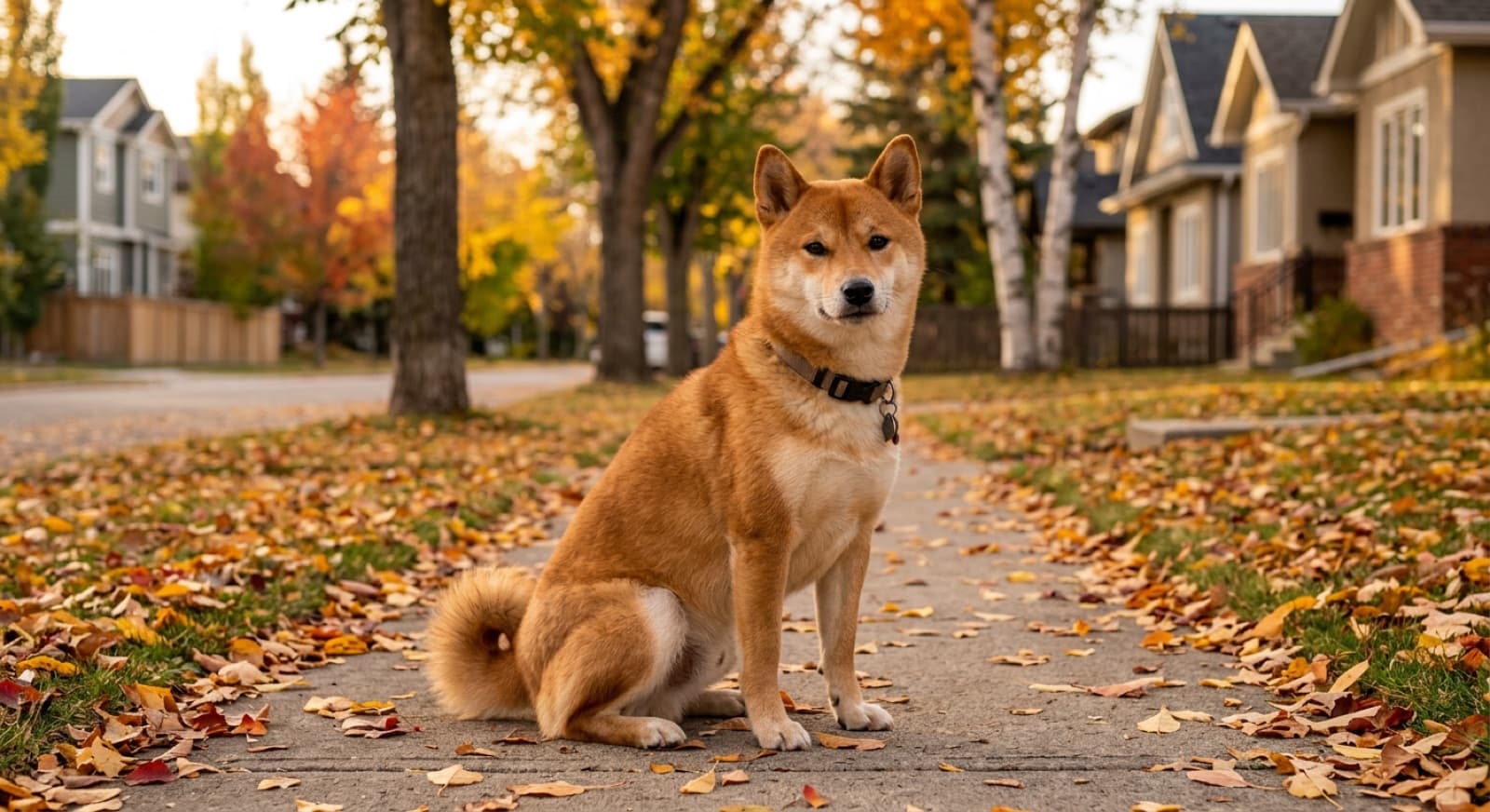
Where can I adopt a Shiba Inu in Vancouver?
Check the major Lower Mainland rescues: BC SPCA Vancouver, Loved at Last Dog Rescue, Langley Animal Protection Society (LAPS), Heart and Soul Dog and Cat Rescue, Taco Dog Rescue Society, and Furever Freed Dog Rescue. There is no verified Shiba-specific rescue charity in Canada; the national breed club, Shiba Inu Canada, runs a rescue network that only posts dogs and says “There are not large numbers of Shiba Inu requiring rescue in Canada.” Shibas are uncommon in rescue, so patience and a rescue alert help. Browse currently available Shibas and Shiba mixes at LocalPetFinder's Shiba Inu breed page. Because fit matters so much with this breed, the foster notes on handling, dog-tolerance, and escaping are especially worth reading.
For the full Vancouver rescue landscape, see our best dog rescues in Vancouver guide, or browse every adoptable dog on the main Vancouver dog adoption listings.
Are Shiba Inus good family dogs?
They can be, for the right, experienced home, but the Shiba is a particular breed. Shibas are bold, alert, clean, and often deeply devoted to their own family, but also independent, aloof, strong-willed, and often described as cat-like, showing affection on their own terms rather than being cuddly or biddable. They can be possessive of food and toys and not always tolerant of rough handling, so they generally suit homes with respectful older children rather than toddlers, and many are same-sex dog-selective. For an experienced owner who appreciates an independent, dignified, spirited companion and will socialize and train thoughtfully, a Shiba is wonderful, but it is not a typical easygoing family breed, and that mismatch is exactly why Shibas land in rescue.
Our Shiba escape and recall guide covers managing the independent temperament and the leash-and-fence reality in depth.
Are Shiba Inus good off-leash in Vancouver?
Generally no, and this is one of the most important things to understand about the breed. Shibas have a strong prey drive and an independent streak, and their recall is famously unreliable; a Shiba that decides to run will often simply ignore you and take off, and once loose they can be very hard to catch. On Vancouver trails, in forested parks, and near roads, that is genuinely dangerous. Keep a Shiba leashed in public and only let it off-leash inside a securely fenced area, and use a long line for freedom on trails. Shibas are also determined escape artists that will climb, dig, or bolt through an open door, so secure fencing and door management matter. This is a leash-and-fence breed, not a reliable off-leash hiking companion.
Our Vancouver off-leash parks guide covers the fully fenced areas where a Shiba can safely run.
Do Shiba Inus shed a lot?
Yes, considerably, despite their tidy, cat-like reputation. Shibas have a thick double coat that sheds moderately year-round and “blows” heavily once or twice a year. They are famously clean and fastidious (easy to house-train, odour-free), so the coat is low-maintenance day to day, but the shedding is real, and regular brushing, more during a coat blow, is needed to manage it. The coat should never be shaved, since it insulates and protects. In damp Vancouver, dry the coat after wet walks to keep the skin healthy. Anyone wanting a genuinely low-shedding dog should know the Shiba is not one.
Why do Shiba Inus end up in rescue?
Almost always because owners underestimated the temperament. People drawn to the fox-like looks and the internet-famous image are often unprepared for an independent, strong-willed dog that does not aim to please, has poor recall and a strong escape instinct, can be possessive or dog-selective, and does not behave like the affectionate, biddable family dog they imagined. When the training challenges, the escaping, or the aloofness set in, some surrender. The breed's popularity has also fueled backyard and puppy-mill breeding of poorly socialized or unhealthy Shibas. A rescue Shiba is often a wonderful, spirited dog whose owners simply did not understand the breed.
How much does it cost to adopt a Shiba Inu in Vancouver?
Canadian rescue and shelter adoption fees typically run $250 to $650 for an adult dog and $450 to $800 for a puppy (October 2026), well under the about $3,000 plus tax to $4,500 that the few registered Canadian breeders who publish prices ask (October 2026, small sample; see our Canadian Shiba Inu puppy price guide). Show-line and imported dogs cost more. Fees include spay or neuter, vaccinations, microchip, deworming, and a basic vet workup. Annual care: roughly $1,500 to $3,000 per year. The breed is generally healthy, so ongoing vet costs are moderate, but budget for good secure fencing (a Shiba-proof yard is a real investment) and for professional training help if you are newer to independent breeds, since that support pays off with this temperament.
| Source | Fee Range | What's Included |
|---|---|---|
| Adult dog, Canadian rescue or shelter (typical) | $250 to $650 | Spay or neuter, vaccines, microchip, vet check |
| Puppy, Canadian rescue or shelter (typical) | $450 to $800 | Spay or neuter, vaccines, microchip, foster temperament plus handling and escape notes |
| Senior dog | Often reduced | Same as above. Check each rescue's fee page. |
| Breeder puppy | About $3,000 + tax to $4,500 (October 2026, small sample) | Initial vaccines only |
Can a Shiba Inu live in a Vancouver condo?
Yes, with caveats. Shibas are clean, a manageable size, and adapt to apartments if well exercised. The main condo considerations are the shedding (a double coat in a small space), the need for strict door management (a Shiba will bolt through an open door and is hard to recover), and their exercise and mental-stimulation needs. Daily leashed walks plus enrichment keep a Shiba content in a condo. They are relatively quiet, though they have a dramatic “Shiba scream” when very unhappy. An adult with known habits and a foster's note on how it does in an apartment is a safer bet than a puppy. Manage the door, the shedding, and the exercise, and many Shibas live happily in Vancouver condos.
Should I look at “Shiba Inu puppies for sale Vancouver” instead of adoption?
Adoption is the better path for most Vancouver households, and it is especially wise with this breed. A rescue Shiba typically costs $250 to $650 as an adult with full vet work, versus about $3,000 plus tax to $4,500 from the few registered breeders that publish prices (October 2026, small sample), and an adult's temperament, dog-tolerance, and how it does with handling and escaping are already known, which matters enormously for a breed whose independent, particular nature is exactly what surprises buyers.
If you do buy, choose a reputable breeder who health-tests both parents, socializes the puppies well, lets you meet them, and never sells through classifieds. Avoid the Craigslist or Kijiji “Shiba puppies for sale” litter, which is usually an untested, poorly socialized backyard pairing, a bad start for an already-challenging breed. For most people, an adopted adult Shiba whose quirks are known is the smarter, kinder choice. For the broader rescue-first reasoning, see our Vancouver rescue guide.
Browse adoptable Shiba Inus in Vancouver
Live inventory from Lower Mainland rescues, including Shibas, Shiba mixes, and senior dogs at reduced fees, each with a foster's notes on temperament, dog-tolerance, and how the dog does off-leash. Refreshed regularly.
See Available Shiba Inus →Frequently Asked Questions
Where can I adopt a Shiba Inu near me in Vancouver?
Check the major Lower Mainland rescues: BC SPCA Vancouver, Loved at Last Dog Rescue, Langley Animal Protection Society (LAPS), Heart and Soul Dog and Cat Rescue, Taco Dog Rescue Society, and Furever Freed Dog Rescue, There is no verified Shiba-specific rescue charity in Canada; Shiba Inu Canada, the national breed club, runs a rescue network that only posts the occasional dog needing a home. Shibas are less common in rescue than mixed breeds, so patience and a rescue alert help. Browse currently available Vancouver Shiba Inus at LocalPetFinder's Shiba Inu breed page. Because the breed has a strong, particular temperament, the foster notes on a rescue Shiba, especially how it does with handling, other dogs, and off-leash, are especially worth reading, since fit matters more with this breed than most.
Are Shiba Inus good family dogs?
They can be, for the right, experienced home, but the Shiba is a particular breed that suits some households far better than others. Shibas are bold, alert, clean, and often deeply devoted to their own family, but they are also independent, aloof, strong-willed, and often described as cat-like: they show affection on their own terms rather than being cuddly or biddable. They can be possessive of food and toys and are not always tolerant of rough handling, so they generally suit homes with respectful older children rather than toddlers. Many Shibas are also same-sex dog-selective. For an experienced owner who appreciates an independent, dignified, spirited companion and will socialize and train thoughtfully, a Shiba is a wonderful dog, but it is not a typical easygoing family breed, and this mismatch is exactly why Shibas end up in rescue.
Are Shiba Inus good off-leash in Vancouver?
Generally no, and this is one of the most important things to understand about the breed. Shibas have a strong prey drive and an independent streak, and their recall is famously unreliable; a Shiba that decides to run will often simply ignore you and take off, and once loose they can be very hard to catch (the infamous “Shiba 500” zoomies away from you). On Vancouver trails, in forested parks, and near roads, that is genuinely dangerous. Keep a Shiba leashed in public and only let it off-leash inside a securely fenced area, and use a long line for freedom on trails. Shibas are also determined escape artists that will climb, dig, or bolt through an open door, so secure fencing and door management matter. This is a leash-and-fence breed, not a reliable off-leash hiking companion.
Do Shiba Inus shed a lot?
Yes, considerably. Shibas have a thick double coat that sheds moderately year-round and “blows” (sheds heavily) once or twice a year, producing a lot of loose fur during those seasonal periods. They are famously clean and fastidious dogs (many groom themselves cat-like and are easy to house-train), so the coat is odour-free and low-maintenance day to day, but the shedding is real, and regular brushing, more during a coat blow, is needed to manage it. The coat should not be shaved, since it insulates and protects. In damp Vancouver, dry the coat after wet walks to keep the skin healthy. Prospective owners who want a low-shedding dog should know the Shiba is not one, despite its tidy, cat-like reputation.
Why do Shiba Inus end up in rescue?
Almost always because owners underestimated the temperament. People drawn to the fox-like looks and the internet-famous “doge” image are often unprepared for the reality: an independent, strong-willed dog that does not aim to please, has poor recall and a strong escape instinct, can be possessive or dog-selective, and does not behave like the affectionate, biddable family dog they imagined. When the training challenges, the escaping, or the aloofness set in, some surrender. The breed's popularity has also fueled backyard and puppy-mill breeding, producing poorly socialized or unhealthy Shibas more likely to end up in rescue. A rescue Shiba is often a wonderful, spirited dog whose owners simply did not understand the breed, and an experienced home that wants an independent, dignified companion is exactly what it needs.
How much does it cost to adopt a Shiba Inu in Vancouver?
Canadian rescue and shelter adoption fees typically run $250 to $650 for an adult dog and $450 to $800 for a puppy (October 2026), and senior dogs are often reduced. That is well under the roughly $3,000 plus tax to $4,500 that the few registered Canadian breeders who publish prices ask for a pet Shiba puppy (October 2026, small sample). Adoption fees include spay or neuter, vaccinations, microchip, deworming, and a basic vet workup. Annual care for a Shiba runs roughly $1,500 to $3,000 per year. The breed is generally healthy, so ongoing vet costs are moderate, but budget for good secure fencing (a Shiba-proof yard is a real investment) and for professional training help if you are newer to independent breeds, since that support pays off with this temperament.
Can a Shiba Inu live in a Vancouver condo or apartment?
Yes, Shibas can do well in apartments, and their cleanliness and moderate size help, but with caveats. They are clean, quiet by many standards (though they have a dramatic “Shiba scream” when very unhappy), and adaptable to smaller spaces if well exercised. The main condo considerations are the shedding (double coat in a small space), the need for secure door management (a Shiba will bolt through an open door and is hard to recover), and their exercise and mental-stimulation needs. Daily walks (leashed) plus enrichment keep a Shiba content in a condo. An adult with known habits and a foster's note on how it does in an apartment and with neighbours is a safer bet than a puppy. Manage the door, the shedding, and the exercise, and many Shibas live happily in Vancouver condos.
Should I look at Shiba Inu puppies for sale in Vancouver instead of adoption?
We are a rescue platform, so our honest take: adoption is the better path for most Vancouver households, and it is especially wise with this breed. A rescue Shiba typically costs $250 to $650 as an adult with full vet work, versus about $3,000 plus tax to $4,500 from the few registered breeders that publish prices (October 2026, small sample), and an adult's temperament, dog-tolerance, and how it does with handling and escaping are already known, which matters enormously for a breed whose independent, particular nature is exactly what surprises buyers. If you do buy, choose a reputable breeder who health-tests both parents, socializes the puppies well, lets you meet the parents, and never sells through classifieds. Avoid the Craigslist or Kijiji “Shiba puppies for sale” litter, which is usually an untested, poorly socialized backyard pairing, a bad start for an already-challenging breed. For most people, an adopted adult Shiba whose quirks are known is the smarter, kinder choice.
Related Vancouver guides
Adoptable Shiba Inus in Vancouver
All currently available Shibas and Shiba mixes with foster notes on temperament and escaping. Updates regularly.
Shiba Inu Escapes and Recall
Why Shibas escape and ignore recall: fence-proofing, door-dashing, harness fit and reward-based training.
Shiba Inu Health Issues: Knees, Eyes, Hips
Shiba Inu health issues to plan for: slipping kneecaps, hips and eye disease (the breed club’s recommended tests), itchy skin, and the rare inherited disease GM1 gangliosidosis.
Best Dog Rescues in Vancouver
Every Vancouver-area rescue reviewed on cost, wait time, and best fit by adopter type.
New dog? Start with these care guides
Everything a new adopter needs to set up a safe, happy home.