The short answer
The Vizsla's most significant health consideration is an elevated cancer risk (mast cell tumours, lymphoma, and others), so check regularly for lumps and see the vet promptly for anything new. Other issues: epilepsy (often manageable with medication), hip dysplasia, allergies and skin conditions, eye conditions, and hypothyroidism. Lifespan is a good ~12 to 14 years. The levers you control: keep the dog lean and fit, feed well, stay vigilant about lumps, and keep up routine monitoring. Because cancer treatment is both a real possibility and expensive, the insurance case is strong, insure while young.
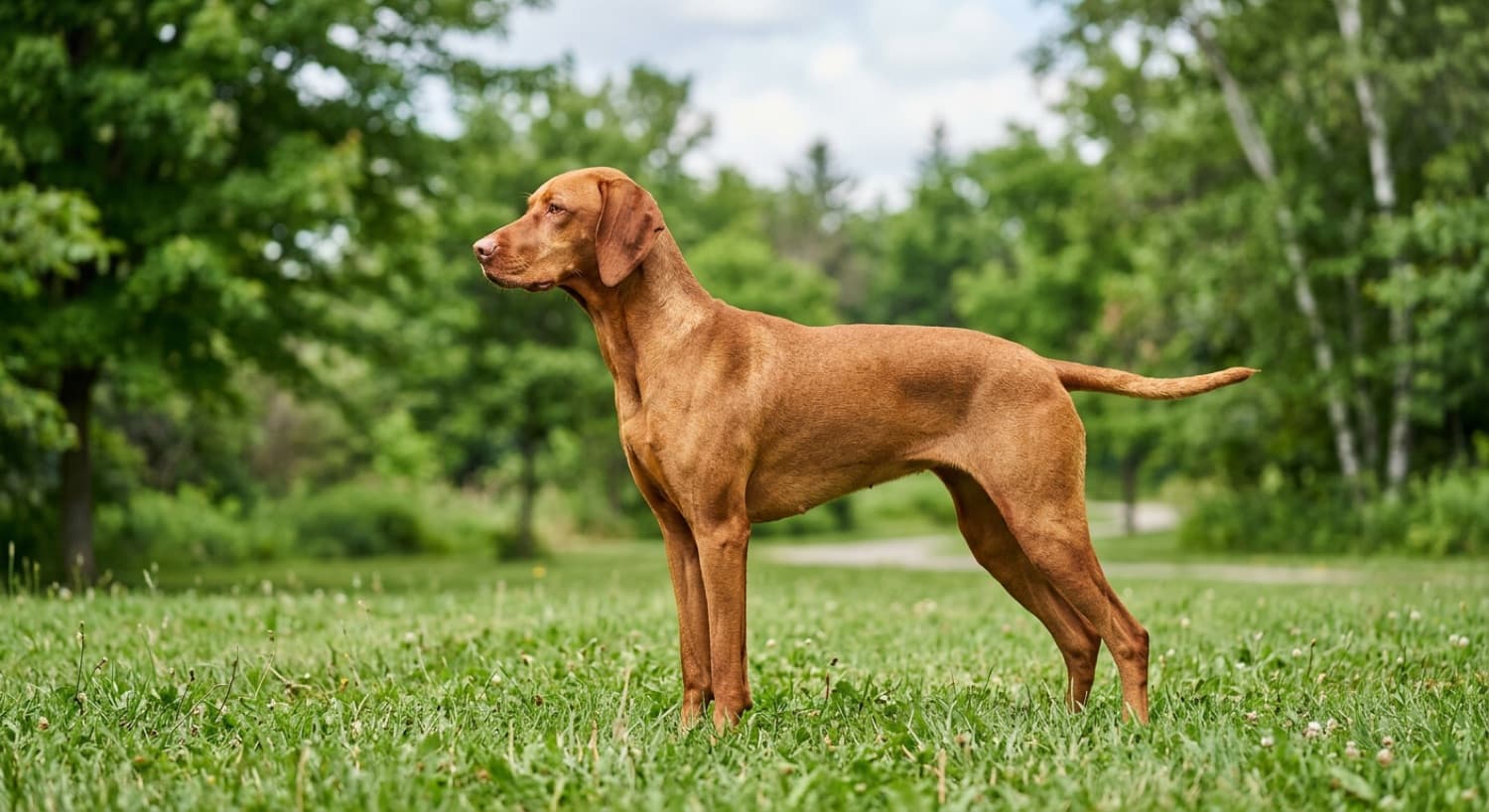
The Vizsla is a robust, athletic breed, but its elevated cancer risk makes vigilance genuinely important, alongside awareness of the other conditions. Knowing them lets you catch problems early. Here is the medical picture, condition by condition.
Cancer risk, the key consideration
Vizslas have an elevated risk of certain cancers relative to some breeds, one of the more important health considerations for the breed. Cancers seen include mast cell tumours (a common skin cancer), lymphoma, hemangiosarcoma, and others. This does not mean every Vizsla will develop cancer, many live long, healthy lives, but owners should be aware and vigilant.
Practical steps: get to know your dog's body and check regularly for lumps, bumps, or skin changes (mast cell tumours often appear as skin lumps), and have any new or changing lump assessed by a vet promptly, because early detection and treatment significantly improve outcomes for many cancers. Maintain routine checkups, and be alert to non-specific signs of illness (weight loss, lethargy, appetite changes). While you cannot prevent cancer, keeping your Vizsla lean, feeding well, and staying on top of vet care support health, and vigilance about lumps gives the best chance of catching cancer early. This is a strong argument for pet insurance taken out while the dog is young. The American College of Veterinary Internal Medicine publishes oncology resources.
Joints and epilepsy
Hip dysplasia occurs in the breed, as in many active dogs, a hip malformation leading to arthritis and pain; signs include stiffness, difficulty rising, reluctance to exercise, or an altered gait, managed with weight control, supplements, medication, or surgery in severe cases. Keeping a Vizsla lean and well-conditioned (easy given the exercise needs and Vancouver's trails) protects the joints. Epilepsy, a seizure disorder, is also seen in Vizslas, often idiopathic (hereditary), typically appearing in young to middle-aged dogs.
Seizures can be frightening to witness, but epilepsy is often manageable with medication that controls or reduces frequency and severity, and many epileptic dogs live full, good lives with proper veterinary management. If your Vizsla has a seizure, consult your vet, who can diagnose the cause and prescribe management. Both conditions are worth being aware of, joint issues are more predictable and managed through weight and conditioning, while epilepsy is less common but requires veterinary management when it occurs. Neither should necessarily deter you from the breed.
Skin, eyes, and thyroid
Skin and allergies: Vizslas can be prone to environmental and food allergies causing itchy skin, irritation, ear issues, and paw licking, and their short, single coat offers little protection, so skin issues can be noticeable; the damp Vancouver climate can be a factor. Eyes: progressive retinal atrophy, cataracts, and entropion can occur, watch for cloudiness, vision changes, redness, or squinting.
Thyroid: hypothyroidism occurs and affects metabolism, weight, energy, and coat; it is diagnosed with a blood test and managed effectively with daily medication, very manageable once identified. Routine vet care monitoring skin, eyes, and thyroid, plus prompt attention to symptoms, catches these early, and most are manageable or treatable. None is typically as serious as the cancer risk, but collectively they are worth monitoring as part of good routine care.
Lifespan and keeping a Vizsla healthy
Vizslas typically live around 12 to 14 years, and much of keeping one healthy is within your control. Keep the dog lean and well-conditioned (the high exercise needs, easily met with Vancouver's trails, support this and protect the joints), feed a quality diet, and stay on routine vet care. Given the elevated cancer risk, be especially vigilant, check regularly for lumps and have anything new assessed promptly.
Keep the dog warm and dry in cool, wet winters, monitor the skin for allergies, and be alert to signs of the other conditions. Meet the Vizsla's exercise and companionship needs, a happy, well-exercised, low-stress dog is healthier (and the breed's anxiety tendencies affect wellbeing). Maintain dental care, parasite prevention, and current vaccinations. A Vizsla that is kept lean and fit, well cared for, monitored for lumps, and given routine care has an excellent chance at a long, healthy life.
Is pet insurance worth it?
Pet insurance is worth considering for a Vizsla, primarily because of the breed's elevated cancer risk, cancer treatment (surgery, chemotherapy, specialist care) can be very expensive, and the possibility of epilepsy (which may need lifelong medication), hip issues, and allergies, and Vancouver vet and specialist care is not cheap. The cancer risk in particular strengthens the case, because cancer is both a real possibility and potentially one of the most expensive conditions to treat.
As always, take out insurance while the dog is young and healthy, before any condition is diagnosed and excluded, which matters for a breed where cancer, epilepsy, or allergies could develop. Compare providers, understand coverage (including whether cancer and chronic conditions are well covered) and any limits, and read the fine print. For many owners, insurance provides valuable protection against the potentially very large cost of cancer treatment and the ongoing costs of chronic conditions. If you self-insure, keep a substantial vet fund in mind. See our Vancouver adoption and ownership costs guide for the numbers.
Browse adoptable Vizslas in Vancouver
Rescue Vizslas come vet-checked, and a good rescue will share a dog's known health history so you can adopt informed. Refreshed regularly across Lower Mainland rescues.
See Available Vizslas →Frequently Asked Questions
What are the main health problems?
An elevated cancer risk (mast cell tumours, lymphoma) is the key one, plus epilepsy, hip dysplasia, allergies and skin conditions, eye conditions, and hypothyroidism. Lifespan ~12 to 14 years. Vigilance about lumps and routine monitoring matter most.
Are they really more prone to cancer?
Yes, an elevated risk of certain cancers (mast cell tumours, lymphoma, and others). Not every Vizsla develops cancer, but check regularly for lumps and skin changes and see the vet promptly, early detection greatly improves outcomes. A strong argument for insuring young.
Do they have joint problems or epilepsy?
Both can occur. Hip dysplasia is managed with weight control and conditioning (easy with the exercise needs). Epilepsy is less common but often manageable with medication, many epileptic dogs live full lives. See your vet for any seizure.
What skin, eye, and thyroid conditions affect them?
Allergies and sensitive skin (the short coat offers little protection, and the damp climate is a factor), eye conditions (PRA, cataracts, entropion), and hypothyroidism (very manageable with medication). Routine monitoring catches these early.
How long do they live?
Around 12 to 14 years. Keep the dog lean and fit, feed well, stay vigilant about lumps, keep it warm in winter, and stay on routine vet care. Meeting the exercise and companionship needs keeps a Vizsla healthier and less anxious.
Is pet insurance worth it?
Worth considering, mainly for the elevated cancer risk (treatment can be very expensive), plus epilepsy, hips, and allergies. Take insurance out while the dog is young, before conditions are excluded. If you self-insure, keep a substantial vet fund for potential cancer treatment.
Related Vancouver guides
Vizsla Adoption in Vancouver
Where to adopt in BC, the velcro-dog temperament, exercise needs, real costs, and who it suits.
Vizsla Exercise & Separation Anxiety
Meeting the exercise needs and preventing the separation anxiety this velcro breed is prone to.
Adoptable Vizslas in Vancouver
All currently available Vizslas and Vizsla mixes with foster health notes. Updates regularly.
Low-Cost Vet Care in Vancouver
Affordable clinics and options for routine care and the monitoring a Vizsla needs.
New dog? Start with these care guides
Everything a new adopter needs to set up a safe, happy home.