13 Jindo puppies available in British Columbia
Under a year old, listed by rescues and shelters. Updated as shelters publish.
See all 13 Jindo puppies in British Columbia →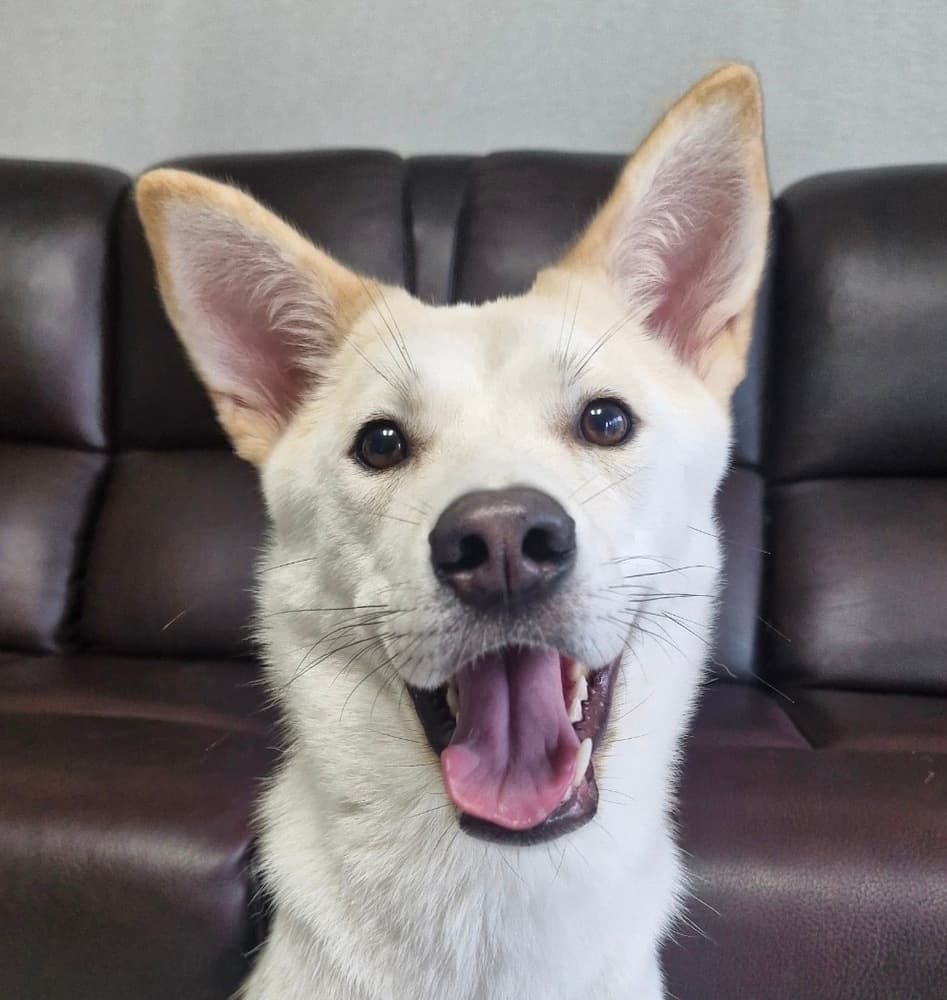
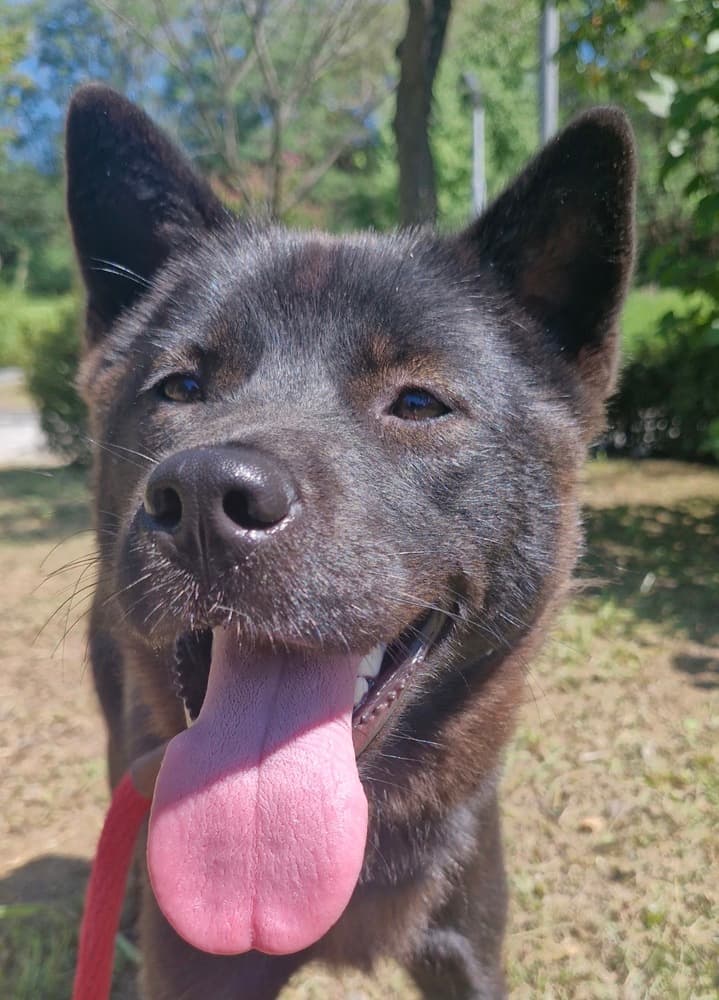
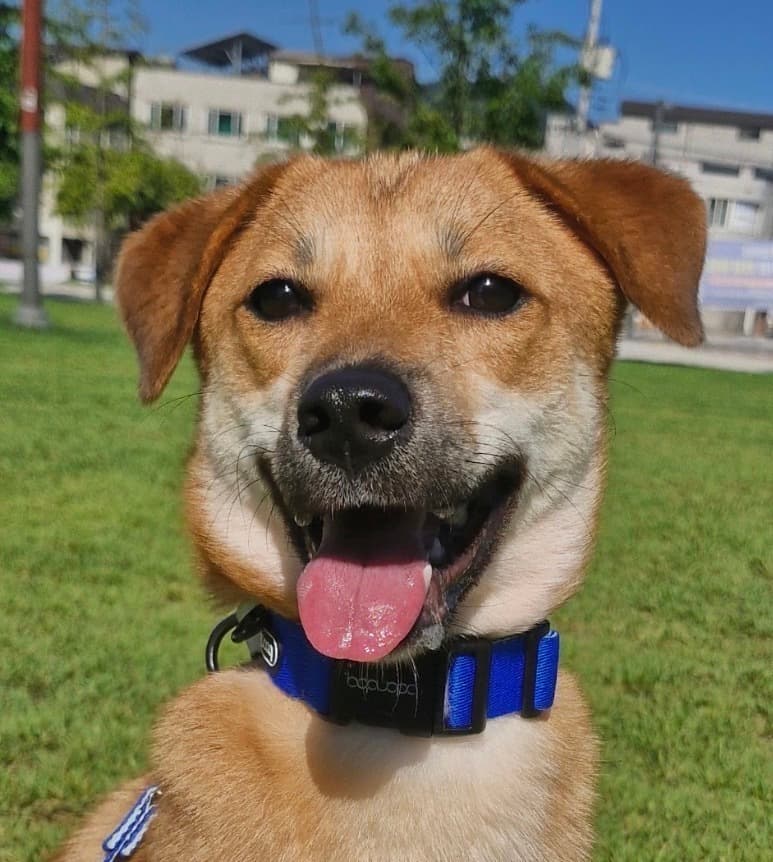
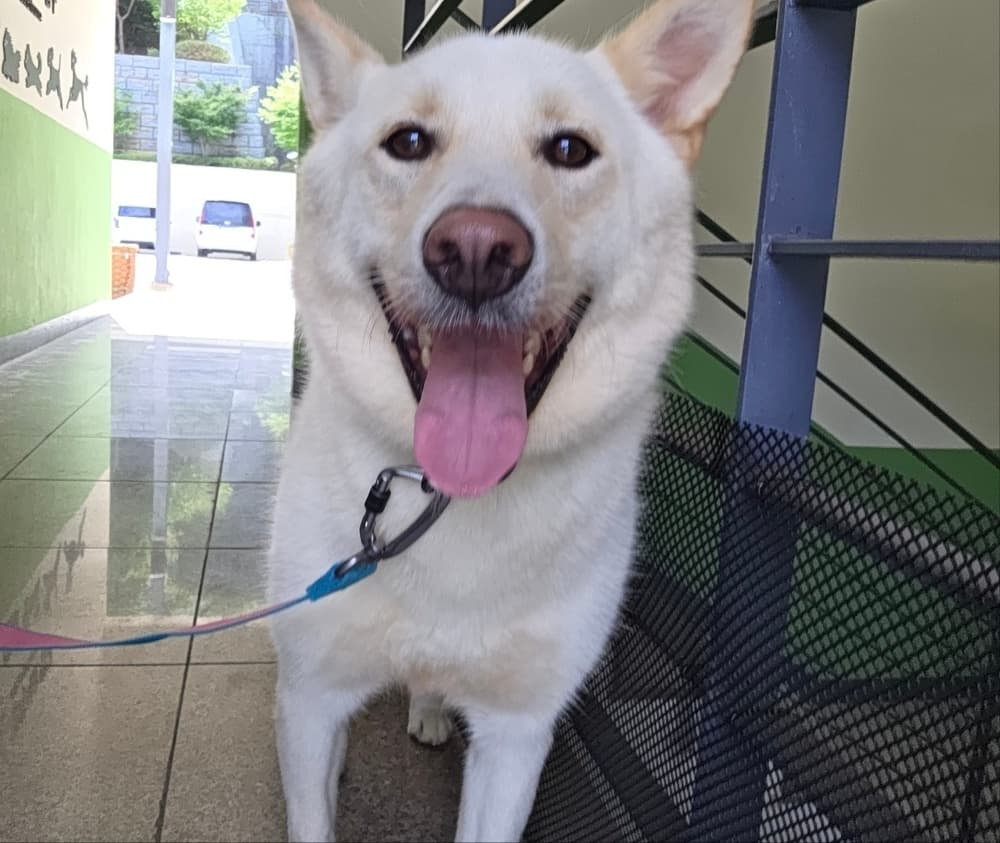
Showing 35 dogs
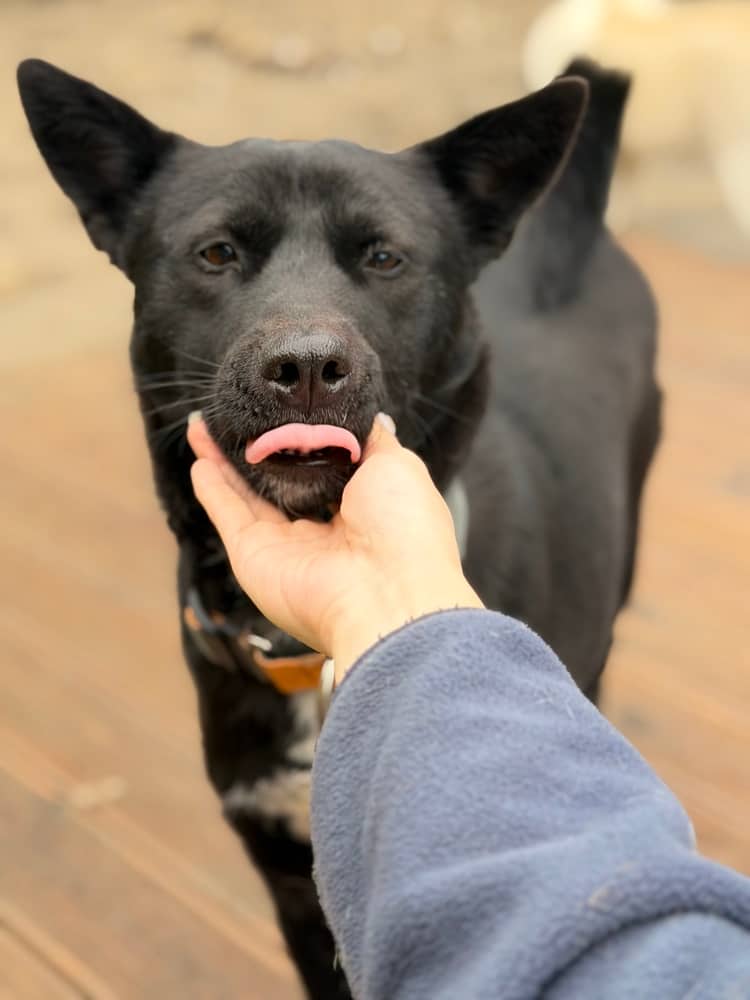
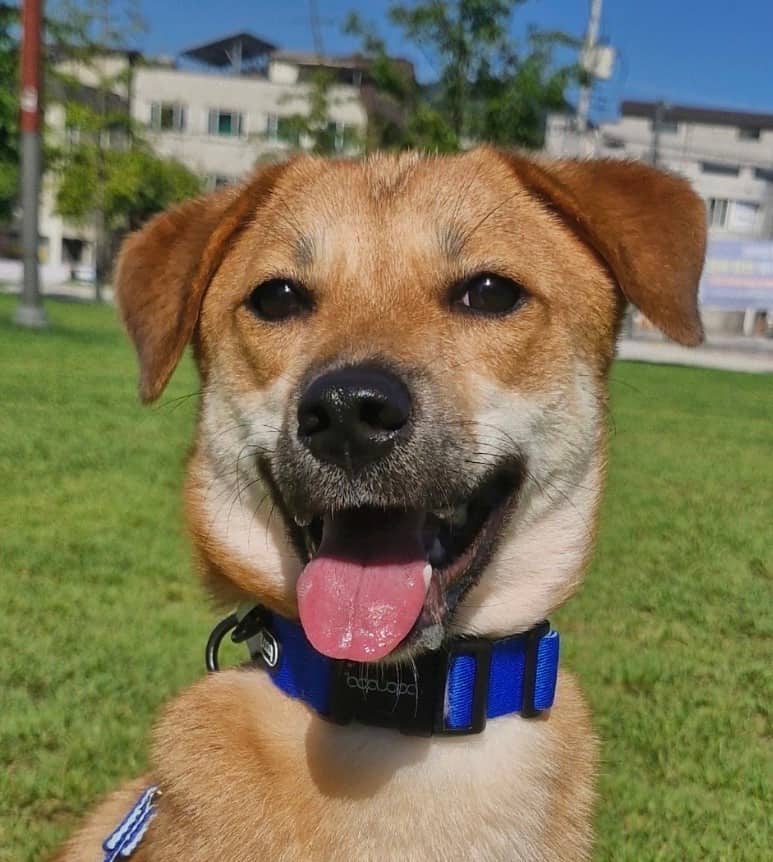
Cami
4.5 years • Jindo mix
Furever Freed Dog Rescue
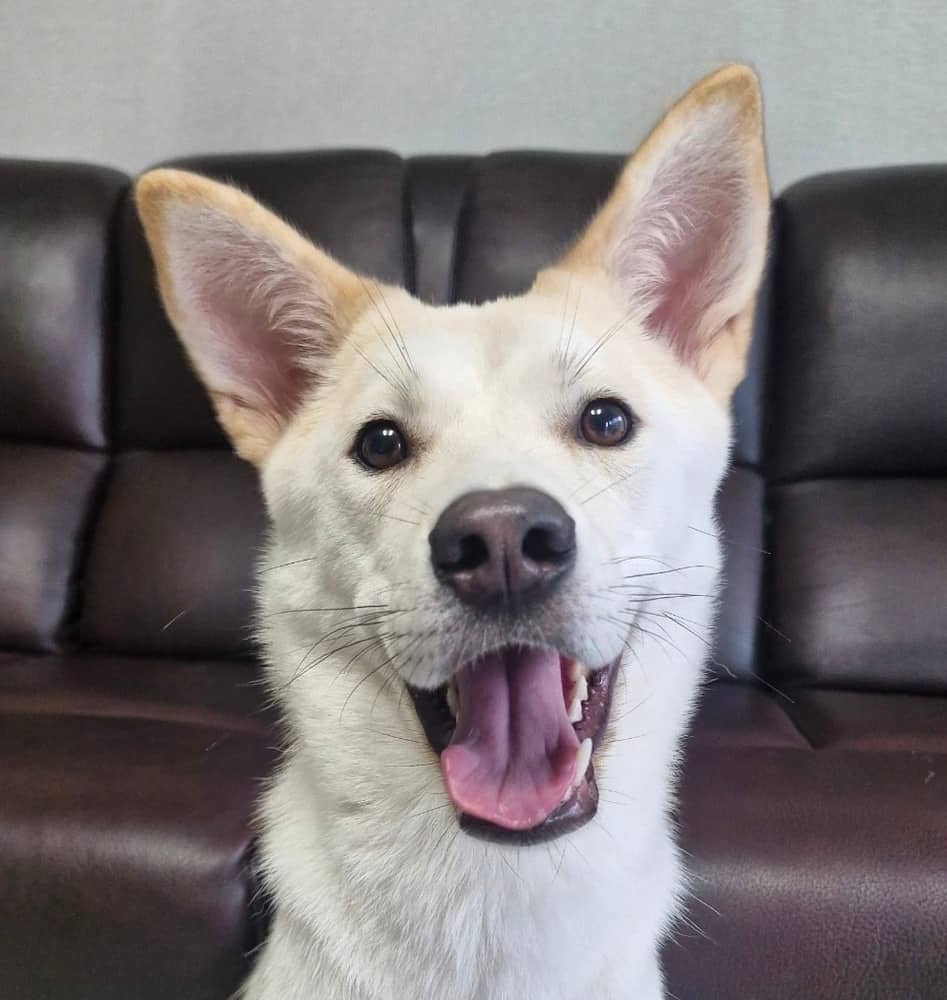
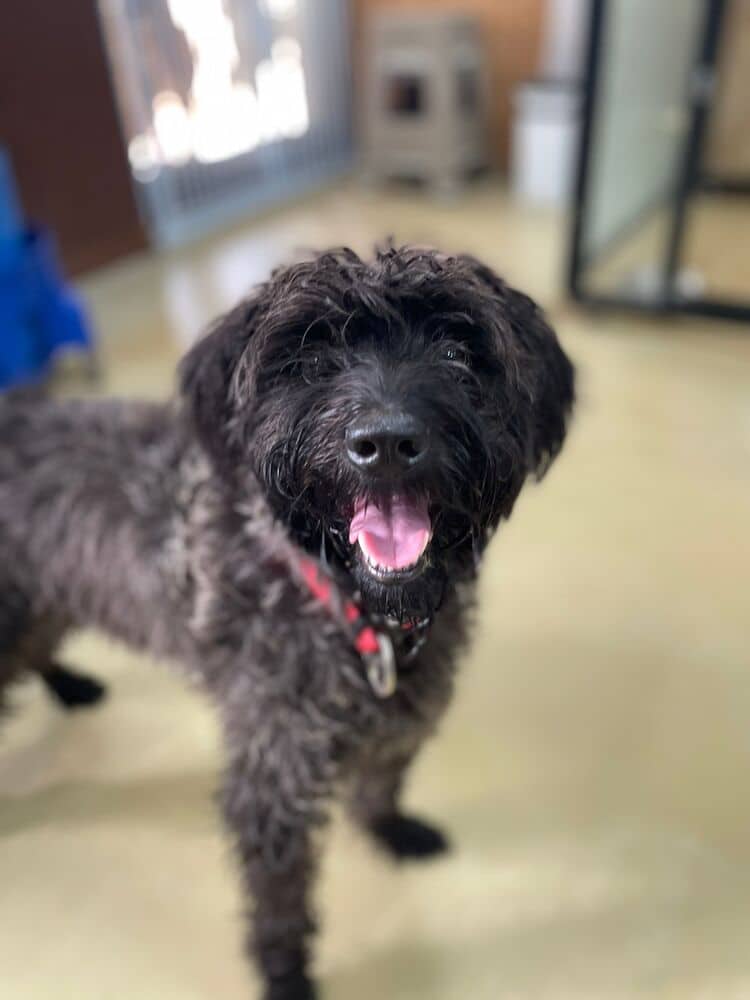
Manbok
22 months • Jindo/Chow Chow Mix
Furever Freed Dog Rescue
Get notified when a Jindo is listed
We will email you the moment a Jindo becomes available in British Columbia, from a rescue or an owner rehoming.
Adopting a Korean Jindo in British Columbia
The Korean Jindo is a medium-sized spitz breed and the national dog of South Korea, developed over centuries as a hunting and guarding dog on Jindo Island. At roughly 30 to 55 lbs with a dense double coat, prick ears and a curled or sickle tail, the Jindo is one of the most primitive breeds you will meet in rescue. Its temperament is often described as cat-like: fastidiously clean, reserved with strangers, fiercely devoted to one person or family, and profoundly independent. A Jindo is loyal, but it is not the eager-to-please, do-anything-for-a-treat companion a Labrador is, and adopters who expect that are often caught off guard.
This page pulls every adoptable Jindo and Jindo cross from the launched BC shelters into one searchable place, refreshed regularly. The Jindo is a rewarding dog for the right household and a genuinely difficult one for the wrong household, so the sections below are written to help you tell which you are before you apply.
How Jindos end up in BC rescue
Unlike most breeds on this site, Jindos are rarely bred in Canada. The great majority of Jindos in British Columbia arrive through Korean rescue import networks, many of them saved from the dog-meat trade and flown to BC fosters for adoption. That background is the single most important context for adopting one: a newly imported Jindo has often had little positive human contact, may be frightened of hands, leashes, stairs or vehicles, and needs a patient, quiet home and a genuine decompression period. The 3-3-3 rule (three days to settle, three weeks to find a routine, three months to feel at home) is not a slogan with this breed, it is the realistic timeline.
Because the pipeline is import-driven rather than local, availability is steady but never large, and the dogs are usually re-fostered in the Lower Mainland before adoption. Ask each rescue directly about the dog's history, how long it has been in foster, how socialised it is, and how it reacts to strangers, cats and other dogs. A Jindo that has spent two months with an honest foster is a far more known quantity than a fresh intake.
The escape-artist reality: prey drive and recall
The single most important practical fact about living with a Jindo is that they are athletic, high-prey-drive escape artists. Jindos climb fences, dig under them, slip poorly fitted collars, and bolt through open doors, and their recall is unreliable around cats, squirrels, rabbits and birds no matter how much training you put in. Experienced Jindo owners in BC treat the breed as a leash-and-secure-yard dog for life and never rely on off-leash recall in unfenced spaces, including the many off-leash trails around Metro Vancouver.
Plan for a securely fenced yard, ideally six feet with dig protection along the base, and a properly fitted martingale collar or a well-adjusted harness for every walk. A Jindo that gets loose can range a long way fast, so this is a lifelong management commitment, not a training project you graduate from.
A double coat on the wet coast
The Jindo's thick double coat handles BC cold easily, and Vancouver, Victoria and Nanaimo winters are no challenge for the breed. The wet coast is the one thing to plan around. A soaked double coat takes a long time to dry, so keep a towel routine at the door and consider a fitted rain shell for long rainy walks along the Seawall or through Pacific Spirit Park. Never shave a Jindo's coat, because the topcoat insulates against both cold and summer sun and shaving harms its function.
Jindos shed year-round and blow their undercoat heavily twice a year, usually spring and autumn, when it comes out in clumps for two to three weeks. Weekly brushing keeps it manageable most of the year and daily brushing gets you through a coat blow. In an Okanagan summer, treat the breed like any double-coated dog past 30 degrees: early-morning and after-dark walks, indoor cooling, and a careful eye for heat stress.
What a Jindo is actually like to live with
A well-matched Jindo is loyal, dignified, remarkably clean and low-fuss, and one of the most distinctive companions you can share a home with. The realistic parts to plan for:
- Independent, not biddable. Bred to work without close direction, the Jindo has unreliable off-leash recall and needs a handler who respects that rather than fighting it.
- One-family loyalty. Jindos bond hard to one or two people and stay aloof, sometimes standoffish, with everyone else. That is the breed working as designed, not a training failure.
- High prey drive. Cats, small dogs, squirrels and rabbits trigger a chase instinct that is very hard to train down, and many Jindos cannot safely live with cats.
- Dog-selective. Many Jindos are choosy about canine company and same-sex aggression is common, so a calm, neutral or opposite-sex companion works better than a pushy one.
- Fastidiously clean. Jindos self-groom, house-train quickly, and often dislike getting wet, which is worth knowing on the rain coast.
- Sensitive and slow to trust. Imported rescue Jindos in particular need patience, quiet, and force-free training, because corrections and pressure backfire.
- Escape artists. Fences, collars and open doors are all challenges to a Jindo, so secure fencing and a martingale are close to non-negotiable.
- Hardy and long-lived. As a landrace breed, Jindos commonly live 12 to 15 years with fewer inherited problems than many popular purebreds.
Health concerns worth asking the foster about
Jindos are generally a robust breed, but a few issues are worth raising with the foster. Hypothyroidism is the most common and it is treatable, so watch for weight gain, coat changes or lethargy and ask whether the dog has had thyroid bloodwork. Discoid lupus erythematosus, a skin condition sometimes called collie nose that affects the nose and face, turns up in the breed. Allergies, showing as itchy skin or recurring ear issues, appear in some dogs. Because many BC Jindos are imports with unknown early histories, ask for whatever medical records exist and budget for pet insurance taken out the week the dog comes home.
What the fee usually covers
Jindo adoption fees at BC rescues sit in the medium-dog range, sometimes higher with import rescues because of the quarantine, transport and full medical workup involved in bringing a dog from Korea. The fee typically covers spay or neuter, core vaccinations, microchip, deworming, and a vet check before placement. Confirm the exact number on the dog's own listing because it varies with the dog's history and any special medical care.
How to actually search
Use the filters to narrow by size (medium), energy (medium to high), and good with cats and other dogs (read the listing carefully, because prey drive varies and many Jindos are not safe with cats). Read the foster's notes on independence, recall, socialisation and stranger-reactivity, because those are the realities of the breed and an honest foster will spell them out. Apply the same day a dog fits. Foster homes will usually set up a video call before you drive across the Metro region or book a ferry, and a short clip of the dog meeting a stranger tells you more about temperament than any application form.
Looking more broadly? Browse every adoptable dog across the province on Dog Adoption British Columbia.
Jindo Adoption FAQ — British Columbia
Tap a question to expand
How many Jindos are available for adoption in British Columbia?▼
Where can I find Jindo adoption near me in British Columbia?▼
Are Jindos good with cats and other dogs?▼
Can a Jindo be off-leash in BC?▼
Are Jindos good for first-time owners or families with kids?▼
Do Jindos shed a lot and need much grooming?▼
How much does it cost to adopt a Jindo in British Columbia?▼
Is LocalPetFinder a Jindo rescue?▼
Can I get a Jindo free to a good home in British Columbia?▼
Are these Jindos for sale in British Columbia?▼
Where can I buy a Jindo in British Columbia, and should I?▼
Are there free Jindos in British Columbia, or jindos under $500?▼
Are there Jindo puppies in British Columbia, or only adults?▼
Where can I find a Jindo near me in British Columbia?▼
Popular dog breeds in British Columbia
Jindo adoption by city in British Columbia
Each city page lists only the jindos available from rescues serving that city, with local adoption details.
Need to rehome a Jindo?
If you can no longer keep your Jindo, you can list them for free on LocalPetFinder. Your dog stays in your home until you find the right family, you screen who applies, and there is no surrender fee. Not sure yet? Our guide to surrendering a dog in Canada walks through every option first.
List your dog for free →