Showing 2 dogs
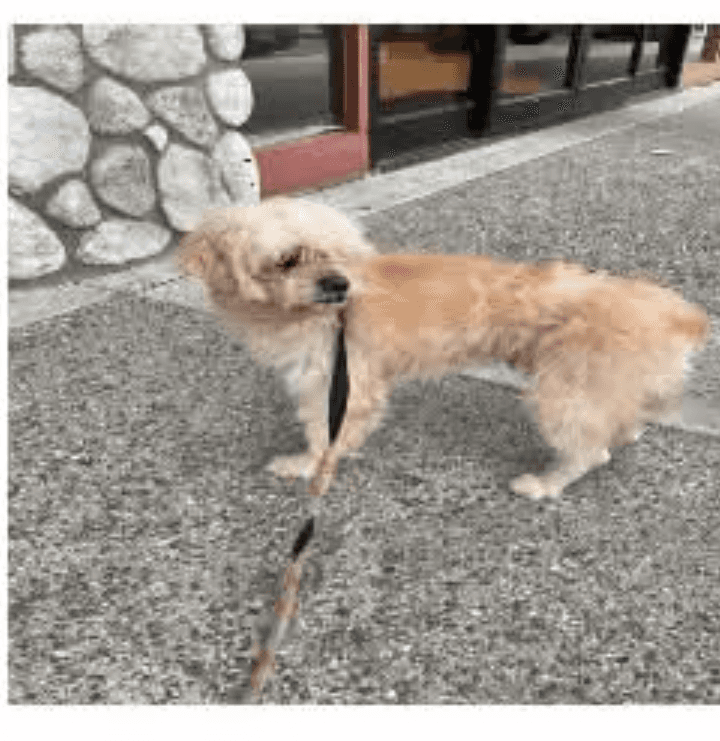
Cosmo
2 years • Maltepoo
Furever Freed Dog Rescue
Get notified when a Maltipoo is listed
We will email you the moment a Maltipoo becomes available in British Columbia, from a rescue or an owner rehoming.
Adopting a Maltipoo in British Columbia
Maltipoos reach British Columbia rescue occasionally rather than steadily, and a good share of them move through owner rehoming before they ever appear on a shelter floor. When one is listed in Vancouver or Victoria it tends to be spoken for within days, because a six to twelve pound dog is one of the few that clears the weight limits many strata councils set on pets. Setting an alert is more effective than checking back.
Most Maltipoos entering rescue here are adults between one and five years old, given up after a move, a change in work pattern, or the realisation that the coat needs professional attention every six weeks or so. Seniors turn up less often and are frequently the easier adoption, because the temperament has settled and the grooming routine is already established.
Walk a Maltipoo on a harness, never a collar
Tracheal collapse is the health issue that changes how you walk a Maltipoo. A collar pulling on the neck of a six to twelve pound dog can damage the windpipe permanently, so the breed should be walked on a Y-front harness for life and never on a collar. The warning sign is a dry honking cough that worsens with excitement or exertion, and it is worth raising with a vet early rather than treating it as a quirk.
Patellar luxation, where the kneecap slips out of its groove, is common in both parent breeds and ranges from an occasional skip in the gait to something needing surgery. Legg-Calve-Perthes disease, a degeneration of the hip joint seen in toy breeds, is less common but worth asking about if a rescue dog favours a back leg. Eyes are the third area to raise, since progressive retinal atrophy and cataracts both appear in Poodle lines.
Grooming, teeth, and what the coat actually costs
Both parents carry hair that grows continuously instead of shedding out, so matting is a certainty without upkeep. A professional groom every five to seven weeks is permanent rather than optional, and brushing three or four times a week at home is what keeps the legs and the area behind the ears from felting. Coat type varies by generation, with first-generation dogs inheriting unpredictably and F1B dogs more reliably curly, so an allergy-conscious household should meet the individual dog rather than trust the hypoallergenic label.
Dental disease is close to universal in small crowded mouths, and a Maltipoo arriving from rescue has often had no dental care at all. Budget for a cleaning under anaesthetic reasonably early and expect it to recur every year or two. Puppies under six months can also drop into hypoglycemia if a meal is missed, and the emergency response is to rub corn syrup on the gums, never to pour anything down the throat.
Size, energy, and the British Columbia climate
Maltipoos with a Toy Poodle parent reach roughly four to eight pounds and those with a Miniature Poodle parent nine to fifteen, with most rescue dogs landing between six and twelve. Parentage is frequently unknown in rescue, so adult size is estimated from body proportions at intake and the foster home is the right place to ask. Typical lifespan is twelve to fifteen years, which makes this a long commitment for a small dog. Energy needs are modest at roughly twenty to forty minutes of daily activity, which is why the breed suits apartments and condos. What they do not tolerate is being left alone for long stretches, and separation distress is one of the two reasons they most often reach rescue, the other being surprise at the grooming commitment.
Coastal damp is the practical coat problem in British Columbia, not cold. A wavy Maltipoo coat that goes back indoors wet will mat at the legs and armpits faster than the same coat in a dry climate, so a towel-and-brush habit after wet walks does more good than any product. Winters on the south coast are mild enough that heat loss is rarely the issue it is on the prairies, though a small dog still benefits from a coat in the Interior where temperatures drop properly.
Looking more broadly? Browse every adoptable dog across the province on Dog Adoption British Columbia.
Maltipoo Adoption FAQ — British Columbia
Tap a question to expand
How many Maltipoos are available for adoption in British Columbia?▼
Why does a Maltipoo need a harness instead of a collar?▼
How big do Maltipoos get?▼
How much grooming does a Maltipoo actually need?▼
How do Maltipoos handle the British Columbia coast?▼
How much does it cost to adopt a Maltipoo in British Columbia?▼
Can I get a Maltipoo free to a good home in British Columbia?▼
Are these Maltipoos for sale in British Columbia?▼
Where can I buy a Maltipoo in British Columbia, and should I?▼
Are there free Maltipoos in British Columbia, or maltipoos under $500?▼
Are there Maltipoo puppies in British Columbia, or only adults?▼
Where can I find a Maltipoo near me in British Columbia?▼
Popular dog breeds in British Columbia
Maltipoo adoption by city in British Columbia
Each city page lists only the maltipoos available from rescues serving that city, with local adoption details.
Need to rehome a Maltipoo?
If you can no longer keep your Maltipoo, you can list them for free on LocalPetFinder. Your dog stays in your home until you find the right family, you screen who applies, and there is no surrender fee. Not sure yet? Our guide to surrendering a dog in Canada walks through every option first.
List your dog for free →