The short answer
Border Collies are hardy and long-lived, with a few breed-specific conditions to know: Collie Eye Anomaly, hip dysplasia, epilepsy, and the MDR1 drug-sensitivity gene. The most important single point: MDR1 can make ordinary doses of some common medications dangerous, so test your dog or tell every vet it is a herding breed, and never medicate a BC without checking first. Several conditions have DNA tests, which is why breed-specific rescues and reputable breeders screen. This is general information, not veterinary advice. Build every plan with your own vet.
MDR1 is the Border Collie emergency to prevent. An MDR1-affected dog can have a severe neurological reaction to ordinary doses of certain common drugs, including some parasite treatments and sedatives. A simple cheek-swab test gives you the answer, and Washington State University's veterinary pharmacology lab is the reference source for the test and the drug list. Until you know, tell every vet your dog is a herding breed.
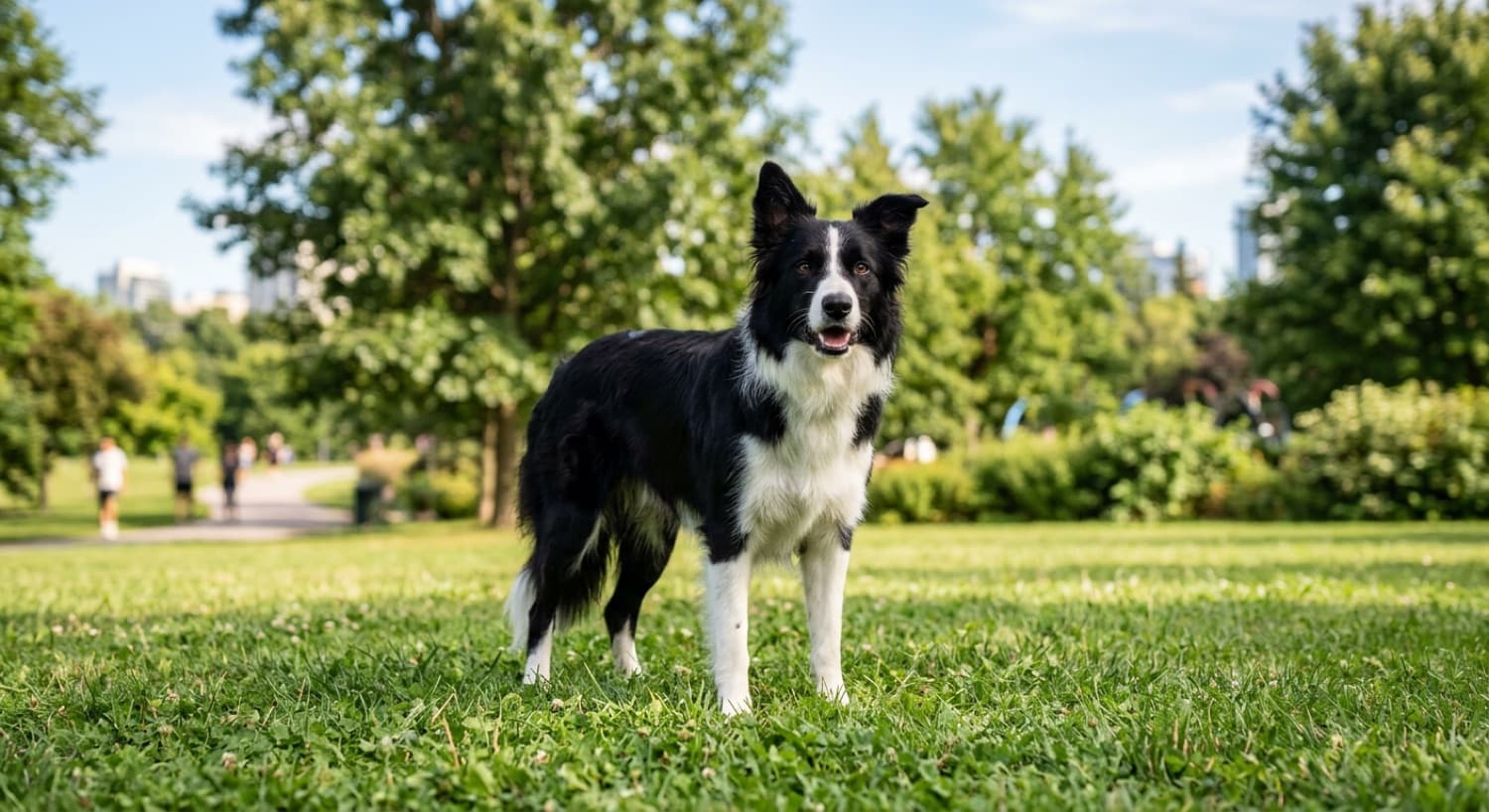
Here is the reassuring headline: Border Collies are one of the healthier, longer-lived working breeds, and much of what shortens some large dogs simply does not apply to them. The American Kennel Club and the Canine Health Information Center document the breed's recommended screening, which centres on eyes, hips, and genetic testing.
One note before the conditions: this article is general information, not a diagnosis or treatment plan. Every dog is different, and the right person to screen and care for your Border Collie is your own vet. Where this guide gives signs or ranges, treat them as a prompt to ask, not a substitute for the visit.
MDR1: the drug-sensitivity gene every owner must know
If you learn one thing about Border Collie health, make it this. MDR1 (also called ABCB1) is an inherited gene mutation common in herding breeds, including Border Collies, that changes how the body handles certain drugs. A dog with the mutation cannot clear specific medications from the brain normally, so ordinary doses of some parasite treatments, sedatives, anaesthetics, and other common drugs can cause serious, sometimes life-threatening, neurological reactions.
The fix is simple and cheap. A cheek-swab DNA test tells you whether your dog is normal, a carrier, or affected. Washington State University's veterinary clinical pharmacology lab developed the test and maintains the list of problem drugs, and it is the reference every vet trusts.
Until you have tested, treat your Border Collie as potentially affected. Tell every vet and every clinic it is a herding breed so they can choose and dose drugs cautiously, and never give a BC any medication on your own, including over-the-counter parasite products, without your vet's go-ahead. This one habit prevents the most avoidable serious emergency in the breed.
Collie Eye Anomaly (CEA)
CEA is an inherited eye condition affecting Border Collies and other collie-type breeds. It is present from birth, and parts of the eye do not develop normally. It ranges widely: mild forms never affect vision, while severe forms can cause retinal detachment and blindness. Because it is congenital and genetic, a DNA test and an eye exam by a veterinary ophthalmologist (ideally in puppies) identify it, which is why responsible breeders screen through the Orthopedic Foundation for Animals eye registry.
There is no cure, but most dogs with the mild form live completely normal lives, and knowing the status helps you monitor. If you adopted a Border Collie of unknown history, an eye check is worthwhile. Any sign of vision trouble, bumping into things or hesitance in dim light, warrants a vet visit and possible ophthalmology referral.
Hip dysplasia
Hip dysplasia occurs in Border Collies, though the breed's athletic, moderate build generally means less burden than in some larger breeds. It is an inherited malformation of the hip joint that leads to arthritis over time, and responsible breeders screen breeding dogs through the Orthopedic Foundation for Animals.
Signs are stiffness after rest, reluctance to jump, a bunny-hop gait in the back end, and slowing on walks. Here the Border Collie temperament is a trap: these dogs are so driven and stoic that they push through discomfort and hide it, so a BC that is slowing down deserves a look rather than the assumption it is just maturing. Keeping the dog lean is the most effective protection for the joints, and a vet can assess with an exam and imaging. If you adopted an adult, ask the rescue whether hips were ever imaged.
Epilepsy and seizures
Epilepsy is one of the neurological conditions seen in the breed, and inherited (idiopathic) epilepsy typically first appears in young adult dogs, often between about one and five years of age. A seizure can be alarming to witness: collapse, paddling, stiffening, drooling, and loss of awareness. The American Kennel Club has a plain-language overview of canine epilepsy.
If your dog has a seizure, stay calm, keep it safe from stairs and furniture, do not put anything in its mouth, time the episode, and call your vet. Treat a seizure lasting more than a few minutes, or clusters of seizures, as an emergency. Epilepsy is diagnosed by ruling out other causes, and many epileptic dogs are managed well long-term with medication under veterinary supervision and live full lives. This is a condition to manage with your vet, never with a home remedy.
Browse adoptable Border Collies in Winnipeg
Adopting an adult BC from a breed-specific foster home means you can ask about eyes, MDR1 status, and any known conditions before you commit. See the Winnipeg Border Collies available now.
See Available Border Collies →Rarer conditions and the behavioural side
A couple of rarer inherited conditions are worth naming because DNA testing avoids them. Neuronal Ceroid Lipofuscinosis (NCL) is a rare, fatal storage disorder in some BC lines, and Trapped Neutrophil Syndrome is another tested-for immune condition. For most adopters these are background rather than daily worries, because a rescue BC that has reached adulthood without symptoms will not develop them. They are the reason breed-specific DNA screening matters and why a reputable breeder or breed rescue beats an untested farm litter.
The health issue owners actually run into most is behavioural. The same intense brain that makes a Border Collie brilliant can tip into compulsive behaviours (shadow-chasing, spinning, tail-chasing, movement fixation) when the dog is bored or stressed. These are far more common in under-exercised dogs than well-worked ones, which is the whole argument for meeting a BC's needs. If your dog develops a repetitive behaviour it cannot be easily interrupted from, talk to your vet, and see our exercise and mental stimulation guide for the prevention side.
Vet costs and where to go in an emergency
Routine annual care for a healthy Border Collie runs into the low four figures a year in Winnipeg, and because the breed is relatively hardy, many owners avoid the big surgeries some breeds require. The costs to plan for are the DNA testing worth doing (MDR1 above all), eye screening, managing epilepsy if it appears, and any emergency. Pet insurance enrolled while the dog is young and healthy is worth considering, though be aware some already-known inherited conditions may be excluded. Get specific quotes from your own vet, since prices vary by clinic. Our low-cost Winnipeg vet guide covers affordable routine care.
For after-hours emergencies, Winnipeg has 24-hour options including the Winnipeg Animal Emergency Hospital on Pembina Highway and Bridgwater Veterinary Hospital. Program a number into your phone now. For a suspected drug reaction, bring the medication packaging. For specialist neurology, ophthalmology, or orthopaedic work, your vet may refer to a veterinary specialist, occasionally as far as Saskatoon, but the vast majority of BC care stays in the city.
Frequently asked questions
Are Border Collies a healthy breed?
Broadly yes, and it is one of the breed's real strengths. Border Collies are a hardy, long-lived working breed, typically 12 to 15 years, without the severe orthopaedic and cancer burden that shortens some large breeds. That said, hardy is not problem-free. The conditions to know are Collie Eye Anomaly (an inherited eye condition), hip dysplasia, epilepsy, and the MDR1 gene, a drug-sensitivity mutation that makes certain common medications dangerous for affected dogs. Several of these have DNA tests, which is why responsible breeders screen and why knowing your dog's status matters. This article is general information, not veterinary advice, so build any specific plan with your own vet. The biggest day-to-day health lever for a BC is actually meeting its mental and physical needs, not managing disease.
What is MDR1 and why does it matter for Border Collies?
MDR1 is the single most important thing to know about Border Collie health, because it can turn a routine medication into an emergency. MDR1 (also called ABCB1) is an inherited gene mutation common in herding breeds, including Border Collies, that affects how the body handles certain drugs. A dog with the mutation cannot clear specific medications from the brain normally, so ordinary doses of some parasite treatments, sedatives, and other common drugs can cause serious neurological reactions. A simple cheek-swab DNA test tells you your dog's status, and Washington State University's veterinary pharmacology lab is the reference source for the test and the drug list. If your Border Collie is untested, tell every vet it is a herding breed so they can choose drugs cautiously. Never medicate a BC with anything, including over-the-counter parasite products, without checking with your vet first.
What is Collie Eye Anomaly?
Collie Eye Anomaly (CEA) is an inherited eye condition affecting Border Collies and other collie-type breeds, present from birth, in which parts of the eye do not develop normally. It ranges from mild forms that never affect vision to severe forms that can cause retinal detachment and blindness. Because it is congenital and genetic, a DNA test and an eye exam by a veterinary ophthalmologist (ideally in puppies) identify it, which is why responsible breeders screen through the eye registries. There is no cure, but most affected dogs with the mild form live completely normal lives, and knowing the status helps you monitor. If you adopted a Border Collie of unknown history, an eye check is worthwhile, and any sign of vision trouble, bumping into things or hesitance in dim light, warrants a vet visit and possible ophthalmology referral.
Do Border Collies get hip dysplasia?
Yes, hip dysplasia occurs in Border Collies, though the breed's athletic, moderate build means it is generally less burdened than some larger breeds. Hip dysplasia is an inherited malformation of the hip joint that leads to arthritis over time, and signs include stiffness after rest, reluctance to jump, a bunny-hop gait behind, and slowing down. Responsible breeders screen breeding dogs through the Orthopedic Foundation for Animals. Because Border Collies are so driven and stoic, they push through discomfort and hide it well, so a BC that is slowing down deserves a look rather than the assumption it is just maturing. Keeping the dog lean is the most effective protection for the joints, and a vet can assess hips with an exam and X-rays. If you adopted an adult, ask the rescue whether hips were ever imaged.
Are Border Collies prone to epilepsy?
Epilepsy is one of the neurological conditions seen in the breed, and idiopathic (inherited) epilepsy typically first appears in young adult dogs, often between about one and five years of age. A seizure can look frightening: collapse, paddling, stiffening, drooling, loss of awareness. If your dog has a seizure, stay calm, keep it safe from stairs and furniture, do not put anything in its mouth, time the episode, and call your vet, and treat a seizure lasting more than a few minutes or clusters of seizures as an emergency. Epilepsy is diagnosed by ruling out other causes, and many epileptic dogs are managed well long-term with medication under veterinary supervision, living full lives. This is very much a condition to manage with your vet, not on your own. Do not attempt to treat seizures with any home remedy.
What is the neurological condition NCL in Border Collies?
Neuronal Ceroid Lipofuscinosis (NCL) is a rare but serious inherited neurological disease found in some Border Collie lines. It is a storage disorder that causes progressive neurological decline in young dogs and is ultimately fatal, with no cure. The reason to mention a rare condition is that a DNA test exists, so responsible breeders test to avoid producing affected puppies, and it is one of the tests worth asking about if you ever buy rather than adopt. For most adopters this is background knowledge rather than a daily worry, because a rescue BC that has reached adulthood without symptoms is not going to develop it. Still, it is part of why breed-specific DNA screening matters, and why a reputable breeder or breed rescue is worth choosing over an untested farm litter.
Do Border Collies have obsessive or anxiety behaviours?
Some do, and it is worth flagging alongside the physical conditions because it is one of the more common reasons BCs struggle. The same intense, focused brain that makes a Border Collie brilliant can tip into compulsive behaviours when the dog is under-stimulated or stressed: obsessive shadow- or light-chasing, spinning, tail-chasing, or fixating on movement. These are far more common in bored, under-exercised dogs than in well-worked ones, which is the whole argument for meeting a BC's mental needs. If your Border Collie develops a repetitive behaviour it cannot easily be interrupted from, talk to your vet, because it can have both a management side (more appropriate mental and physical work) and, in some cases, a medical or behavioural-medicine side. Prevention through enrichment beats treatment, which is covered in our exercise and mental stimulation guide.
How much do Border Collie vet bills cost in Winnipeg?
Routine annual care for a healthy adult Border Collie (wellness exam, vaccines, parasite prevention, good food) runs into the low four figures a year in Winnipeg, and because the breed is relatively hardy, many owners avoid the big-ticket surgeries some breeds require. The costs to plan for are the DNA testing worth doing (MDR1 in particular), eye screening, managing epilepsy if it appears (medication is an ongoing cost), and any emergency. Pet insurance enrolled while the dog is young and healthy is still worth considering, since it covers the unexpected, though be aware some inherited conditions may be excluded if already known. Get specific quotes from your own vet, since prices vary by clinic. Our low-cost Winnipeg vet guide covers affordable routine care and clinics.
Where do I take a Border Collie for an emergency in Winnipeg?
Know this before you need it. Winnipeg has 24-hour emergency options including the Winnipeg Animal Emergency Hospital on Pembina Highway and Bridgwater Veterinary Hospital, both of which handle after-hours and critical care. Program a number into your phone now and know the drive from home. The Border Collie emergencies most likely to come up are a prolonged or cluster seizure (an emergency), an adverse drug reaction in an MDR1-affected dog, and injuries from the high-drive activity the breed lives for. For a suspected drug reaction, bring the medication packaging with you. For specialist neurology, ophthalmology, or orthopaedic work, your Winnipeg vet may refer to a veterinary specialist, occasionally as far as the Western College of Veterinary Medicine in Saskatoon, but the vast majority of BC care stays right in the city.
Related Winnipeg guides
Border Collie Adoption Winnipeg
Hull's Haven, real costs, farm-collie surrenders, and the breed reality.
Border Collie Exercise & Mental Work
Why this breed needs a job, and how a bored BC self-destructs.
Adoptable Winnipeg Border Collies
Every available Border Collie and BC cross across Manitoba rescues.
Low-Cost Vet Winnipeg
Affordable routine care, clinics, and payment options.
New dog? Start with these care guides
Everything a new adopter needs to set up a safe, happy home.