The short answer
Golden Retrievers are rare in St. John's rescue and place within days, so patience and preparation win. Set listing alerts with the SPCA St. John's, and widen the search across Atlantic Canada Golden Retriever breed networks. SPCA fees run $200 to $375 by age; breeders charge $2,500 to $4,000, often shipped from the mainland with year-plus waitlists. The scarcity drives fake “Golden puppy for sale” and “free to good home” scams, so never send an e-transfer before meeting a dog. The defining health issue is cancer, so budget for insurance or a vet fund from day one. Stay flexible on seniors and mixes, apply same-day, and plan a wait measured in months.
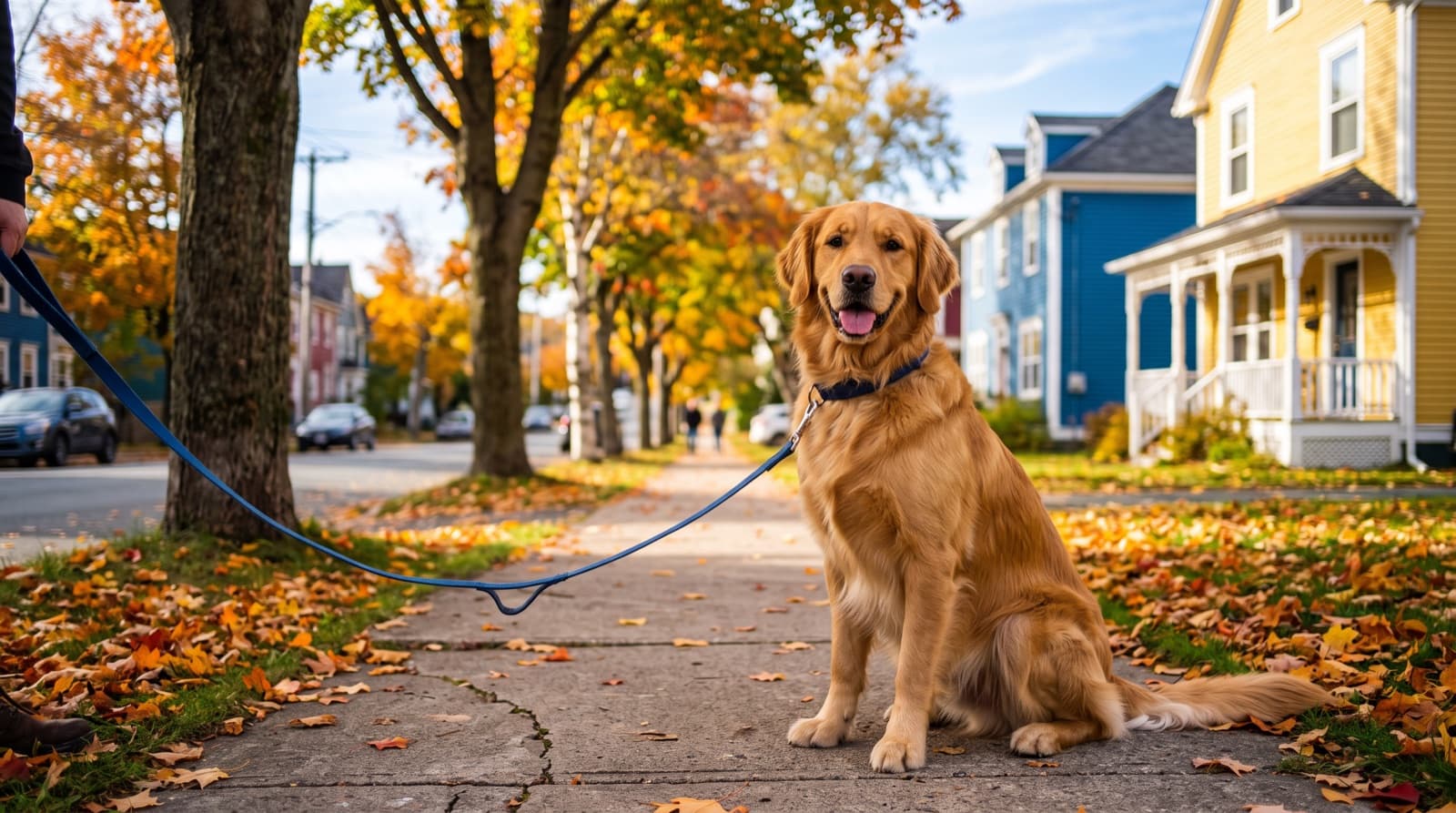
Why Goldens are rare in St. John's rescue
Golden Retrievers are one of the hardest dogs to adopt in St. John's, and it is not because they are difficult. It is because they are rare in rescue and place almost instantly when they do appear. The honest answer to “where are all the rescue Goldens?” is that there are barely any, and understanding why saves you months of frustration and protects you from scams.
- High demand. The Golden Retriever is consistently one of the most popular family dogs in Canada. Every rescue keeps an informal list of families who have said “call me the moment a Golden comes in.” When one lists, the applications pile up within hours.
- Forgiving temperament. The behaviour problems that push many breeds into surrender, reactivity, high prey drive, or escaping, are far less common in Goldens. A well-exercised Golden is famously easygoing, so fewer end up needing rehoming in the first place.
- Private rehoming. When a Golden genuinely needs a new home, the owner usually places it through friends, family, a workplace, or a breed network before it ever reaches a shelter. The dog is gone before a rescue could list it.
- A small island market. Newfoundland has fewer rescues and a smaller dog population than a mainland city, and there is no dedicated Golden rescue on the Avalon. The Goldens that do come through the SPCA St. John's tend to be seniors from owner life-changes, dogs with medical conditions, Golden mixes, and Goldendoodles from the pandemic-puppy wave. Young, healthy purebreds are the rarest of all.
This scarcity is the single most important fact for a St. John's adopter to accept. It shapes everything: how long you wait, how fast you apply, how flexible you stay, and how carefully you avoid the scams that prey on desperate Golden seekers. Go in expecting a quick adoption and you will get discouraged. Go in prepared and patient, and the right dog does come.
How to actually find a Golden in St. John's
Because purebred Goldens surface so rarely, the winning approach is a wide alert net across every St. John's and Atlantic Canada rescue you would consider. Do not wait for the perfect dog to appear on one site; be watching all of them.
- SPCA St. John's: the city's largest shelter and the most likely local source of a surrendered Golden or Golden mix. The centralised facility lets you meet a dog in person before applying, and staff produce medical and temperament notes. Adoption fees run $200 to $375 by age. Register for alerts and check the site often, because a Golden will not stay listed long.
- Golden mixes and Goldendoodles: these reach Newfoundland rescue more often than young purebreds, and they surface through the SPCA and smaller Avalon-area foster rescues. Staying open to a mix rather than holding out for a purebred is often what turns a year-long wait into a matter of months.
- Atlantic Canada rescues: widen your radius beyond the Avalon. A Golden might list at a rescue elsewhere in Newfoundland or on the mainland, and some Atlantic groups transport approved adoptions. Casting the net across the region, rather than limiting to city limits, is often what shortens the wait.
Be careful with any “breed-specific Golden rescue” you find online. A legitimate Golden-specific rescue serving Atlantic Canada may exist, but before you apply or send a single dollar, verify the group through the Canada Revenue Agency charity registry, look for a real address, a current adoptable-dog list, and a proper application and home-check process. A group that demands a deposit before you meet a dog, shows no registration, or lists no inventory is a warning sign. Reputable rescues never pressure you to pay fast.
One more piece of the plan: read our roundup of the best dog rescues in St. John's so your alert net covers every legitimate group in one pass, and browse current St. John's adoptable dogs now to see who is available today.
The scam problem: puppies for sale and “free to good home”
Golden scarcity plus high demand is a perfect breeding ground for fraud, and a small island market makes it worse because real breed rescue is so thin. When people cannot find a Golden through legitimate channels, they get impatient, and impatient buyers are exactly who scammers target. Two patterns show up constantly.
- The fake “Golden puppy for sale” listing. A Kijiji ad, a Facebook Marketplace post, or a polished website advertises Golden puppies, often priced suspiciously low, with adorable stock photos. The seller asks for an e-transfer deposit to hold a puppy or to cover shipping from the mainland to Newfoundland. Once you send it, the seller and the puppy vanish. The puppy never existed. The shipping angle is especially common here because buyers already expect that a mainland dog needs transport to the island.
- The “free to good home” hook. A Golden is offered free but requires a “rehoming fee,” a “vet transfer cost,” or a shipping charge paid up front. Same result: money out, no dog.
The rules that keep you safe are simple. Never send money by e-transfer before meeting a dog in person. Legitimate rescues let you meet the dog, use written adoption contracts, and collect the fee at or after pickup, not as an up-front deposit to a stranger. Be sceptical of any Golden priced far below the market, any seller who will not meet you, and any pressure to act fast. If it feels rushed, it is a scam.
The frustration that drives people into these traps is real. The antidote is the alert-net strategy above: when you know a legitimate dog will eventually reach you, you stop feeling desperate enough to gamble on a Kijiji e-transfer.
The Golden Retriever health reality
Goldens are wonderful dogs with one hard truth attached: cancer. The breed carries one of the highest lifetime cancer rates of any dog, and it is the leading cause of death in Goldens. The two most common types are hemangiosarcoma (an aggressive cancer of the blood-vessel lining, often affecting the spleen or heart) and lymphoma. This is not a reason to avoid the breed, but it is a reason to adopt with a real financial plan.
The Morris Animal Foundation Golden Retriever Lifetime Study has followed thousands of Goldens over their lives specifically to understand why the breed is so cancer-prone and what might reduce the risk. It is the most serious research effort on the subject, and it is worth reading before you adopt so you go in with clear eyes.
Beyond cancer, plan around these conditions:
- Hip and elbow dysplasia. Goldens are a large joint-heavy breed. Responsible breeders screen through the Orthopedic Foundation for Animals, but rescue dogs rarely arrive with that history, so watch for stiffness, limping, or difficulty rising and keep the dog lean.
- Subvalvular aortic stenosis (SAS). A heritable heart condition the breed is prone to. A vet can flag a heart murmur at the first exam and refer for a cardiac workup if needed.
- Hypothyroidism. Common in Goldens and easily diagnosed with bloodwork. Signs include weight gain, coat changes, and lethargy. It is manageable for life with inexpensive daily medication.
- Ear infections. Floppy ears plus a love of water trap moisture. Dry the ears after swimming and wet walks, and clean them on a routine to prevent recurring infections. The damp Avalon climate makes this a year-round habit, not just a summer one.
- Allergic skin disease. Goldens are prone to itchy skin and hot spots. A vet can build a management plan if it appears.
The practical takeaway: enrol in pet insurance in your first week, before any condition becomes pre-existing, or build a genuine emergency vet fund. Given the breed's cancer risk, the buffer needs to be real, in the range of several thousand dollars, not a token amount. St. John's has general clinics such as Avalon Animal Hospital for routine care, and referral or after-hours needs can go through The Veterinary Specialty Centre. To find a licensed local vet, the Newfoundland and Labrador Veterinary Medical Association maintains the provincial directory. For any Golden over six or seven, ask your vet for a baseline exam plus a senior bloodwork panel to establish a starting point.
Adopt vs buy: the honest numbers
The financial and ethical case for adopting a Golden is strong, even though the wait is longer than buying. Here is the real comparison for St. John's and Newfoundland.
- Rescue Golden: $200 to $375 at the SPCA St. John's depending on the dog's age, including spay or neuter, vaccinations, microchip, and a basic vet workup. Because Goldens rarely list here, most adopters wait or work Atlantic Canada breed networks, but when one appears at the SPCA the fee follows that age scale.
- Reputable breeder puppy: $2,500 to $4,000, often shipped from a mainland breeder to Newfoundland, with a waitlist that commonly runs a year or more. A responsible breeder health-tests the parents, which is genuine value, but the cost, wait, and transport are steep, and the puppy still needs all its early vetting.
- The scam “bargain”: a Golden puppy advertised at a few hundred dollars with a fast e-transfer deposit is not a deal, it is a fraud. There is no legitimate cheap Golden puppy shipping to the island.
Adopting is dramatically cheaper and it opens a home for a dog that needs one. The trade-off is honest: a rescue Golden often arrives without the parental health-testing history a breeder provides, and it may be older. For most St. John's families who want a Golden as a companion rather than for sport or breeding, the rescue path is the better answer. For a deeper breakdown of every cost involved, see our St. John's dog adoption costs guide.
One thing to confirm regardless of source: any rescue Golden should already be spayed or neutered as part of the fee. If you ever adopt or take in a dog that is not, our St. John's spay and neuter guide covers your low-cost options in the city.
Browse adoptable St. John's dogs and set your alerts
Goldens move within days when they list, and even faster in a small market. The adopters who win are watching every rescue at once and applying the same day. See who is available now and get your alert net in place.
See St. John's Adoptable Dogs →The first 30 days with a St. John's rescue Golden
Goldens move through the familiar 3-3-3 arc, three days to begin settling, three weeks to learn the routine, three months to fully bond, and the breed's easygoing nature often speeds it along. Our first week with a rescue dog guide covers decompression in detail. The Golden-specific priorities for month one:
- Book a baseline vet visit in the first two weeks. Establish records with a St. John's vet, and for any Golden over six or seven ask for a senior bloodwork panel given the breed's cancer risk. This is your starting point for everything that follows.
- Enrol in pet insurance in week one. Before any condition appears in the records and becomes pre-existing. For a breed with this cancer profile, early enrolment is one of the most valuable decisions you can make.
- Set the exercise routine. An adult Golden needs 60-plus minutes of daily activity. Split walks are easier than one long outing. The trails in Pippy Park and the coastal paths near the city are ideal, and most Goldens love the water on a warm day, so expect yours to make for the nearest pond or cove.
- Start the grooming habit. The double coat needs brushing several times a week and heavy brushing during the spring and fall coat blows. Dry the ears and feathering after swims and wet walks to head off ear infections, which matters especially in the damp Avalon air.
- Licence the dog with the city. The City of St. John's requires dogs to be licensed. Register in the first weeks and keep the tag on the collar; details are on the City of St. John's website.
- Verify the microchip registration. Confirm the chip is registered to your contact information. Most rescues handle the transfer, but check directly with the registry.
- Keep the routine predictable for the first two weeks. Same walks, same schedule, same quiet home. Save dog parks, big introductions, and travel for after week three, even with a social breed.
- Watch the winter feathering. St. John's winters suit the double coat well, but towel-dry after snowy walks and check for ice balling up in the leg and belly feathering. The wind and wet mixed with snow are the real weather challenge here, not the cold itself.
Around week three the routine settles and the real dog comes through. By month three the bond is solid, and a rescue Golden that waited a long stretch for the right Avalon home tends to settle into it with the gratitude the breed is known for.
Frequently asked questions
Where can I adopt a Golden Retriever near me in St. John's?
Golden Retrievers are rare in St. John's rescue, so cast a wide net rather than fixating on one shelter. Register for listing alerts with the SPCA St. John's, and widen the search across Atlantic Canada Golden Retriever breed networks (verify any through the Canada Revenue Agency charity registry), since a Golden may reach a rescue in another part of Newfoundland or on the mainland before one lists in the city. Purebred Goldens surface only occasionally, and when they do they are usually spoken for within days, so a same-day application matters more here than for almost any other breed. Golden mixes and Goldendoodles reach rescue more often than purebreds. Set alerts, apply the day a match lists, and expect a wait measured in months rather than weeks.
Why are Golden Retrievers so rare in rescue?
Goldens combine three traits that keep them out of rescue. They are one of the most popular family breeds in Canada, so demand is high. Their temperament is forgiving, which means the behaviour problems that push other breeds into surrender show up far less often. And when a Golden does need rehoming, the owner usually places it privately through friends, family, or a breed network before it ever reaches a shelter. On an island market like the Avalon, where breed-specific rescue is thin and inventory is small, the imbalance is sharper still. A rare purebred Golden that reaches the SPCA St. John's can pull dozens of applications in the first couple of days.
How much does it cost to adopt a Golden Retriever in St. John's?
The SPCA St. John's sets adoption fees by age, roughly $200 to $375, with puppies at the top of the scale and seniors at the bottom. Because Goldens rarely come through rescue here, most adopters either wait for one to list or work breed networks across Atlantic Canada, but when a Golden does appear at the SPCA the fee follows that same age scale. The fee covers spay or neuter, core vaccinations, microchip, deworming, and a basic vet workup. Compare that to a Golden puppy from a breeder at $2,500 to $4,000, often shipped from the mainland with a waitlist that runs a year or more. Budget an extra $200 to $400 in the first month for a baseline vet visit and, for any Golden over six or seven, a senior bloodwork panel given the breed's elevated cancer risk.
Is there a Golden Retriever rescue in Newfoundland?
There is no dedicated Golden Retriever rescue based in St. John's, and you should be cautious of any group that suddenly claims to be one. A legitimate breed-specific rescue serving Atlantic Canada may exist, but verify it through the Canada Revenue Agency charity registry before you send any money, and look for a real address, a current list of adoptable dogs, and a proper application and home-check process. Because Goldens are in such demand, real breed rescues carry long waitlists and never rush you. A group that asks for a deposit before you have met a dog, shows no charitable registration, or lists no actual inventory is a red flag. For a small island market, the SPCA St. John's is the more reliable starting point, alongside verified Atlantic Canada breed networks.
What are the most common Golden Retriever scams in St. John's?
Two scams dominate, and both are worse in a small market where real breed rescue is thin. The first is the fake “Golden puppy for sale” listing on Kijiji, Facebook Marketplace, or a slick website, often priced suspiciously low, that asks for an e-transfer deposit to hold the puppy or ship it from the mainland to Newfoundland. The puppy does not exist. The second is the “free to good home” Golden that requires a “rehoming fee” or shipping cost paid up front. Legitimate rescues and responsible owners let you meet the dog, never demand payment before contact, and use written adoption contracts. If a Golden is priced far below the market, offered without a meeting, or the seller pushes for a fast e-transfer, walk away.
How long is the wait to adopt a Golden Retriever in St. John's?
Realistically, months, and often longer than on the mainland because the island inventory is smaller. Purebred adult Goldens are one of the hardest breeds to adopt in Newfoundland because demand vastly outstrips supply. Some adopters wait six months to a year for the right purebred. You shorten the wait meaningfully by staying flexible: consider a senior Golden, a Golden mix, or a Goldendoodle, all of which reach rescue more often than young purebreds. Set alerts with the SPCA St. John's, widen the search across Atlantic Canada breed networks, keep your application materials ready to submit instantly, and treat the search as a patient campaign rather than a quick errand.
What health problems do Golden Retrievers have?
Cancer is the defining Golden Retriever health issue. The breed carries one of the highest lifetime cancer rates of any dog, with hemangiosarcoma and lymphoma the most common types. The Morris Animal Foundation Golden Retriever Lifetime Study has followed thousands of Goldens to understand why. Beyond cancer, Goldens are prone to hip and elbow dysplasia, subvalvular aortic stenosis (a heart condition), hypothyroidism, allergic skin disease, and ear infections from their floppy ears. None of this should scare you off the breed, but it should shape your budget: build a real emergency vet fund or enrol in pet insurance from day one, before any condition becomes pre-existing.
Are Golden Retrievers good with kids and other pets?
Goldens are one of the best family breeds for exactly this reason. They are patient, gentle, and social with children, other dogs, and usually cats when introduced properly. It is a large part of why they are so popular and so rarely surrendered for behaviour. The caveats are individual and physical: a young Golden is big and bouncy and can knock over a toddler by accident, and a dog with an undiagnosed painful condition may be less tolerant. A rescue will assess each dog in its care and flag any concerns, so read the foster or shelter write-up and supervise early interactions with young children.
Do Golden Retrievers handle St. John's winters?
Very well. Goldens have a dense water-repellent double coat built for cold and wet, and most love snow. A healthy adult Golden happily walks the trails in Pippy Park or the East Coast Trail through a St. John's winter with no coat needed, and the breed genuinely thrives in the wind and damp that define the Avalon. Watch for ice balling up in the feathering on the legs and belly, and towel-dry after wet walks so the skin and floppy ears do not stay damp, which raises ear-infection risk. Goldens also love water, so expect yours to want the harbour, ponds, and coves in warmer months. The bigger seasonal job is spring and fall, when the double coat blows and daily brushing keeps the shedding manageable.
Should I adopt a senior Golden Retriever?
For many St. John's households, a senior Golden is the fastest and most rewarding path. Because most adopters chase young purebreds, senior Goldens (eight and up) wait longer and sit at the lower end of the SPCA age-based fee scale, yet they are often the gentlest, most settled companions available. The trade-off is honest: a senior Golden carries higher near-term vet costs, and the breed's cancer risk means you should adopt with clear eyes about a potentially shorter time together. Ask the rescue for recent bloodwork and a full medical history. If you can offer a calm home and are ready for senior care, a rescue senior Golden is one of the most grateful dogs you will ever meet.
How do I make my Golden Retriever adoption application stand out?
With so many applications per Golden, specificity wins. Have everything ready before a dog lists: vet references for any current pets, written landlord or condo approval if you rent, two personal references, and a short, honest summary of your daily schedule and exercise plan. In the application, show you understand the breed's real needs: 60-plus minutes of daily exercise, regular grooming, and a plan for the breed's cancer and joint risks including a vet fund or insurance. A vague “we love Goldens” loses to “we walk daily, we have insurance lined up, and one of us is home most of the day.” Apply the same day the dog appears.
Related St. John's adoption guides
St. John's Adoptable Dogs
Current St. John's-area listings, including the occasional Golden Retriever, Golden mix, and Goldendoodle. Set alerts and apply the same day a match appears.
Best Dog Rescues in St. John's
Every legitimate St. John's-area rescue in one place, so your alert net covers the full field when a rare Golden lists.
St. John's Dog Adoption Costs
Adoption fees, first-month vet costs, and the real ongoing budget for a large breed like a Golden in St. John's.
First Week With a Rescue Dog
The 3-3-3 decompression plan and a day-by-day routine for settling a newly adopted St. John's rescue dog.
Find your St. John's rescue Golden
Goldens are rare and place fast. Browse current St. John's-area listings, set alerts across every rescue, and be ready to apply the same day the right dog appears.
Browse All St. John's Dogs →New dog? Start with these care guides
Everything a new adopter needs to set up a safe, happy home.