The short answer
SPCA St. John's SNAP program: dog neuter $140, dog spay $220 to $380 by weight, microchip $25 extra. Eligibility is income tested at $25,000 for a single-income household and $40,000 for a family. Pets must be six months or older. Surgeries are performed at Avalon Animal Hospital on Logy Bay Road, but all bookings go through the shelter at (709) 726-0301. Most rescue dogs adopted in St. John's are already done, so check first.
Heads up: This is general information, not veterinary advice. Timing, anaesthetic risk, and pre-surgical bloodwork are decisions for your own vet, who knows your dog. Prices and eligibility below reflect published program information as of July 2026 and can change.
Spaying and neutering is the single most predictable veterinary expense a dog owner faces, and in St. John's it is also one of the few with a genuine subsidy attached. That matters, because cost is the reason most unaltered dogs stay unaltered, and unplanned litters in a province with limited shelter space create the exact problem the local rescues spend their year absorbing.
The health case is well established. The Canadian Veterinary Medical Association supports spaying and neutering while stressing that the right timing is an individual decision made with your own vet. That is worth holding onto, because the internet has strong opinions about age that do not account for your dog's breed or size.
Start with the simplest question: has it already been done? SPCA St. John's alters every animal before adoption, and it was the first shelter in Newfoundland and Labrador to adopt that policy. If your dog came from there, this article is background reading rather than a to-do list.
What It Costs
| Procedure | SNAP price | Notes |
|---|---|---|
| Dog neuter | $140 | Flat price |
| Dog spay | $220 to $380 | Varies by weight |
| Cat neuter | $100 | For households with both |
| Cat spay | $180 | For households with both |
| Microchip | $25 | Add-on, worth doing at the same time |
| Private clinic, no subsidy | Quote by weight | Not publicly listed here, phone for a quote, plus 15% HST |
SNAP pricing and eligibility as published by SPCA St. John's in July 2026.
How the SNAP Program Works
1. Check eligibility. Income thresholds are $25,000 annually for a single-income household and $40,000 for a double-income or family household. Pets must be at least six months old; anything under five months is declined automatically. Animals aged seven and up may not qualify because older surgeries need extra care.
2. Apply and send proof. Complete the form on the SPCA website or phone the shelter. Proof of income has to follow within 24 hours, so have it ready before you start rather than scrambling afterwards.
3. Wait for review. Roughly three to five business days.
4. Pay and book. Payment comes on approval, then the surgery is scheduled. The wait for a slot depends on demand, so apply earlier than you think you need to.
5. Turn up at the right building. The surgery happens at Avalon Animal Hospital on Logy Bay Road. The booking, the questions, and the paperwork all live with the shelter. Contact the coordinator at snapspca@spcastjohns.org or (709) 726-0301.
If You Do Not Qualify
Phone three clinics and ask for a spay or neuter quote by your dog's weight. Prices vary between practices more than people assume, and every clinic will give you a number over the phone. The Newfoundland and Labrador Veterinary Medical Association maintains a directory of clinics across the province if you are not sure who is near you.
Ask what is included when you get each quote. Pre-surgical bloodwork, IV fluids, pain medication to go home with, and an e-collar are sometimes bundled and sometimes billed separately, and a cheaper headline price with three add-ons is not cheaper. Ask about payment plans too. Many practices offer them and few advertise it.
If cost is the reason you are considering giving up a dog rather than getting one fixed, read our rehoming guide first. It covers the local support that sometimes means you can keep the dog after all.
Recovery Week, Realistically
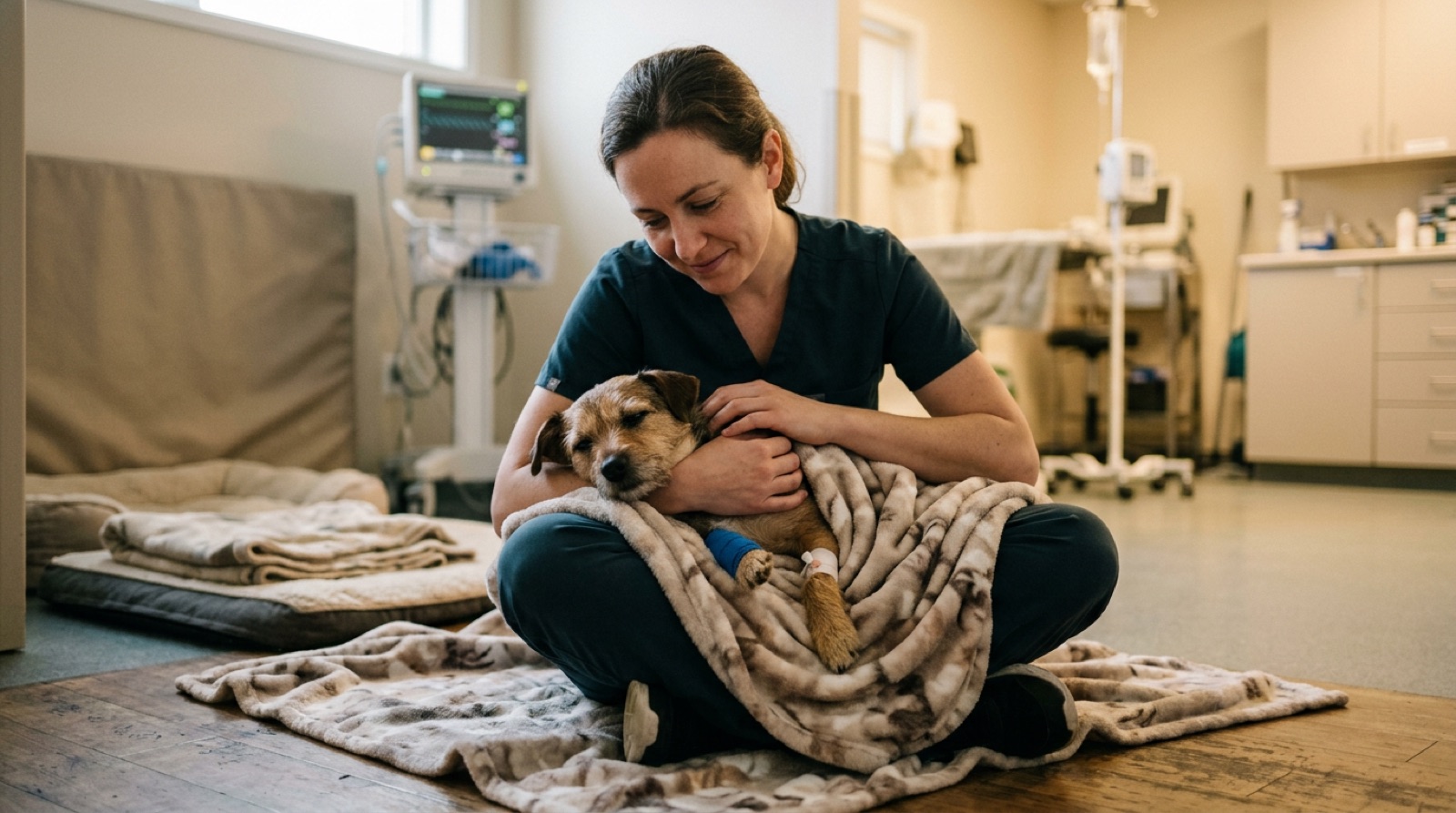
Days 1 to 2. Grogginess, a wobbly walk, possibly no appetite the first evening. Keep the house quiet and the dog confined somewhere warm. Leashed toilet breaks only.
Days 3 to 7. Your dog feels better than the incision does, which is the dangerous part. This is when dogs jump onto sofas and split stitches. Hold the line on restriction even when they look fine.
Days 8 to 14. Continue restricted activity until your vet says otherwise. Recheck appointments, if scheduled, happen in this window.
The cone stays on. A dog who licks an incision can undo a healthy repair in an afternoon. If your dog is genuinely miserable in a hard cone, ask about a soft cone or a recovery suit rather than removing it.
Keep it dry. No baths, and in a city that produces rain, drizzle, and fog on repeat, that means towelling off properly after every short walk. Skip the puddles on the Rennie's River trail until you are cleared.
Call the Vet If You See This
Do not wait until morning for any of these:
- Swelling around the incision that is getting worse rather than better
- Bleeding, discharge, or an incision that has opened
- A bad smell from the surgical site
- Refusing food beyond the first 24 hours, or repeated vomiting
- Lethargy, obvious pain, or a distended abdomen well after the anaesthetic should have worn off
If it happens overnight, our emergency vet guide covers where the after-hours coverage actually is in the St. John's area and when it runs.
Browse adoptable St. John's dogs
Most rescue dogs here arrive already spayed or neutered, which takes the largest predictable vet bill of year one off your plate entirely.
See Available St. John's Dogs →Frequently Asked Questions
How much does it cost to spay or neuter a dog in St. John's?+
Who qualifies for the SNAP program?+
How do I apply for SNAP?+
Where does the surgery actually happen?+
What is included in the SNAP price?+
Does my rescue dog already need this?+
At what age should a dog be spayed or neutered?+
What are the health benefits?+
What does recovery look like?+
When should I call the vet after surgery?+
Does the weather here affect recovery?+
Will neutering fix my dog's behaviour?+
Related St. John's Guides
Looking for a Dog?
Browse rescue dogs available across the St. John's area, most of them already vetted and altered.
Browse Available St. John's Dogs →Spay & Neuter Cost Across Canada
What the surgery costs by province, what subsidised clinics charge, and how to find one near you.
New dog? Start with these care guides
Everything a new adopter needs to set up a safe, happy home.