The short answer
Malamutes come through Toronto-area rescue regularly (breed-specific northern rescues are the best source), with fees $150 to $700-plus. They are affectionate, loyal, family-loving dogs for experienced owners, but the wolf-like looks hide real demands: a large, powerful build, heavy shedding, high exercise needs, an independent stubborn streak, a high prey drive (often unsafe with cats), and escape-and-dig talents (never off-leash unfenced). They love Toronto winters and need cool-hour summer exercise. Not a first dog. Adopt through a breed-savvy rescue that matches temperament to home. Browse adoptable Toronto dogs.
A powerful working dog with a soft heart
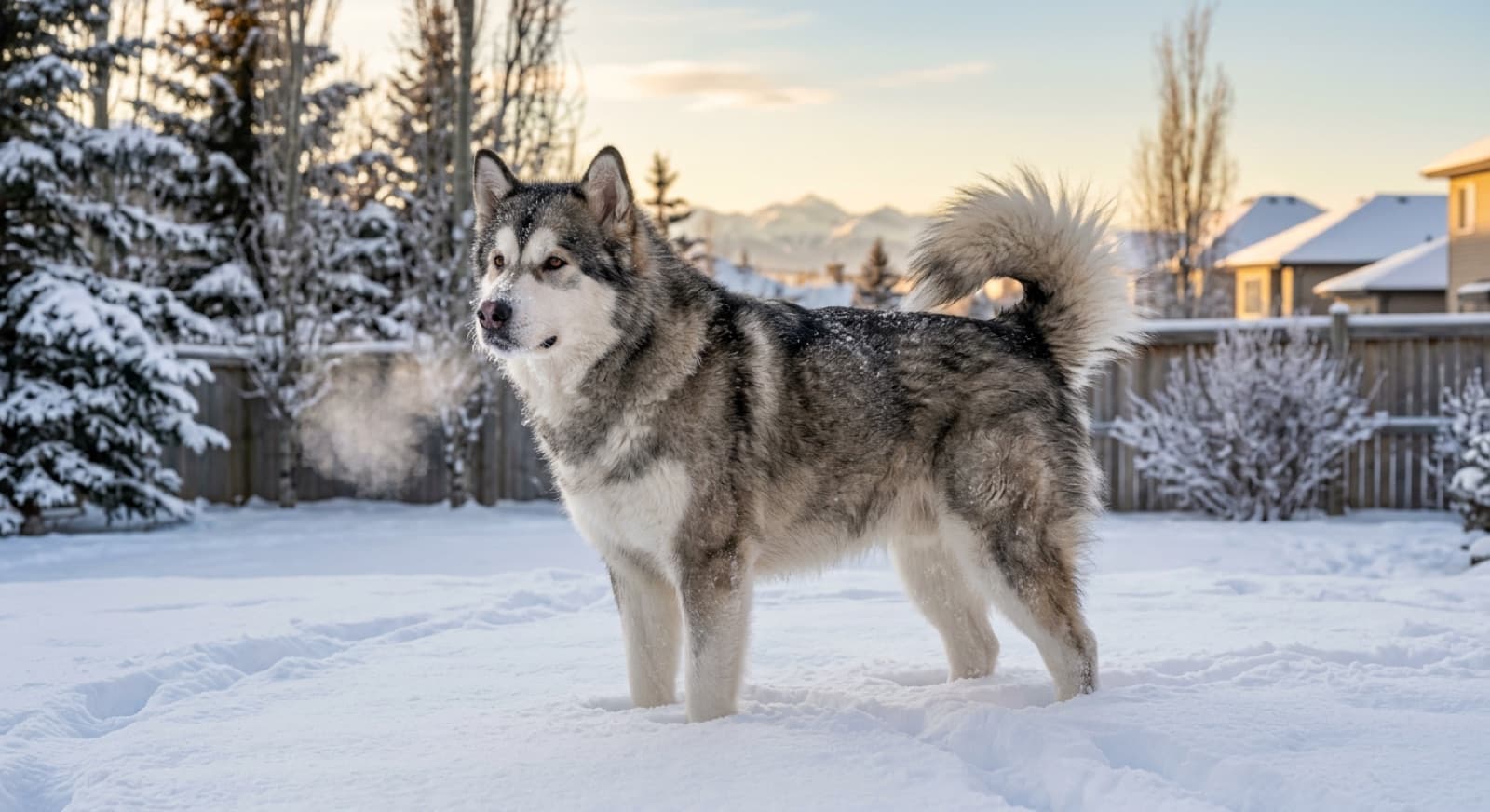
The Alaskan Malamute was bred to haul heavy freight over long Arctic distances, and that heritage defines the dog: powerful, hard-working, and enduring, but also, and this surprises people, deeply affectionate, friendly, and pack-oriented, with a genuine love of their family. They are typically gentle and good-natured with their people, including children. But the same working heritage brings serious demands: they are large and strong, shed heavily, need substantial exercise, are independent and stubborn (making training a patient project), have a high prey drive that can make them unsafe with cats and small animals, and are talented escape artists. This is a breed for experienced owners who understand northern dogs, not casual first-timers. For a prepared home, a Mal is a magnificent, devoted companion. The Canadian Kennel Club describes the breed's affectionate, dignified nature, and a good rescue will be honest about a dog's temperament.
The realities: size, fur, prey drive
Several realities land Malamutes in rescue when owners are unprepared. Size and strength: this is a 75-to-100-plus-pound dog powerful enough to pull hard and, if bored, do real damage. The coat: a thick double coat that sheds heavily year-round and blows dramatically seasonally, a genuine lifestyle factor. Exercise: an hour or two of real daily activity plus mental work, or the dog becomes destructive. Prey drive: high enough that many Malamutes are not safe with cats or small animals, and they can show same-sex dog aggression. And escape-artistry: they dig and climb, so secure fencing and on-leash-only exercise are essential. People also confuse them with Huskies, our Malamute-vs-Husky guide sorts that out, and our health guide covers the medical side.
Costs and getting started
Malamutes are legal everywhere in Ontario with no breed restrictions, but they need an experienced, active owner and secure space far more than paperwork. Adoption fees run $150 to $700-plus (spay or neuter and shots included) versus a breeder's $1,500 to $3,000-plus, but the real cost is the large-breed lifetime expense: food, pricier medications and procedures, grooming the heavy coat, secure fencing, and the risk of costly conditions like hip dysplasia and bloat (our cost guide helps). Adopt through a knowledgeable rescue that will match you with a Mal suited to your experience and home, and go in prepared. See the breed page for adoptable Malamutes near Toronto.
Browse adoptable Alaskan Malamutes in Toronto
Malamutes and Mal mixes from Toronto-area shelters and rescues, with foster notes on temperament, prey drive, and history.
See Available Alaskan Malamutes →Frequently Asked Questions
Where can I adopt an Alaskan Malamute in Toronto?
Malamutes and Mal mixes turn up in Toronto-area rescue fairly regularly, often surrendered when owners underestimate the size, strength, shedding, exercise needs, or independent temperament. Check the City of Toronto Animal Services, the Toronto Humane Society, foster-based and large-breed rescues, and, most usefully, breed-specific Malamute or northern/sled-dog rescues, which are often the best source and understand the breed deeply. Malamutes and Huskies are frequently confused, so read listings carefully. LocalPetFinder aggregates adoptable Toronto-area dogs in one place. Because this is a demanding breed, adopting through a rescue that evaluates temperament and is honest about a dog’s prey drive, escape history, and energy is a real advantage, they will help match you with a Mal suited to your home and experience level.
Are Alaskan Malamutes good family dogs?
For the right, experienced family, yes, Malamutes are affectionate, loyal, friendly, and famously good-natured, and they typically love their people, including children, with whom they are usually gentle and patient (though their sheer size and strength mean interactions with small kids should be supervised). They are pack-oriented and enjoy being part of family life. But "the right family" is a real qualifier: this is a large, powerful, high-energy working breed with heavy shedding, substantial exercise needs, a strong independent streak that makes training a patient project, and a high prey drive that can make them unsafe with cats and small animals. They can also be same-sex dog-aggressive. Malamutes suit experienced owners with time, space, and an understanding of northern breeds, not first-time owners or those wanting an easy, biddable pet. For a prepared family, a Mal is a magnificent, devoted companion.
What’s the difference between an Alaskan Malamute and a Siberian Husky?
They are often confused but are genuinely different breeds. The Malamute is bigger and heavier (typically 75 to 100-plus pounds), built for hauling heavy freight over distance with power rather than speed, while the Husky is smaller and lighter (35 to 60 pounds), bred for fast sled-pulling. In temperament, both are friendly, independent northern breeds, but Malamutes tend to be a bit more dignified and stubborn while Huskies are often more energetic and mischievous. Both shed heavily, both have strong prey drives, both are escape artists, and both are challenging to train, so neither is an easy first dog. Appearance-wise, Malamutes usually have brown eyes (never blue, unlike some Huskies) and a stockier build. If you are choosing between them or unsure which a rescue dog is, our dedicated Malamute-vs-Husky guide breaks down the differences in detail to help you pick the right fit.
Why do Alaskan Malamutes end up in rescue?
Almost always because owners underestimated the breed. The magnificent, wolf-like appearance draws people who are not prepared for the reality: a large, powerful dog with relentless heavy shedding, high exercise needs, an independent and stubborn temperament that resists obedience training, a very high prey drive (often unsafe with cats and small pets), a talent for escaping and digging, and sometimes same-sex dog aggression. When the size, energy, fur, and training challenges set in, some owners surrender. The breed’s striking looks and popularity (fueled partly by media and by confusion with Huskies) also drive impulse purchases and backyard breeding. A rescue Malamute is usually a wonderful, affectionate dog whose owners simply were not ready for the commitment, and an experienced, active, prepared home is exactly what it needs to thrive.
How much does it cost to adopt and keep an Alaskan Malamute in Toronto?
Adoption fees run the usual Toronto ranges: roughly $150 to $400 at municipal animal services and $300 to $700 or more at rescues (breed-specific rescues sometimes a bit higher), with spay or neuter, vaccines, and a vet check included, well below a breeder’s $1,500 to $3,000-plus. But the real cost is the ongoing large-breed expense: Malamutes eat a lot, large-breed medications and vet procedures cost more, grooming that heavy double coat takes time (and professional grooming, if used, is pricier for the size and coat), and they are prone to costly conditions like hip dysplasia and bloat. Budget generously for food, vet care, secure fencing, and a large-dog cushion, and consider pet insurance taken out while the dog is young. Our Toronto cost guide has the full picture; a Malamute is a significant financial and lifestyle commitment.
How much exercise does an Alaskan Malamute need?
A lot, Malamutes are a powerful working breed bred to haul heavy loads over long Arctic distances, and they need substantial daily exercise to stay physically and mentally healthy. Plan on at least an hour or two of real activity a day: long walks, hiking, running, and, ideally, activities that let them pull or work (many love pulling a cart, skijoring, or carrying a pack), plus mental stimulation, since they are intelligent and bore easily. A bored, under-exercised Malamute is a recipe for destruction, digging, escaping, and frustration, they are strong and determined enough to do real damage. Two Toronto-specific notes: their heavy coat means summer exercise must happen in the cool hours to avoid overheating, while they absolutely thrive in winter and love the cold and snow. Given their prey drive and escape skills, always exercise on-leash or in secure fencing, never off-leash in an unfenced area. For an active owner, the Mal’s work ethic is a joy; for a sedentary one, it is a serious mismatch.
Alaskan Malamute Health Issues: Joints, Skin
Alaskan Malamute health issues to plan for: hip dysplasia, zinc-responsive skin disease, hypothyroidism, glaucoma, bloat and heat in summer.
Alaskan Malamute vs Husky: Key Differences
Freight hauler vs distance runner: size, temperament, exercise, coat and which suits your home.
New dog? Start with these care guides
Everything a new adopter needs to set up a safe, happy home.