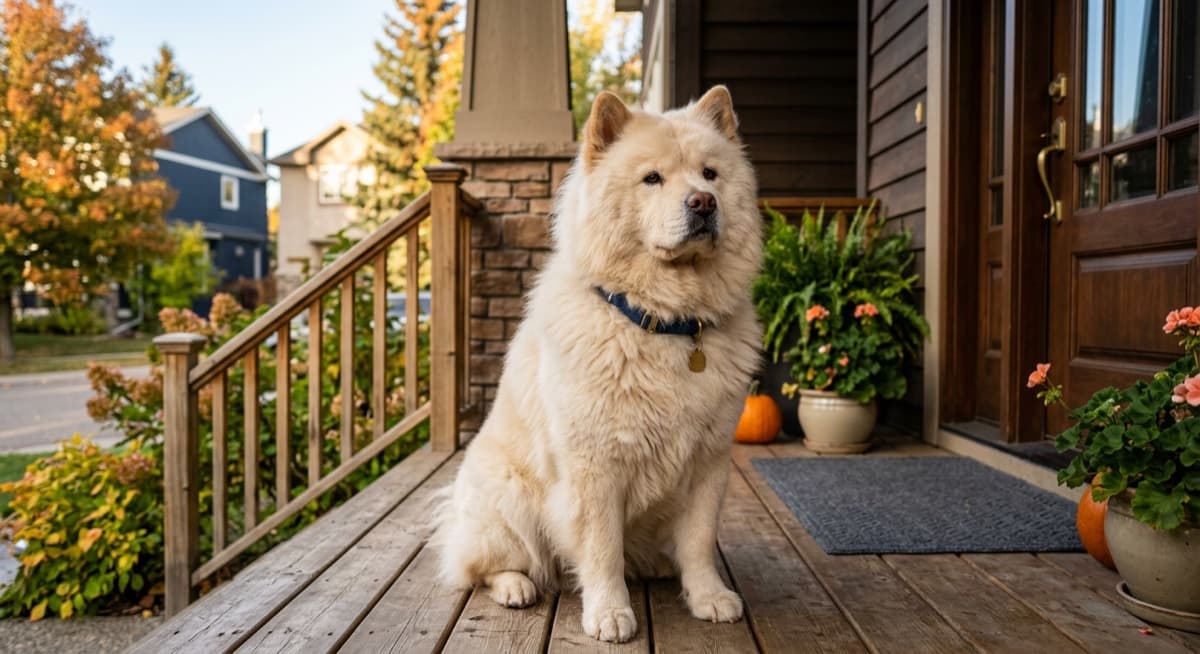
The short answer
Chows are dignified, independent, and reserved (“cat-like”), deeply loyal to their family but aloof with strangers, and undemonstrative rather than cuddly. They have real guarding instincts and can be territorial and same-sex dog-aggressive, so early, extensive, positive socialization is essential to raise a discerning, well-adjusted dog. They are intelligent but stubborn, so training needs patience, consistency, and positive reinforcement, harsh methods backfire badly. Chows often bond deeply with one or two people, suit homes with respectful older kids, and are generally not a first-timer's breed. Adopting a temperament-evaluated adult is a real advantage. Browse adoptable Toronto dogs.
The dignified, independent nature
The Chow's temperament is the whole story of the breed. They are dignified, self-contained, and reserved, genuinely cat-like in showing affection on their own terms rather than being effusive, and deeply loyal to their own family (often to one or two particular people) while aloof with strangers. They are calm and undemonstrative rather than playful, and they have a strong independent streak: they think for themselves and do not naturally defer to their owner. This is not a demonstrative, eager-to-please breed, and expecting one leads to disappointment. For an owner who appreciates an independent, dignified, loyal companion, the Chow temperament is deeply rewarding, that selectively given affection feels earned. Understanding and accepting this nature is the foundation of a good relationship with a Chow, as our adoption guide covers.
Socialization and guarding instincts
Chows are not inherently aggressive, but their reserved, territorial nature and guarding instincts mean that without socialization those traits can become problems, which is why socialization is the single most important thing a Chow owner does. Expose a Chow (a puppy, or a newly adopted adult at its own pace) to a wide variety of people, dogs, animals, and situations positively and in a controlled way, so it becomes discerning and well-adjusted rather than suspicious of everything new. Combine that with calm, respectful leadership and responsible management around strangers and other dogs, especially same-sex dogs, with whom Chows can be aggressive. Handled well, the guarding nature is a calm, controlled trait; handled carelessly, it is a real liability. The Canadian Kennel Club describes the breed's reserved, dignified temperament, and our health guide covers the medical side.
Training the independent Chow
Chows are intelligent but independent and stubborn, so training is a patient, long-term project, not a quick obedience course. Bred to think for themselves, they consider a command and decide whether to comply, which reads as stubbornness. The crucial point is method: positive-reinforcement training works, while harsh or forceful handling backfires badly with this sensitive, dignified breed and can create defensiveness or aggression. Build a relationship of mutual respect rather than trying to dominate the dog, keep sessions short and positive, start early, and focus on the essentials, socialization, basic manners, leash walking, rather than precise obedience. A Chow that respects and trusts its owner cooperates; one that is bullied resists. Because the breed is generally better suited to experienced owners, and because personality varies so much, adopting a well-adjusted, temperament-evaluated adult from a rescue is a genuine advantage. Work with the Chow's nature, not against it, and it becomes a dignified, deeply loyal companion.
Browse adoptable Chow Chows in Toronto
If you appreciate an independent, dignified, loyal companion, a Chow is a rewarding dog. Browse adoptable Chows and mixes near Toronto.
See Available Chow Chows →Frequently Asked Questions
What is a Chow Chow’s temperament like?
Chow Chows have a distinctive, particular temperament that is central to whether the breed suits you. They are dignified, independent, and reserved, famously described as "cat-like" because they are self-contained, undemonstrative, and show affection on their own terms rather than being cuddly or effusive. They are deeply loyal and devoted to their own family, often bonding closely with one or two people, but aloof and wary with strangers. Chows are calm and undemonstrative rather than playful and exuberant, and they have a strong independent streak, they think for themselves and do not naturally defer to their owner the way a biddable breed does. They also have real guarding instincts and can be territorial and same-sex dog-aggressive. This is not a breed for someone wanting a demonstrative, eager-to-please, social-butterfly dog; it is a breed for someone who appreciates an independent, dignified, loyal companion and will invest in socialization and respectful training.
Are Chow Chows aggressive, and how do I prevent problems?
Chow Chows are not inherently aggressive, but their reserved, territorial nature and strong guarding instincts mean that without proper socialization and training, those traits can lead to problems, which is exactly why thoughtful ownership matters so much. A well-bred, well-socialized Chow is dignified, calm, and controlled, aloof with strangers but not hostile, while a poorly socialized one can become suspicious, reactive, or territorial. The single most important prevention is early, extensive, positive socialization: expose a Chow puppy (or a newly adopted adult, at its own pace) to a wide variety of people, dogs, animals, and situations in a positive, controlled way, so it learns to be discerning and well-adjusted rather than wary of everything new. Combine that with consistent, respectful, positive-reinforcement training and clear, calm leadership. Manage the dog responsibly around strangers and other dogs, especially same-sex dogs. Handled well, a Chow's guarding nature is a calm, controlled trait; handled carelessly, it is a real liability, which is why the breed suits experienced, committed owners.
Are Chow Chows hard to train?
Yes, relatively, Chow Chows are intelligent but independent, stubborn, and strong-willed, which makes training a patient, long-term project rather than a quick obedience course, and prospective owners should have realistic expectations. Bred to think and act independently, Chows do not have the eager-to-please biddability of a retriever; they will consider a command and decide whether to comply, which reads as stubbornness. This does not mean they cannot be trained, it means training requires patience, consistency, and, crucially, positive-reinforcement methods, harsh or forceful handling backfires badly with this sensitive, dignified, independent breed and can create defensiveness or aggression. Start early, keep sessions short and positive, build a relationship of mutual respect rather than trying to dominate the dog, and focus on the essentials (socialization, basic manners, leash walking) rather than expecting precise obedience. A Chow that respects and trusts its owner will cooperate; one that is bullied will resist. Work with the temperament, not against it.
Do Chow Chows get along with children and other pets?
It depends heavily on the individual dog, the socialization, and the household, and Chows are more particular here than many breeds. With children, Chows can do well in a home with respectful, gentle older children, but their reserved, dignified nature and low tolerance for rough or intrusive handling mean they are generally not ideal for homes with very young children, who may not respect the dog’s boundaries. With other pets, Chows can coexist with animals they are raised with, but their independent, sometimes territorial nature and potential for same-sex dog aggression mean careful introductions and socialization are essential, and some Chows do best as the only pet or with careful management. A Chow raised with children and other pets, and thoroughly socialized, is far more likely to be tolerant and well-adjusted than one that was not. For a family considering a Chow, honest assessment of your household (ages of kids, existing pets) and thorough socialization are key, and adopting an adult from a rescue that knows the dog’s history with kids and animals is a real advantage.
Do Chow Chows bond with one person?
Often, yes, Chow Chows are known for forming deep, loyal bonds with their own family and frequently with one or two particular people, to whom they are devoted, while remaining aloof and reserved with everyone else. This one-person or one-family loyalty is part of the breed’s dignified, self-contained charm: a Chow is not the type to greet every stranger like a long-lost friend, and its affection, given selectively, feels genuinely earned. For the right owner, that focused devotion is deeply rewarding. It does mean, though, that Chows can be less openly friendly and social than many breeds, and that they may be wary of, or indifferent to, people outside their circle, which is another reason socialization matters, so the wariness stays measured rather than becoming suspicion. It also means a Chow can find rehoming harder, as it bonds so specifically, which is worth remembering when adopting: giving a rescue Chow time and patience to form that bond with you is part of the process, and once it does, the loyalty is profound.
Is a Chow Chow a good dog for a first-time owner?
Generally, no, most experts consider the Chow Chow better suited to experienced dog owners than to first-timers, and it is worth being honest about this. The combination of an independent, stubborn temperament that resists conventional training, strong guarding instincts and wariness of strangers that require careful socialization, a dignified nature that demands respectful handling (harsh methods backfire), and the potential for territorial or same-sex dog aggression means the Chow asks more of its owner than a typical family breed. A first-time owner without experience reading dog body language, managing a strong-willed dog, and committing to thorough socialization can end up with behaviour problems. That said, a dedicated, thoughtful first-time owner who genuinely understands the breed, commits to socialization and positive training, and wants an independent rather than demonstrative dog can succeed with a Chow, especially by adopting a well-adjusted adult from a rescue that has evaluated its temperament. The key is going in with clear, realistic expectations about what the breed is and is not, and a willingness to work with its particular nature.
Chow Chow Adoption in Toronto
Where to adopt, costs, and the honest Chow reality.
Chow Chow Health Issues
Hips, eyes (entropion), and the deep coat.
New dog? Start with these care guides
Everything a new adopter needs to set up a safe, happy home.