The short answer
Dachshunds turn up in Toronto rescue (the City of Toronto Animal Services, the Toronto Humane Society, and foster rescues place them), with fees $150 to $700. They are small, bold, loyal, and well suited to condo life, but two things define ownership: they can be stubborn and vocal, and their long backs make them prone to disc disease (IVDD), so keeping them lean and protecting the spine is essential. Browse adoptable Toronto dogs to find one.
Big personality in a small package
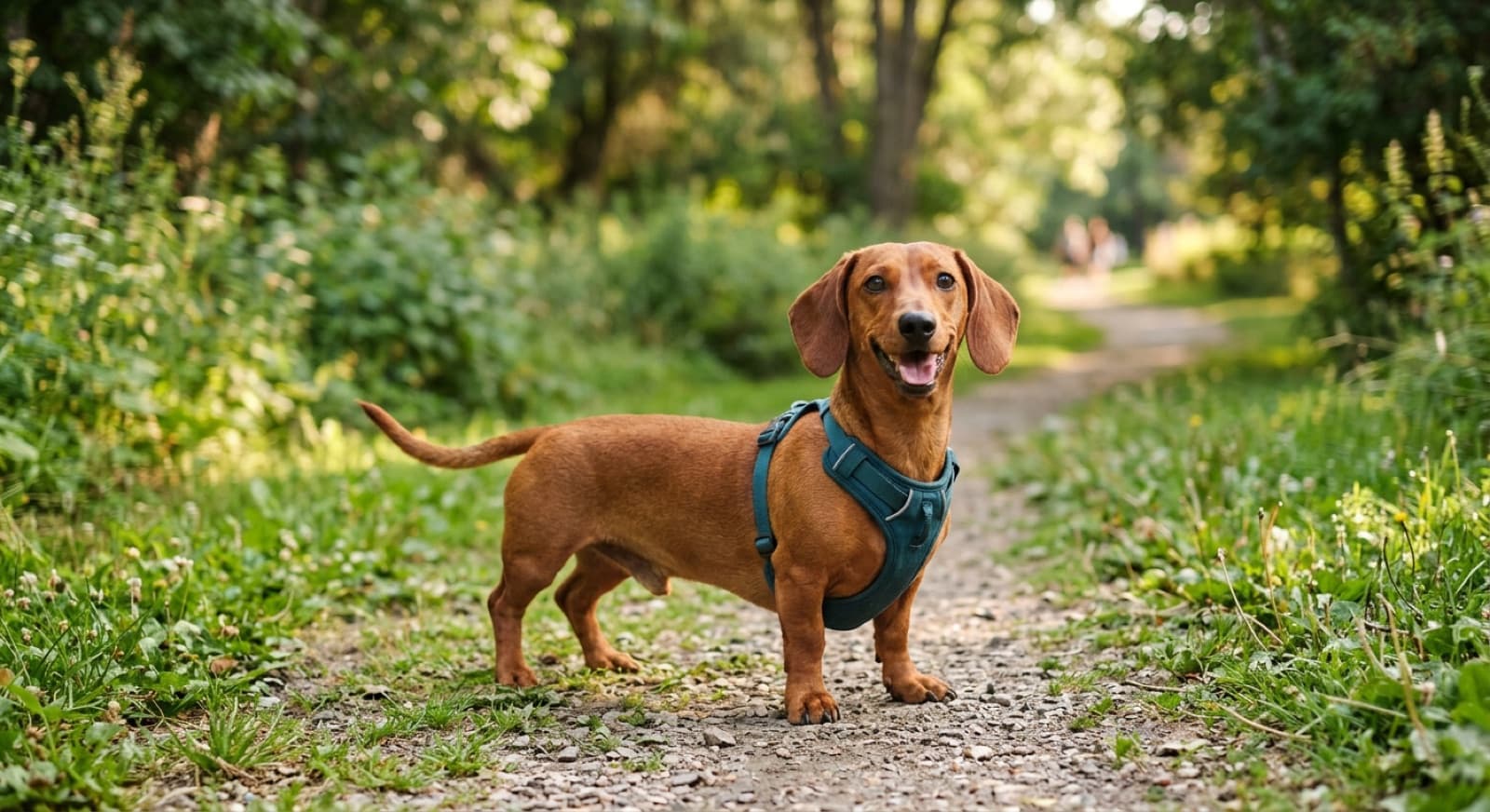
Dachshunds pack an outsized personality into a small, apartment-friendly body. Bred to hunt badgers underground, they are bold, tenacious, loyal, and deeply bonded to their people, which is exactly why they are so beloved. That independent hunting heritage also makes them famously stubborn, so house-training and general obedience take patience and consistent, reward-based work rather than force. They can be vocal alert barkers too, worth managing in a condo. When Dachshunds come into rescue it is usually a life change rather than a temperament issue, and because most come through foster homes, you get honest notes on personality and habits.
The one thing every Dachshund owner must know: their backs
This is non-negotiable knowledge for the breed. Because of their famously long spine and short legs, Dachshunds are strongly predisposed to intervertebral disc disease (IVDD), a spinal condition that can cause pain or, in serious cases, paralysis. The good news is that everyday management meaningfully lowers the risk: keep the dog at a lean weight, discourage or block jumping on and off furniture, use pet ramps or steps, take stairs slowly, and always support both the chest and hindquarters when lifting. If a Dachshund ever shows sudden back pain, reluctance to move, or weakness in the legs, treat it as a same-day veterinary emergency. Discuss back care with your vet and see the breed page for detail.
Costs, family fit, and choosing an adult
Adoption fees run the usual Toronto ranges ($150 to $700, spay/neuter and shots included). The Dachshund-specific budget items are back health (ramps, lean-weight food discipline) and the possibility of IVDD-related costs, which make pet insurance worth considering for the breed. On family fit, Dachshunds do best with older, gentler children who can be taught the back-safety rules, and supervision matters with young kids because of the fragile spine. For most adopters an adult Dachshund with established house-training and known temperament is the easier choice. For the full breed profile see our Dachshund breed page, and the cost guide for the full budget.
Browse adoptable Dachshunds in Toronto
Dachshunds and Doxie mixes from Toronto shelters and rescues, with foster notes on temperament, house-training, and how each dog does with kids and other pets.
See Available Dachshunds →Frequently Asked Questions
Where can I adopt a Dachshund in Toronto?
Dachshunds and Doxie mixes turn up in Toronto rescue, though purebreds are popular and go fairly quickly, so alerts help. Check the City of Toronto Animal Services, the Toronto Humane Society, and foster-based rescues like Save Our Scruff, TEAM Dog Rescue, Fetch + Releash, Redemption Paws, and Hopeful Tails. LocalPetFinder aggregates adoptable Toronto Dachshunds in one place. Because the breed has strong personality quirks, the foster notes on a rescue Dachshund are especially useful.
Are Dachshunds good apartment dogs?
Yes, in many ways they are well suited to condo life: they are small, they do not need enormous amounts of exercise, and they bond closely with their people. The caveats are that Dachshunds can be vocal (alert barkers), can be stubborn to house-train, and need their backs protected (see below). A well-managed adult Dachshund is a good fit for a Toronto apartment. Our Toronto apartment dog guide covers what makes small-dog condo living work.
What is the big health issue with Dachshunds?
Their backs. Because of their long spine and short legs, Dachshunds are strongly predisposed to intervertebral disc disease (IVDD), a spinal condition that can cause pain or even paralysis. This is the single most important thing to know before adopting one. Owners reduce the risk by keeping the dog lean, discouraging jumping on and off furniture, using ramps, and supporting the back when lifting. A rescue Dachshund will have had a vet check; discuss back care and any history with your vet, and see the breed page for detail.
How do I protect a Dachshund's back?
Practical, everyday management matters more than anything. Keep the dog at a healthy lean weight (excess weight strains the spine), discourage or block jumping on and off couches and beds, use pet ramps or steps, take stairs slowly or carry the dog, and always support both the chest and hindquarters when picking it up rather than lifting under the front legs. These habits meaningfully lower IVDD risk. If a Dachshund ever shows sudden back pain, reluctance to move, or weakness in the legs, treat it as a same-day veterinary emergency.
Are Dachshunds good family dogs?
They can be, with the right household. Dachshunds are loyal, bold, and full of personality, and many are devoted family dogs. Because of their fragile backs, though, they are often better suited to homes with older, calmer children who can be taught to handle them gently and not drop or roughhouse with them. With young kids, supervise closely and manage the back-safety rules. As always, a rescue Dachshund whose foster has seen it with children tells you the most.
Are Dachshunds hard to train?
They have a reputation for stubbornness, and there is truth to it. Dachshunds were bred to hunt independently, so they are smart but strong-willed, and house-training in particular can take patience and consistency. Positive, reward-based training works far better than force with this sensitive, willful breed. Many Dachshunds are perfectly well-mannered; you just need consistency and a sense of humour. An adult with established habits can be an easier adoption than a puppy on the house-training front.
How much does it cost to adopt a Dachshund in Toronto?
Adoption fees follow the usual Toronto ranges: $150 to $350 at the City of Toronto Animal Services and $200 to $700 at rescues, almost always including spay or neuter, vaccines, and a microchip. Beyond the fee, the Dachshund-specific budget item is back health: keeping the dog lean, ramps or steps, and the possibility of IVDD-related vet costs down the line make pet insurance worth considering. Our Toronto adoption cost guide breaks down the full first-year budget.
Beagle Adoption in Toronto
Another small, bold, nose-driven hound in rescue.
Apartment Dogs in Toronto
Why a small hound can suit condo life.
New dog? Start with these care guides
Everything a new adopter needs to set up a safe, happy home.