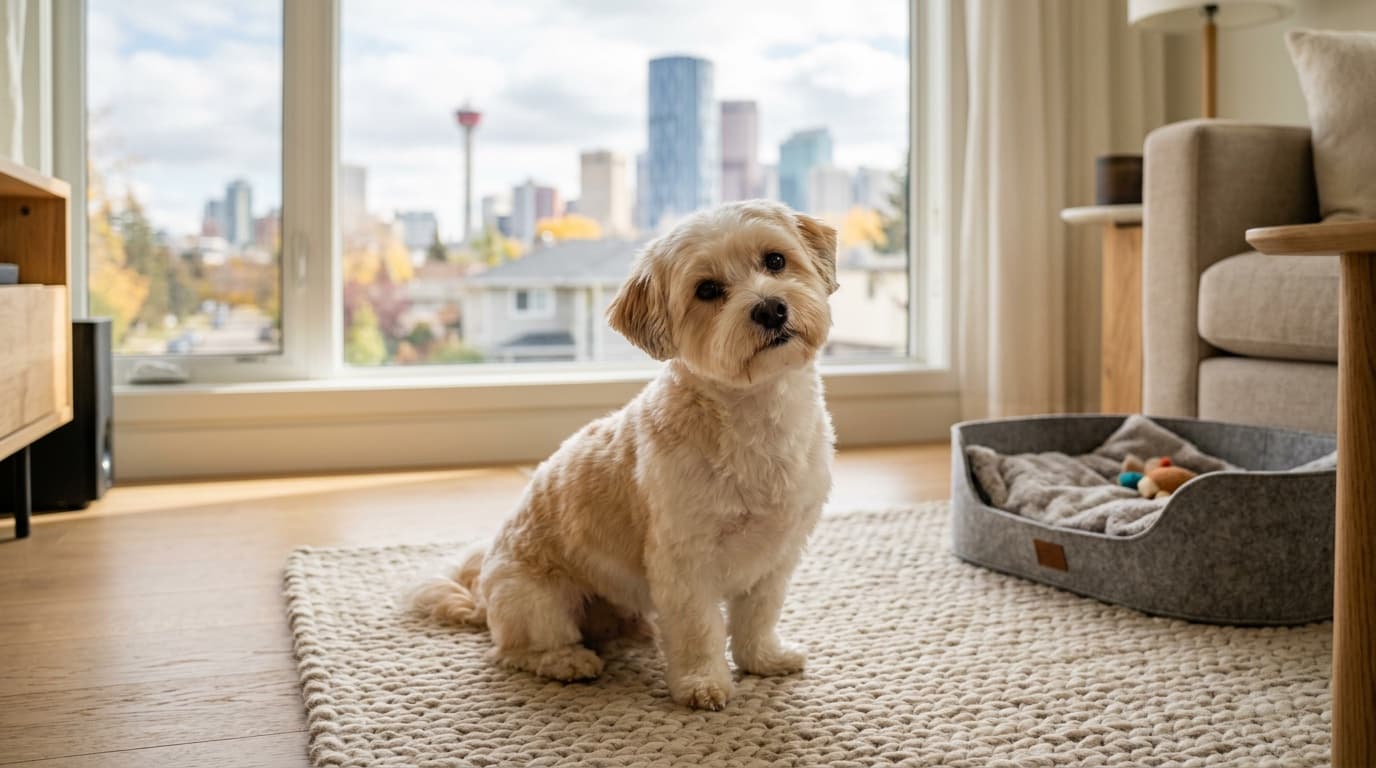
The short answer
Havanese are uncommon in rescue (owners rarely surrender them) but do appear via the municipal shelter, the Humane Society, and small-dog and foster-based rescues, with fees $150 to $700 (versus $2,000 to $4,000-plus from a breeder). They are near-ideal apartment and family companions, affectionate, adaptable, great with kids and pets, though they dislike being left alone and can be moderately vocal. The main commitment is grooming: the silky coat mats easily and needs frequent brushing or a short puppy cut plus professional grooming every four to six weeks. Patience and a rescue alert are key, since they go fast. Browse adoptable Toronto dogs.
Cuba's velcro companion
The Havanese is the national dog of Cuba, bred over centuries purely as a companion, and it shows: they are affectionate, cheerful, adaptable, and so devoted they earned the nickname “velcro dog.” For Toronto apartment and family life they are close to ideal, small, trainable, gentle with children and other pets, and happy anywhere their people are. Historically circus and companion dogs, they are highly intelligent and eager to please, which makes training a pleasure. The two things to plan for are their dislike of being left alone for long (they can develop separation anxiety) and their moderate barking, both very manageable. The Canadian Kennel Club describes the breed's affectionate, playful character well.
The grooming commitment
The main thing to understand before adopting a Havanese is the coat. That long, silky double coat grows continuously, sheds very little (a plus for allergy-conscious homes), and mats easily, so it needs frequent brushing if kept long, plus professional grooming every four to six weeks. Most pet owners sensibly keep the Havanese in a shorter puppy cut, far easier and much less prone to matting. Either way, grooming is a genuine, recurring commitment of time and money, and “low shedding” is not “low grooming.” Our Havanese grooming guide walks through the full routine, and a good rescue will be honest about a dog's coat and health.
Costs and getting started
Havanese are legal everywhere in Ontario with no restrictions, and their small size and modest needs make them a natural condo dog, the real considerations are grooming, companionship, and simply finding one, not paperwork. Adoption fees run $150 to $700 (spay or neuter and shots included), well below a breeder's $2,000 to $4,000-plus, but budget for the recurring grooming ($50 to $85-plus every four to six weeks), dental care, and the modest small-breed vet costs like luxating patellas (our cost guide helps). Because purebred Havanese in rescue are rare and go fast, set up an alert and stay flexible. See the breed page for adoptable Havanese near Toronto.
Browse adoptable Havanese in Toronto
Havanese and Havanese mixes from Toronto shelters and rescues, with foster notes on temperament, coat, and health.
See Available Havanese →Frequently Asked Questions
Where can I adopt a Havanese in Toronto?
Havanese are a fairly rare breed in rescue, since they are beloved and rarely surrendered, but they do turn up, usually through a life change, an allergy in the family, or an elderly owner passing. Check the City of Toronto Animal Services, the Toronto Humane Society, and foster-based rescues like Save Our Scruff, TEAM Dog Rescue, Fetch + Releash, and small-dog-focused rescues, and breed-specific Havanese or Bichon-type rescues occasionally have them. LocalPetFinder aggregates adoptable Toronto dogs in one place. Because purebred Havanese are uncommon in rescue and go quickly, being open to a Havanese mix, an older dog, or a similar companion breed (Bichon, Coton de Tulear, Maltese), and setting up a rescue alert, will widen your options considerably.
Are Havanese good apartment and family dogs?
Yes, on both counts, the Havanese is one of the best small companion breeds for city and family life. They are affectionate, playful, adaptable, and famously people-oriented (nicknamed "velcro dogs" for how closely they bond), and their small size and modest exercise needs make them ideal for Toronto apartments and condos. They are typically excellent with children and other pets, cheerful and gentle rather than yappy or fragile-tempered, though as with any small dog, interactions with very young kids should be supervised. The one real caveat is that they do not like being left alone for long and can develop separation anxiety, so they suit someone home often or able to arrange company. For an affectionate, trainable, adaptable family companion, the Havanese is hard to beat.
How much grooming does a Havanese need?
Grooming is the main ongoing commitment with a Havanese, and prospective owners should understand it. They have a long, silky, double coat that grows continuously and sheds very little (a plus for allergy-conscious homes) but mats easily, so it needs frequent brushing (ideally most days if kept long) plus professional grooming every four to six weeks. Most pet owners keep the Havanese in a shorter "puppy cut," which is far easier to maintain and dramatically reduces matting, a sensible, popular choice. Either way there is real, recurring grooming work and cost, in Toronto typically $50 to $85-plus per professional visit, plus at-home brushing and eye-area care. The low shedding makes them popular with allergy sufferers, but "low shedding" is not "low grooming," and that trade-off is worth being clear on. Our Havanese grooming guide covers the routine.
Why do Havanese end up in rescue?
Because they are cherished companions, Havanese are surrendered far less often than many breeds, so rescue availability is limited. When they do come into rescue, it is usually due to a major life change (a move, illness, divorce, financial hardship), a family member developing an allergy despite the low shedding, or an elderly owner passing away, they are so bonded to older owners that this is a real source. Their popularity has also fueled some puppy-mill and backyard breeding, and poorly bred Havanese with health or temperament issues are somewhat more likely to be surrendered. Because purebred Havanese in rescue are relatively rare and adopted quickly, patience, flexibility on age or mix, and a rescue alert are the keys to adopting one.
How much does it cost to adopt a Havanese in Toronto?
Adoption fees run the usual Toronto ranges: roughly $150 to $350 at municipal animal services and $200 to $700 or more at rescues, with spay or neuter, vaccines, and a vet check included, well below the $2,000 to $4,000-plus a breeder Havanese commands. Beyond the fee, budget for the Havanese-specific ongoing costs: professional grooming every four to six weeks ($50 to $85-plus per visit) plus grooming tools, dental care (small breeds are dental-prone), and the modest but real vet costs of a small breed (luxating patellas and some eye and hip conditions among them). Pet insurance is worth considering, ideally taken out while the dog is young. Our Toronto cost guide has the full picture, and our grooming guide details the recurring grooming spend that is easy to overlook.
Do Havanese bark a lot?
Havanese are moderate barkers, more than some breeds, less than a typical terrier, and it is very manageable with training. As alert little companion dogs, they will announce visitors, sounds in the hallway, and things they find interesting, which in a Toronto condo with shared walls is worth managing early. The good news is that Havanese are highly intelligent and eager to please (they were historically circus performers, which tells you how trainable they are), so they respond quickly to positive-reinforcement training to control demand-barking and alert-barking. Their tendency toward separation anxiety can also drive barking when left alone, so meeting their companionship needs reduces it. In short: yes, they can be vocal, but a trained, well-companioned Havanese is a perfectly good apartment neighbour.
Havanese Health Issues: Knees, Eyes, Teeth
Havanese health issues to plan for: slipping kneecaps, hips and eye disease (the breed club’s recommended tests), dental disease, skin problems and young-dog limping.
Havanese Grooming: Brushing, Mats and Puppy Cuts
Line brushing a long, soft, non-shedding coat, preventing mats, puppy cuts, ears, eyes and nails.
New dog? Start with these care guides
Everything a new adopter needs to set up a safe, happy home.