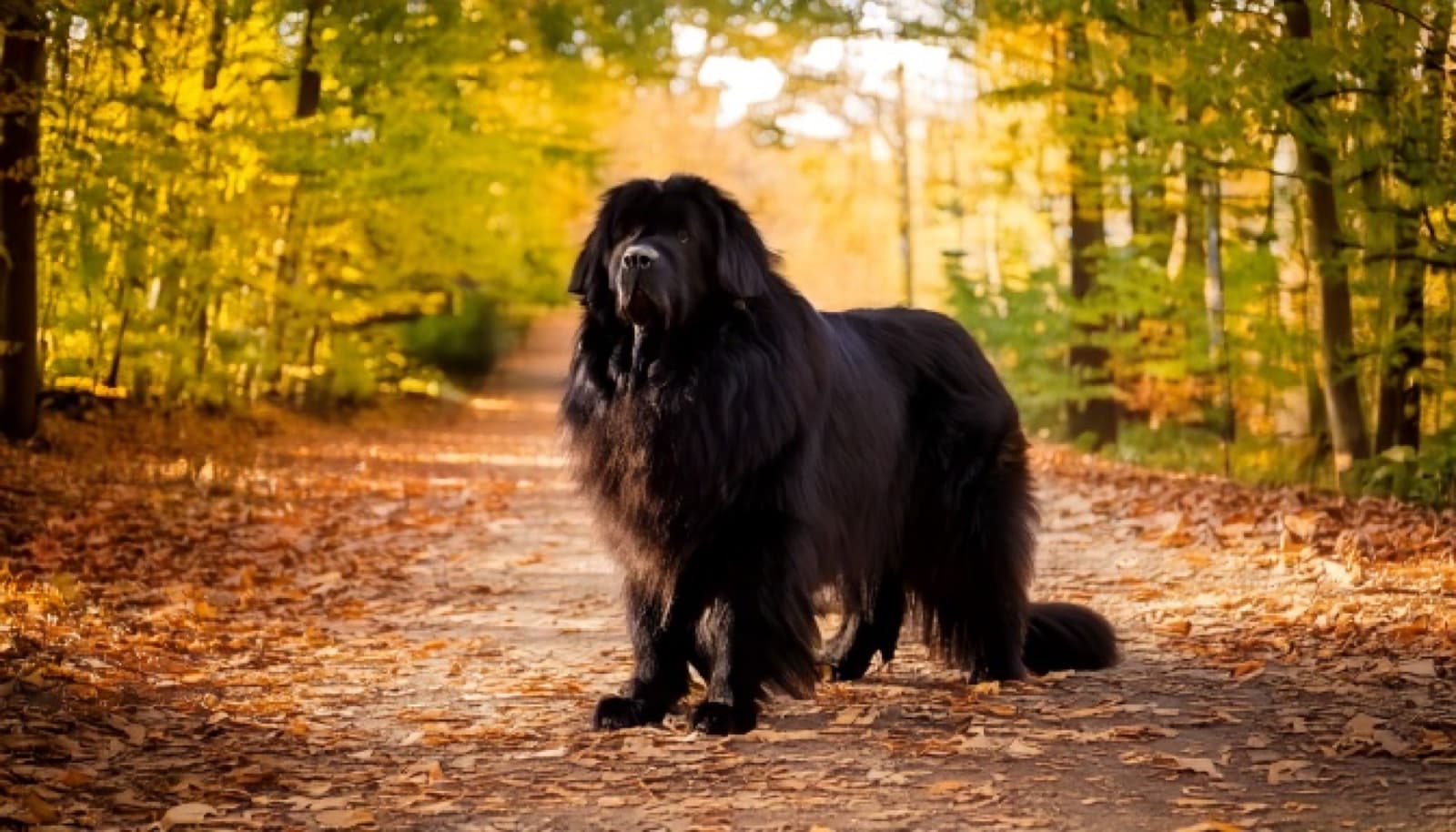
The short answer
Newfoundlands are uncommon in rescue, so set a breed alert; fees run $150 to $900 (versus $2,000 to $4,000 from a breeder), but the real cost is owning a 100-to-150-plus-pound giant. They are famously gentle, patient, devoted family dogs, wonderful with children, but expect heavy drool, substantial grooming and shedding, a need for space, and giant-breed health and heat considerations. They love Toronto winters but need careful summer heat management. A gentle giant for a prepared home. Browse adoptable Toronto dogs.
The gentle giant
The Newfoundland's temperament is the breed's glory. Sweet, patient, calm, and deeply devoted, the Newfie is famous for its loving, protective way with children, the reason it earned the nickname nanny dog, and for a serene, dignified presence at home that surprises people who expect a giant dog to be unruly. The Canadian Kennel Club describes a sweet-tempered, devoted working dog. A well-socialised Newfoundland is a mellow, affectionate housemate that thrives on being part of family life. The practical demands are real, but the temperament is close to ideal, which is why a good rescue Newfie is such a rewarding adoption.
Giant-breed reality: size, cost, and drool
Everything practical about owning a Newfoundland flows from its size. A 100-to-150-plus-pound dog means food, medication, gear, boarding, and grooming all cost far more than for an average dog, and you genuinely need space, ideally a house rather than a small apartment. The drool is a defining daily feature (keep cloths handy), the thick double coat sheds heavily and needs real grooming, and giant-breed vet care and the potential for cardiac, bloat, or joint issues can be expensive. None of this is a reason not to adopt one, but it is why the breed suits a prepared home with the room and budget. Our grooming, drool, and heat guide covers the day-to-day.
Health and the Toronto climate
Newfoundlands are a giant breed, so their health picture reflects that, a shorter lifespan (around 9 to 10 years), and breed concerns including the heart condition SAS, a high bloat risk, hip and elbow issues, and the breed-specific stone disorder cystinuria, all covered in our health guide. On climate, the news is genuinely favourable in one big way: this cold-weather breed loves Toronto winters, snow and cold are its element. The flip side is that the heavy coat makes Newfies prone to overheating, so Toronto summers need real care (shade, water, air conditioning, cool times of day) and you must never shave the coat. With sensible summer management, a Newfie thrives here.
Costs, legality, and getting started
Newfoundlands are legal in Ontario with no breed restrictions, though their size can trigger condo or landlord limits, so a house with space is the natural fit. Adoption fees run $150 to $900 (spay or neuter and shots included), a fraction of a breeder's $2,000 to $4,000, but budget honestly for the ongoing cost of a giant dog (our cost guide helps). See the breed page, make sure your space and budget can accommodate a gentle giant, and if they can, a rescue Newfoundland is one of the most devoted companions you can find.
Browse adoptable Newfoundlands in Toronto
Newfoundlands and Newfie mixes from Toronto shelters and rescues, with foster notes on temperament, health, and how each dog does with children.
See Available Newfoundlands →Frequently Asked Questions
Where can I adopt a Newfoundland in Toronto?
Newfoundlands are not hugely common in rescue (they are a less numerous breed), but they and Newfie mixes do turn up. Check the City of Toronto Animal Services, the Toronto Humane Society, and foster-based rescues like Save Our Scruff, TEAM Dog Rescue, Fetch + Releash, Redemption Paws, and Hopeful Tails, and breed-specific Newfoundland or giant-breed rescues sometimes have them. LocalPetFinder aggregates adoptable Toronto dogs in one place, and setting a breed alert helps for an uncommon breed. Because a Newfie is a giant-breed commitment, the foster notes on temperament, health, and how the dog does with children are especially worth reading.
Are Newfoundlands good family dogs?
Newfoundlands are widely considered one of the best family dogs there is. They are famously sweet, gentle, patient, calm, and devoted, wonderful with children (their loving, patient nature earned them the nickname nanny dog), and generally good with other pets. A well-socialised Newfie is a mellow, affectionate, dignified companion. The caveats are practical, not temperamental: they are giant dogs, so despite their gentleness, supervision around very small children is wise simply because a friendly Newfie can knock over a toddler by accident; they drool and shed heavily; they need real grooming and space; and they are a giant-breed cost and health commitment. For a family with the room and budget, few breeds are more loving.
Do Newfoundlands really drool a lot?
Yes, and it is worth understanding before you adopt, because for some people the drool is a dealbreaker. The breed’s loose jowls mean Newfies produce and sling a fair amount of slobber, especially after drinking, eating, exercising, or when excited or hot, and it ends up on walls, floors, furniture, clothing, and anyone nearby, flung several feet with a head shake. There is real variation between individual dogs, but as a breed, drool is a defining, everyday feature. Management is mostly acceptance plus a good supply of cloths kept around the house and car. If you are fastidious about your home, think hard; if you can shrug it off, the drool is a small price for such a wonderful dog. Ask a rescue how much a particular Newfie drools, since it varies.
How much does it cost to adopt and own a Newfoundland?
Adoption fees run the usual Toronto ranges, roughly $150 to $350 at municipal animal services and $200 to $900 at rescues (often higher for a giant breed), with spay or neuter, vaccines, and a vet check included. A breeder Newfoundland is more, commonly $2,000 to $4,000. But the real cost is the ongoing one: a Newfie is a 100-to-150-plus-pound dog, so food, medication doses, gear, boarding, and grooming all scale up, and giant-breed vet care and the potential for cardiac, bloat, or joint issues can be expensive. Budget realistically for the size, and consider pet insurance. Our Toronto cost guide has the full picture.
Why do Newfoundlands end up in rescue?
Less often than high-energy breeds (they are calm and less numerous), but when they do, it is usually because owners underestimated the practical realities of a giant breed, the size and cost, the drool, the heavy shedding and grooming, and the giant-breed health considerations and vet bills. Some also come into rescue when an owner’s circumstances change and a family can no longer manage a dog of this size and expense. A Newfoundland who reaches a good rescue is almost always a fundamentally sweet, sound dog whose owners simply could not keep up with the practicalities, and a prepared home is exactly what it needs.
Can a Newfoundland handle Toronto’s climate?
Winter, yes, wonderfully: the Newfoundland is a cold-weather breed with a thick coat, built for exactly this kind of climate, and it loves snow and cold. Summer is the season to manage carefully, because that same heavy coat makes Newfies prone to overheating, and Toronto’s hot, humid summers require real care, shade, water, cool times of day, air conditioning, and never over-exertion in heat, and you should never shave the coat to cool the dog. With sensible summer management and a house rather than a small apartment, a Newfoundland is well-suited to Toronto, our grooming, drool, and heat guide covers the seasonal care in detail.
Newfoundland Dog Health Issues: Heart, Joints
Newfoundland dog health issues to plan for: subaortic stenosis and dilated cardiomyopathy, cruciate and hip problems, cystinuria, bloat and heat.
How to Groom a Newfoundland
A Newfoundland grooming guide: why you never shave, the hours-long brush-out, the oily water-resistant coat, drying to the skin, drool, and the honest cost.
New dog? Start with these care guides
Everything a new adopter needs to set up a safe, happy home.