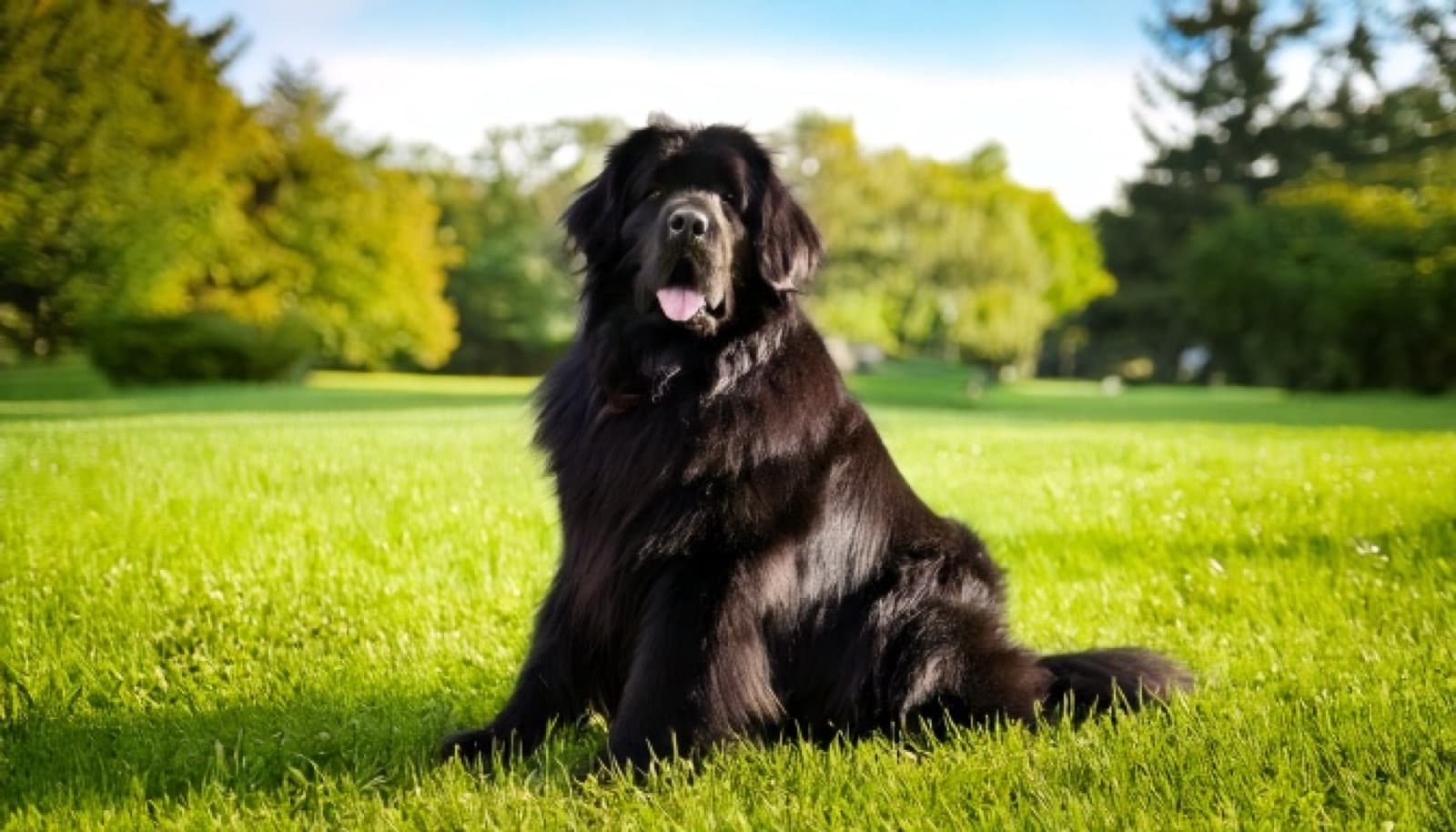
The short answer
The Newfoundland's signature concern is the heart condition SAS (subvalvular aortic stenosis), so have the heart screened and source from heart-tested lines. As a deep-chested giant, plan for the high risk of bloat (GDV), a life-threatening emergency (consider a preventive gastropexy). Also plan for hip and elbow dysplasia, the breed-specific cystinuria (cystine stones, testable), and real heat sensitivity. Newfies live 9 to 10 years. Keep the dog lean, screen the heart, stay bloat-aware, manage summer heat, and consider insuring early. Browse adoptable Toronto dogs.
SAS: the heart condition to know
Subvalvular aortic stenosis is the Newfoundland's defining breed-specific concern. A narrowing below the aortic valve forces the heart to work harder, and severity ranges from mild (little impact) to serious (exercise intolerance, fainting, and in the worst cases sudden death). It is often first caught as a heart murmur on a routine exam, which is why responsible breeders screen breeding dogs by a cardiologist and why sourcing from heart-tested lines matters so much. For an owner, the practical steps are simple: have the heart listened to at every vet visit, be alert to exercise intolerance or fainting, and follow a cardiologist's guidance if SAS is diagnosed. For an adopted Newfie, ask whether a murmur has ever been noted, and consider a cardiac check.
Bloat, joints, and cystinuria
Three more concerns round out the giant-breed picture. Bloat (GDV) is a life-threatening emergency the deep-chested Newfie is at real risk for, know the signs (swollen belly, unproductive retching, restlessness, collapse) and get to an emergency vet immediately, and discuss a preventive gastropexy with your vet. Hip and elbow dysplasia are common and matter in such a heavy dog, so keep the Newfie lean, manage puppy growth carefully, and favour screened lines. And cystinuria, a breed-specific inherited stone disorder, is testable and managed with hydration, diet, and monitoring, treat an inability to urinate as an emergency.
Heat, costs, and insurance
The heavy coat that makes Newfies love Toronto winters also makes them prone to overheating, so manage summers with shade, water, air conditioning, and cool-of-day activity, and never shave the coat. On costs, everything scales up for a giant breed, and the wildcards (cardiac care, bloat surgery, orthopedic surgery, cystinuria) can each run into the thousands, which is exactly why pet insurance, taken out while the dog is young and healthy, is often worthwhile: it locks in coverage before anything becomes a pre-existing exclusion. Our grooming, drool, and heat guide covers summer safety, and our low-cost vet guide covers routine care.
Meet adoptable Newfoundlands in Toronto
Rescue Newfoundlands come with a vet check and honest foster notes, including any heart findings.
See Available Newfoundlands →Frequently Asked Questions
What health problems are Newfoundlands prone to?
Newfoundlands are a giant breed, and their health picture reflects that, along with a few breed-specific concerns. The most important breed-specific issue is subvalvular aortic stenosis (SAS), a heart condition the breed is notably prone to. As a large, deep-chested breed, Newfies are also at real risk for bloat (gastric dilatation-volvulus), a life-threatening emergency. Hip and elbow dysplasia are common and more consequential in such a heavy dog, and the breed has a specific inherited condition, cystinuria, that causes cystine bladder stones. Giant breeds also have shorter lifespans. Most are managed through good breeding (heart and hip screening), keeping the dog lean, bloat awareness, and careful heat management. Always make health decisions for your individual dog with your veterinarian.
What is SAS, and why do Newfoundland owners need to know about it?
Subvalvular aortic stenosis (SAS) is a congenital heart condition in which a ridge of tissue below the aortic valve narrows the outflow of blood, forcing the heart to work harder, and it is the most important breed-specific concern in the Newfoundland, which is notably predisposed to it. Severity ranges widely: mild cases may cause few problems, while moderate-to-severe cases can lead to exercise intolerance, fainting, and, at worst, sudden death or heart failure, sometimes in a young dog. SAS is often first detected as a heart murmur on a routine exam, with grading by cardiac ultrasound. This is why responsible breeders have their breeding dogs’ hearts screened by a cardiologist, and why sourcing from heart-tested lines matters. For an owner: have your Newfie’s heart listened to at every vet visit, watch for exercise intolerance or fainting, and follow cardiology guidance if SAS is diagnosed. For an adopted Newfie, ask whether a murmur has been noted.
What is bloat, and why is it a risk for Newfoundlands?
Bloat, medically gastric dilatation-volvulus (GDV), is a sudden emergency in which the stomach fills with gas and can twist, cutting off blood supply, and the deep-chested Newfoundland is at real risk. It can kill within hours and needs immediate surgery. The signs, a swollen or distended belly, unproductive retching (trying to vomit with nothing coming up), restlessness, drooling (watch for a change in an already-drooly breed), pacing, and collapse, are an emergency: get to a vet immediately. Risk-reduction steps to discuss with your vet include smaller meals rather than one big one, avoiding hard exercise around meals, slowing a fast eater, and considering a preventive gastropexy (a surgery that tacks the stomach in place), often done at spay or neuter and worth discussing for a giant breed. Know where Toronto’s 24-hour emergency vets are before you ever need one.
Do Newfoundlands have hip, joint, or urinary problems?
Yes, all three are worth knowing. Hip and elbow dysplasia are common and more consequential because of the breed’s great size; responsible breeders screen, and the biggest levers an owner controls are keeping the dog lean, managing growth carefully in puppyhood (an appropriate giant-breed diet, no over-feeding or over-exercising while joints develop), and sensible exercise. On urinary health, Newfoundlands have a specific inherited condition, cystinuria, a defect in how the kidneys handle the amino acid cystine that leads to cystine stones, which can cause straining, blood in the urine, and, in a serious emergency (more common in males), a urinary blockage. Cystinuria is testable and managed with diet, medication, high water intake, and monitoring, so good hydration and knowing the warning signs matter, treat inability to urinate as an emergency.
How much does Newfoundland health care cost in Toronto, and is insurance worth it?
A Newfie is a giant breed, so costs scale up: routine annual care runs high (giant-breed food, medication doses, and vet costs), and the budget wildcards are significant, cardiac care for SAS, emergency bloat surgery (several thousand dollars), giant-breed orthopedic surgery, and cystinuria management can each run into real money. Because the breed combines giant-breed baseline costs with the potential for expensive conditions, pet insurance is often particularly worthwhile, and, taken out while the dog is young and healthy, it locks in coverage before anything, especially a heart murmur or joint issue, becomes a pre-existing exclusion. If you adopt an adult, ask the rescue about any known heart, joint, or urinary issues before insuring. Either way, keeping the dog lean, heart screening, bloat awareness, and heat management are the biggest levers for a long, healthy Newfoundland life.
How long do Newfoundlands live?
Newfoundlands typically live around 9 to 10 years, on the shorter side, reflecting the reduced lifespan of giant breeds generally. A well-cared-for Newfie, kept lean with attentive heart, joint, and weight care, bloat awareness, and careful heat management, has the best chance of reaching or exceeding that. For a Toronto owner, that means around a decade of a magnificent, gentle, devoted giant, years spent very happily in the cold winters this breed was built for.
Newfoundland Adoption in Toronto
Where to adopt, costs, and the gentle-giant reality.
Grooming, Drool & Heat
The coat, the slobber, and summer heat management.
New dog? Start with these care guides
Everything a new adopter needs to set up a safe, happy home.