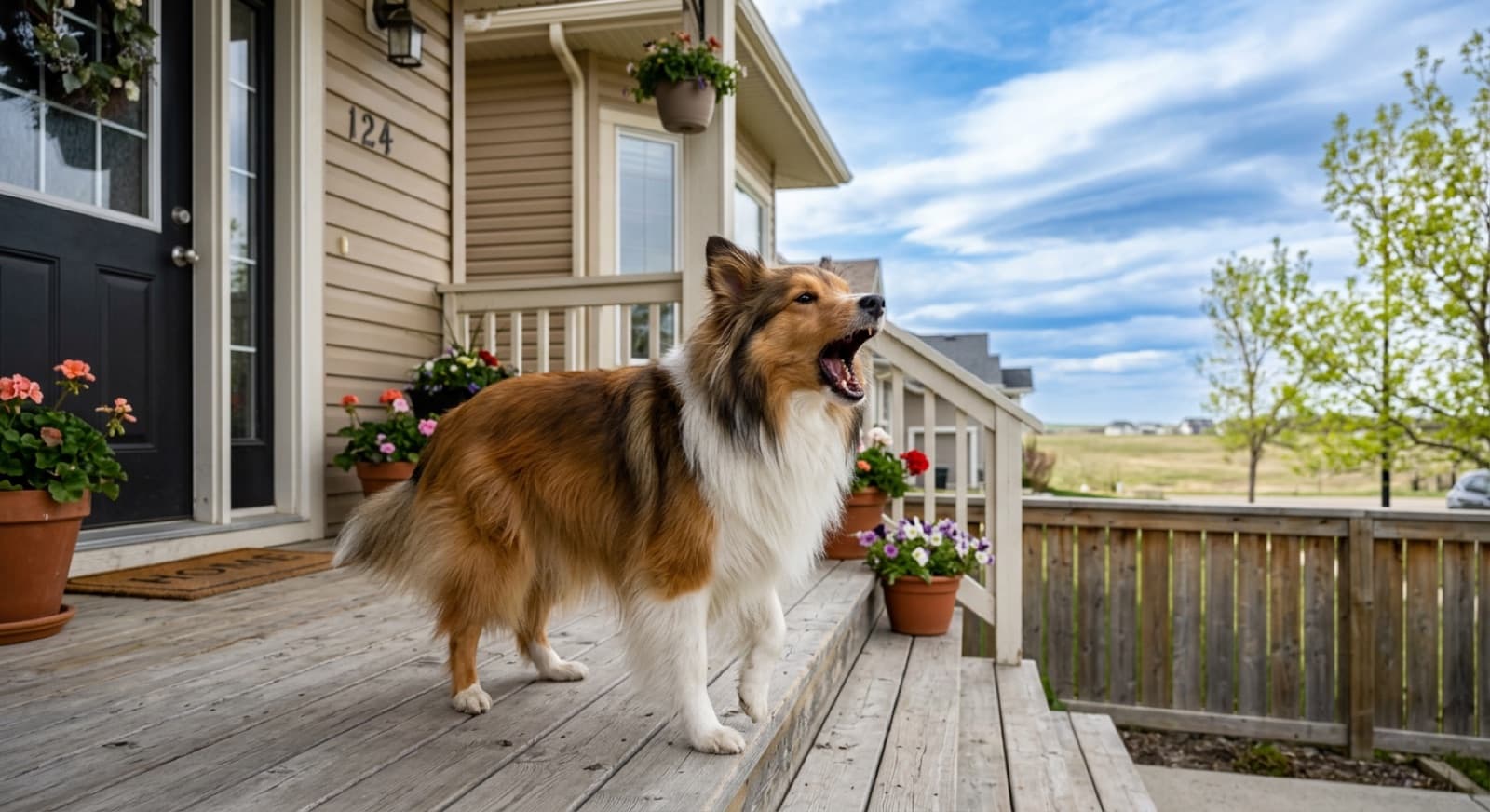
The short answer
Shelties bark because they were bred to as alert herding-watchdogs, so some alert-barking is part of the breed, the goal is to manage and reduce it, not eliminate it. Because they are among the most intelligent and trainable breeds, that works well: teach a “quiet” cue with positive reinforcement, manage triggers, and, crucially, meet their exercise and mental-stimulation needs (a bored Sheltie barks more). They are sensitive, so use gentle methods, never harsh punishment, and socialize early to prevent fear-based barking. A committed owner can keep a Sheltie happy in a Toronto condo; barking management is the key. Browse adoptable Toronto dogs.
Why Shelties bark, and managing it
Barking is hardwired in the Sheltie: bred as herding dogs and farm watchdogs, they are alert and naturally vocalize at movement, sounds, visitors, and change, and boredom, under-stimulation, or anxiety fuel it further. So the realistic goal is to manage and reduce it, not to eliminate it. Because Shelties are so trainable, this is very workable: teach a “quiet” cue with positive reinforcement (reward silence, build duration), teach an incompatible behaviour like going to a mat for the doorbell, manage the environment to reduce triggers (block window sightlines, use white noise), never shout or reward demand-barking, and above all meet the dog's exercise and mental needs, since a fulfilled Sheltie barks far less than a bored one. Harsh punishment backfires with this sensitive breed. Our adoption guide covers why the barking is such an important consideration, especially for condos.
Training and socialization
Shelties are among the most intelligent and trainable breeds, quick, eager to please, and attuned to their people, so they thrive on positive-reinforcement training and excel at obedience, tricks, and dog sports. The one essential caveat is their sensitivity: harsh or forceful methods make them shut down or become anxious, so gentle, patient, reward-based training is a must. Socialization matters just as much: Shelties are naturally reserved with strangers, and without good early, gentle socialization that reserve can become shyness or fear-based barking, so expose the dog (a puppy, or an adopted adult at its own pace) to varied people, dogs, and environments positively. A well-socialized, well-trained Sheltie is a confident, calm companion; an under-socialized one is more anxious and vocal. The Canadian Kennel Club describes the breed's intelligent, sensitive nature, and our health guide covers the medical side, including the important MDR1 drug sensitivity.
Mental stimulation and condo living
Mental stimulation is the secret to a calm, quiet Sheltie: their clever herding minds need a job, and a Sheltie that gets physical exercise but no mental engagement will still be restless and barky. Lean on training and trick sessions, dog sports (agility, obedience, rally, herding suit the breed perfectly), puzzle toys, and scent games, even short daily training does a lot, and it doubles as barking management. For condo living, a Sheltie can genuinely thrive with a committed owner: their size and exercise needs suit apartments, and the key is managing the barking from day one and not leaving the dog alone for long stretches, where boredom and anxiety fuel vocalizing. Meet the exercise, mental, and socialization needs, manage the barking gently and consistently, and a Sheltie is a brilliant, devoted, delightful companion in a Toronto home of any size. Adopting a temperament-evaluated adult from a rescue helps you find a Sheltie whose energy and vocalness match your home.
Browse adoptable Shelties in Toronto
Brilliant, trainable, and devoted. Browse adoptable Shetland Sheepdogs and Sheltie mixes from Toronto-area shelters and rescues.
See Available Shelties →Frequently Asked Questions
Why do Shelties bark so much?
Barking is not a flaw in the Shetland Sheepdog, it is a natural expression of what the breed was developed to do, and understanding that is the first step to managing it. Shelties were bred as herding dogs and farm watchdogs on the Shetland Islands, roles in which alertness and vocalizing (to move livestock and to warn of intruders or anything unusual) were valued, so the tendency to bark at movement, sounds, visitors, other animals, and changes in the environment is deeply hardwired. They are also highly alert and sensitive, which means they notice, and react to, a lot. On top of that, barking can be fueled by boredom, under-stimulation, anxiety, or excitement, so a Sheltie whose exercise and mental needs are unmet will often bark more. The good news is that because Shelties are so intelligent and trainable, the barking responds well to management and training, but it helps to accept from the start that some alert-barking is part of owning the breed, and the goal is to manage and reduce it, not to eliminate it entirely.
How do I stop or reduce my Sheltie’s barking?
You manage and reduce Sheltie barking with a combination of training, management, and meeting the dog’s needs, and because the breed is so trainable, this is very workable. Key strategies: teach a "quiet" cue with positive reinforcement (acknowledge the bark, then reward silence, gradually building duration); teach an incompatible behaviour (like going to a mat) for triggers such as the doorbell; manage the environment to reduce triggers (block sightlines to windows if the dog barks at passersby, use white noise); avoid inadvertently rewarding barking (do not shout, which can sound like joining in, and do not give attention for demand-barking); and, crucially, meet the dog’s exercise and mental-stimulation needs, since a tired, fulfilled Sheltie barks far less than a bored one. Consistency from everyone in the household matters. What does not work is harsh punishment, which backfires with this sensitive breed and can worsen anxiety-driven barking. With patience and positive methods you can significantly reduce the barking, though realistically some alert-barking will remain, it is part of the breed.
Can a Sheltie live happily in a Toronto apartment or condo?
Yes, a Sheltie can do well in an apartment or condo, but the barking is the key consideration for shared-wall living, so it takes commitment. On the plus side, Shelties are small-to-medium and their exercise needs, while real, are manageable without a yard (daily walks plus play and mental work suffice), so size and energy are not barriers to condo life. The challenge is the vocal nature: a persistent barker in a condo causes neighbour complaints, so an apartment-dwelling Sheltie owner must be genuinely committed to managing and training the barking from day one (a quiet cue, managing triggers like hallway noise, meeting exercise and enrichment needs) and to not leaving the dog alone for long stretches, where boredom or anxiety fuels barking. Many Shelties live happily in condos with owners who do this work. So it comes down to honesty with yourself: if you will commit to the barking management and the dog’s daily needs, a Sheltie can be a wonderful condo companion; if you cannot tolerate or manage any barking, or the dog would be alone all day, it may not be the best fit for that setting.
Are Shelties easy to train?
Yes, remarkably so, Shelties are among the most intelligent and trainable breeds there is, which is one of their greatest joys. Bred to work closely and responsively with shepherds, they are quick learners, eager to please, and highly attuned to their people, so they pick up obedience, tricks, and complex tasks readily and excel at dog sports like agility, obedience, rally, and herding. Positive-reinforcement training (treats, praise, play) is the way to go and produces wonderful results, because the breed thrives on the mental engagement and the partnership. The one important caveat is their sensitivity: Shelties do not respond well to harsh, forceful, or punitive methods, which can make them shut down, become anxious, or lose confidence, so gentle, patient, consistent, reward-based training is essential. Their trainability is also why their barking is so manageable and why they need mental stimulation, an untrained, under-stimulated Sheltie will find its own (often vocal) outlets. Start early, keep it positive and fun, and channel that brilliant, eager mind, and a Sheltie becomes a delightfully responsive companion.
Why does socialization matter so much for a Sheltie?
Socialization matters enormously for a Sheltie because the breed is naturally sensitive and can be reserved or shy with strangers, and without good early socialization that reserve can tip into fearfulness, anxiety, or excessive wariness, which also fuels barking. Shelties are devoted and affectionate with their own families but are not naturally outgoing social butterflies with everyone, so exposing a Sheltie puppy (or a newly adopted adult, at its own pace) to a wide variety of people, dogs, animals, environments, and experiences in a positive, controlled way helps it grow into a confident, well-adjusted dog rather than a nervous or reactive one. Because they are so sensitive, socialization should always be gentle and positive, never forced or overwhelming, letting the dog build confidence at its own pace and pairing new experiences with good things. A well-socialized Sheltie is a calm, confident, adaptable companion; an under-socialized one can be shy, anxious, and more prone to fear-based barking. For an adopted adult Sheltie that may not have been well socialized, patient, gentle confidence-building goes a long way, and a rescue that knows the dog’s temperament can help you understand where it is starting from.
Do Shelties need a lot of mental stimulation?
Yes, mental stimulation is essential for a Sheltie, arguably as important as physical exercise, because they are such an intelligent, work-oriented breed. A Sheltie that gets plenty of physical exercise but no mental engagement will often still be restless, bored, and prone to barking or other unwanted behaviours, because its clever herding mind needs a job. Fortunately, the breed’s trainability makes this easy and enjoyable to provide: great options include training and trick sessions, dog sports (agility, obedience, rally, herding are perfect for the breed), puzzle toys and food-dispensing toys, scent games, and teaching named tasks or tricks. Even short daily training sessions do a lot to satisfy a Sheltie’s mind, and they double as bonding and barking-management tools. The goal is to give that bright, sensitive mind regular, positive work, a mentally fulfilled Sheltie is calm, content, and far less vocal, while an under-stimulated one becomes the barky, restless dog that gives the breed a mixed reputation. For a Toronto owner, combining daily walks with a bit of training or a puzzle toy, plus the occasional dog-sport class, keeps a Sheltie genuinely happy.
Sheltie Adoption in Toronto
Where to adopt, costs, and the honest Sheltie reality.
Sheltie Health Issues
Eye conditions, MDR1, hips, and thyroid.
New dog? Start with these care guides
Everything a new adopter needs to set up a safe, happy home.