3 Australian Cattle Dog (Blue Heeler) puppies available in Ontario
Under a year old, listed by rescues and shelters. Updated as shelters publish.
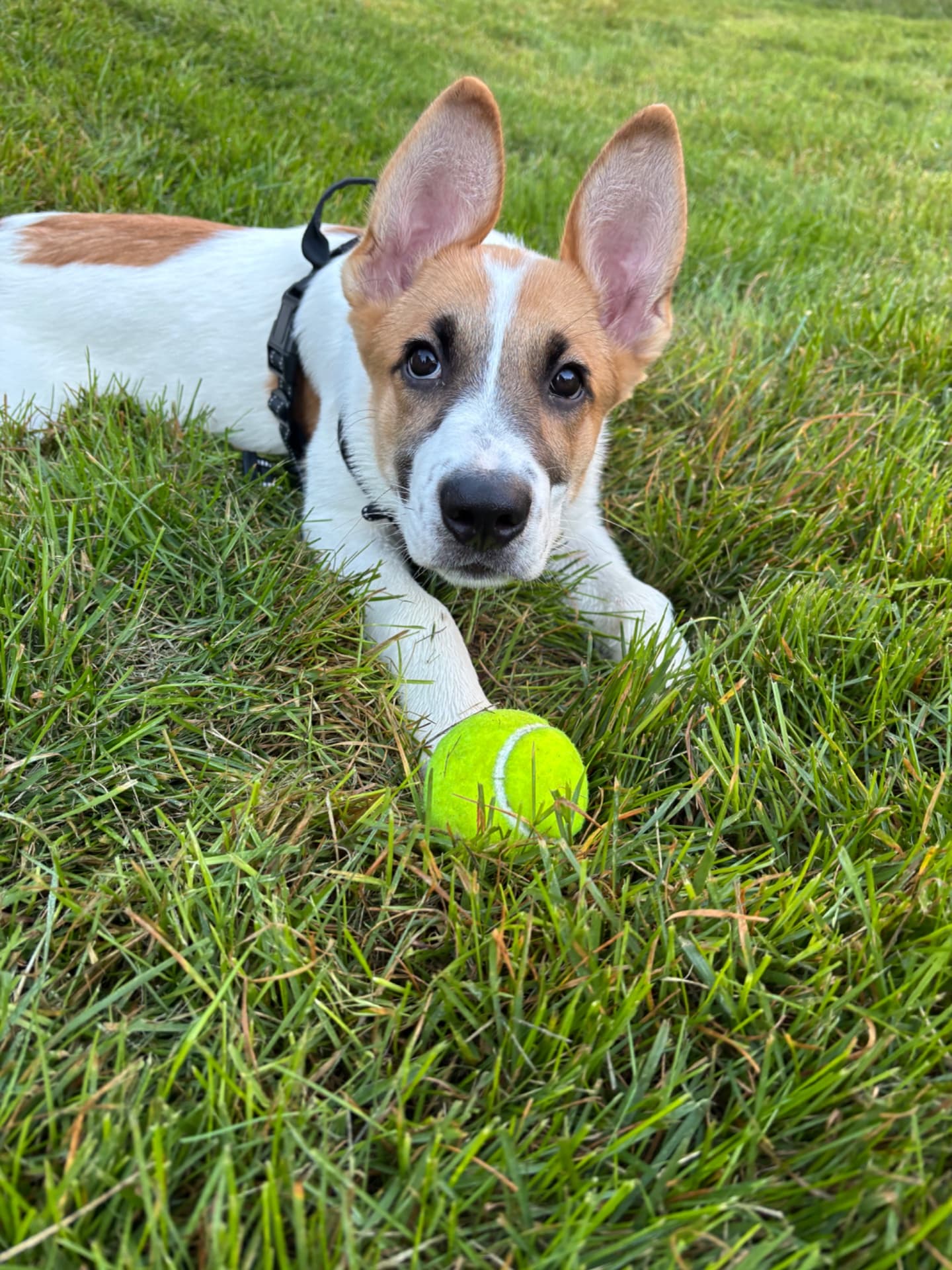
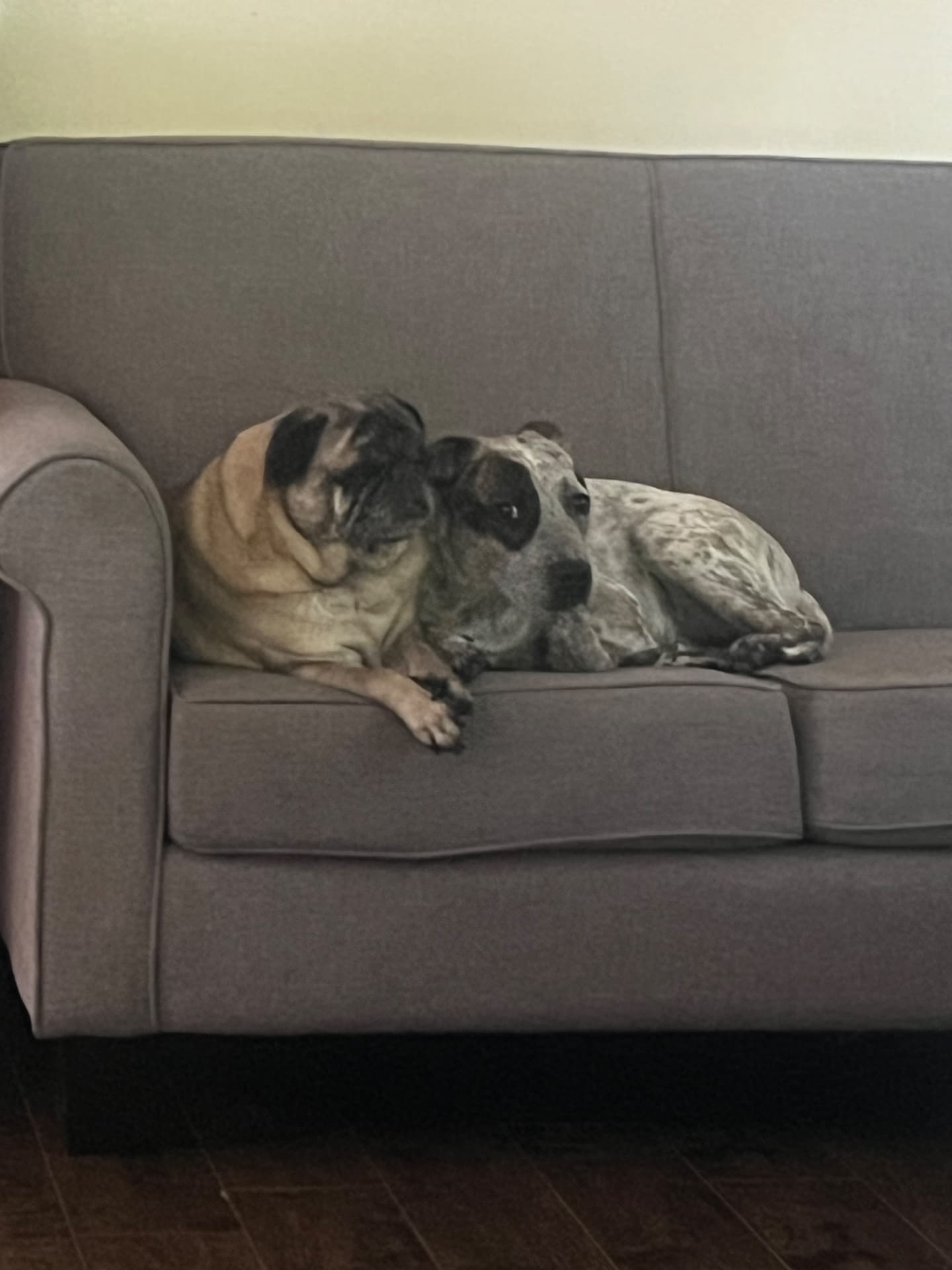
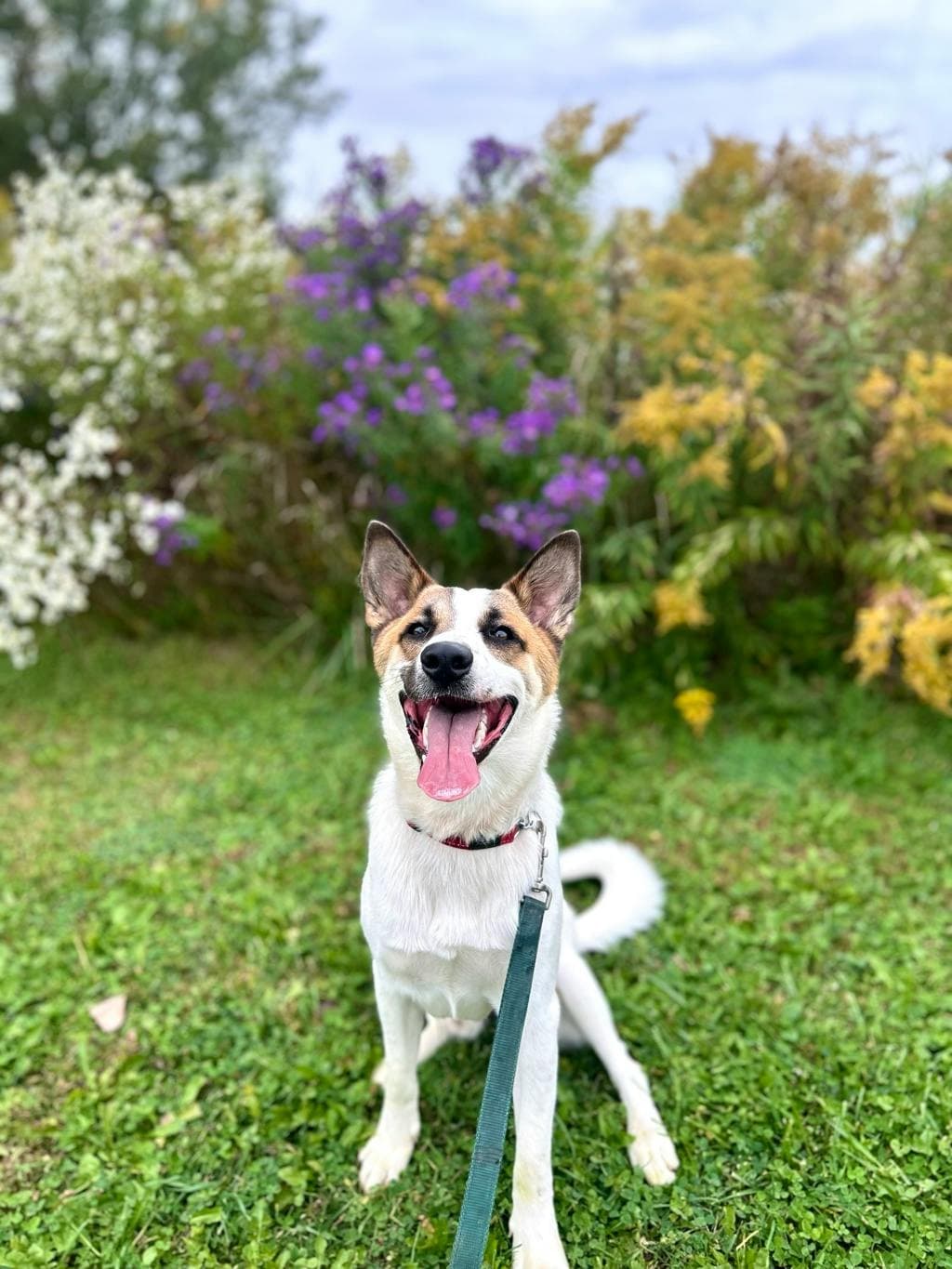
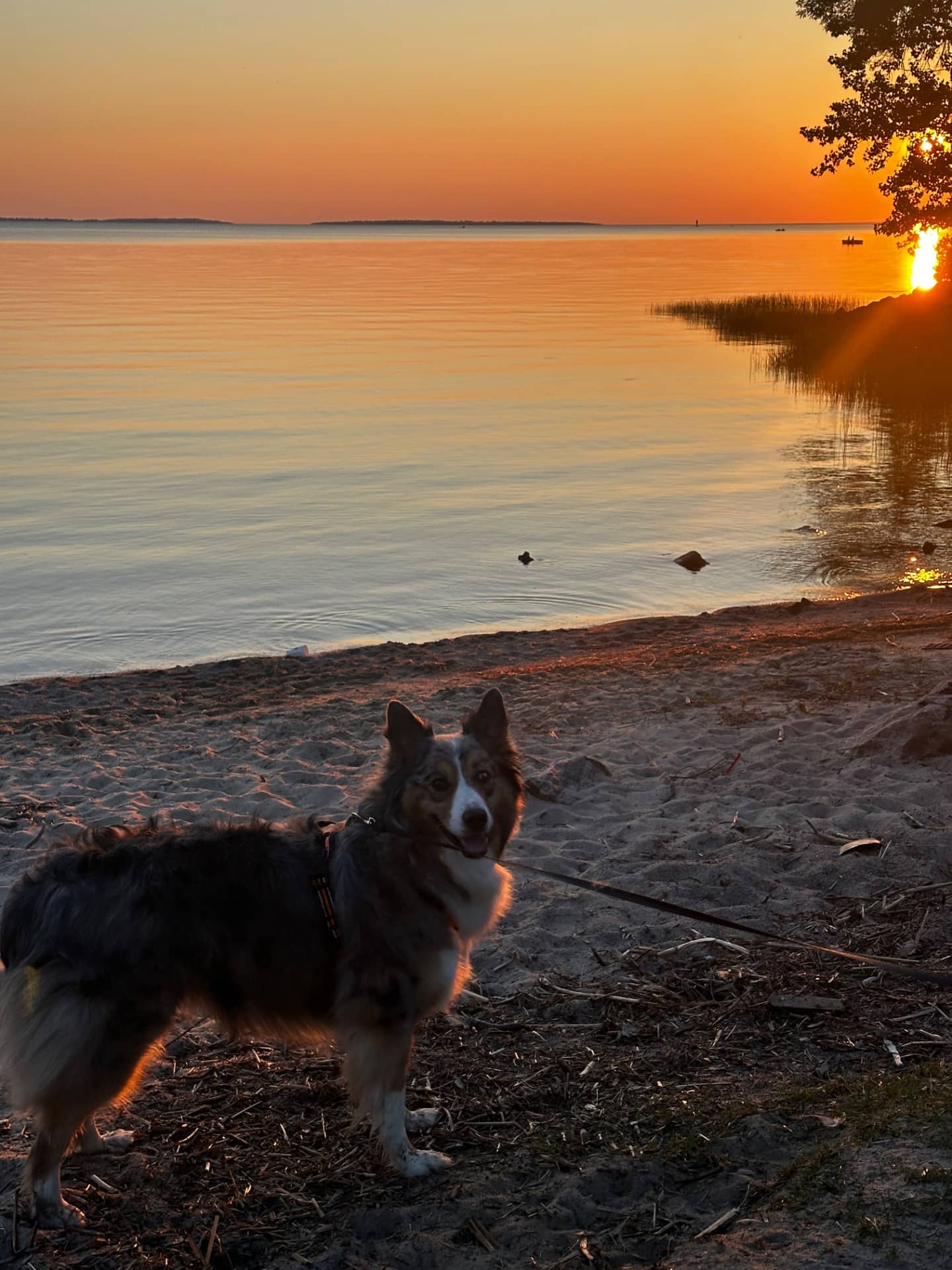
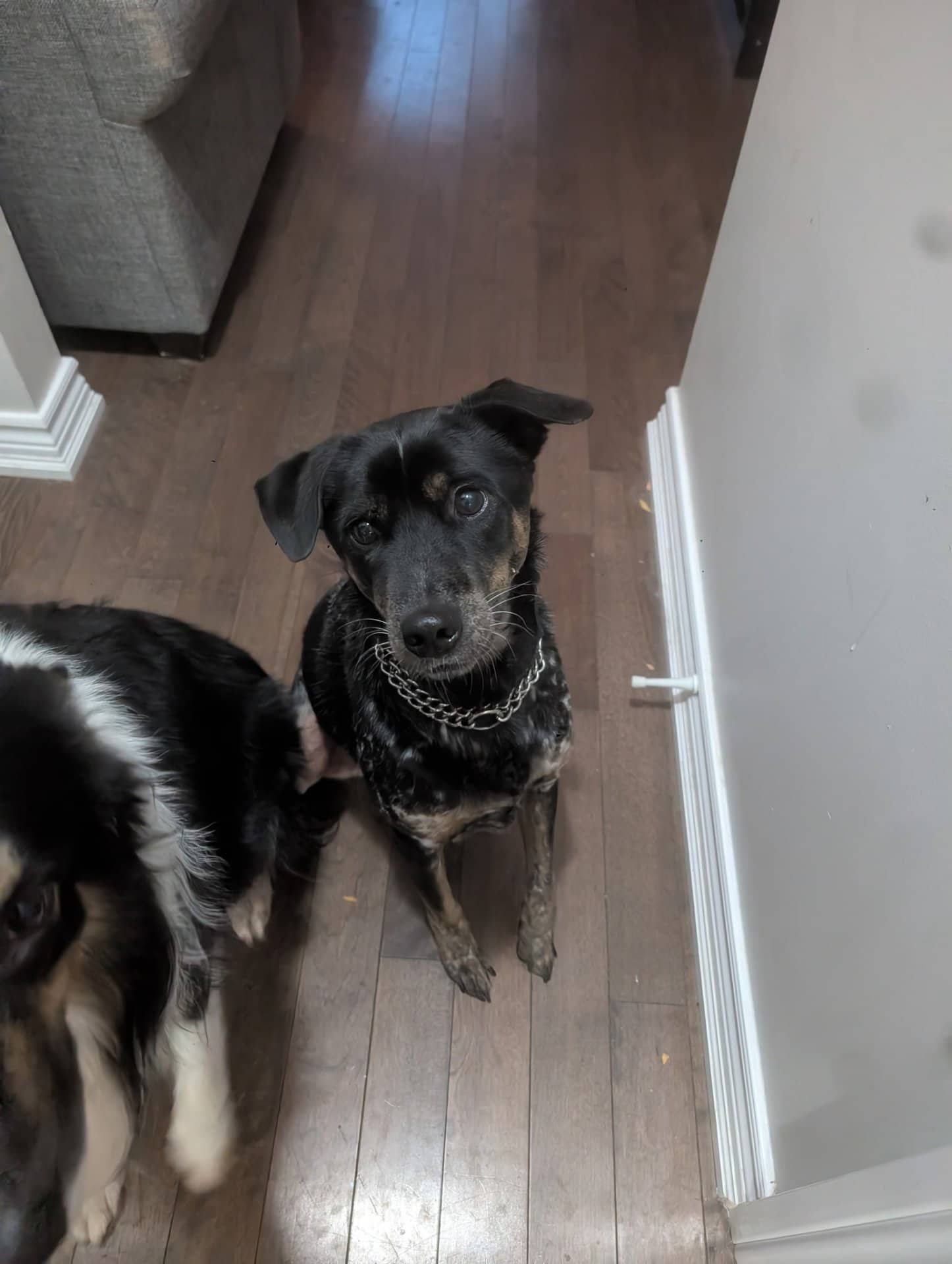
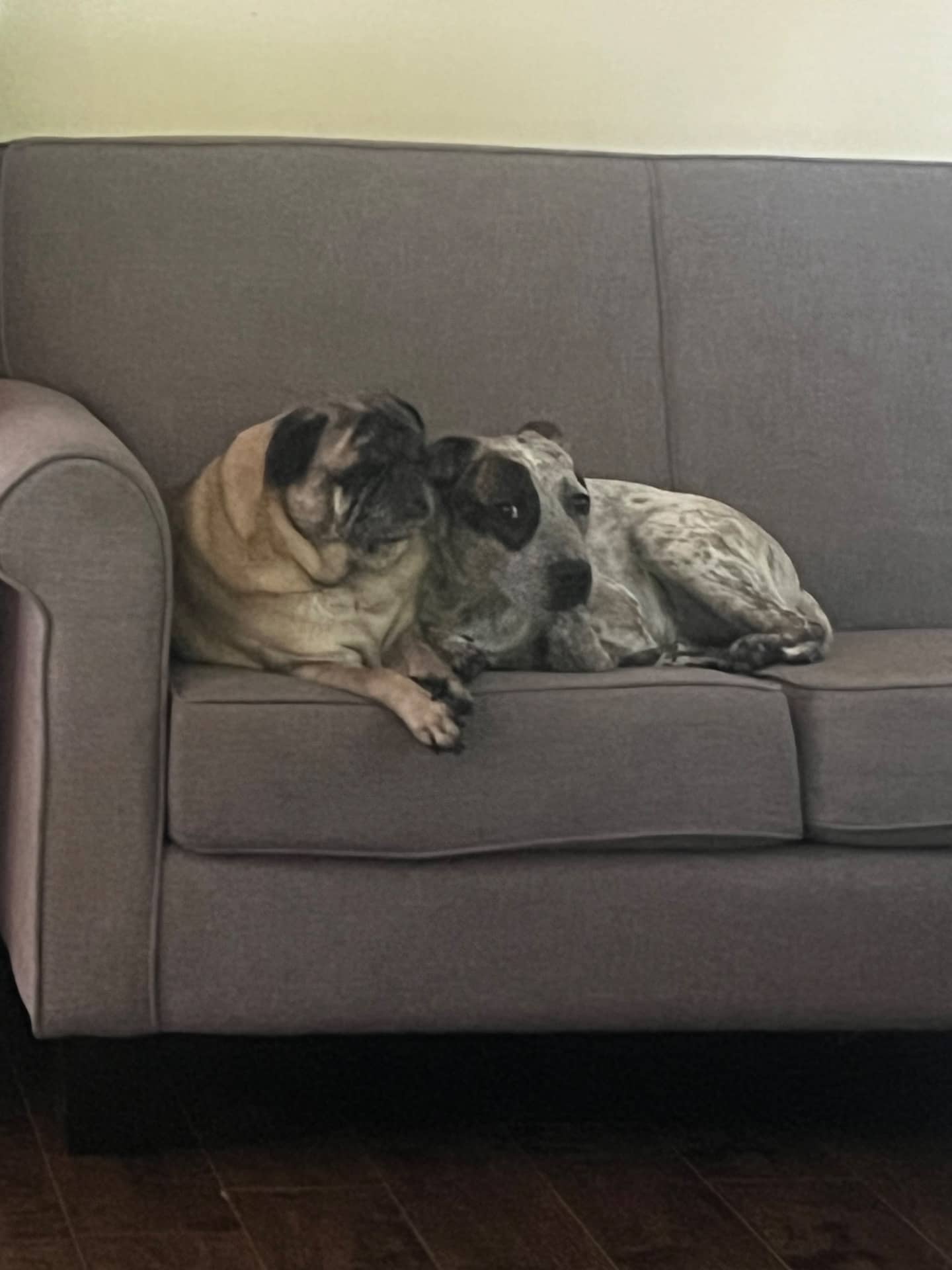
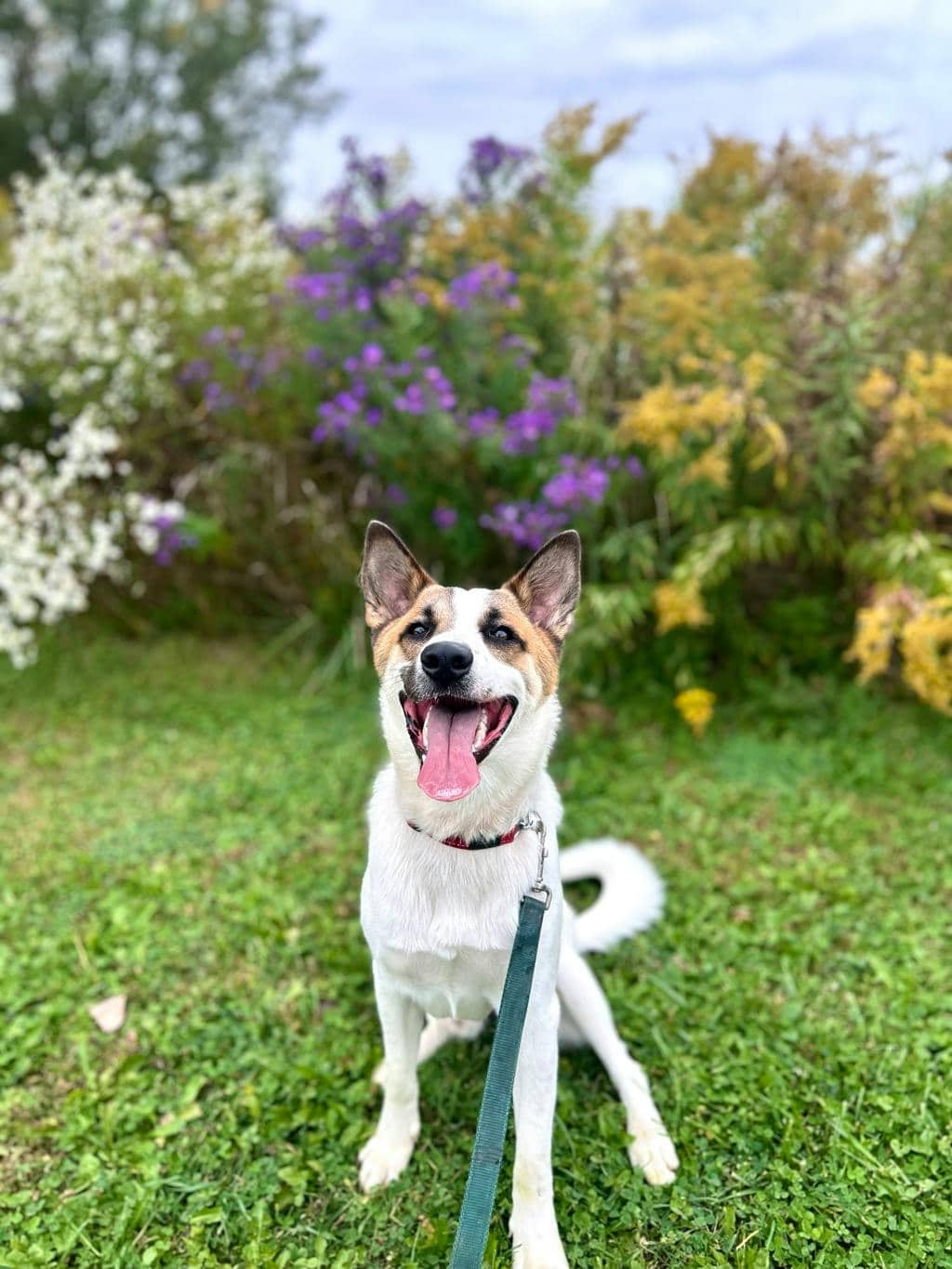

Get notified when an Australian Cattle Dog (Blue Heeler) is listed
We will email you the moment an Australian Cattle Dog (Blue Heeler) becomes available in Ontario, from a rescue or an owner rehoming.
Adopting a Blue Heeler in Ontario
Blue Heelers (Australian Cattle Dogs, or ACDs) and Heeler crosses turn up steadily in Ontario rescue, particularly through Ontario SPCA branches serving the rural areas around Kingston, Peterborough, and southwestern Ontario where working farm homes are more common. The Toronto Humane Society and Ottawa Humane Society see them less frequently. Most surrenders are 1 to 3 year old adolescents from urban GTA and Ottawa households that underestimated either the exercise demands or the herding-redirect behaviour, and rural-intake adults from working homes that could no longer keep them.
A reputable rescue will provide written foster observations on exercise tolerance, recall, dog-dog and dog-cat compatibility, stranger reactivity, and any documented heeling behaviour toward children. The breed name is literal — ACDs herd by nipping at heels, and the behaviour transfers from cattle to running children, joggers, and cyclists if not redirected early. Ask specifically about kid history and how the foster has handled it.
Working dogs in pet homes — the surrender pattern
The dominant surrender pattern in Ontario is a working dog placed in a pet home that cannot meet the exercise and mental-work demands. A dog bred to move cattle for 8 hours a day will not be satisfied by a 30-minute walk in Liberty Village or Westboro. The dog becomes neurotic, starts nipping at heels (ankles, children, the postman), fence-running, escape-attempting, and eventually surrenders. Most Ontario adopters who succeed with Heelers commit to structured training, scent work, agility, dock-diving, or genuine vigorous exercise — not just running them tired. A tired Heeler still has the brain running, and unmet mental drive becomes destructive behaviour.
The breed is also intensely bonded to one person, reserved with strangers, and often dog-selective. Toronto and Ottawa off-leash parks (High Park, Cherry Beach, Sunnybrook, Bruce Pit, Conroy Pit) can work for a well-socialised ACD with reliable recall, but the high prey drive makes squirrel-chases and rabbit-pursuits a real risk along the Don Valley and Rideau River trails. A long-line in less-secure spaces is the sensible default for the first 6 months.
Health, climate, and lifespan
ACDs handle Ontario winter well. The medium double coat insulates against dry cold; many will happily work outside at minus 20 if given a task. Toronto humid summers above 28°C are manageable with shade, water, and exercise timed to dawn or after sunset.
Health: hip dysplasia, progressive retinal atrophy (PRA — a genetic test is available), congenital deafness (particularly in red heelers and dogs with significant white in the coat — a genetic linkage to the merle and piebald patterns), and primary lens luxation. The breed is one of the longest-lived in dog — median lifespan is 13 to 15 years, with some lines reaching the high teens. The Ontario Veterinary College in Guelph and VCA Canada specialty branches handle the ophthalmology workups, and BAER hearing testing is widely available for new puppies and untested adults.
Looking more broadly? Browse every adoptable dog across the province on Dog Adoption Ontario.
The rescues that most often list Australian Cattle Dog (Blue Heeler)s across the province are Toronto Humane Society, Ottawa Humane Society, and Ontario SPCA (Ottawa Area). For breed-specific background, the Canadian Kennel Club is a useful reference.
Australian Cattle Dog (Blue Heeler) Adoption FAQ — Ontario
Tap a question to expand
How many Australian Cattle Dog (Blue Heeler)s are available for adoption in Ontario?▼
Where can I adopt a Blue Heeler near me in Ontario?▼
Are Blue Heelers good first-time owner dogs?▼
Do Heelers really nip at people?▼
How long do Blue Heelers live?▼
How much does it cost to adopt an Australian Cattle Dog (Blue Heeler) in Ontario?▼
Can I get an Australian Cattle Dog (Blue Heeler) free to a good home in Ontario?▼
Are these Australian Cattle Dog (Blue Heeler)s for sale in Ontario?▼
Where can I buy an Australian Cattle Dog (Blue Heeler) in Ontario, and should I?▼
Are there free Australian Cattle Dog (Blue Heeler)s in Ontario, or australian cattle dog (blue heeler)s under $500?▼
Are there Australian Cattle Dog (Blue Heeler) puppies in Ontario, or only adults?▼
Where can I find an Australian Cattle Dog (Blue Heeler) near me in Ontario?▼
Popular dog breeds in Ontario
Australian Cattle Dog (Blue Heeler) adoption by city in Ontario
Each city page lists only the australian cattle dog (blue heeler)s available from rescues serving that city, with local adoption details.
Need to rehome a Australian Cattle Dog (Blue Heeler)?
If you can no longer keep your Australian Cattle Dog (Blue Heeler), you can list them for free on LocalPetFinder. Your dog stays in your home until you find the right family, you screen who applies, and there is no surrender fee. Not sure yet? Our guide to surrendering a dog in Canada walks through every option first.
List your dog for free →