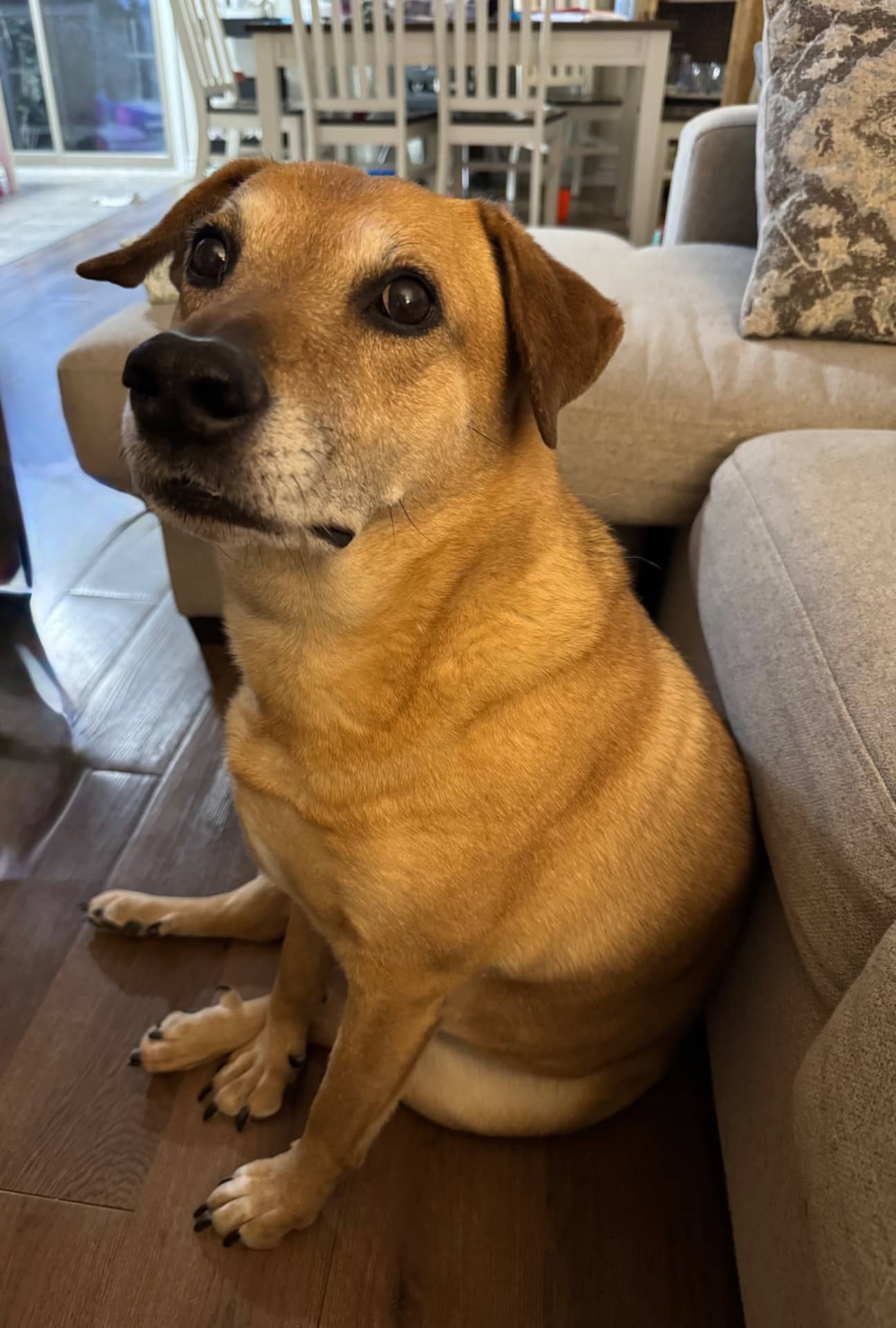
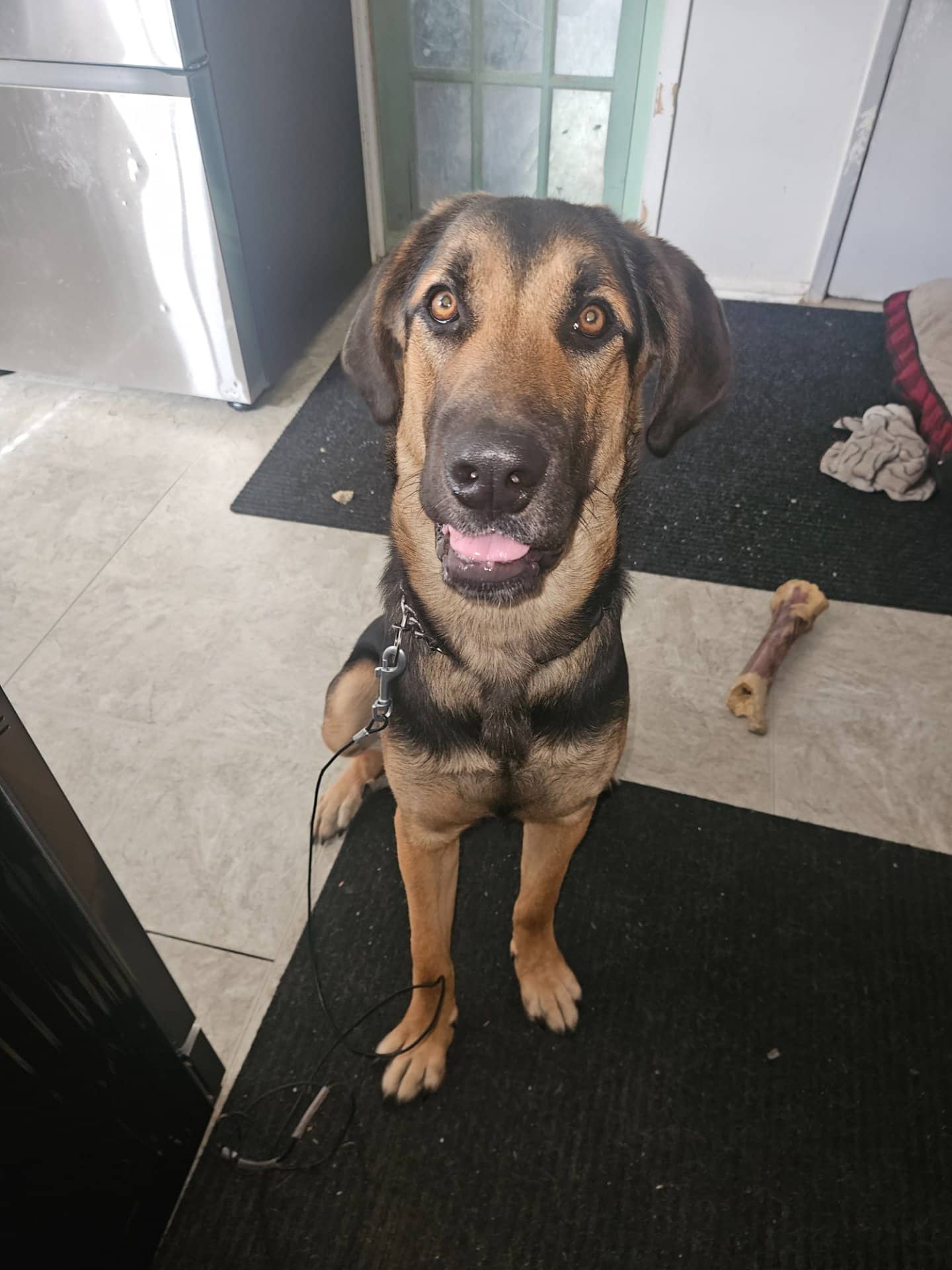
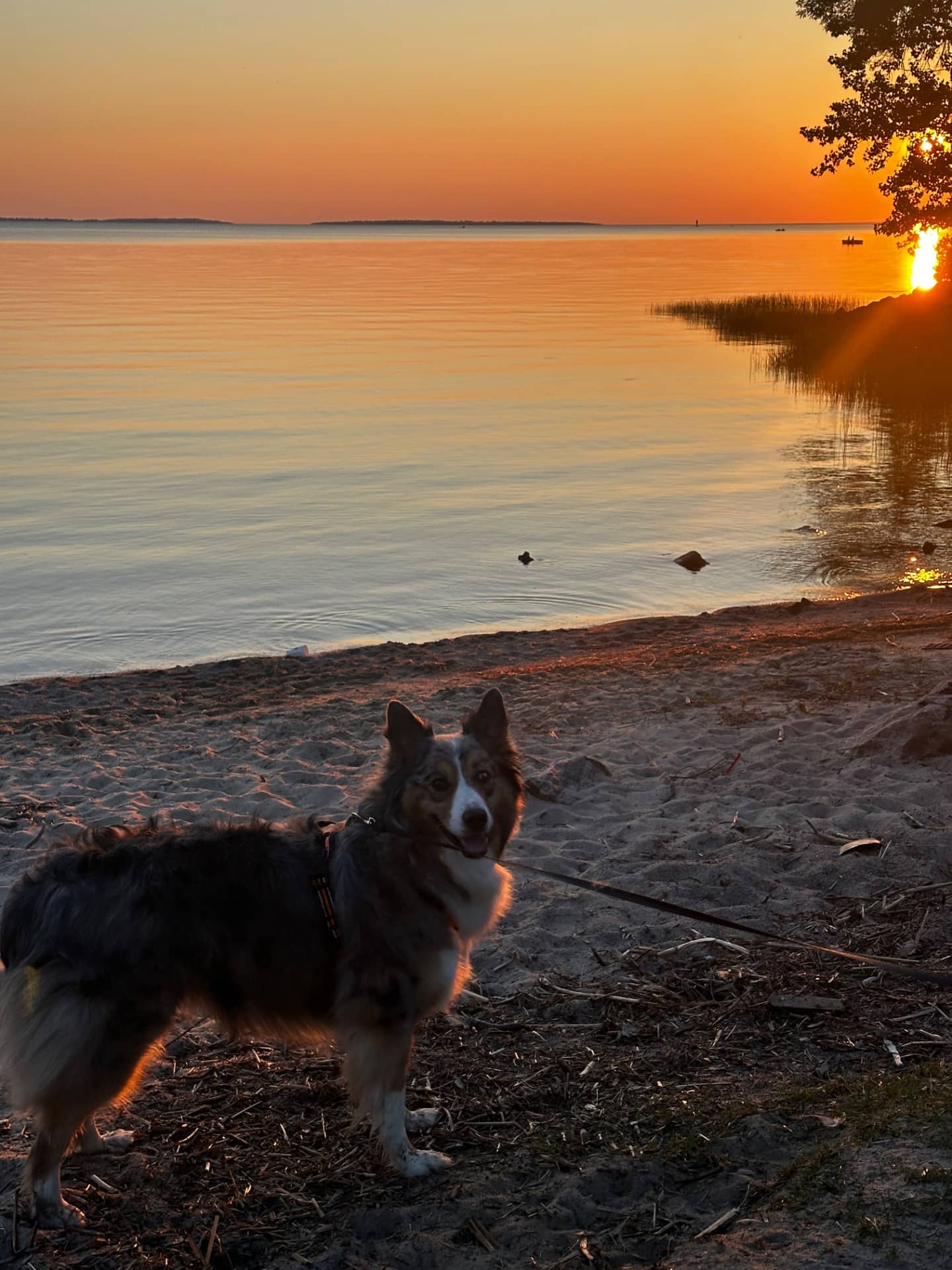
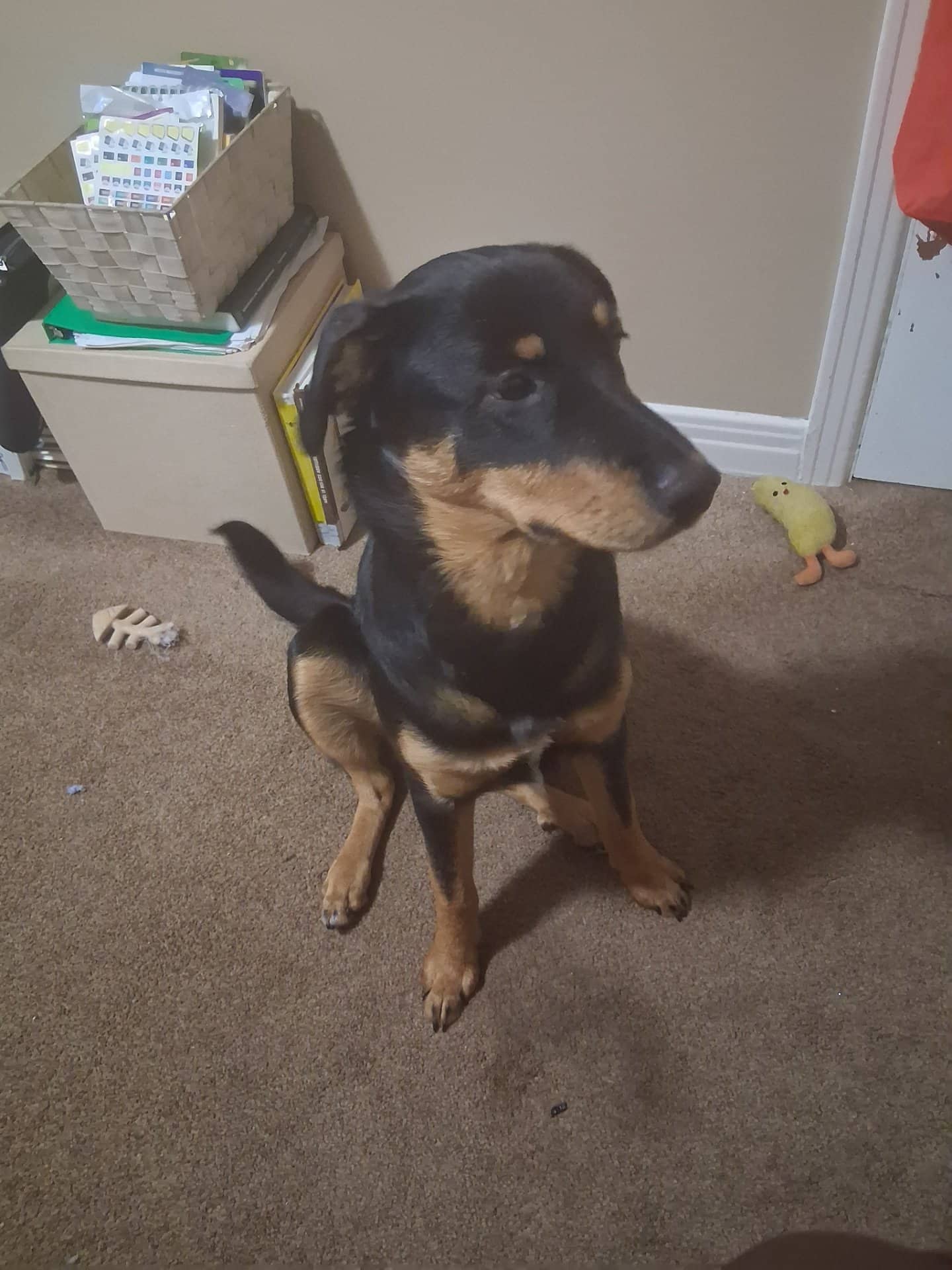
30 Shepherd Mix puppies available in Ontario
Under a year old, listed by rescues and shelters. Updated as shelters publish.
See all 30 Shepherd Mix puppies in Ontario →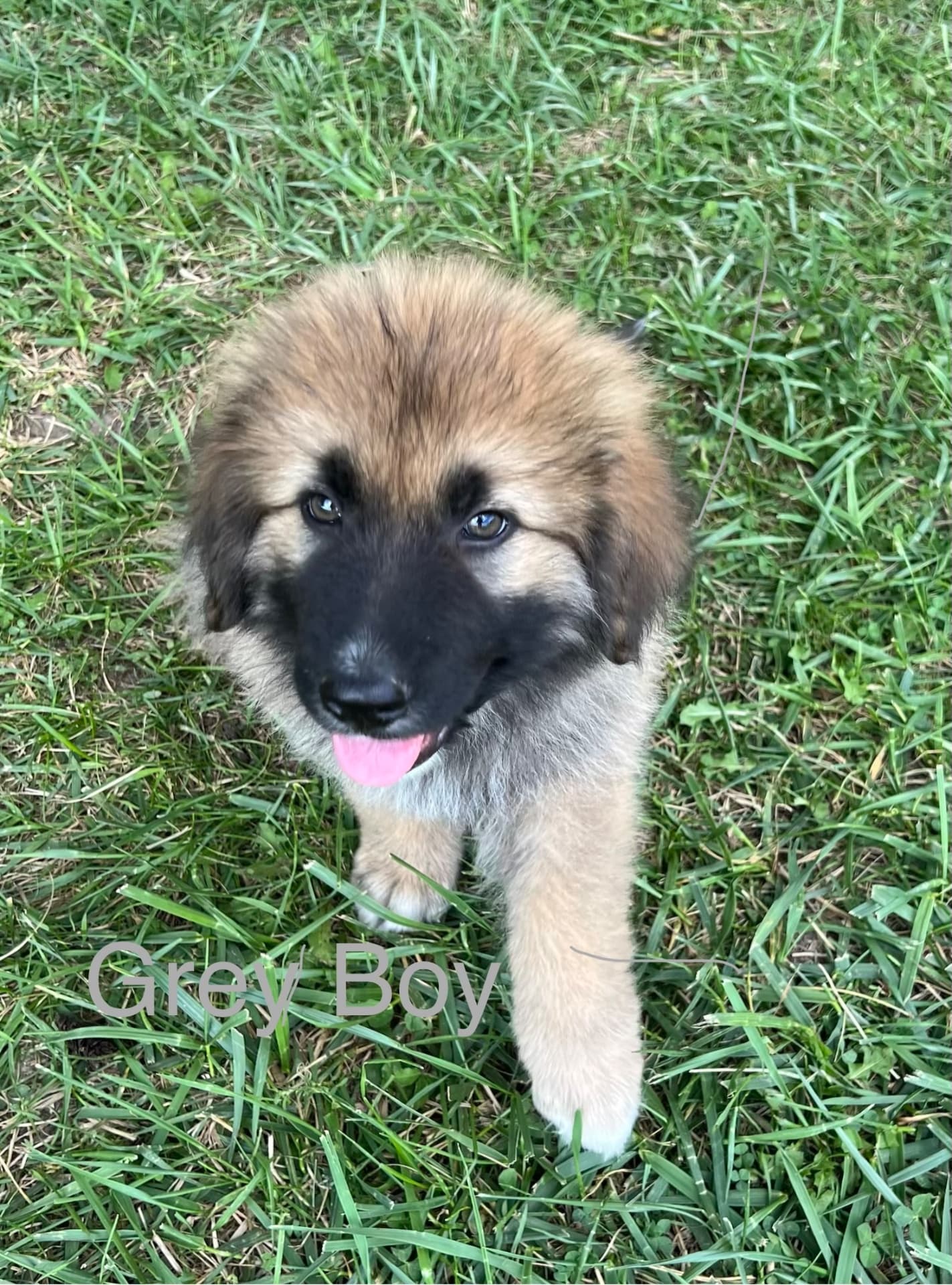
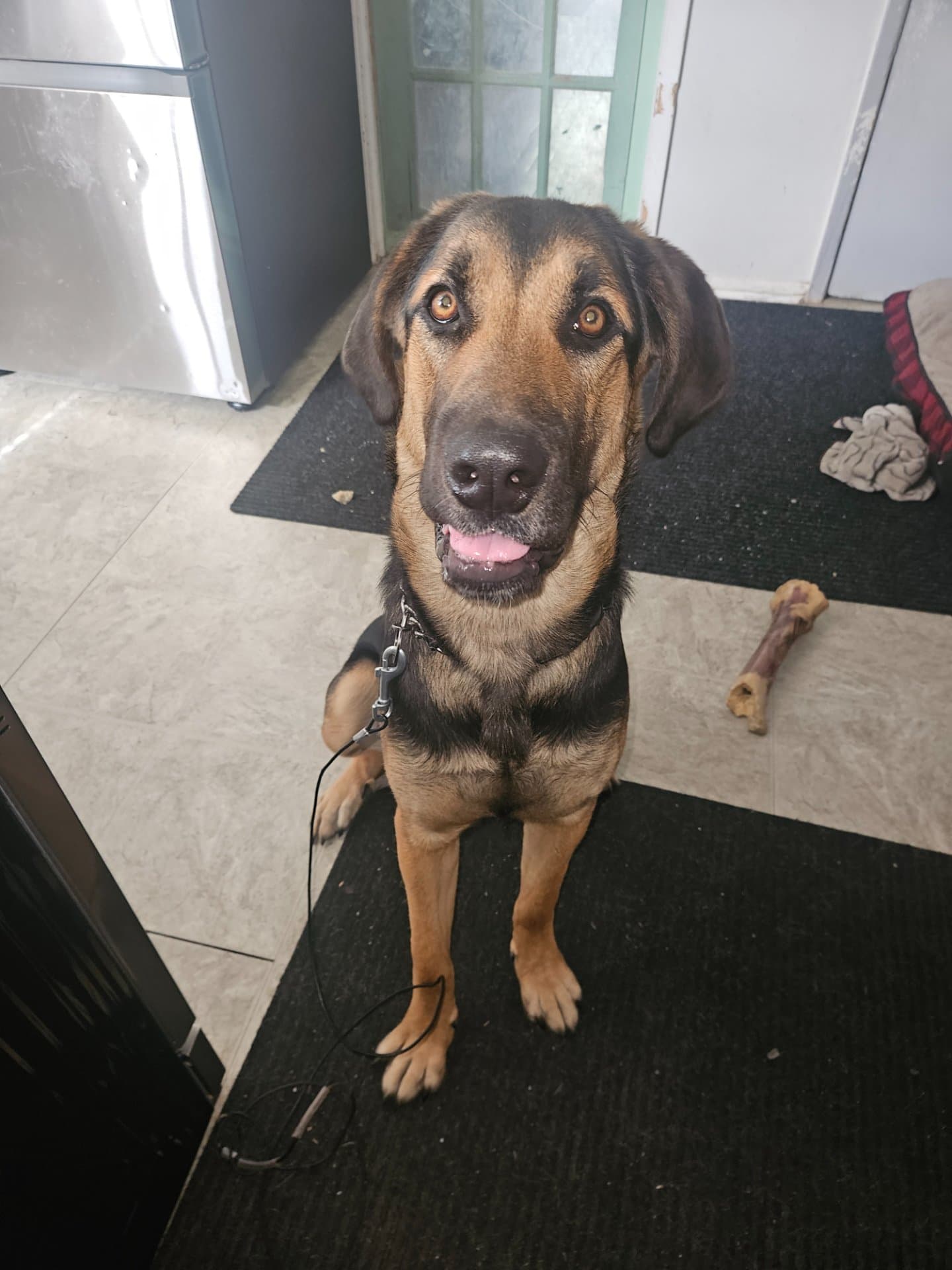
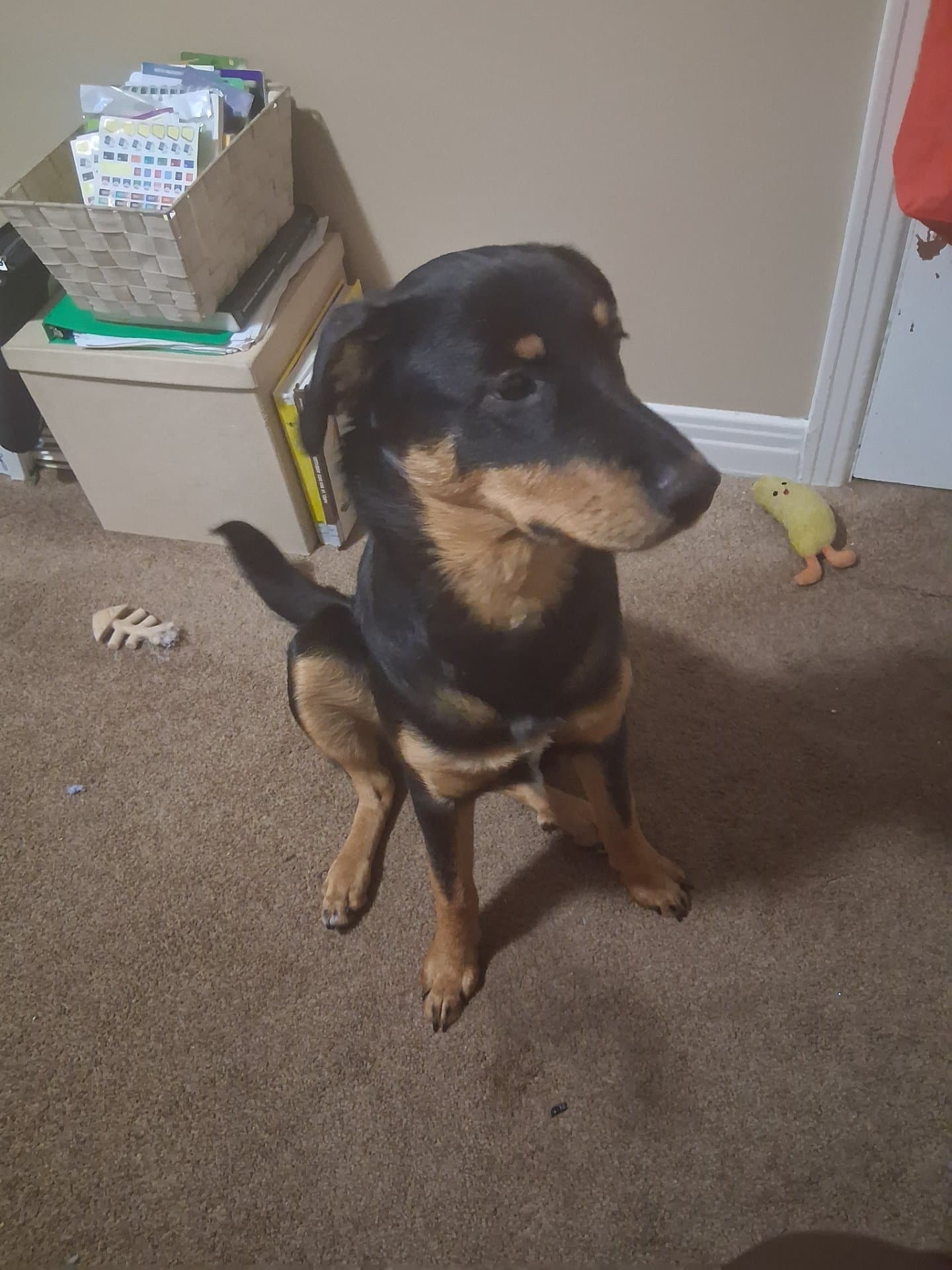
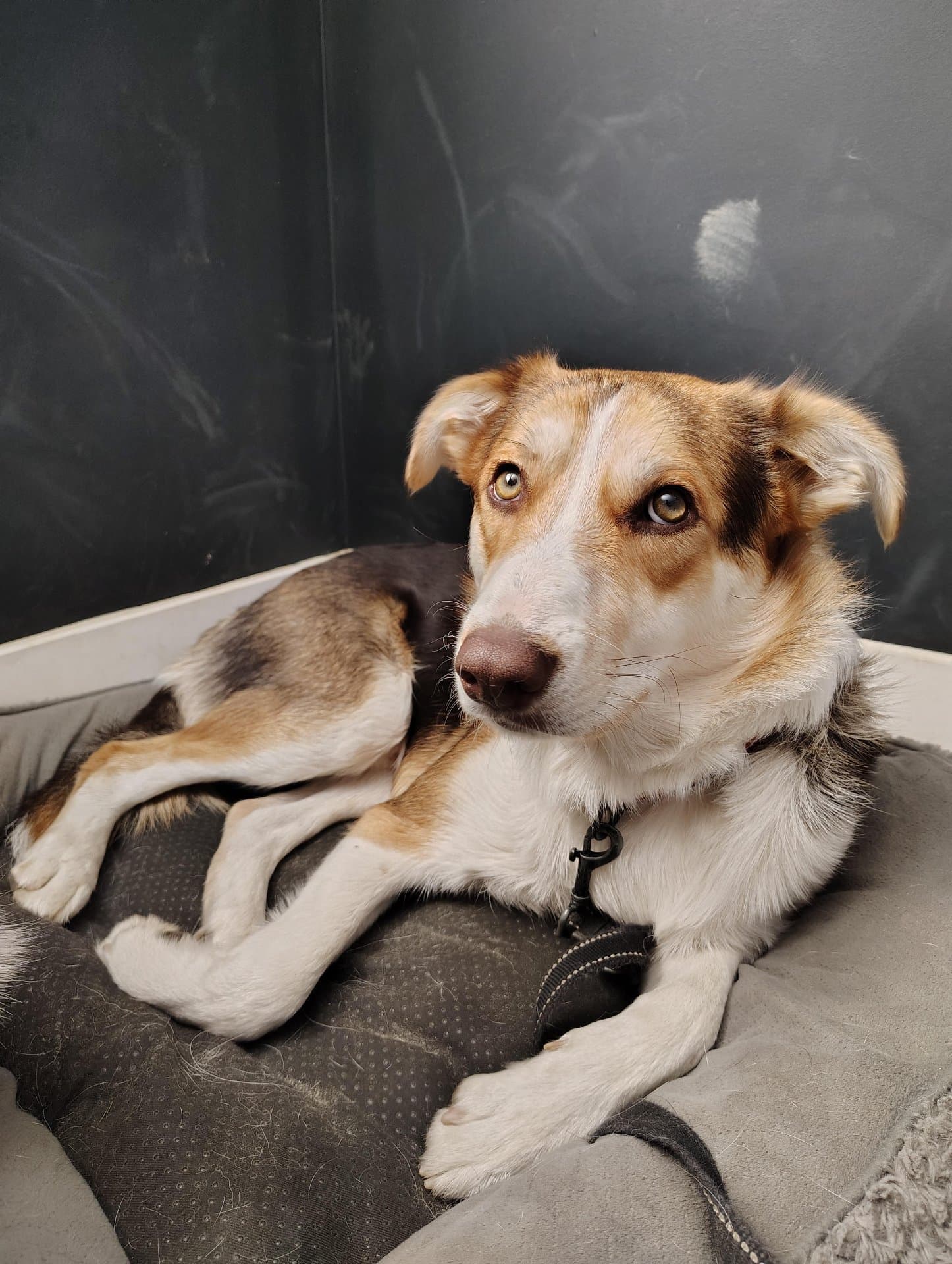
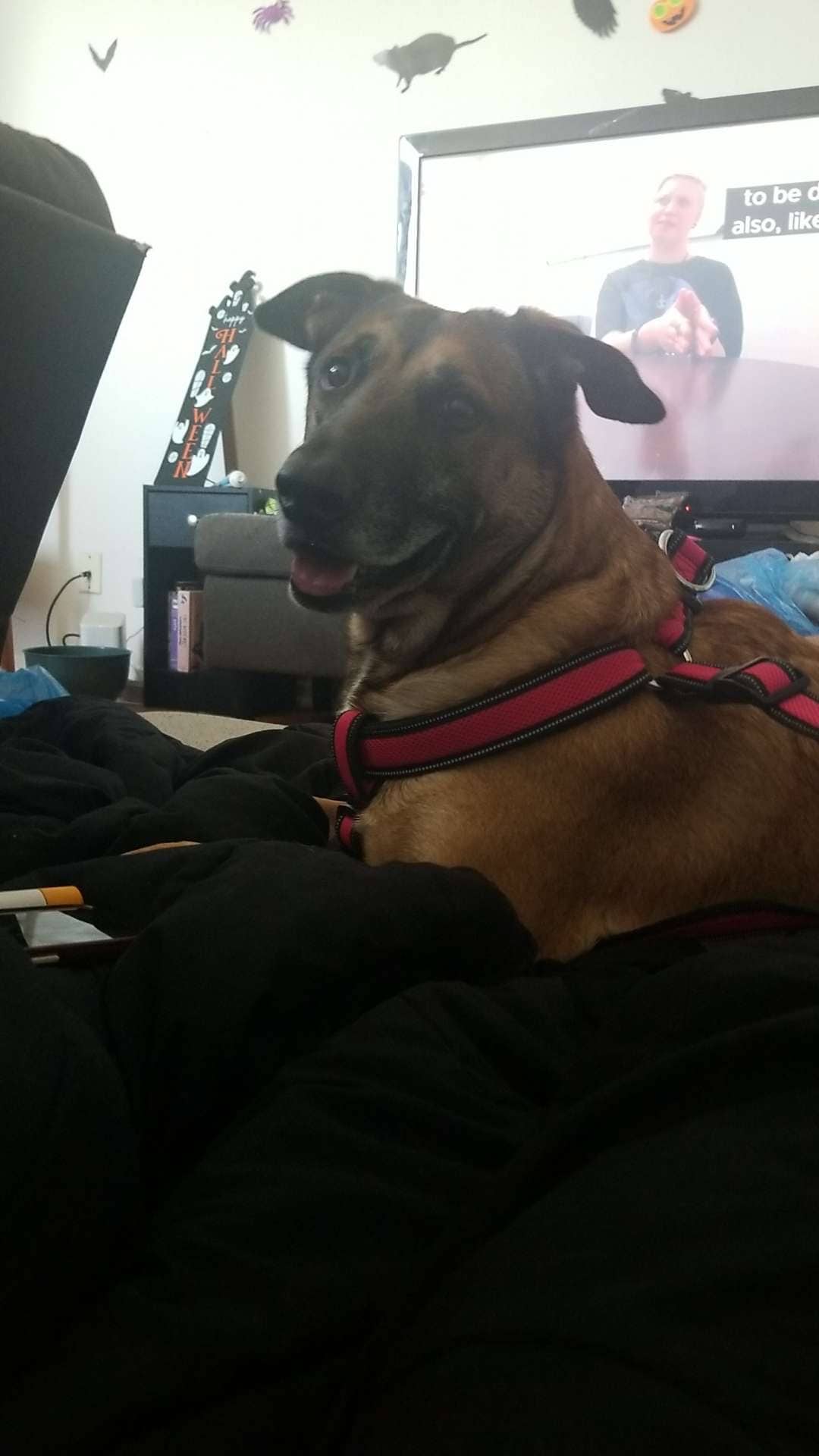
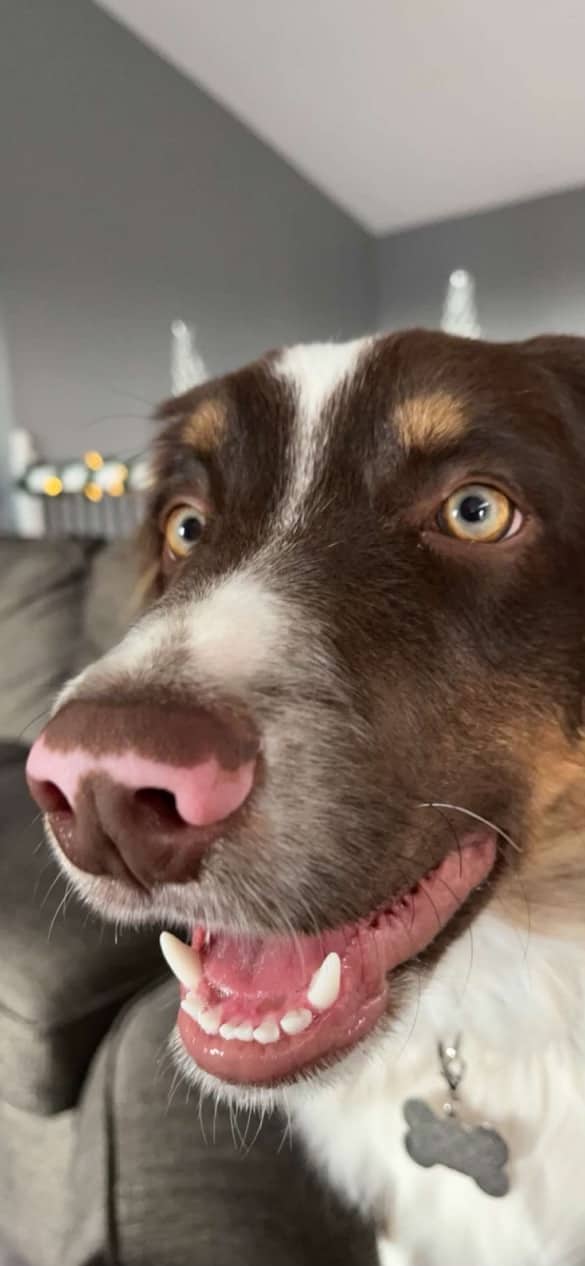
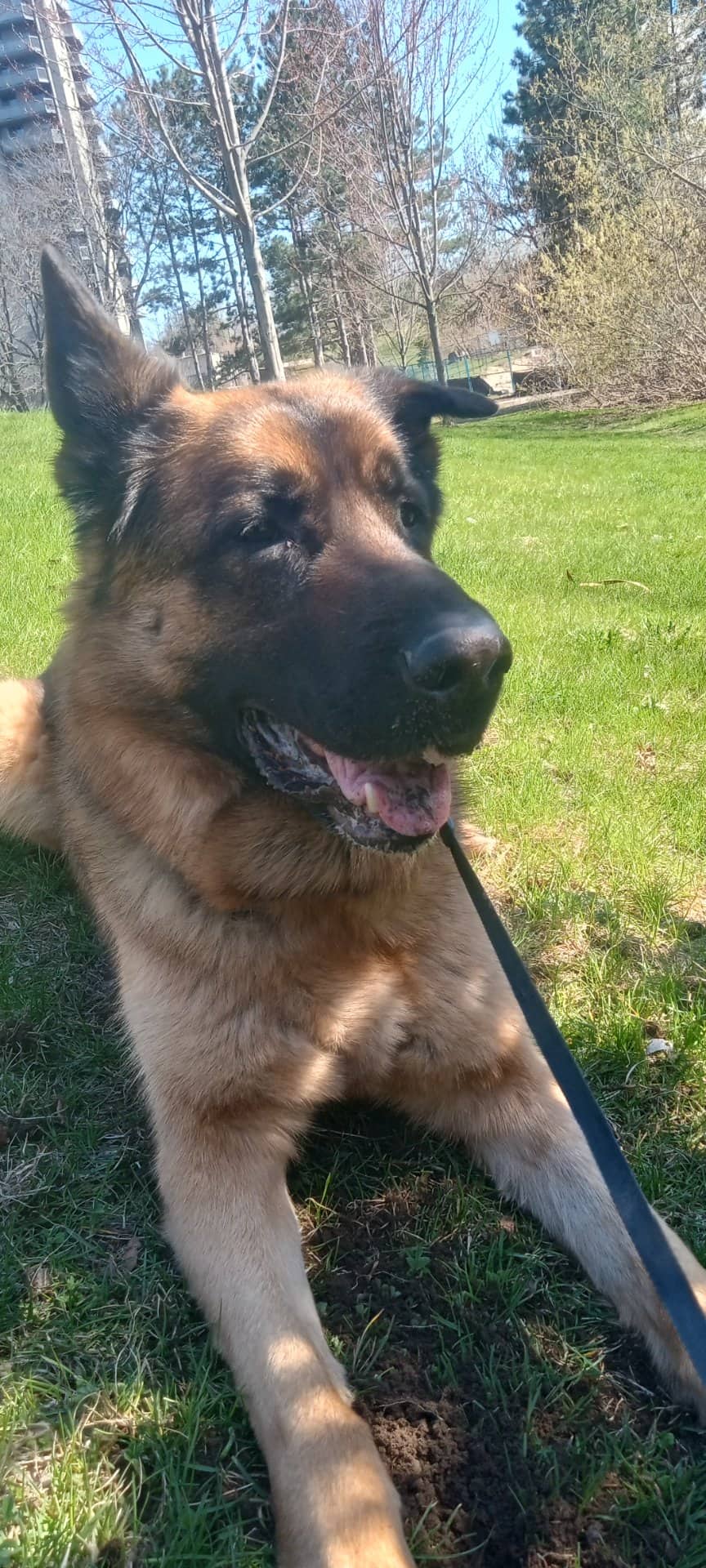
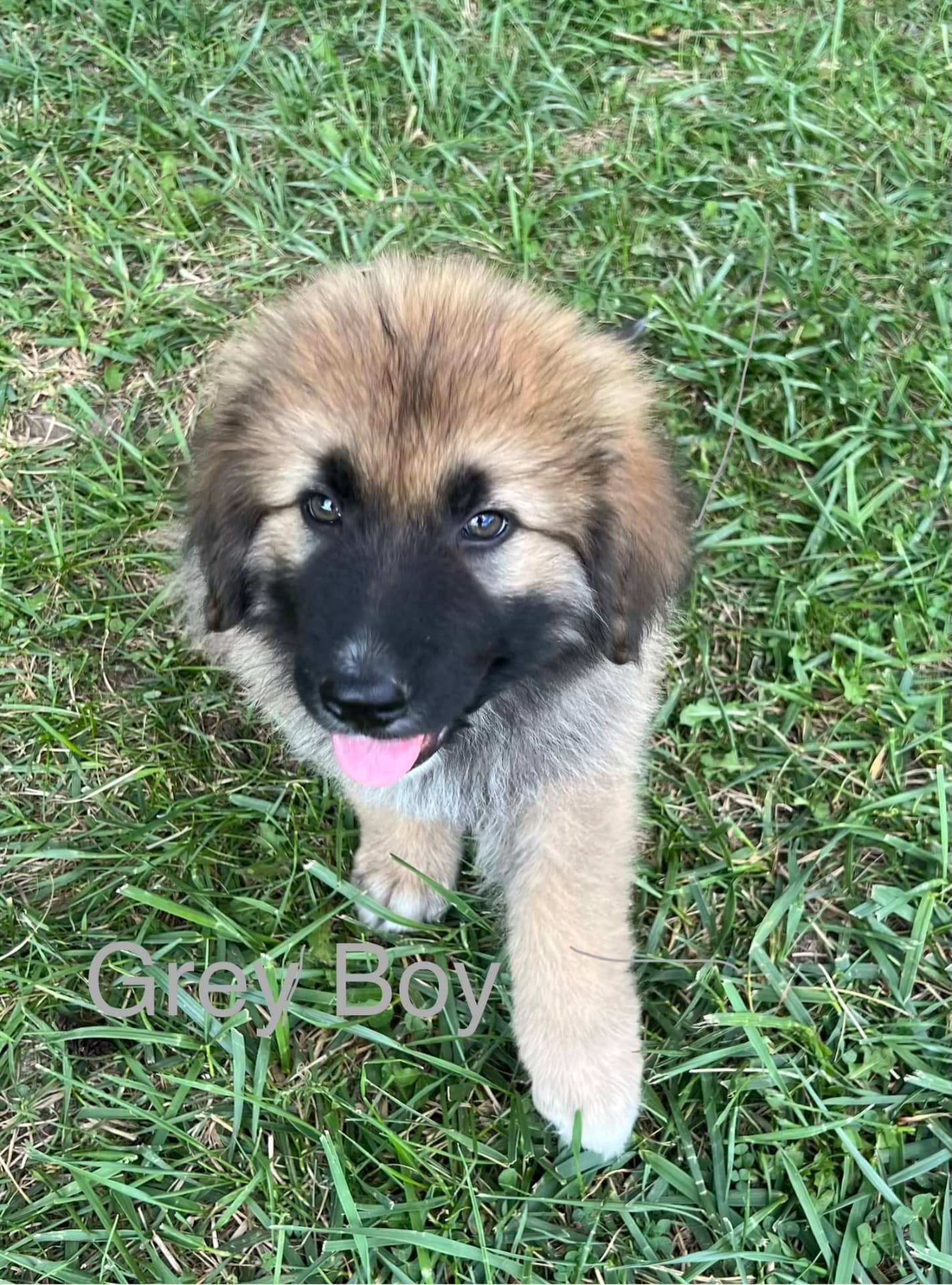
Get notified when a Shepherd Mix is listed
We will email you the moment a Shepherd Mix becomes available in Ontario, from a rescue or an owner rehoming.
Adopting a Shepherd-mix dog in Ontario
Shepherd-mix dogs are the single most common rescue dog type in Ontario. The Toronto Humane Society, the Ottawa Humane Society, City of Toronto Animal Services, and the Ontario SPCA branches across the province see steady Shepherd-mix intake — many from rural transfers, some from urban surrenders, and some from northern community transfer programs. Most have unknown parentage but visible Shepherd characteristics: pricked or semi-pricked ears, sable or black-and-tan coats, 45 to 80 lbs, medium-length double coats. Common identified crosses include Sheprador (German Shepherd + Labrador), Shollie (Shepherd + Border Collie or Collie), and Shepsky (Shepherd + Husky).
A reputable rescue will provide written foster observations on energy level, dog-dog and dog-cat compatibility, stranger reactivity, and any documented destructive or anxious behaviour. With mixed-breed dogs the foster observations matter more than they would for a purebred, because the breed cross can pull the dog's temperament in unpredictable directions and the foster has spent weeks watching the actual individual rather than predicting from breed alone.
DOLA visual misidentification — a real Ontario issue
The Ontario Dog Owners Liability Act restricts Pit Bulls and "dogs of substantially similar physical characteristics", and Shepherd-Pit crosses are commonly visually misidentified as restricted under the Act. A Shepherd-mix dog with a blocky head, muscular build, and short coat can attract DOLA enforcement attention regardless of actual genetics, particularly in Toronto where municipal officers exercise visual identification. Reputable Ontario rescues are increasingly DNA-testing intake dogs of ambiguous appearance to document non-Pit-Bull genetics before placement, which can be helpful if a future neighbour complaint triggers enforcement.
Embark and Wisdom Panel DNA tests run $130 to $200 and tell you what you are actually adopting. The result also affects health planning — a Shepherd-Boxer cross carries DCM cardiac risk, a Shepherd-Doberman cross carries DCM plus von Willebrand risk, a Shepherd-Husky carries eye-disease and prey-drive considerations, and a Shepherd-Lab is generally healthier than either purebred parent. Ask the rescue whether DNA testing has been done, and if not, whether they can hold the dog for a test if you want the result before signing.
Health, exercise, and Ontario climate
Genetics-based health varies by mix. Common concerns across Shepherd-mix populations include hip and elbow dysplasia, panosteitis in growing puppies (a self-resolving but painful long-bone condition), allergies and atopic dermatitis, gastrointestinal sensitivity, exercise-induced collapse, and degenerative myelopathy in dogs with substantial Shepherd heritage. If Boxer or Doberman is in the mix, dilated cardiomyopathy (DCM) screening becomes worthwhile. The Ontario Veterinary College in Guelph and VCA Canada specialty branches handle the orthopaedic, dermatology, and cardiology workups.
Exercise demands depend on the dominant breed — a Shepherd-Lab cross typically needs 60 to 90 minutes of daily activity, a Shepherd-Husky needs more plus serious containment, a Shepherd-Border Collie needs structured mental work as well as physical exercise. Toronto and Ottawa winters are comfortable for the breed type; humid summers above 28°C with humidex require shade, water, and exercise timed to dawn or after sunset. Median lifespan is 10 to 14 years depending on size and cross.
Looking more broadly? Browse every adoptable dog across the province on Dog Adoption Ontario.
The rescues that most often list Shepherd Mixes across the province are Toronto Humane Society, Ottawa Humane Society, and Ontario SPCA (Ottawa Area). For breed-specific background, the Canadian Kennel Club is a useful reference.
Shepherd Mix Adoption FAQ — Ontario
Tap a question to expand
How many Shepherd Mixes are available for adoption in Ontario?▼
Where can I adopt a Shepherd Mix near me in Ontario?▼
Should I DNA-test a Shepherd-mix rescue dog?▼
Can a Shepherd-mix be misidentified under DOLA in Ontario?▼
How much exercise does a Shepherd-mix need?▼
How much does it cost to adopt a Shepherd Mix in Ontario?▼
Can I get a Shepherd Mix free to a good home in Ontario?▼
Are these Shepherd Mixes for sale in Ontario?▼
Where can I buy a Shepherd Mix in Ontario, and should I?▼
Are there free Shepherd Mixes in Ontario, or shepherd mixes under $500?▼
Are there Shepherd Mix puppies in Ontario, or only adults?▼
Where can I find a Shepherd Mix near me in Ontario?▼
Popular dog breeds in Ontario
Shepherd Mix adoption by city in Ontario
Each city page lists only the shepherd mixes available from rescues serving that city, with local adoption details.
Need to rehome a Shepherd Mix?
If you can no longer keep your Shepherd Mix, you can list them for free on LocalPetFinder. Your dog stays in your home until you find the right family, you screen who applies, and there is no surrender fee. Not sure yet? Our guide to surrendering a dog in Canada walks through every option first.
List your dog for free →