The short answer
Chihuahuas are one of the longest-lived breeds (~14 to 16 years) but, as a toy breed, prone to: dental disease (they're highly prone, so diligent dental care is critical, and the single most important routine task), patellar luxation (slipping kneecaps), tracheal collapse (use a harness, never a collar), heart conditions (murmurs, mitral valve disease, PDA in some), and hypoglycemia (in puppies and very tiny dogs). Also hydrocephalus (in very small “apple-head” dogs) and eye issues. The two biggest things you control: serious dental care and a harness, not a collar. Keep the dog lean. Because dental and orthopedic costs recur over a long life, the insurance case is real, insure while young.
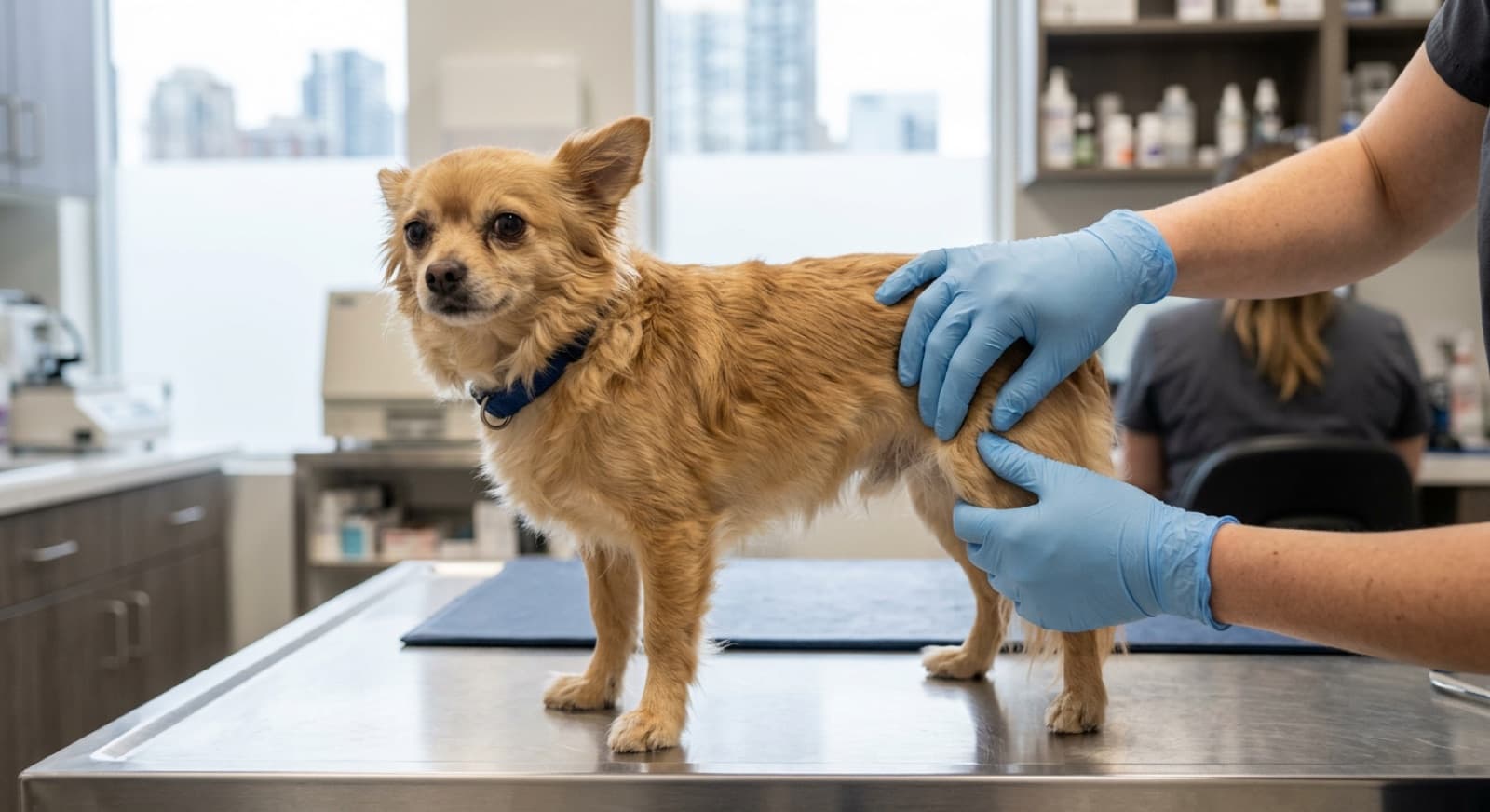
Chihuahuas are wonderfully long-lived little dogs, but as a toy breed they come with a characteristic set of conditions. The good news is that the two most important, dental health and tracheal protection, are largely in your hands. Here is the medical picture, condition by condition, starting with the one that matters most.
Dental disease: take it seriously
As a tiny toy breed, Chihuahuas are highly prone to dental disease, the normal number of teeth crammed into a very small mouth, leading to crowding, tartar, gum disease, and tooth loss, and they're among the most affected breeds. It's not just a mouth problem: it's painful, and the bacteria can affect the heart, kidneys, and other organs, so dental health genuinely affects overall health and lifespan.
Diligent dental care is one of the most important things a Chihuahua owner does: regular tooth brushing (ideally daily, dog-specific toothpaste), dental chews as a supplement (not a replacement), and periodic professional cleanings under anesthesia as recommended (a real recurring cost). Watch for bad breath, red or bleeding gums, tartar, difficulty eating, or loose teeth. A rescue Chihuahua is often older, so dental disease may already be present, a dental check should be part of early care, and some need dental work (including extractions) soon after adoption. Dental care is arguably the single most important routine health task for the breed. The VCA dental disease guide is worth reading.
Knees and trachea (harness, not collar)
Patellar luxation (slipping kneecaps) is very common in Chihuahuas, the kneecap slips out of its groove, causing an intermittent skip or hop, or briefly holding a leg up; mild to surgical. Have any skipping gait or leg-holding assessed. Tracheal collapse (a weakening of the windpipe, causing a honking cough and breathing difficulty) is seen in toy breeds, which is why you should always use a harness, not a neck collar, a collar pressures the delicate trachea when the dog pulls, worsening collapse, while a harness distributes pressure across the chest.
Many mild patellar cases are managed conservatively (keeping the dog lean, appropriate exercise, monitoring); severe ones may need surgery. Beyond the harness, protect the trachea by keeping the dog lean (obesity worsens it), avoiding smoke and irritants, and seeing a vet if a honking cough develops. These simple measures, a harness and a lean body, meaningfully protect a Chihuahua's knees and windpipe.
Heart, blood sugar, and other conditions
Heart: Chihuahuas can be prone to certain heart conditions (detected as a murmur), including mitral valve disease and, in some, patent ductus arteriosus, so routine care including listening to the heart is worthwhile, and any coughing, exercise intolerance, or laboured breathing warrants assessment. Hypoglycemia: low blood sugar is a risk in puppies and very tiny adults (weakness, wobbliness, trembling), feed small, regular meals and avoid long gaps; much less of a concern for a normal-size adult. Other: hydrocephalus (in very small “apple-head” dogs, sometimes with a molera/soft spot) and eye issues (the prominent eyes are vulnerable).
Most individual Chihuahuas won't develop most of these, and the breed is generally long-lived, but awareness helps. The practical priorities remain dental care (above all), harness use and weight control (trachea and joints), watching for patellar luxation, hypoglycemia awareness in very tiny dogs, and routine vet care with attention to the heart and eyes. See our adoption guide on the cold sensitivity too.
Lifespan and the insurance case
Chihuahuas are one of the longest-lived breeds, typically ~14 to 16 years or beyond. Take dental care very seriously, always use a harness, keep the dog lean, feed appropriately (small regular meals for very tiny dogs), protect it from cold (Montreal winters) and injury, and stay on routine vet care. On insurance: worth considering, the breed's potential conditions, dental (cleanings and extractions over a long life), patellar luxation (surgery), tracheal collapse (ongoing management), and heart conditions, can be costly, and the long lifespan means many years for conditions to arise. Toy-breed dental in particular generates recurring costs.
Take out insurance while the dog is young and healthy, before any condition is diagnosed and excluded. Compare providers, and check whether dental (such a big issue for the breed) is covered, since many policies exclude or limit it. If you self-insure, keep a solid vet fund with dental care in mind, dental is a near-certain recurring cost. For an adopted adult or senior, some conditions (especially dental) may already be present, and a rescue Chihuahua may need dental work soon after adoption regardless. Montreal vet care isn't cheap.
Browse adoptable dogs in Montreal
A good rescue shares a dog's known health history, including any dental needs. Refreshed regularly across Montreal-area organizations.
See Available Dogs →Frequently Asked Questions
What are the main health problems?
As a toy breed: dental disease (the biggest), patellar luxation, tracheal collapse (use a harness), heart conditions, and hypoglycemia (in tiny dogs), plus hydrocephalus (in very small “apple-head” dogs) and eye issues. Generally very long-lived (14 to 16 years) despite the list.
Why is dental care so important?
Toy breeds cram a full set of teeth into a tiny mouth, so Chihuahuas are highly prone to dental disease, which is painful and whose bacteria can affect the heart and kidneys. Brush regularly, use dental chews as a supplement, and get professional cleanings as needed. It's the single most important routine health task, and rescue Chihuahuas often need dental work.
What are patellar luxation and tracheal collapse?
Patellar luxation (slipping kneecaps) is common, causing an intermittent skip in the gait, mild to surgical; have any skipping assessed. Tracheal collapse (a weakening windpipe, honking cough) is why you should always use a harness, not a collar, which pressures the delicate trachea. Keep the dog lean for both.
What heart, blood-sugar, and other conditions affect them?
Heart: murmurs, mitral valve disease, and PDA in some, so have the heart checked. Hypoglycemia: a risk in puppies and very tiny adults (feed small, regular meals), less so for a normal-size adult. Also hydrocephalus in very small “apple-head” dogs and eye issues (the prominent eyes are vulnerable).
How long do they live?
One of the longest-lived breeds, typically 14 to 16 years or beyond. Take dental care seriously, use a harness, keep the dog lean, feed appropriately, protect it from cold and injury, and stay on routine vet care. The breed's natural longevity is a real asset with attentive ownership.
Is pet insurance worth it?
Worth considering, dental (cleanings and extractions over a long life), patellar luxation, tracheal collapse, and heart conditions can be costly, and the long lifespan means many years for conditions to arise. Take insurance out while the dog is young, and check whether dental (a big issue for the breed) is covered. Dental is a near-certain recurring cost.
Related Montreal guides
Chihuahua Adoption in Montreal
Where to adopt in Montreal, the bold devoted temperament, socialization, cold sensitivity, real costs, and who it suits.
Chihuahua Behaviour, Socialization & Training
Avoiding “small-dog syndrome”: socializing, training, and treating a Chihuahua like a real dog, in Montreal.
Adoptable Dogs in Montreal
All currently available dogs across Montreal-area organizations, including Chihuahuas and Chihuahua mixes. Updates regularly.
Montreal Dog Adoption Resources
All our Montreal dog adoption guides in one place.
New dog? Start with these care guides
Everything a new adopter needs to set up a safe, happy home.