The short answer
The Chow Chow is dignified, aloof, independent, loyal, and cat-like, devoted on its own terms rather than cuddly or eager-to-please, so it's rewarding for someone who appreciates a reserved dog and a disappointment for anyone wanting an outgoing extrovert. It's naturally reserved and protective, so early, thorough socialization is critical, can be handling-sensitive and dog-selective, and is strong-willed to train (patient, respectful, positive methods). Its heavy double coat means serious grooming and tolerates Montreal winters well (but is heat-sensitive in summer, never shave). It's relatively low-energy. Start on LocalPetFinder's Montreal listings, the Montreal SPCA, and spitz-breed rescue, adopting an adult with a known temperament is especially wise here. Adoption runs ~$300 to $600; they live ~9 to 12 years.
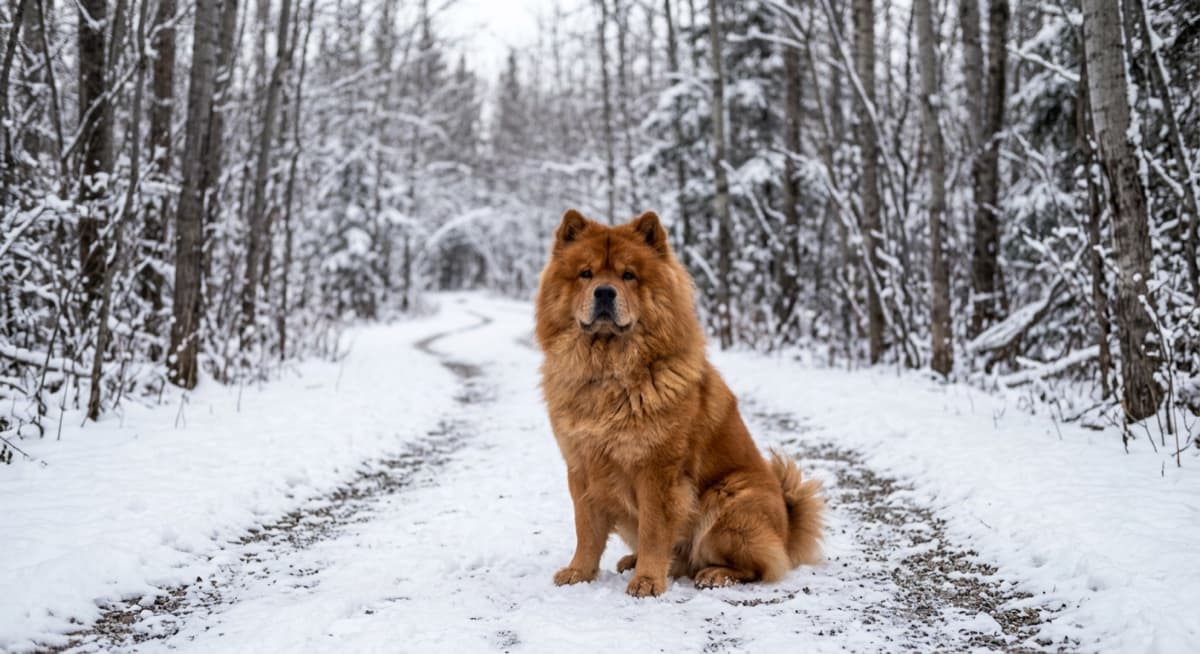
The Chow Chow is one of the most recognizable and most misunderstood breeds: that lion-like mane and teddy-bear face draw people who expect a cuddly companion, and then meet a dog that's more like an aloof, dignified cat. That's not a flaw, it's the breed, and for the right owner it's deeply rewarding. But the Chow demands early socialization, serious grooming, and respect for its independent nature. Here's the honest picture.
Where to adopt in Montreal
A few routes, though purebred Chows are less common in general rescue, so patience helps:
- •LocalPetFinder's Montreal dog listings, aggregating adoptable dogs from Montreal-area shelters and rescues, refreshed regularly. Search Chow Chows and Chow mixes.
- •The Montreal SPCA, Quebec's largest animal-protection organization.
- •Montreal-area general and spitz/Nordic-breed rescues, many foster-based, posting dogs through their websites and social media.
- •Chow Chow rescue networks in Canada that sometimes cover Quebec.
Adopting an adult is especially valuable for this breed, you can actually assess the dog's temperament and how it behaves with people, other dogs, and handling (which vary a lot in Chows), and a rescue advises on fit and experience level, rather than gambling on how a reserved, temperament-variable puppy turns out (and you skip the critical, demanding early-socialization window). Many Chows are in rescue precisely because owners underestimated the temperament, socialization, or grooming needs.
The dignified, cat-like temperament
An ancient Chinese breed (one of the oldest), the Chow has a unique, reserved personality: dignified, aloof, independent, loyal, and often called “cat-like.” It's calm, serious, and not effusive or waggy, devoted to its people on its own terms rather than constantly seeking attention. It bonds deeply (often most to one or a few people) but is independent and not especially eager to please.
It's naturally reserved/wary with strangers and protective/territorial (a watchdog nature that makes early, thorough socialization absolutely critical, see the temperament & training guide), can be dog-selective or same-sex aggressive, is strong-willed and stubborn to train, and can be handling-sensitive (many dislike being grabbed or restrained, which matters for children, vets, and grooming). It's relatively low-energy and calm.
It's a rewarding companion for someone who appreciates and respects an independent, reserved dog and commits to socialization, but genuinely not for everyone, and a poor fit for anyone wanting an outgoing, cuddly, easily-trained, dog-park-social dog. See our health guide.
Family fit and the Montreal climate
A well-socialized Chow can be a devoted, calm family companion, with caveats: being reserved, independent, and handling-sensitive, it often does better with older, respectful children who understand not to grab or roughhouse a dignified dog, than with very young children (and any dog with young kids needs supervision, doubly so with a handling-sensitive, protective breed). Its potential dog-selectivity means care around other dogs, and its aloofness means it's not the cuddly dog some families expect. It needs a family that will commit to early socialization and appreciates its independent nature.
Climate: the thick double coat means the Chow tolerates cold well and does fine in Montreal winters (the flip side: heat sensitivity in summer, keep cool, shade, water, never shave). Energy and space: relatively low-energy, needing only moderate exercise, so it can adapt reasonably to apartment/smaller-home living (better than a high-energy breed), given its walks and a suitable household. Grooming (heavy double coat, serious and ongoing) and socialization (critical in any setting) are the real commitments (see the temperament & training guide).
For a Montreal individual or family who appreciates a dignified, independent, calm dog, will commit to socialization and grooming, ideally with older respectful children if any, and understands the breed isn't a cuddly extrovert, a Chow can be a wonderful, loyal companion well-suited to the climate, but it's a particular breed, not an easy first dog or a fit for those wanting an outgoing family dog. Honest self-assessment is essential.
The real cost
Adoption fees run ~$300 to $600 (usually covering spay/neuter, vaccinations, and microchipping), vs $1,500 to $3,500+ from a breeder. Ongoing costs: good food, routine vet care plus a fund or insurance for potential issues (hip/elbow dysplasia, and the breed's notable eye problems like entropion, which often needs corrective surgery, a real potential cost, see the health guide), and grooming, a significant ongoing cost and effort (the heavy double coat needs frequent brushing and often regular professional grooming, not optional for coat health). Training/socialization classes are genuinely important for this breed. A warm coat generally isn't needed (the Chow's own coat handles the cold), but summer cooling matters.
Pet insurance is worth considering (take it out while the dog is young and healthy). Under Quebec's Civil Code (article 898.1), animals are recognized as sentient beings, not mere property. A Chow is a moderate but real cost, with grooming and potential eye-surgery costs notable, and a significant commitment to socialization and coat care, so prospective adopters must be prepared, and underestimating the grooming and temperament needs is a common reason Chows end up in rescue.
Browse adoptable dogs in Montreal
For a temperament-variable breed like the Chow, adopting an adult, whose temperament and behavior with people, dogs, and handling are known, and getting a rescue's honest guidance on fit, is the wisest route. Refreshed regularly across Montreal-area organizations.
See Available Dogs →Frequently Asked Questions
Where can I adopt a Chow Chow in Montreal?
Start with LocalPetFinder's Montreal listings, the Montreal SPCA (spca.com), general and spitz-breed rescues, and Canadian Chow Chow rescue. Purebreds are less common, so be patient and open to a mix or an adult. Adopting an adult is especially valuable here, you can assess the actual temperament and behavior with people, dogs, and handling, which vary a lot in Chows.
What is their temperament like?
Dignified, aloof, independent, loyal, and cat-like, devoted on its own terms, not cuddly or eager-to-please. Reserved and protective (so early socialization is critical), can be dog-selective and handling-sensitive, strong-willed to train, and relatively low-energy. Rewarding for someone who respects an independent dog, a poor fit for anyone wanting an outgoing, cuddly, social extrovert.
Is it a good family dog, and can it live in Montreal?
It can be, for the right family, better with older respectful children than very young ones (it's reserved and handling-sensitive), with care around other dogs. It needs a family committed to early socialization who appreciates an independent dog. Its thick coat tolerates Montreal winters well (heat-sensitive in summer). Relatively low-energy, so it adapts reasonably to smaller homes. Grooming and socialization are the real commitments.
How much does it cost?
Adoption runs ~$300 to $600 (usually including spay/neuter, vaccinations, microchipping), vs $1,500 to $3,500+ from a breeder. Ongoing: good food, vet care plus a fund/insurance for potential issues (hip/elbow dysplasia and the notable eye problem entropion, which often needs surgery), and significant grooming (heavy double coat, often professional). Socialization classes matter. They live ~9 to 12 years.
What should I know before adopting one?
It's aloof and independent, not cuddly; early socialization is critical (it's reserved and protective); it can be handling-sensitive and dog-selective; grooming is substantial (heavy shedding double coat); it's strong-willed to train; it has notable eye issues (entropion, often surgical); it tolerates cold but overheats in summer (never shave); and it's relatively low-energy. A moderate, long commitment (~9 to 12 years) to socialization and coat care.
Should I buy a puppy or adopt?
Consider adoption first, and it matters more for the Chow than most breeds. Chow temperament varies, so if you buy, only a responsible breeder who health-tests AND breeds/raises well-socialized, sound-tempered puppies will do (cheap or careless-bred puppies are a serious warning sign). Adoption costs far less and, with an adult, lets you assess the actual temperament, and skips the critical early-socialization window. Most important: honestly assess whether you can work with the breed's temperament.
Related Montreal guides
Chow Chow Health Issues
Entropion and other eye conditions, hip and elbow dysplasia, patellar luxation, skin and thyroid issues, heat sensitivity, and the pet-insurance case.
Chow Chow Temperament, Socialization & Training
Why early socialization is non-negotiable, working with an aloof independent breed, handling sensitivity, dog-sociability, and the serious grooming.
Adoptable Dogs in Montreal
All currently available dogs across Montreal-area organizations, including Chow Chows and Chow mixes. Updates regularly.
Montreal Dog Adoption Resources
All our Montreal dog adoption guides in one place.
New dog? Start with these care guides
Everything a new adopter needs to set up a safe, happy home.