The short answer
The Chow is aloof, independent, protective, and reserved, so early, thorough socialization is non-negotiable, without it, natural wariness can become suspicion or reactivity. Chows aren't inherently aggressive, but poor breeding, socialization, or handling can make the breed's traits into problems, so good breeding (or a known-temperament adult), socialization, and respectful handling matter. Train with patient, consistent, positive, respectful methods (never harsh, it's strong-willed and not eager-to-please). It can be dog-selective and handling-sensitive, so manage carefully. Grooming is substantial (heavy double coat, frequent brushing, often professional). It's generally not an ideal first dog, but a committed owner who adopts a sound adult can succeed.
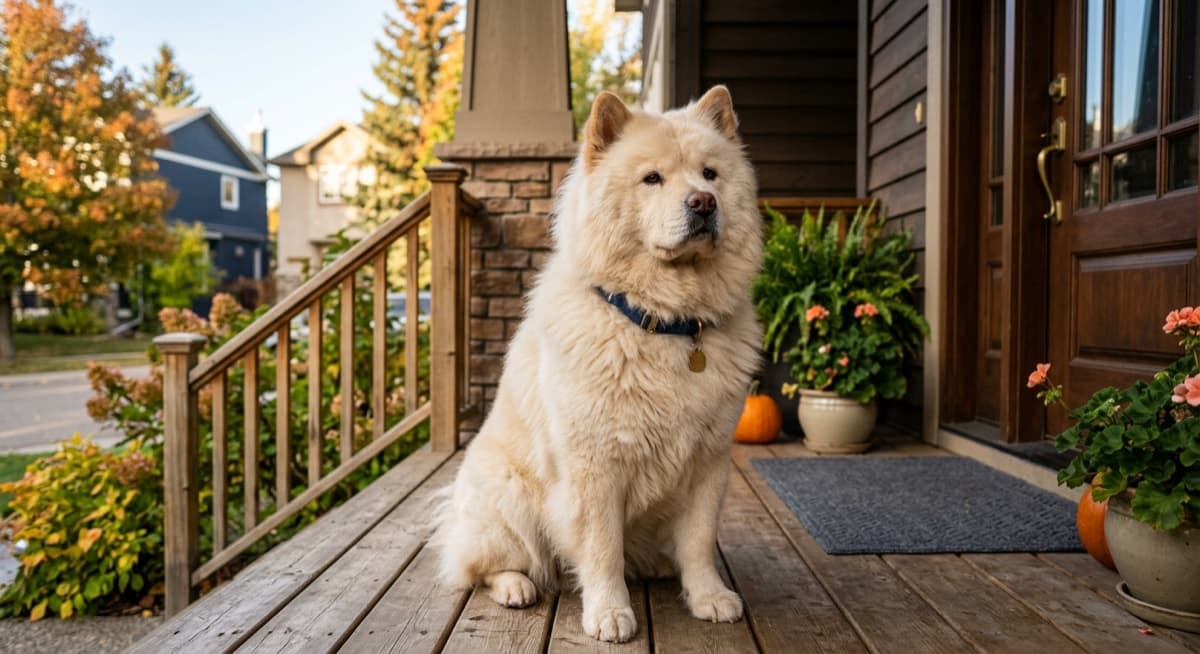
Living well with a Chow Chow comes down to understanding and respecting its temperament: a dignified, aloof, independent, protective dog that is loyal on its own terms. That temperament is exactly why early socialization isn't optional, why training takes a different approach than with a biddable breed, and why the Chow suits thoughtful owners over those wanting an easy extrovert. This is the honest owner's manual to the Chow's mind, and its considerable coat.
Why early socialization is non-negotiable
Socialization is arguably the single most important thing you can do for a Chow, more so than for many breeds, because the Chow is naturally reserved, independent, and protective/territorial, and without good socialization that wariness can become excessive suspicion, fear, or reactivity toward strangers and other dogs. The goal isn't to change the Chow's dignified, reserved nature, but to teach it that unfamiliar people, dogs, and experiences are normal, so its reserve becomes appropriate discernment, not indiscriminate suspicion.
How to do it: start early (the critical window is puppyhood, roughly up to ~4 months), keep it positive and controlled (pair new things with treats and good outcomes, never force or flood a sensitive breed), keep it ongoing through life, deliberately include handling (Chows can be handling-sensitive), and manage carefully around other dogs (given the breed's dog-selectivity). A well-socialized Chow is calm and discerning; an under-socialized one can become a suspicious, reactive, or fearful liability, a real welfare and safety problem, and a reason Chows land in rescue. This is exactly why adopting an adult with a known, sound temperament (whose socialization is essentially done) is so appealing for this breed.
Are Chows aggressive?
Chows are not inherently aggressive, but the honest answer is nuanced. The breed is naturally aloof and wary with strangers, territorial/protective, can be dog-selective or same-sex aggressive, and can be handling-sensitive. In a well-bred, well-socialized, well-handled Chow, none of that is “aggression”, such a dog is calm, dignified, and reserved-but-appropriate. But those same traits mean a poorly bred, poorly socialized, or poorly handled Chow is more likely than an easygoing breed to react defensively, and because Chows are stoic and give subtle signals, a poorly-managed one's reaction can seem to “come out of nowhere.”
The keys to a sound, non-reactive Chow: good breeding for temperament (or a known-temperament adopted adult), thorough socialization, respectful handling (not grabbing or forcing), learning to read body language, appropriate management, and positive training. Done right, the Chow is a calm, loyal, discerning breed, not an aggressive one; done wrong, its traits become problems. This is why the breed suits experienced, thoughtful owners over those wanting an anyone-can-handle-it dog.
Training an independent breed
Training a Chow takes patience, consistency, respect, and positive methods, it's intelligent but independent, strong-willed, and not eager to please, so it's no quick obedience-competition dog, but it can be well-trained by an owner who understands it.
- •Positive, reward-based methods, harsh corrections or force damage the relationship and can make a proud, sensitive breed shut down or react; they're both ineffective and counterproductive.
- •Be patient and realistic, the Chow is a deliberate, on-its-own-terms learner, not a snappy, eager one; don't get frustrated.
- •Be consistent and fair, clear household rules, and calm, confident leadership (the Chow respects fairness, not bullying).
- •Keep sessions short and engaging, and build a relationship of trust (the foundation of training a Chow).
- •Prioritize socialization and manners over fancy obedience, walking politely, accepting handling, good behavior with strangers and dogs, matter most; start early.
Realistic expectation: a Chow will never be a push-button obedience dog, and someone wanting an eager, easily-trained dog will find it frustrating, but for an owner who appreciates the breed and uses patient, positive, respectful methods, the Chow is a trainable, dignified, well-mannered companion. A positive-reinforcement trainer experienced with independent/spitz breeds can help.
With other dogs, cats, and children
Other dogs: Chows can be dog-selective and prone to same-sex aggression, so they're not automatically friendly at the dog park, careful socialization, thoughtful introductions, and management matter. Some coexist fine with a well-matched or raised-with dog; others prefer to be the only dog. Off-leash dog parks are often not a good fit. Cats and small pets: varies, some coexist peacefully (especially raised together), others have enough prey drive or intolerance to make it a problem, so introductions should be careful and supervised, never guaranteed.
Children: Chows often do better with older, respectful children than very young ones, given their reserve, handling sensitivity, and dignity (they don't appreciate being grabbed or roughhoused), and any dog with kids needs supervision, doubly so with a reserved, protective breed. The upshot: a Chow can live successfully with other animals and children in the right, well-managed situation, but you can't assume it'll be automatically social, so honest assessment of the individual (easier with an adopted adult) and careful management matter. Ask the rescue frankly about a Chow's behavior with dogs, cats, and children.
The serious grooming commitment
A Chow needs substantial, regular grooming, it's one of the more grooming-intensive breeds, a genuine ongoing commitment and cost. The thick, dense double coat (the well-known rough coat with its lion-like mane, or the less-common smooth coat) has a heavy undercoat that's the challenge.
- •Brush frequently (several times a week minimum) to remove dead undercoat and prevent matting, mats form easily (behind the ears, the “trousers,” the ruff) and trap moisture against the skin, risking skin problems (see the health guide).
- •Manage heavy shedding and coat blows, Chows shed a lot and blow their undercoat heavily a couple of times a year (a messy, weeks-long, brush-often process).
- •Bathe periodically with thorough drying (a damp dense coat risks skin problems), using undercoat rakes, slickers, and de-shedding tools.
- •Consider professional grooming regularly (a real recurring cost to budget, though diligent home grooming reduces the need); never shave the double coat.
- •Do the rest, nail trims, ear checks, dental care, and keeping the facial folds clean and dry; accustom the Chow to grooming from a young age (or patiently, if an adopted adult), since it can be handling-sensitive.
The coat is beautiful but high-maintenance, factor the significant time, effort, mess, and likely professional cost into your decision, and remember good grooming is genuinely part of keeping a Chow's skin healthy.
Browse adoptable dogs in Montreal
For a temperament-variable breed like the Chow, adopting an adult with a known, sound temperament, whose behavior with people, dogs, and handling is understood, removes much of the guesswork. Refreshed regularly across Montreal-area organizations.
See Available Dogs →Frequently Asked Questions
Why is early socialization so important for a Chow?
Because the Chow is naturally reserved, independent, and protective, so without thorough socialization its wariness can become suspicion, fear, or reactivity. Socialization teaches it that unfamiliar people, dogs, and experiences are normal, so its reserve becomes appropriate discernment. Start early (puppyhood), keep it positive and ongoing, include handling, and manage around other dogs. Adopting an adult with a known sound temperament sidesteps the puppy-socialization gamble.
Are Chow Chows aggressive?
Not inherently, but nuanced. The breed is aloof, protective, can be dog-selective, and handling-sensitive. In a well-bred, well-socialized, well-handled Chow that's not aggression, it's a calm, dignified dog. But poor breeding, socialization, or handling can turn those traits into defensive reactions. Keys: good breeding (or a known-temperament adult), socialization, respectful handling, reading body language, and management. It suits thoughtful owners, not those wanting an anyone-can-handle-it dog.
How do you train a Chow Chow?
With patience, consistency, respect, and positive methods, it's intelligent but independent and not eager to please. Use rewards (harsh corrections backfire), be patient and realistic (a deliberate, on-its-own-terms learner), stay consistent and fair, keep sessions short and engaging, build trust, and prioritize socialization and manners over fancy obedience. Never a push-button obedience dog, but a trainable, dignified companion for an owner who understands it.
Do they get along with other dogs and pets?
It varies and needs management. Chows can be dog-selective and same-sex aggressive (not automatically friendly at dog parks). With cats/small pets, some coexist (especially raised together), others don't, so careful supervised introductions matter. With children, they do better with older, respectful kids than very young ones. Ask the rescue frankly about an individual Chow's sociability, easier to know with an adopted adult.
How much grooming does a Chow need?
A lot, it's one of the more grooming-intensive breeds. Brush the dense double coat several times a week (to remove undercoat and prevent skin-risking mats), manage heavy shedding and twice-yearly coat blows, bathe periodically with thorough drying, and often use a professional groomer (a recurring cost). Never shave the coat. Plus nails, ears, teeth, and clean dry folds. Good grooming is genuinely part of Chow healthcare.
Is a Chow Chow a good first dog?
Generally not the best first-dog choice, it's aloof and independent (not the cuddly, biddable dog many expect), needs knowledgeable early socialization, is strong-willed to train, can be handling-sensitive and protective, and has demanding grooming. But a genuinely committed first-timer who does their homework, works with a good trainer, and ideally adopts a sound adult (removing the puppy-socialization gamble) can succeed. Honest self-assessment matters more than the “first dog” label.
Related Montreal guides
Chow Chow Adoption in Montreal
Where to adopt, the dignified aloof temperament, family and climate fit, real costs, and who the breed suits.
Chow Chow Health Issues
Entropion and other eye conditions, hip and elbow dysplasia, skin and thyroid issues, heat sensitivity, and the pet-insurance case.
Adoptable Dogs in Montreal
All currently available dogs across Montreal-area organizations, including Chow Chows and Chow mixes. Updates regularly.
Montreal Dog Adoption Resources
All our Montreal dog adoption guides in one place.
New dog? Start with these care guides
Everything a new adopter needs to set up a safe, happy home.