The short answer
The Cocker's feathered coat (medium-length, silky, with long fringe on the ears, legs, belly, and feet) is a real grooming commitment: brush several times a week (it mats readily) plus professional grooming every 6 to 8 weeks. Most pet owners sensibly keep a shorter puppy cut, much lower-maintenance and far better for Montreal snow, salt, and mud. But the defining, essential task is ear care: the long, hairy, low-hanging ears make the Cocker one of the most infection-prone breeds, so check, clean, keep dry, and manage the ear hair regularly and for life (recurrent infections can point to allergies; treat any promptly). Also routine nails, feet, dental, and eye-area care. In Montreal, a shorter clip plus diligent ear-drying (humidity worsens ear risk) are the key adaptations.
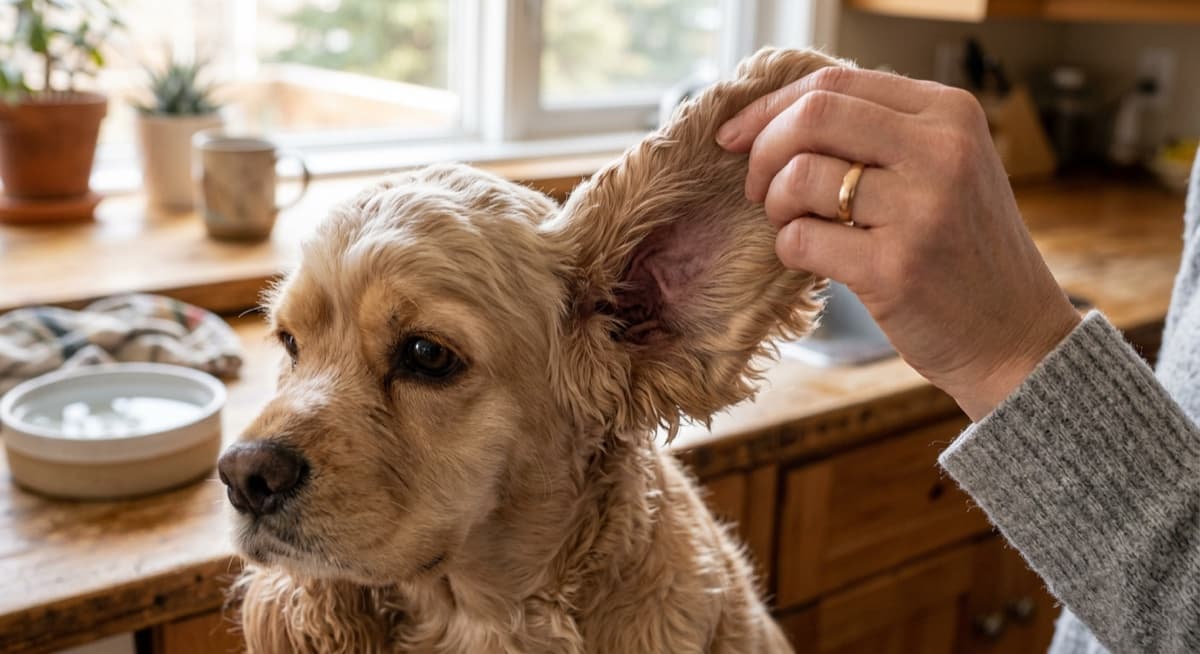
The Cocker's gorgeous coat and those long, silky ears are the breed's signature, and its biggest ongoing job. More than the coat, though, it's the ears that define Cocker care: keeping those infection-prone ears healthy is a lifelong routine, not an option. Here's how to do it all, coat and ears, and what Montreal adds.
The feathered coat and grooming
Cockers have a medium-length, silky coat with characteristic feathering (long fringe on the ears, legs, belly/skirt, chest, and feet). It's a hallmark, and a commitment: the coat is prone to tangling and matting (especially the feathering and debris-catching areas) and needs regular grooming. Plan on brushing several times a week (down to the skin, focusing on the mat-prone spots, behind the ears, armpits, belly, legs, feet, with a slicker brush and comb) plus professional grooming every 6 to 8 weeks (bath, clip, feet, sanitary areas, nails, often ear care).
The amount depends on coat length: a long, full coat needs intensive daily upkeep; a shorter puppy cut is far more practical for a pet (below). Either way, the Cocker is a higher-grooming breed. And regardless of the coat, the infection-prone ears need their own diligent care (below), arguably the most important grooming-related task. Prospective owners should be ready for the time and cost of keeping this coat, and those ears, healthy. See the health guide.
The puppy cut, especially practical in Montreal
For most pet owners, a shorter “puppy cut” (or pet cut) is the sensible, popular choice. Advantages: far lower-maintenance (brush a few times a week, much less matting), and, importantly for Montreal, a shorter coat picks up far less snow, ice balls, mud, burrs, and road salt than long feathering, a real winter advantage, and it's easier to keep clean. The long, full coat is beautiful but demands intensive daily upkeep, really only practical for showing or the seriously committed.
For the vast majority of pet owners, and especially an adopted Cocker in an active Montreal home, a puppy cut (or a shorter winter clip) is the sensible, low-fuss choice, discuss length and styling with your groomer. Importantly, even with a puppy cut, the dog still needs regular grooming (brushing and professional grooming, just less intensive) and, crucially, the same diligent ear care regardless of coat length (the ears are infection-prone no matter how the coat is cut). There's no real downside to a practical clip, and it's especially practical for a Montreal dog dealing with snow and salt.
Ear care: the defining, essential task
Ear care is the single most important care task for a Cocker, because the long, heavy, hairy, low-hanging ears make it one of the most ear-infection-prone breeds (they trap moisture, warmth, and debris and reduce airflow). Diligent, regular, lifelong ear care is essential to prevent the recurrent, chronic infections the breed is otherwise prone to.
The routine:
- •Check regularly (at least weekly, and when grooming) for redness, discharge, bad smell, or debris, and watch for head-shaking, scratching, or head-tilting.
- •Clean regularly with a vet-recommended cleaner (frequency varies, some need weekly or more): apply cleaner, massage the ear base, let the dog shake, then wipe away debris with cotton (never insert anything deep).
- •Keep the ears dry (after baths, swimming, wet weather), moisture is a key culprit.
- •Manage the ear hair (trimming/plucking ear-canal and flap hair as part of grooming improves airflow), and consider a snood or narrow bowl at mealtimes to keep the long ears out of food and water.
Despite good care, infections can still happen, treat any promptly with your vet (untreated or recurring infections lead to chronic, serious ear disease), and if they keep recurring, investigate allergies (which often drive Cocker ear infections). For an adopted Cocker, ask about any ear history and get the dog comfortable with ear handling early. Staying on top of this prevents a great deal of discomfort, vet cost, and chronic disease.
Bathing, routine care, and Montreal's seasons
Bathe periodically (every few weeks to a couple of months, or when dirty, not excessively), brushing out mats first (they tighten when wet) and drying the coat and especially the ears thoroughly afterward (wet ears are an infection risk). Also keep up nails, feet (trim the hair between the pads, in Montreal this reduces snow/ice-ball and salt buildup), sanitary trim, dental care, and gentle eye-area cleaning (the breed is prone to eye issues and tear staining). Much of this is done at the 6-to-8-week professional groom, with brushing, ear care, and dental/eye care at home between.
Montreal seasons: in winter, the feathering picks up snow, ice balls, mud, and salt, so keep the coat (and especially feet/feathering) trimmed shorter, wipe the paws and underside after every walk (salt), trim paw hair to reduce ice-balls, and dry the coat, feathering, and ears after snowy outings. In the humid summer, humidity worsens the ear-infection risk, so be extra diligent keeping the ears clean and dry (and dry them after any swim). Wet spring and fall mean more cleaning, drying, and brushing. The single most practical adaptation is a shorter clip.
Year-round, the core commitments, regular brushing, professional grooming every 6 to 8 weeks, and above all diligent ear care, stay the same; Montreal's snow, salt, and humidity mainly add the feathering-and-ear challenges a shorter clip and diligent ear-drying handle. See the adoption guide.
Browse adoptable dogs in Montreal
If you're ready for the coat and ear commitment, a Cocker is a gentle, affectionate companion. Refreshed regularly across Montreal-area organizations.
See Available Dogs →Frequently Asked Questions
What kind of coat do they have, and how much grooming?
A medium-length, silky coat with feathering (long fringe on the ears, legs, belly, feet). It mats readily and needs real care: brushing several times a week plus professional grooming every 6 to 8 weeks. A higher-grooming breed. And regardless of coat, the infection-prone ears need their own diligent care, the most important grooming-related task.
Should I keep mine in a puppy cut?
Most pet owners sensibly do. A shorter puppy/pet cut is far lower-maintenance (less brushing, much less matting) and, importantly for Montreal, picks up far less snow, ice balls, mud, and salt than long feathering. The long show coat is beautiful but demands intensive daily upkeep. Even with a puppy cut, the dog still needs regular grooming and the same diligent ear care regardless of coat length.
How do I care for the ears to prevent infections?
Diligent, lifelong routine: check the ears regularly (redness, discharge, smell, head-shaking), clean with a vet-recommended cleaner (frequency varies), keep them dry (after baths, swimming, wet weather), and manage the ear hair (trimming/plucking improves airflow; a snood or narrow bowl keeps ears out of food/water). Treat any infection promptly, and investigate allergies if infections keep recurring.
How do I bathe and do routine grooming?
Bathe periodically (brush out mats first, dry the coat and especially the ears thoroughly after). Keep up nails, feet (trim pad hair, reduces winter snow/salt buildup), sanitary trim, dental care, and gentle eye-area cleaning. Much is done at the 6-to-8-week professional groom, with brushing, ear care, and dental/eye care at home between. Get an adopted Cocker used to the handling early.
How does Montreal's climate affect grooming?
In winter, the feathering picks up snow, ice balls, mud, and salt, so keep a shorter clip, wipe paws after walks, trim paw hair, and dry the coat and ears after snow. In the humid summer, humidity worsens ear-infection risk, so be extra diligent keeping the ears dry (and dry after swims). A shorter clip is the single most practical Montreal adaptation.
Related Montreal guides
Cocker Spaniel Adoption in Montreal
Where to adopt, the gentle merry temperament, family and climate fit, real costs, and who the breed suits.
Cocker Spaniel Health Issues
Ear infections, eye conditions (glaucoma, cataracts, cherry eye), skin and allergy issues, hip dysplasia, and the pet-insurance case.
Adoptable Dogs in Montreal
All currently available dogs across Montreal-area organizations, including Cockers and spaniel mixes. Updates regularly.
Montreal Dog Adoption Resources
All our Montreal dog adoption guides in one place.
New dog? Start with these care guides
Everything a new adopter needs to set up a safe, happy home.