The short answer
The Cocker is fairly hardy and long-lived (~12 to 15 years), but two anatomy-linked issues stand out. Ear infections: the long, heavy, hairy ears trap moisture, making the Cocker one of the most ear-infection-prone breeds, diligent regular ear care is the single most important ongoing task. Eye conditions: the breed is notably prone to glaucoma (a painful, sight-threatening emergency), cataracts, PRA, cherry eye, and dry eye, so attentive eye health matters. Also skin/allergy issues (which compound the ears), plus hip dysplasia, hypothyroidism, and some autoimmune conditions. Levers you control: diligent ear care, attentive eye health, managing allergies, keeping the dog lean, and routine care. Insurance is worth considering, insure while young (before ear/eye/skin issues are excluded).
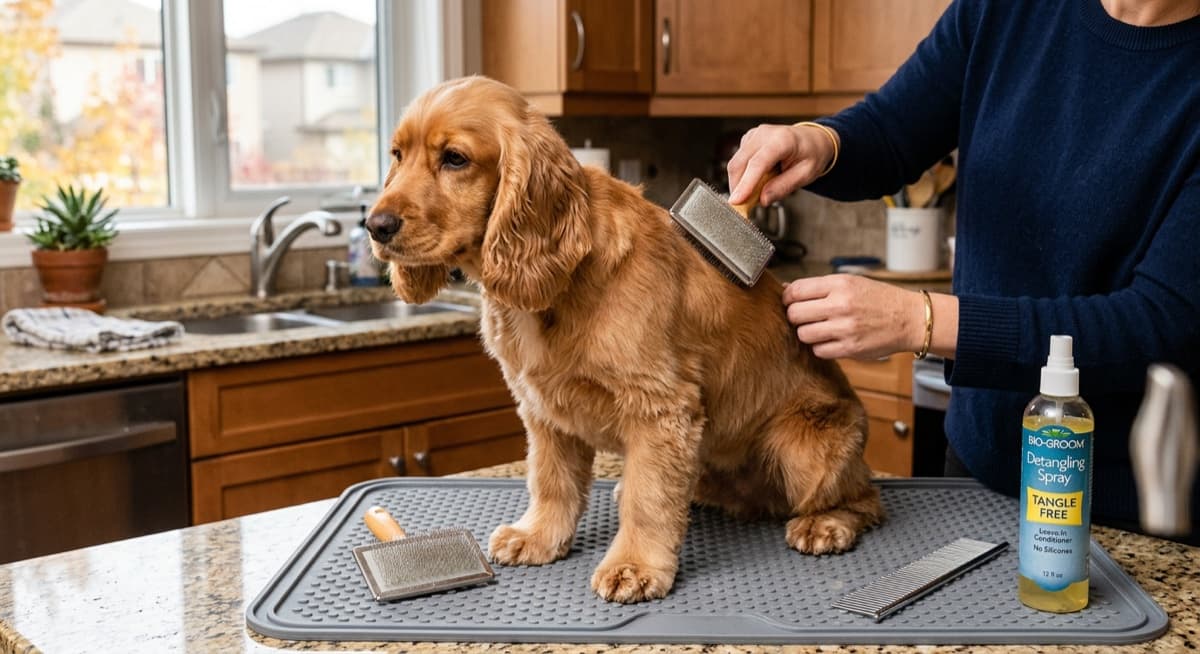
The Cocker Spaniel is a reasonably healthy, long-lived breed overall, but two things stand out, both tied to the breed's anatomy: those beautiful long ears are infection magnets, and the breed is notably prone to eye trouble. Here's the health picture, condition by condition, with the ears and eyes front and centre.
Ear infections: the standout issue
The Cocker is among the most ear-infection-prone breeds of any. The long, heavy, hairy, low-hanging ears cover the ear canal, trapping moisture and debris and reducing air circulation, a warm, moist environment where bacteria and yeast thrive (and ear-canal hair adds to it). The result: recurrent, sometimes chronic ear infections that are painful and, if neglected or repeatedly recurring, can become chronic, serious, hard-to-treat ear disease.
So diligent, regular ear care is essential, arguably the single most important routine task for the breed: regularly check the ears (redness, discharge, bad smell, head-shaking, scratching), clean with a vet-recommended cleaner (frequency varies, some need it weekly or more), keep the ears dry (after baths, swimming, wet weather), and manage the ear hair (some trimming/plucking, which a groomer or vet advises). Because allergies can drive ear infections, recurrent cases may warrant investigating allergies. Treat any infection promptly with your vet, untreated or repeated infections are exactly what leads to chronic ear disease. See the grooming & ear-care guide.
Eye conditions
Cockers are notably prone to several eye conditions, making eye health a real priority. Most urgent: glaucoma (increased eye pressure, painful and can rapidly destroy vision, the Cocker is predisposed, and it's often an emergency). Also cataracts (lens clouding, sometimes surgically treatable), progressive retinal atrophy (PRA) (inherited, progressive vision loss), cherry eye (third-eyelid gland prolapse, often needs surgery), and dry eye (ongoing management).
Because several are serious and vision-threatening, include eye exams in routine care, watch closely for any signs (a red, painful, cloudy, or enlarged eye, squinting, discharge, pawing at the eye, bumping into things, or vision changes), and seek prompt, and for suspected glaucoma immediate, veterinary attention, prompt treatment gives the best chance of preserving vision and comfort. Reputable breeders have breeding dogs' eyes examined (e.g. by a veterinary ophthalmologist); Montreal has veterinary ophthalmology services. Ask a rescue about any known eye issues. See the adoption guide.
Skin, allergies, and other conditions
Skin and allergies: Cockers can be prone to skin problems and allergies (environmental and sometimes food), causing itchy skin and infections, and, importantly, allergic skin disease often affects the ears, compounding the ear-infection problem, so recurrent ear or skin issues may warrant investigating allergies. The breed can also have seborrhea. Other: joint issues (hip dysplasia, luxating patellas), hypothyroidism (usually manageable), certain heart conditions, and some autoimmune conditions (notably autoimmune hemolytic anemia) the breed is somewhat predisposed to.
Most individual Cockers won't develop most of these, but awareness helps catch issues early. Practically: watch for and manage skin/allergy problems (aware they can compound the ears), keep the dog lean and watch for joint problems, and include general health (thyroid, heart) in routine care with the vet alert to the breed's predispositions. Regular grooming (which the breed needs anyway) doubles as a chance to check the skin, coat, ears, and body.
Lifespan and the insurance case
Cockers are fairly long-lived, typically ~12 to 15 years. Keep one healthy with diligent ear care (the most important ongoing task), attentive eye health, managing skin/allergy issues, keeping the dog lean, regular grooming, and good routine care. On insurance: worth considering, the breed's characteristic conditions can be costly, chronic ear infections (ongoing, sometimes specialist or surgical), eye conditions (glaucoma or cataract treatment/surgery), skin/allergy management, and others, adding up over a long life.
Take out insurance while the dog is young and healthy, before any condition (especially ear, eye, or skin issues) is excluded, worth emphasizing given how common ear and eye issues are. If you self-insure, keep a solid vet fund with ears and eyes in mind. For an adopted adult or senior, some conditions (especially ear or eye issues) may already be present, so go in aware and ready to manage ear care from day one. With diligent ear care, attentive eye health, good allergy management, and insurance or a fund, many Cockers enjoy long, healthy, happy lives.
Browse adoptable dogs in Montreal
A good rescue shares a dog's known health history, including any ear or eye issues. Refreshed regularly across Montreal-area organizations.
See Available Dogs →Frequently Asked Questions
What are the main health problems?
A fairly hardy, long-lived breed (12 to 15 years), but two anatomy-linked issues stand out: ear infections (one of the most ear-prone breeds) and eye conditions (glaucoma, cataracts, PRA, cherry eye, dry eye). Also skin/allergy issues (which compound the ears), plus hip dysplasia, hypothyroidism, and some autoimmune conditions. Diligent ear care and attentive eye health are the key protective steps.
Why are they so prone to ear infections?
The long, heavy, hairy, low-hanging ears cover the ear canal, trapping moisture and debris and reducing airflow, a warm, moist environment where bacteria and yeast thrive. So the breed gets recurrent, sometimes chronic infections. Diligent regular ear care is essential: check, clean with a vet-recommended cleaner, keep dry, and manage the ear hair. Recurrent cases may point to allergies. Treat infections promptly.
What eye conditions affect them?
Cockers are notably prone to glaucoma (painful, sight-threatening, often an emergency), cataracts, progressive retinal atrophy (progressive vision loss), cherry eye (often needs surgery), and dry eye. Include eye exams in routine care and seek prompt, and for suspected glaucoma immediate, veterinary attention for any eye signs (redness, cloudiness, a changed or enlarged eye, squinting, vision changes).
Are they prone to skin and other problems?
Yes, skin problems and allergies (which often affect the ears too, compounding infections), plus seborrhea. Also joint issues (hip dysplasia, luxating patellas), hypothyroidism, certain heart conditions, and some autoimmune conditions (notably autoimmune hemolytic anemia). Watch for and manage skin/allergy issues, keep the dog lean, and include general health in routine care. Grooming doubles as a health check.
How long do they live, and is insurance worth it?
Fairly long-lived, typically 12 to 15 years. Insurance is worth considering, chronic ear infections, eye conditions (glaucoma/cataract treatment or surgery), and skin/allergy management can be costly over a long life. Insure while young and healthy (before ear/eye/skin issues are excluded), or keep a solid vet fund with ears and eyes in mind.
Related Montreal guides
Cocker Spaniel Adoption in Montreal
Where to adopt, the gentle merry temperament, family and climate fit, real costs, and who the breed suits.
Cocker Spaniel Grooming & Ear Care
The feathered coat and professional grooming, the ear-infection-prone ears and how to care for them, brushing, and Montreal-season coat care.
Adoptable Dogs in Montreal
All currently available dogs across Montreal-area organizations, including Cockers and spaniel mixes. Updates regularly.
Montreal Dog Adoption Resources
All our Montreal dog adoption guides in one place.
New dog? Start with these care guides
Everything a new adopter needs to set up a safe, happy home.