The short answer
As a giant breed, the Dane carries serious concerns. The biggest by far is bloat (GDV), the Great Dane is at exceptionally high risk (often cited as the highest-risk breed), it's a leading cause of death, and a life-threatening emergency, so know the signs cold, act instantly, and strongly consider preventive gastropexy. Also: dilated cardiomyopathy (heart disease, worth monitoring), hip dysplasia and orthopedic issues (with careful giant-breed puppy-growth management), wobbler syndrome, and certain cancers. Like other giants, the lifespan is sadly short, ~7 to 10 years. Levers you control: bloat prevention and awareness above all, cardiac monitoring, careful puppy growth, keeping the dog lean, and good routine care. Given the risks and costly giant-breed care, insurance is strongly advised, insure while young.
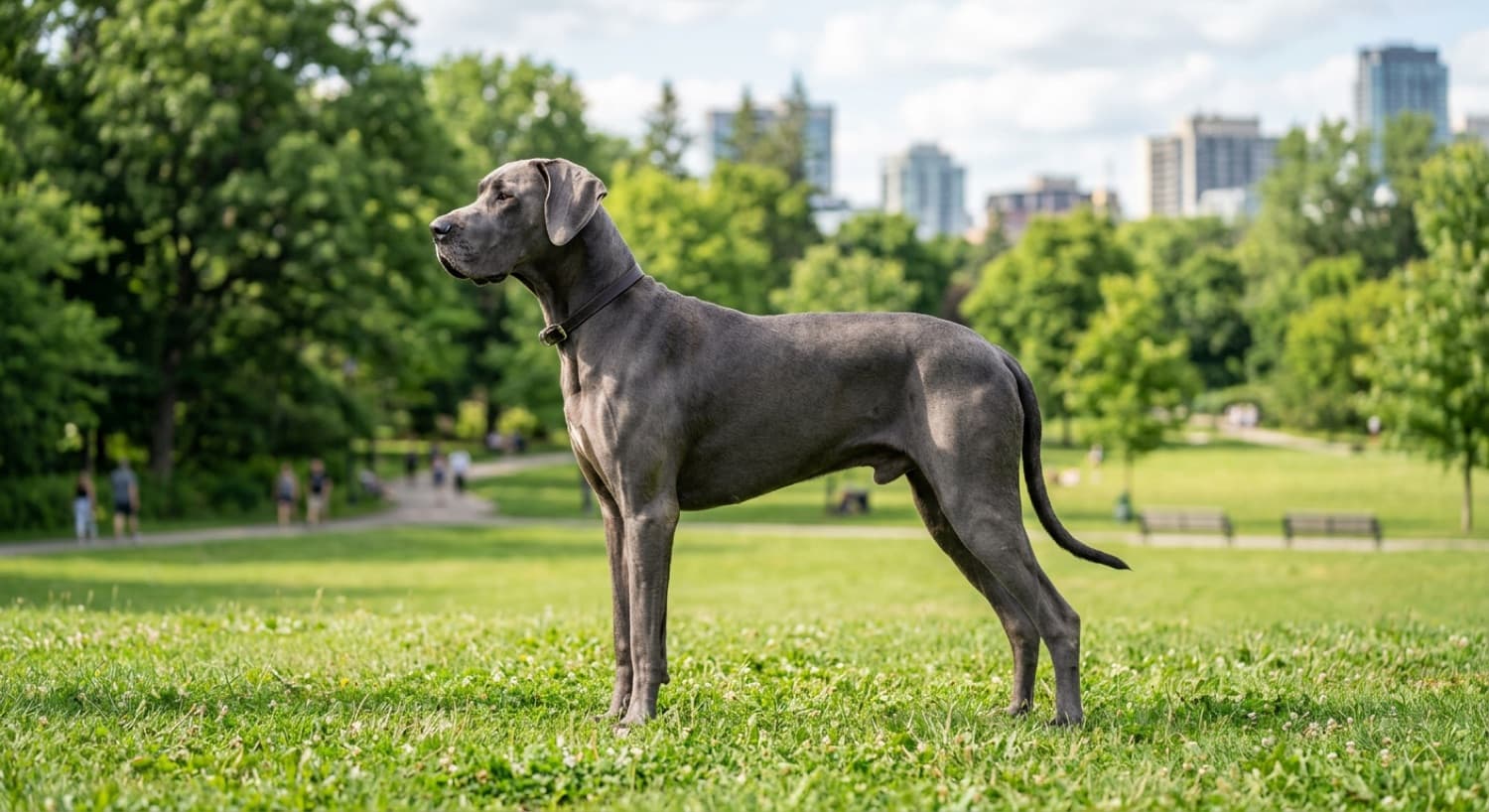
The Great Dane's gentle temperament is easy; its health is not. As a giant breed, the Dane carries serious concerns that any prospective owner must understand, one above all. This guide is honest about the medical picture, starting with the breed's defining emergency: bloat.
Bloat (GDV): the defining emergency
Bloat (gastric dilatation-volvulus) is THE most important Great Dane health concern, the breed is at exceptionally high risk (often cited as the highest-risk breed, owing to its very deep, narrow chest), it's a leading cause of death, and a true emergency that can kill within hours. Signs, know them cold: a distended, hard abdomen; unproductive retching (trying to vomit but bringing nothing up, a classic telltale sign); restlessness, pacing, distress; drooling; rapid breathing; signs of shock. Get to an emergency vet IMMEDIATELY, minutes matter, do not wait.
Given the Dane's extreme risk, prevention and preparedness are especially important: feed smaller meals, avoid vigorous exercise right around eating, don't let the dog gulp water, and slow fast eaters. Crucially for this highest-risk breed, strongly consider a preventive gastropexy (a surgery tacking the stomach so it can't twist, often done at spay/neuter), which is very commonly recommended for Great Danes specifically and dramatically reduces the risk of the life-threatening twisting (ask if a rescue dog has had it). Even with gastropexy, know the signs. This is genuinely the most important aspect of Great Dane health.
Heart disease and orthopedic problems
Heart: the breed is prone to dilated cardiomyopathy (DCM), which enlarges and weakens the heart and can cause heart failure, so cardiac monitoring is worthwhile (watch for coughing, exercise intolerance, weakness, or fainting). Orthopedic: hip dysplasia, arthritis, and, importantly, giant-breed puppies grow extremely fast and their joints are vulnerable, so careful growth management matters (appropriate giant-breed puppy diet, and no over-exercise or hard impact during growth). The breed is also prone to wobbler syndrome (a neck/spinal condition causing a wobbly gait).
Reputable breeders include cardiac screening (Montreal has veterinary cardiology). In adults, keep the dog lean to protect the joints and provide good footing (rugs on slippery floors) for a large, sometimes ungainly dog. Watch for signs of heart, joint, or spinal problems and seek assessment. Both cardiac and orthopedic care are expensive for a giant breed, part of the strong insurance case. See our living-with-a-giant guide on puppy-growth logistics.
The short giant-breed lifespan
Sadly, like other giant breeds, Great Danes are short-lived, typically only ~7 to 10 years, one of the hardest realities of the breed. Larger breeds live shorter lives generally (the physiological toll of rapid growth and large size), and the Dane's specific health issues (bloat, heart disease, cancers) contribute. Go in emotionally prepared for fewer years together, and for the real possibility of serious health issues.
This isn't a reason not to adopt a Dane, many people knowingly and lovingly do, feeling the joy of such a magnificent gentle giant is worth it even for a shorter time, but it must be a fully informed decision. To give a Dane the best and longest life its giant-breed nature allows: manage bloat risk (and strongly consider gastropexy, the single biggest life-saving measure), provide excellent preventive care and cardiac monitoring, manage puppy growth carefully, keep the dog lean, and stay attentive. Good care, especially bloat prevention, can prevent some early, avoidable deaths, then cherish the (too-short) time.
The strong insurance case
Insurance is worth considering for a Dane more than for almost any breed, because it combines a high likelihood of serious, expensive problems with the inherently higher cost of giant-breed care: bloat (expensive emergency surgery), heart disease (ongoing), orthopedic issues, and cancers, and giant-breed care costs more across the board (weight-dosed medications, pricier procedures, anesthesia, and hospitalization).
Take out insurance while the dog is young and healthy, before any condition is excluded, especially important for a breed so prone to issues. Compare providers, understand coverage and limits, and read the fine print. If you self-insure, be realistic: a Dane may need a substantial fund given the real possibility of major expenses, all made pricier by size. For an adopted adult or senior, some conditions may already be present, so go in financially prepared. Between the health risks and the high cost of giant-breed care, financial preparedness is one of the most important responsibilities of Great Dane ownership. See the adoption guide.
Browse adoptable dogs in Montreal
A good rescue shares a dog's known health history, and whether it's had a gastropexy. Refreshed regularly across Montreal-area organizations.
See Available Dogs →Frequently Asked Questions
What are the main health problems?
Most importantly bloat (GDV), which the breed is at exceptionally high risk of and is a leading cause of death, plus dilated cardiomyopathy (heart disease), hip dysplasia and orthopedic issues, wobbler syndrome, and certain cancers (including bone cancer). Like other giants, the lifespan is sadly short (~7 to 10 years). Bloat prevention and awareness are the single most important health measure.
Why is bloat so serious for them?
The Great Dane is at exceptionally high risk (often the highest-risk breed, owing to its deep, narrow chest), and bloat is a leading cause of death and a true emergency that kills within hours. Know the signs cold (distended hard abdomen, unproductive retching, distress) and get to an emergency vet immediately. Feed smaller meals, calm around eating, and strongly consider preventive gastropexy surgery, very commonly recommended for Danes.
Are they prone to heart and orthopedic problems?
Yes, dilated cardiomyopathy (heart disease, worth monitoring), hip dysplasia and arthritis, and wobbler syndrome (a neck/spinal condition). Importantly, giant-breed puppies grow extremely fast and their joints are vulnerable, so careful growth management matters (appropriate diet, no over-exercise during growth). In adults, keep the dog lean and provide good footing. Both cardiac and orthopedic care are expensive for a giant.
Why do they have such short lifespans?
Like other giant breeds, sadly, only ~7 to 10 years. Larger breeds live shorter lives generally (the toll of rapid growth and large size), and the Dane's specific health issues (bloat, heart disease, cancers) contribute. Go in emotionally prepared for fewer years. Good care, especially bloat prevention (gastropexy), can help a Dane live as long as its giant-breed nature allows and prevent some early deaths.
Is pet insurance worth it?
Yes, more than for almost any breed, the Dane combines a high likelihood of serious, expensive problems (bloat surgery, cardiac care, cancers, orthopedic issues) with the inherently higher cost of giant-breed care (weight-dosed meds, pricier procedures). Insure while young and healthy (before conditions are excluded), or keep a substantial vet fund. Financial preparedness is one of the most important responsibilities of Dane ownership.
Related Montreal guides
Great Dane Adoption in Montreal
Where to adopt, the gentle-giant temperament, family and climate fit, real costs, and who the breed suits.
Living With a Great Dane
The practical realities of a giant house-mate: space, real costs, giant-breed puppy growth, everyday logistics, and the short-lifespan reality.
Adoptable Dogs in Montreal
All currently available dogs across Montreal-area organizations, including giant breeds and mixes. Updates regularly.
Montreal Dog Adoption Resources
All our Montreal dog adoption guides in one place.
New dog? Start with these care guides
Everything a new adopter needs to set up a safe, happy home.