The short answer
The Siberian Husky is relatively healthy and hardy, bred for working soundness, one genuine upside of a demanding breed. Lifespan is a good ~12 to 15 years. The main health watch-point is the eyes (cataracts, progressive retinal atrophy, corneal dystrophy); hip dysplasia occurs but less than in many breeds; and a few others (hypothyroidism, zinc-responsive skin conditions) are possible. Two non-disease considerations matter a lot: summer heat sensitivity (they overheat far more easily than they get cold) and escape/injury risk. The levers you control: exercise, keep the dog lean, monitor the eyes, guard against summer heat, and contain securely.
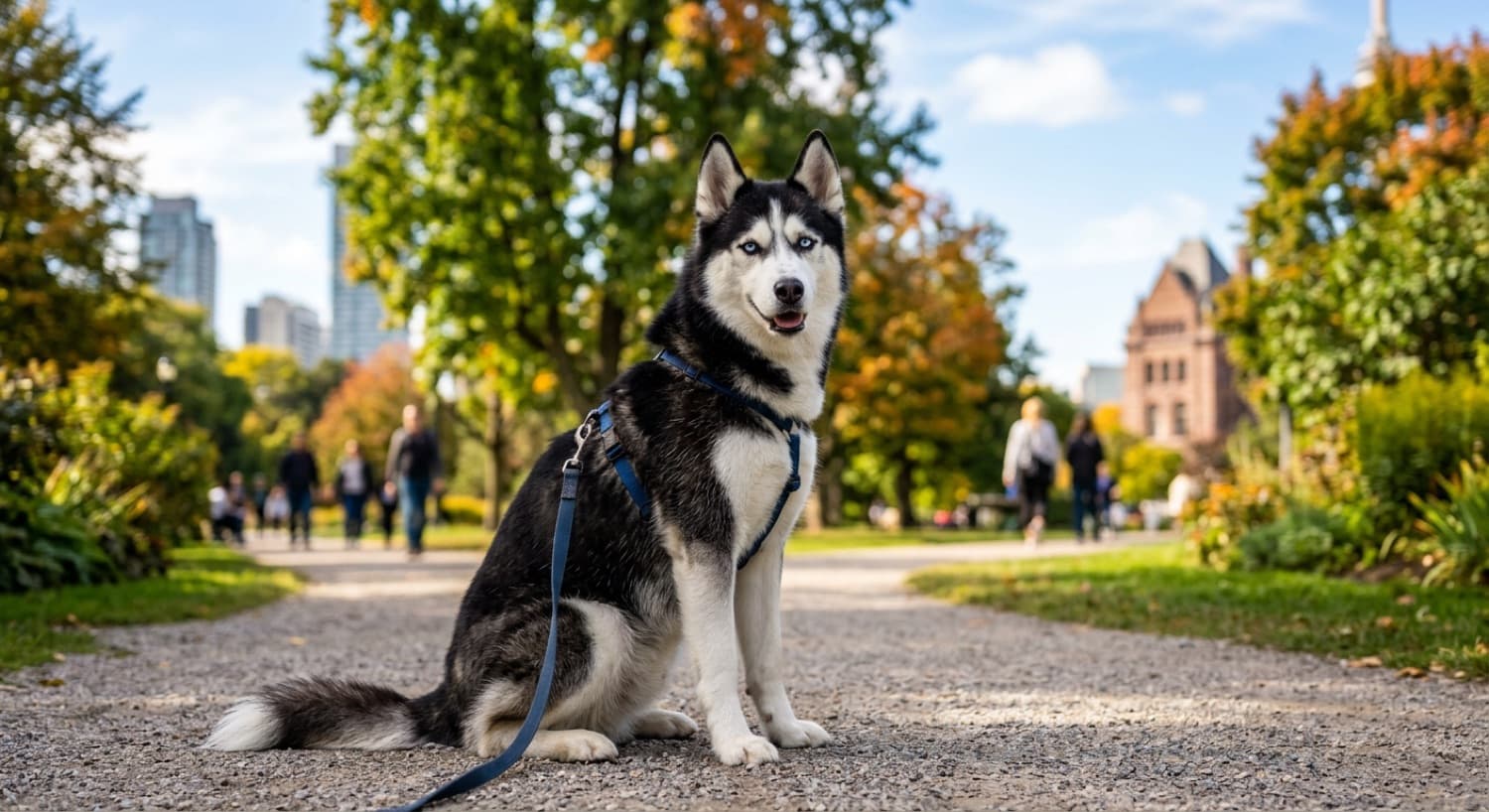
Here is a rare piece of good news about a demanding breed: the Siberian Husky is genuinely one of the healthier purebred dogs. Bred for working soundness in a harsh environment, it escaped much of the structural disease that plagues some breeds. The demands of Husky ownership are the exercise and containment, not managing a long list of illnesses. Still, there are conditions to know, the eyes above all. Here is the picture.
A generally hardy breed
Relative to many purebreds, the Husky is fairly healthy and hardy. Bred as a working sled dog where only sound dogs could survive and work, the breed was selected for soundness rather than exaggerated features, so it has fewer of the severe structural problems some breeds carry. Huskies are typically athletic, sound, and robust, and many live long, healthy, active lives.
“Generally healthy” does not mean problem-free, the breed is prone to several inherited eye conditions (the main consideration) and can develop hip dysplasia and a few other issues. But a prospective owner can take some comfort that the breed is relatively robust. It is the exercise and containment needs, not the health, that make a Husky demanding.
Eyes: the main watch-point
Eye conditions are the most significant health consideration for the breed. The three most notable: cataracts (a clouding of the lens, sometimes at a young age, “juvenile cataracts”; some are surgically treatable), progressive retinal atrophy (PRA) (gradual retinal degeneration leading to vision loss, no cure, but dogs adapt well), and corneal dystrophy (corneal opacities, usually more cosmetic than vision-affecting, but monitor).
Routine eye monitoring is worthwhile, watch for cloudiness or changes in the eyes, bumping into things, or hesitancy in dim light, and have any concerns assessed (ideally by a veterinary ophthalmologist for anything significant). Many eye conditions are manageable or treatable if caught early, and even a Husky that loses vision to PRA can live a happy, full life. Given the potential for conditions that may need specialist treatment, eye health is a real part of the insurance argument. The American College of Veterinary Ophthalmologists maintains hereditary eye-disease resources.
Hips and joints
Huskies can develop hip dysplasia, but at a relatively lower incidence than many medium-to-large breeds, another benefit of having been bred for soundness. Signs include stiffness, difficulty rising, reluctance to exercise, and limping. Keeping the dog lean and providing appropriate exercise (avoiding high-impact stress in growing puppies) manages joint health.
For a Husky, whose exercise needs are enormous, the athletic lifestyle actually tends to support good musculoskeletal health, provided the dog is kept lean and the exercise is appropriate. Arthritis can develop with age, so keep a senior Husky lean and gently exercised. Overall, joint problems are a lesser concern in Huskies than in many breeds, but weight management and appropriate exercise remain worthwhile lifelong habits.
Other conditions, heat, and safety
Occasional other issues: hypothyroidism (weight gain, lethargy, coat problems, easily diagnosed and very treatable) and zinc-responsive dermatosis (a northern-breed skin condition responding to zinc supplementation). Two non-disease considerations matter for the breed: heat sensitivity (that thick double coat means Huskies overheat far more easily than they get cold, so guard against heatstroke in Montreal's hot, humid summers) and escape/injury risk (an escaped Husky can be hit by a car or get lost, so secure containment is a genuine safety issue).
In Montreal's summers, exercise in the cool parts of the day, provide shade and water, never leave a Husky in a hot car or unshaded space, and watch for signs of overheating. See our exercise and escape-proofing guide on containment.
Lifespan and the insurance case
Huskies are long-lived for their size, typically ~12 to 15 years. Keep the dog well-exercised and lean, monitor the eyes, maintain the coat, take summer heat precautions, contain securely, and stay on routine vet care. On insurance: worth considering, though the case is more moderate than for breeds with extensive health problems, driven mainly by the eye conditions (some need specialist surgery), the possibility of hip or other issues, and the accident risk of an active, escape-prone breed. Montreal specialist care (ophthalmology) is not cheap.
Take out insurance while the dog is young and healthy, before any condition (especially an eye condition) is diagnosed and excluded. Compare providers, understand coverage (including hereditary eye conditions) and limits, and read the fine print. If you self-insure, keep a reasonable vet fund with the eye conditions and accident risk in mind. For an adopted adult or senior, understand what a policy covers. On balance, insurance is a reasonable choice for a Husky, driven more by the eyes and accident risk than by a long list of chronic diseases. See our adoption guide for the cost picture.
Browse adoptable dogs in Montreal
The Husky's hardiness is a real plus, a good rescue shares a dog's known health history so you can adopt informed. Refreshed regularly across Montreal-area organizations.
See Available Dogs →Frequently Asked Questions
Are Huskies a healthy breed?
Relatively, yes, one genuine upside of a demanding breed. Bred for working soundness rather than exaggerated features, the Husky has fewer severe structural problems than many breeds and often lives 12 to 15 years. The main watch-point is the eyes. The demands are exercise and containment, not managing many illnesses.
What eye conditions affect them?
The main concern: cataracts (sometimes juvenile, some surgically treatable), PRA (gradual vision loss, no cure but dogs adapt), and corneal dystrophy (usually cosmetic). Monitor the eyes, watch for cloudiness or vision changes, and see a veterinary ophthalmologist for anything significant. Many conditions are manageable if caught early.
Do they get hip dysplasia?
They can, but at a lower incidence than many medium-to-large breeds, another benefit of being bred for soundness. Keep the dog lean and provide appropriate exercise (avoiding high-impact stress in puppies). The athletic Husky lifestyle tends to support good musculoskeletal health when the dog is kept lean.
What else should owners know?
Occasional hypothyroidism (very treatable) and zinc-responsive skin conditions. Two non-disease points matter: heat sensitivity (they overheat far more easily than they get cold, so guard against heatstroke in Montreal summers) and escape/injury risk (secure containment is a safety issue, not just convenience).
How long do they live?
Long-lived for their size, typically 12 to 15 years. Keep the dog well-exercised and lean, monitor the eyes, maintain the coat, take summer heat precautions, contain securely, and stay on routine vet care. The breed's hardiness and longevity are real assets.
Is pet insurance worth it?
Worth considering, though a more moderate case than for breeds with extensive health problems. Driven mainly by the eye conditions (some need specialist surgery) and the accident risk of an active, escape-prone breed. Take insurance out while the dog is young. For an adopted adult, understand what a policy covers.
Related Montreal guides
Husky Adoption in Montreal
Where to adopt in Montreal, the demanding temperament, exercise and shedding, winters, real costs, and who it suits.
Husky Exercise & Escape-Proofing
Meeting the breed's huge exercise needs and containing an escape artist, in Montreal, winter included.
Adoptable Dogs in Montreal
All currently available dogs across Montreal-area organizations, including Huskies and Husky mixes. Updates regularly.
Montreal Dog Adoption Resources
All our Montreal dog adoption guides in one place.
New dog? Start with these care guides
Everything a new adopter needs to set up a safe, happy home.