The short answer
Shiba Inus are spirited, confident, and famously independent spitz dogs, often called “cat-like” (aloof, clean, easy to house-train, on their own terms). They're loyal to family but not the soft, biddable, cuddly type. Start on LocalPetFinder's Montreal listings, the Montreal SPCA, and general rescues (purebreds go fast; adopting an adult lets you know the temperament). Crucial: they're escape artists with unreliable recall and strong prey drive, so they need secure containment and leashed walking (never off-leash in unfenced areas). Their double coat suits Montreal winters (but manage summer heat, never shave). Canadian rescue fees typically run $250 to $650 for an adult dog. Great for the right owner, frustrating if you want an easy, off-leash, cuddly dog.
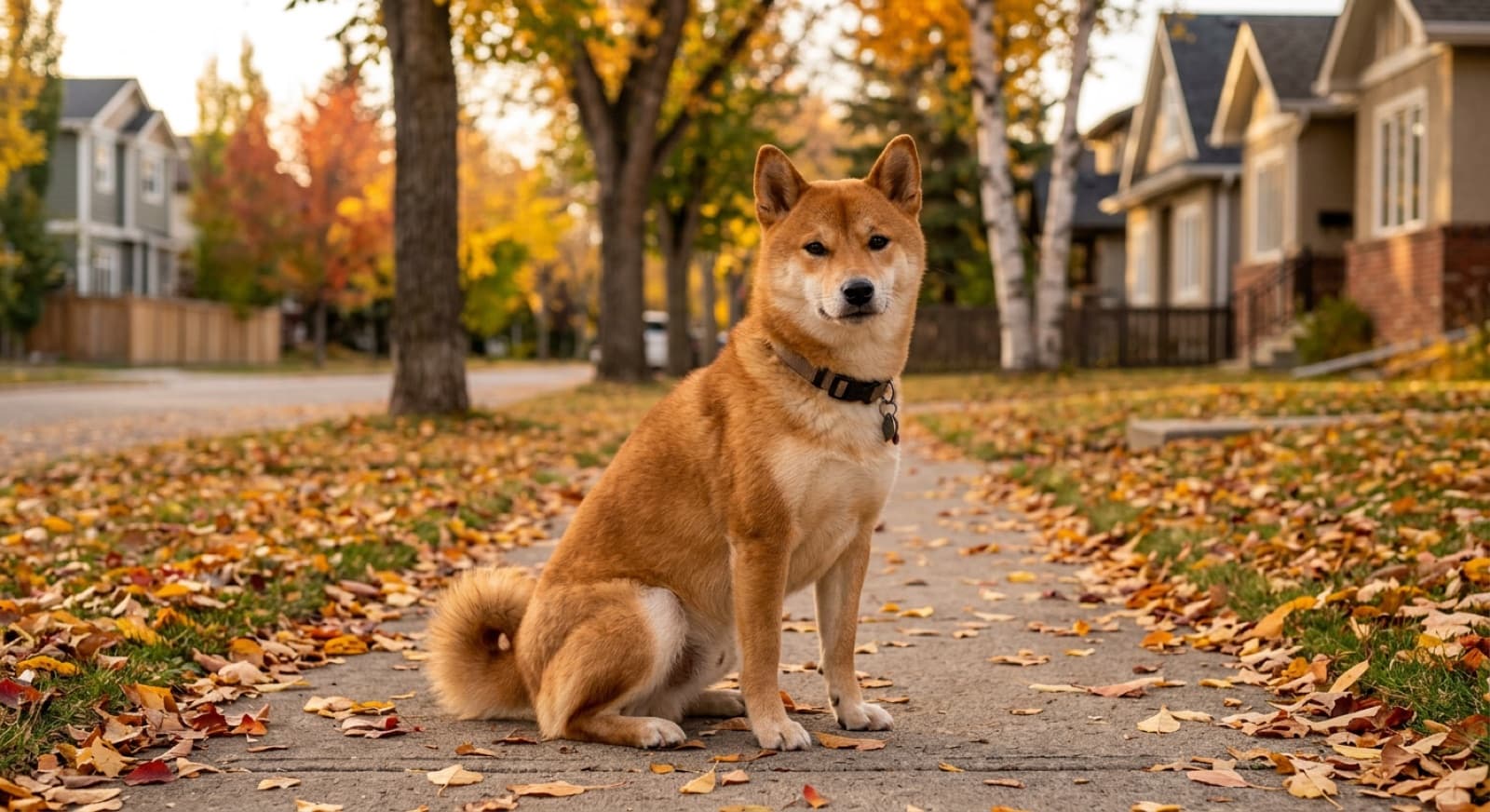
The Shiba Inu is one of the most distinctive dogs you can adopt: spirited, dignified, clean, and utterly independent. People fall for the fox-like looks and the famous internet fame, but the Shiba is very much its own dog, not the eager, biddable companion some expect. For the owner who gets it, that's the whole charm. Here's what Montreal adopters should know.
Where to adopt in Montreal
A few routes, though patience helps, as in-demand purebred Shibas go fast:
- •LocalPetFinder's Montreal dog listings, aggregating adoptable dogs from Montreal-area shelters and rescues, refreshed regularly. Search Shibas and Shiba mixes.
- •The Montreal SPCA, Quebec's largest animal-protection organization.
- •Montreal-area general and small/medium-breed rescues, many foster-based, posting dogs through their websites and social media.
- •The Shiba Inu Canada rescue network, run by the national breed club. It only posts dogs and is not a rescue charity; the club says “There are not large numbers of Shiba Inu requiring rescue in Canada.” No Shiba-specific rescue charity in Canada is verified.
Adopting an adult Shiba is genuinely valuable for such a distinctive breed, you can see the temperament and energy, and a reputable rescue assesses behaviour (dog-sociability, resource-guarding, escape tendencies). Some Shibas end up in rescue precisely because owners didn't understand the breed, so adopting can mean giving a home to a Shiba who needs an owner who truly gets it.
The independent, “cat-like” temperament
Shibas are spirited, confident, alert, bold, and famously independent, often called “cat-like” for their aloofness, cleanliness (they self-groom and are often easy to house-train), and self-possessed nature. Bred in Japan to hunt, the Shiba is intelligent and primitive in temperament, and not a soft, biddable, eager-to-please breed. It's independent-minded, can be strong-willed and stubborn, is often aloof with strangers, and is typically devoted to its family in a dignified, less-demonstrative, cat-like way (many aren't big cuddlers, though it varies).
Key traits to understand: Shibas have a strong prey drive and are notorious escape artists with unreliable recall, so they generally can't be trusted off-leash in unfenced areas and need secure containment (the single most important thing, see the temperament & escape guide). They can also be resource-guarding, not especially dog-social (sometimes same-sex aggressive), and are famous for the dramatic “Shiba scream.” They're intelligent but need patient, positive training that works with their independent nature.
Family and climate fit
A well-socialized Shiba can be a loyal, spirited family dog, but its independent, sometimes possessive nature means it suits some homes better than others. With children: it can live with kids taught to respect its space, but its dislike of rough handling and potential resource-guarding mean supervision matters and it often does better with older, respectful children. With other pets: the strong prey drive means care around small animals, and Shibas can be same-sex dog aggressive or not very dog-social, so careful introductions matter.
Climate is a real Shiba advantage in Montreal: as a double-coated spitz, the Shiba is well-suited to cold weather and generally enjoys Montreal winters and snow (sensible care in extreme cold still wise). The flip side: the thick coat means they can overheat in summer, so keep them cool in hot weather (and, like other double-coated breeds, never shave the coat). They're moderately energetic and adaptable in size (~17 to 23 lbs), fine in apartments or houses if exercised, but the escape tendency means secure containment and leashed walking are essential.
Shibas are also relatively clean and often easy to house-train, a cat-like plus many owners love. For a Montreal owner who appreciates an independent, cold-hardy dog and provides secure containment, leashed exercise, patient training, and respect for the breed's nature (ideally with older children or none), a Shiba is a wonderful companion, just not the easy, off-leash family dog some expect.
The real cost
Canadian rescue and shelter fees typically run $250 to $650 for an adult dog and $450 to $800 for a puppy (October 2026), usually covering spay/neuter, vaccinations, and microchipping. The few registered Canadian breeders that publish prices ask about $3,000 plus tax to $4,500 for a pet Shiba puppy (October 2026, small sample; see our Canadian Shiba Inu puppy price guide). Show-line and imported dogs cost more. Ongoing costs are moderate: good food, routine vet care, grooming supplies (the double coat, especially during shedding “coat blows”), secure containment (good fencing/management, genuinely important given the escape tendency), patient training (possibly professional), and a fund or insurance for potential issues. The breed is generally healthy, which helps.
Pet insurance is worth considering, taken out while the dog is young. Under Quebec's Civil Code (article 898.1), animals are recognized as sentient beings, not mere property. A Shiba is a moderate cost to own (the breed's general good health helps), but grooming, secure-containment needs, training, and potential health costs mean it's not a no-cost commitment, and they're fairly long-lived (often 12 to 16 years).
Browse adoptable dogs in Montreal
Shibas and Shiba mixes go fast, so check often and be open to an adult, whose temperament you can already know. Refreshed regularly across Montreal-area organizations.
See Available Dogs →Frequently Asked Questions
Where can I adopt a Shiba Inu in Montreal?
Start with LocalPetFinder's Montreal listings, the Montreal SPCA (spca.com), and Montreal-area general rescues. There is no verified Shiba-specific rescue charity in Canada; Shiba Inu Canada, the national breed club, runs a rescue network that only posts the occasional dog needing a home. Purebreds are in demand and go fast, so be patient and open to a mix or an adult. Adopting an adult lets you know the temperament, valuable for such a distinctive breed, and some Shibas need homes precisely because owners didn't understand the breed.
What is a Shiba Inu's temperament like?
Spirited, confident, and famously independent, often called “cat-like” (aloof, clean, on their own terms). Loyal to family but not soft, biddable, or cuddly. Crucially, they have a strong prey drive and are notorious escape artists with unreliable recall, so they need secure containment and leashed walking. They can be resource-guarding, not very dog-social, and famous for the dramatic “Shiba scream.”
Are Shiba Inus good family dogs and good in Montreal?
In climate terms, yes, as a double-coated spitz the Shiba is well-suited to cold and enjoys Montreal winters (but manage summer heat, never shave the coat). They're adaptable in size and fine in apartments if exercised, but the escape tendency means secure containment and leashed walking are essential. Best with older, respectful children, and care is needed around small pets (prey drive).
How much does it cost to adopt and own a Shiba Inu in Montreal?
Canadian rescue and shelter adoption fees typically run $250 to $650 for an adult dog and $450 to $800 for a puppy (October 2026), usually including spay/neuter, vaccinations, and microchipping. The few registered Canadian breeders that publish prices ask about $3,000 plus tax to $4,500 for a pet Shiba puppy (October 2026, small sample). Ongoing costs are moderate: food, vet care, grooming supplies (the double coat), secure containment, training, and a fund or insurance. The breed is generally healthy, which helps. Fairly long-lived (12 to 16 years).
What should I know before adopting a Shiba Inu?
They're independent and “cat-like” (not soft or cuddly), escape artists with unreliable recall and strong prey drive (need secure containment and leashed walking), can be stubborn to train, may resource-guard and aren't very dog-social, have a cold-hardy double coat that sheds heavily and must never be shaved, and are clean and easy to house-train. Great for the right owner, frustrating if you want an easy, off-leash, cuddly dog.
Should I buy a Shiba Inu puppy or adopt?
Consider adoption first. The few registered Canadian breeders that publish prices ask about $3,000 plus tax to $4,500 for a pet puppy (October 2026, small sample), and the breed's internet fame has driven lots of backyard and cash-in breeding, so a genuinely reputable, health-testing breeder takes care to find (cheap ads well below breeder prices are a red flag). Adoption costs far less, helps a dog in need, and, with an adult, lets you know the temperament, valuable for such a distinctive breed. Purebreds go fast, so be open to a mix or an adult.
Related Montreal guides
Shiba Inu Health Issues
Allergies and skin issues, patellar luxation, hip dysplasia, eye conditions, the generally-healthy long life, and the pet-insurance case.
Shiba Inu Temperament, Escape & Recall
The independent nature, why Shibas escape and can't be trusted off-leash, secure containment, recall training, and the “Shiba scream.”
Adoptable Dogs in Montreal
All currently available dogs across Montreal-area organizations, including Shibas and Shiba mixes. Updates regularly.
Montreal Dog Adoption Resources
All our Montreal dog adoption guides in one place.
New dog? Start with these care guides
Everything a new adopter needs to set up a safe, happy home.