The short answer
Chihuahuas are very long-lived (14 to 18 years) and often healthy, and dental disease is the number-one issue. A tiny crowded mouth traps plaque, so dental care is the biggest ongoing health job, brushing plus periodic professional cleanings. Next comes luxating patella (a slipping kneecap, very common), heart conditions (mitral valve disease, and PDA in some), and small-dog risks: tracheal issues (use a harness, not a collar), hypoglycemia in puppies and tiny dogs, a skull soft spot (molera), and general fragility. Keep the dog lean, keep it warm, and protect the small body. Insurance is cheap but usually excludes routine dental. Regina emergencies go to the 24 HR Animal Care Centre (306-761-1449); cardiology and surgery refer to the WCVM in Saskatoon. Always consult your veterinarian.
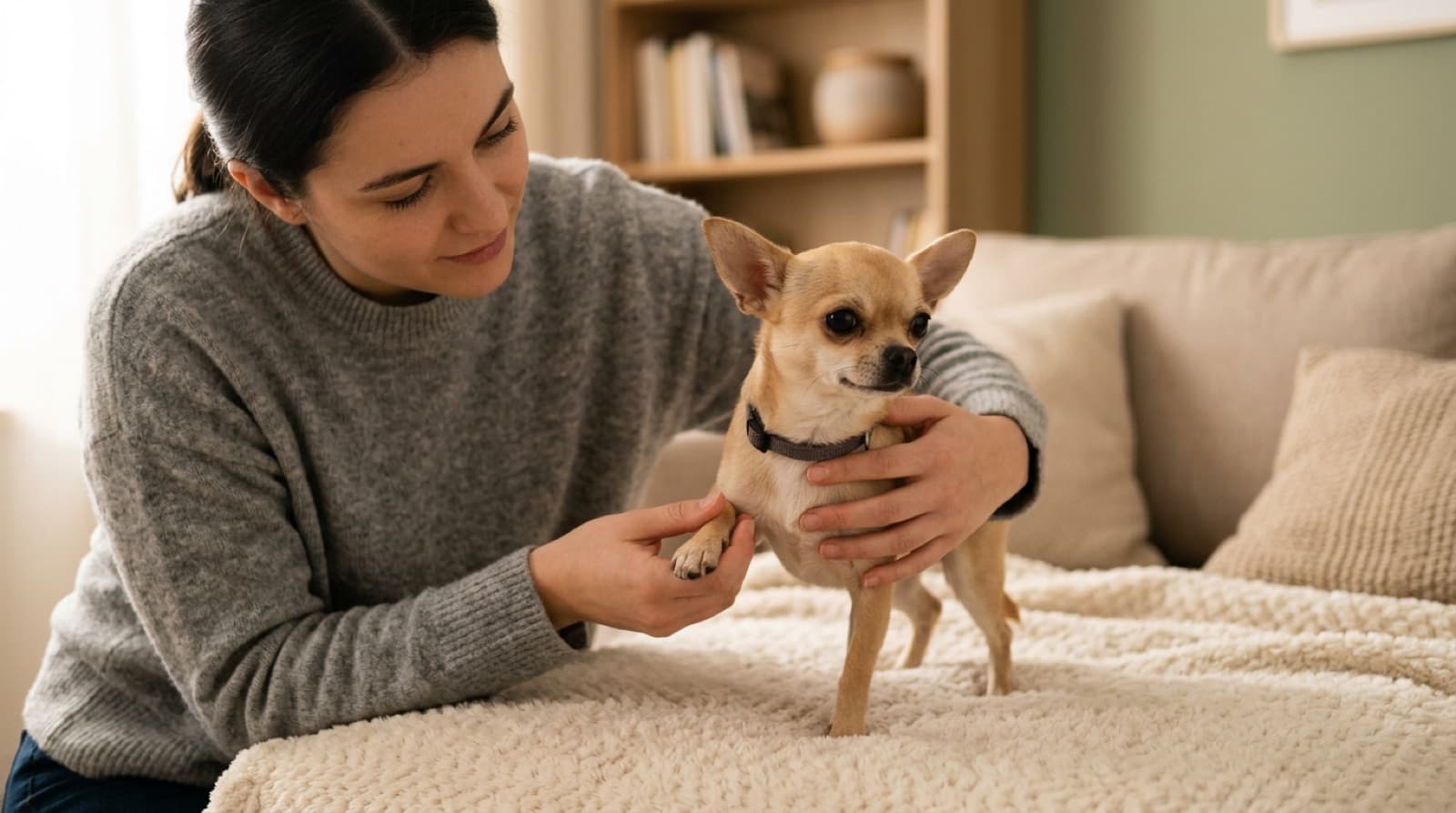
Dental disease: the number-one concern
Dental disease is the most common health problem in Chihuahuas, and it is preventable. A tiny mouth crowds the teeth, trapping plaque, so tartar builds up fast and progresses to painful gum disease, infection, and tooth loss, and the bacteria can even affect the heart over time. Dental care is core health maintenance for this breed, not a cosmetic nicety.
The routine: brush the teeth regularly with dog-appropriate toothpaste (ideally most days), provide dental chews and appropriate toys, and have your vet examine the teeth yearly, with professional cleanings under anesthesia as recommended. Starting young and staying consistent makes a huge difference, and budgeting for periodic cleanings is part of owning the breed. Watch for bad breath, red or bleeding gums, reluctance to eat hard food, and pawing at the mouth. Because Chihuahuas live so long, good dental care over the years genuinely protects both comfort and overall health.
Knees: luxating patella
Luxating patella, a slipping kneecap, is very common in Chihuahuas. The kneecap slips out of its groove, causing an intermittent skip or hop in the gait or a back leg held up mid-stride, ranging from mild (pops back on its own) to severe (needs surgery).
Watch for that characteristic skip, and mention it to your vet, who can grade the severity and recommend management, from weight control and joint support for mild cases to surgical correction for severe ones, which prevents arthritis and restores comfort. Keeping the Chihuahua lean is important, because excess weight worsens the knees, and sensible exercise that builds supporting muscle without high-impact jumping helps. Many Chihuahuas with mild patellar luxation live comfortable, active lives with monitoring.
Heart and airway
Chihuahuas are prone to mitral valve disease, a degenerative heart-valve condition that develops with age and is often first caught as a murmur, plus some are born with a congenital defect called patent ductus arteriosus. Small dogs can also develop tracheal collapse, which is one reason a harness rather than a collar matters.
Because heart conditions often first show as a murmur, regular vet checks that include listening to the heart are important, especially with age, and any coughing, exercise intolerance, laboured breathing, or fainting warrants prompt attention. Use a well-fitted harness so leash pressure stays off the delicate neck and windpipe, keeping a collar only for ID tags. A persistent honking cough, especially when excited or pulling, warrants a vet check, since heart and tracheal issues both cause coughing and need different management. Many Chihuahuas with well-managed heart disease live long, comfortable lives.
Hypoglycemia, fragility, and the molera
Hypoglycemia (low blood sugar) is a real risk in Chihuahua puppies and very tiny adults, which have little energy reserve and can crash if they go too long without food, get too cold, or over-exert. Signs: weakness, wobbliness, trembling, disorientation, and, severely, collapse or seizures. Prevent it by feeding small, frequent meals, keeping the dog warm, and avoiding long gaps without food. Early signs can be helped by rubbing a little honey or corn syrup on the gums while you contact your vet, but a collapsing or seizing dog needs immediate emergency care.
Chihuahuas are also genuinely fragile, so a fall, a jump from a height, or being stepped on can cause serious injury, which is why they are a poor match for homes with very young or rough children and why the small body needs protecting. Many Chihuahuas have a molera, a soft spot in the skull where the bones did not fully close, which is usually harmless but means the head needs gentle handling. And prominent eyes are prone to injury and dry eye, so watch for redness or discharge. Keeping a Chihuahua lean, warm, and protected addresses most of the tiny-dog risks.
Browse adoptable Chihuahuas in Regina
A rescue Chihuahua comes with a vet workup and, often, a known history, and this very long-lived breed is rewarding when you keep up the dental care and protect the small body. Refreshed regularly.
See Available Chihuahuas →Emergency and specialty vet care from Regina
For after-hours crises, the 24 HR Animal Care Centre (306-761-1449) in Regina is Saskatchewan's only true 24-hour animal hospital, so it is your first call for a hypoglycemic collapse or seizure, severe breathing difficulty, or any serious injury to a small dog. For specialty cardiology (heart disease) and surgery (knee and other conditions), the province's referral centre is the WCVM Veterinary Medical Centre at the University of Saskatchewan in Saskatoon, roughly a 2.5-hour drive north.
Most Chihuahua health needs are routine and handled by your regular Regina vet, especially the all-important dental care, but keep the 24 HR Animal Care Centre address and phone handy and read our Regina emergency vet guide before you need it. Treat these as emergencies: a hypoglycemic collapse or seizure (especially in a puppy or tiny dog), severe breathing difficulty, and any serious injury, since a fall or being stepped on can badly hurt such a small dog. Your regular vet coordinates any WCVM specialty referral when a Chihuahua needs one.
Frequently Asked Questions
What health problems are Chihuahuas most prone to?
Chihuahuas are a very long-lived breed and often healthy, but their tiny size brings a specific set of concerns. Dental disease is the single most common issue, because a Chihuahua's small mouth crowds the teeth, trapping plaque and leading to tartar, gum disease, and tooth loss, so dental care is the number-one ongoing health job. Luxating patella, a slipping kneecap, is very common in the breed, and Chihuahuas are also prone to heart conditions such as mitral valve disease and, in some, a congenital defect called patent ductus arteriosus. Tracheal collapse can affect small breeds, which is why a harness rather than a collar matters. Other concerns include hypoglycemia (low blood sugar), especially in puppies and very tiny dogs, a soft spot in the skull called a molera, prominent eyes prone to injury and dry eye, and Legg-Calve-Perthes hip disease. Most Chihuahuas live long, healthy lives with good dental and preventive care. None of this should scare you off the breed, but dental care and protecting the small body should shape daily life. Always consult your veterinarian for diagnosis and treatment.
Why is dental care so important for a Chihuahua?
Because dental disease is the most common health problem in the breed, and it is both preventable and genuinely harmful if ignored. A Chihuahua's tiny mouth crowds the teeth together, which traps plaque and food, so tartar builds up quickly, and without care that progresses to painful gum disease, infection, and tooth loss, and the bacteria involved can even affect the heart and other organs over time. Dental care is therefore not a cosmetic nicety for this breed, it is core health maintenance. The routine that keeps a Chihuahua's mouth healthy includes brushing the teeth regularly with dog-appropriate toothpaste, ideally most days, providing dental chews and appropriate toys, and having your vet examine the teeth at least yearly, with professional cleanings under anesthesia as recommended. Starting young and keeping it consistent makes a huge difference, and budgeting for periodic professional cleanings is part of owning the breed. Watch for bad breath, red or bleeding gums, reluctance to eat hard food, and pawing at the mouth, which signal dental trouble. Consult your veterinarian about a dental plan for your dog.
What is luxating patella and do Chihuahuas get it?
Luxating patella is a condition where the kneecap slips out of its normal groove, and it is very common in Chihuahuas and other small breeds. It causes an intermittent skip or hop in the gait, a back leg suddenly held up mid-stride, or occasional lameness, and it ranges from mild, where the kneecap pops back on its own and the dog carries on, to severe, where it needs surgical correction. Watch for that characteristic little skip or a leg held up, and mention it to your vet, who can grade the severity, from grade one (mild) to grade four (severe), and recommend management. Mild cases are often managed with weight control, joint support, and monitoring, while more severe cases may need surgery to prevent arthritis and restore comfort. As with most small-dog joint issues, keeping the Chihuahua lean is important, because excess weight worsens the knees, and sensible exercise that builds supporting muscle without high-impact jumping helps. Many Chihuahuas with mild patellar luxation live comfortable, active lives. Your vet can assess the knees and build a plan. Consult your veterinarian.
What heart conditions affect Chihuahuas?
Chihuahuas are prone to a couple of heart concerns worth knowing. The most common is mitral valve disease, a degenerative condition of one of the heart valves that develops with age and is common in small breeds, often first detected by a vet as a heart murmur and monitored over time, with medication used when it progresses. Some Chihuahuas are also born with patent ductus arteriosus, a congenital defect where a blood vessel that should close after birth stays open, which a vet may detect as a murmur in a young dog and which can sometimes be corrected. Because heart conditions are common in the breed and often first show up as a murmur, regular vet checks that include listening to the heart are important, especially as a Chihuahua ages, and any coughing, exercise intolerance, laboured breathing, or fainting warrants prompt veterinary attention. Many Chihuahuas with well-managed heart disease live long, comfortable lives, and the breed's general longevity means heart monitoring is part of good senior care. A veterinary cardiologist, reachable through referral from Regina to the WCVM in Saskatoon, can assess and guide management for more serious cases. Always consult your veterinarian.
Should I use a harness on a Chihuahua because of tracheal collapse?
Yes, a harness rather than a collar is recommended for Chihuahuas and other small breeds, partly because of the risk of tracheal collapse. Tracheal collapse is a condition where the windpipe weakens and flattens, causing a characteristic honking cough and, in worse cases, breathing difficulty, and while it is more associated with some other toy breeds, small dogs in general are at risk, and pressure on the neck from a collar can contribute to or aggravate it. A well-fitted harness spreads any leash pressure across the chest and shoulders instead of concentrating it on the delicate neck and windpipe, which is safer for the trachea and more comfortable for a tiny dog. Keep a collar for identification tags if you like, but attach the leash to a harness. If your Chihuahua develops a persistent honking cough, especially when excited or pulling, or shows any breathing difficulty, have it checked by your vet, since tracheal issues and heart conditions can both cause coughing and need different management. Switching to a harness is a simple, protective habit for the breed. Consult your veterinarian for any coughing or breathing concerns.
What is hypoglycemia and which Chihuahuas are at risk?
Hypoglycemia is low blood sugar, and it is a real risk in very small dogs, particularly Chihuahua puppies and tiny adults, because they have little energy reserve and can drop their blood sugar dangerously if they go too long without food, get too cold, are stressed, or over-exert. Signs include weakness, wobbliness, lethargy, trembling, disorientation, and in severe cases collapse or seizures, and it can become an emergency quickly. Prevention is straightforward: feed a small Chihuahua frequent small meals rather than one or two large ones, especially puppies and very tiny dogs, keep the dog warm, and avoid long gaps without food. If you see early signs of hypoglycemia, rubbing a little honey or corn syrup on the gums can help raise blood sugar quickly while you contact your vet, but a dog that is collapsing or seizing needs immediate emergency care at the 24 HR Animal Care Centre. This risk is greatest in teacup-marketed and puppy Chihuahuas and eases as a healthy adult of normal size matures, but it is worth understanding, especially in a cold prairie climate where warmth matters. Consult your veterinarian about feeding and any hypoglycemia concerns.
How long do Chihuahuas live?
Chihuahuas are one of the longest-lived dog breeds, commonly reaching 14 to 18 years, and some live even longer, so adopting a Chihuahua is a genuine long-term commitment, often the better part of two decades. That remarkable longevity is one of the breed's great strengths, and it means the everyday health habits pay off over a very long time. The habits that most support a long, healthy Chihuahua life are consistent dental care, keeping the dog lean on its small frame, protecting the fragile body and knees, keeping it warm, and maintaining regular vet checks that include the heart. A senior Chihuahua of 10 or 11 often still has years ahead, which makes senior Chihuahuas wonderful, lower-risk adoptions, though heart, dental, and mobility care become more important with age. Because the breed lives so long, it is worth planning for the full commitment, including the ongoing dental costs and senior care, before you adopt. With good care, most Chihuahuas enjoy long, active, affectionate lives. Consult your veterinarian about an age-appropriate wellness schedule.
Should I get pet insurance for a Chihuahua?
It is worth considering, and it is among the cheaper breeds to insure. Chihuahuas are generally healthy but can face dental disease, luxating patella surgery, heart conditions, tracheal issues, and injuries from their fragility, any of which can bring a meaningful vet bill over a very long life, and a knee surgery or heart workup is not cheap. Pet insurance for a young healthy Chihuahua is commonly $25 to $55 per month, lower than large-breed premiums, and the key is to enrol before any condition appears, because pre-existing conditions are excluded once diagnosed. If you adopt an adult or senior Chihuahua that already has a noted condition, insurance is harder, so weigh a dedicated vet savings fund instead. Note that routine dental cleanings are usually not covered by insurance, so budget for those separately as a predictable ongoing cost. Given the breed's exceptional lifespan, insuring early can pay off over many years of coverage. Either way, plan for the ongoing dental care plus the occasional medical issue across a long life. This is general information, not financial advice.
Where can I find emergency and specialty vet care for a Chihuahua from Regina?
For after-hours emergencies, the 24 HR Animal Care Centre (306-761-1449) is Saskatchewan's only true 24-hour animal hospital, and it is in Regina, so it is your first call for a hypoglycemic collapse or seizure, especially in a puppy or tiny dog, severe breathing difficulty, or any serious injury, since a fall or being stepped on can badly hurt such a small dog. For specialty work such as cardiology for heart disease and surgery for knee and other conditions, the province's referral centre is the Western College of Veterinary Medicine at the University of Saskatchewan in Saskatoon, roughly a 2.5-hour drive north. Most Chihuahua health needs, though, are routine and handled by your regular Regina vet, especially the all-important dental care. Keep the 24 HR Animal Care Centre number handy, and your regular vet coordinates any WCVM cardiology or surgery referral when a Chihuahua needs one.
Related Guides
New dog? Start with these care guides
Everything a new adopter needs to set up a safe, happy home.