The short answer
Border Collies are common in prairie rescue, because Saskatchewan is farm country and this is the highest-drive breed. Best Saskatoon rescues: the Saskatoon SPCA, Saskatoon Dog Rescue, New Hope Dog Rescue, We All Need a Rescue, and Running Wild Rescue. Adoption fee: about $300 to $600. Two prairie pipelines fill rescues: farm and acreage washouts, and town pet-home mismatches where an under-exercised BC turns destructive by 8 to 18 months. Free farm collies are common but rarely a safe bet (no vetting, high drive). The merle warning: avoid merle-to-merle litters. Most surrenders are 1-to-5-year adults, and the dogs are almost never bad, just under-employed. For most first-time owners a BC is a lot of dog, and an adult rescue beats a puppy.
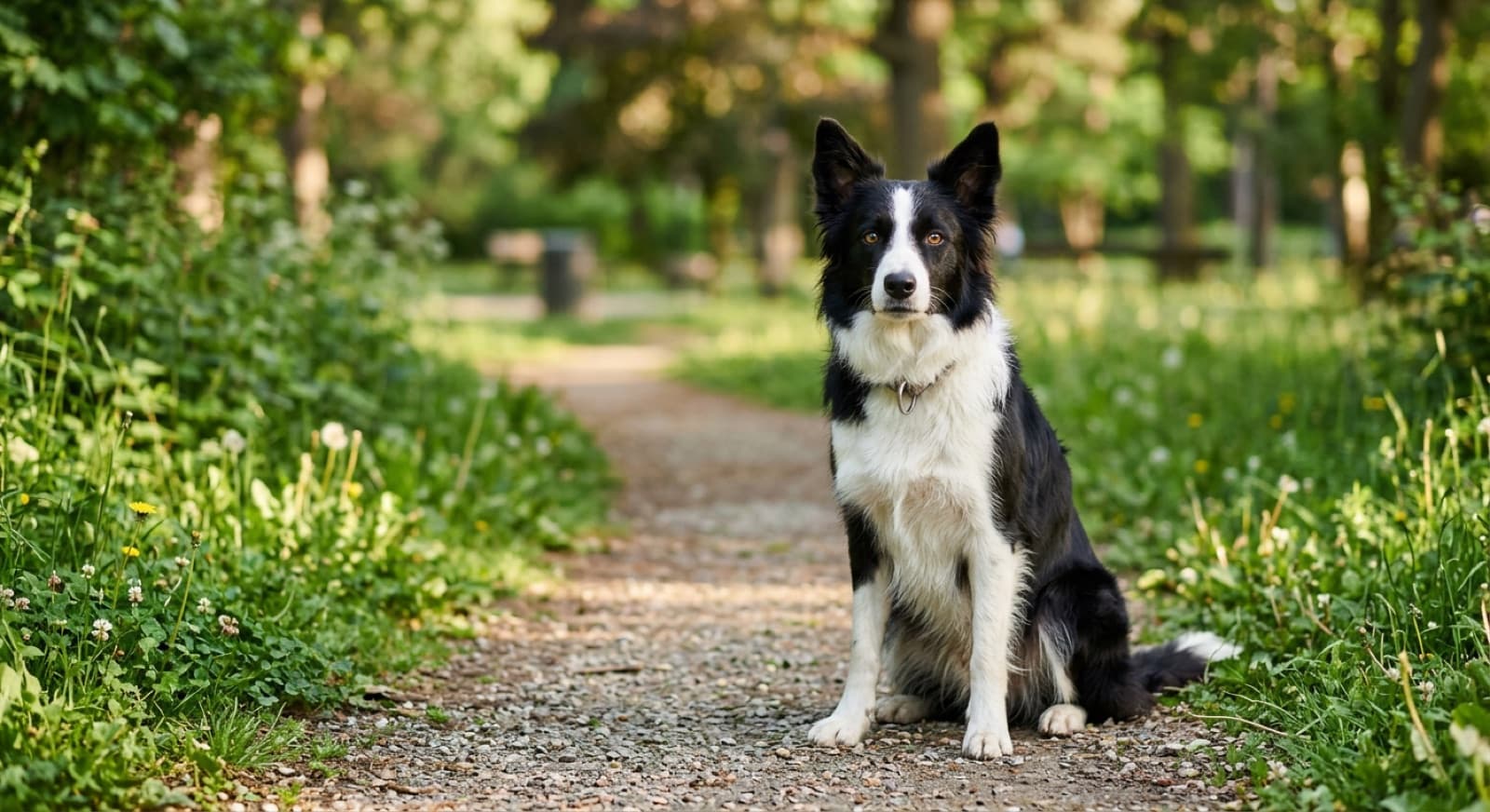
Where can I adopt a Border Collie in Saskatoon?
Border Collies and BC crosses appear in Saskatoon rescues regularly. Best places to check: the Saskatoon SPCA on Hanselman Avenue, Saskatoon Dog Rescue, New Hope Dog Rescue, We All Need a Rescue, and Running Wild Rescue. Browse all currently available Border Collies and BC crosses on LocalPetFinder's Border Collie breed page. Listings update regularly. Most surrendered BCs are 1 to 5 year old adults, often farm washouts or town pets whose owners could not meet the drive. Common surrender reasons: exercise and mental-stimulation needs underestimated, herding and nipping, reactivity, and destruction from boredom.
For the full Saskatoon rescue landscape and how each organisation works, see our best dog rescues in Saskatoon guide. A Border Collie is the most demanding common breed, so read up on the drive before you apply.
Is there a Border Collie-specific rescue in Saskatchewan?
A dedicated Saskatchewan Border Collie rescue may surface in search, but reach is thin, and some operate as volunteer-only Facebook groups rather than registered charities. We mention this honestly because adopters search for a breed-specific BC rescue and then send money to whatever name comes up first. Before applying or paying any breed-specific rescue, run this checklist:
(1) Canada Revenue Agency charitable registry
(2) A physical address or named foster network
(3) Public-facing vet references
(4) Recent adoptable dog listings
You rarely need a breed-specific group anyway. Because BCs and BC crosses are common in prairie rescue, the general rescues usually have several: the Saskatoon SPCA, Saskatoon Dog Rescue, New Hope Dog Rescue, We All Need a Rescue, and the Regina Humane Society for those willing to drive south. A herding-experienced foster is a real bonus, because they can read how much drive a given dog carries.
How much does it cost to adopt a Border Collie in Saskatoon?
Saskatoon BC rescue adoption fees range roughly $300 to $600, including spay or neuter, vaccinations, microchip, deworming, and a basic vet workup. Senior BCs are often reduced. Buying is a mixed picture: a registered sport or show BC can run $1,000 to $2,500, but working farm collies are often sold cheaply or given away, which is exactly how many end up needing rescue later. Annual care: roughly $1,500 to $3,000 per year, plus about 11 percent Saskatchewan tax on vet services and food. The bigger real cost with a BC is time and enrichment, not money, because an under-stimulated dog becomes an expensive behaviour problem. Pet insurance is commonly $40 to $70 per month for a young healthy BC.
| Source | BC Fee Range | What's Included |
|---|---|---|
| Saskatoon SPCA | $315 to $575 | Spay or neuter, vaccines, microchip, vet check |
| Foster-based rescue (Saskatoon Dog Rescue, New Hope) | $300 to $500 | Spay or neuter, vaccines, microchip, foster temperament plus medical history |
| Senior BC (8+ years) | Often reduced | Same as above, at a lower fee |
| Working farm litter | Free to a few hundred | Usually no vetting, spay/neuter, or temperament read |
| Registered sport / show breeder | $1,000 to $2,500 | CKC papers, health-tested parents (verify) |
For the full first-year budget with the Saskatchewan tax picture, see our Saskatoon adoption costs guide.
Are there free Border Collies for adoption in Saskatoon?
Free and cheap Border Collies are genuinely common on prairie buy-and-sell pages, more than for most breeds. That does not make them a safe bet. A free-to-good-home farm collie usually comes with:
(1) No spay or neuter, vaccines, or vet records
(2) No honest read on temperament or drive level
(3) A real chance it is a high-drive working washout that will overwhelm a pet home
(4) Sometimes an undisclosed behaviour or health problem
Real rescue adoption is never free, but even the lowest Saskatoon SPCA fee covers spay or neuter, vaccines, microchip, and a vet exam at well below cost, plus a foster temperament read. If you do take a private-rehome collie, verify vet records, meet the dog at its current home, and be genuinely honest about whether you can handle a working-bred dog.
Why do so many Border Collies end up in Saskatchewan rescues?
Because it is the highest-drive breed and it lands in the wrong homes constantly. On the prairies there are two main pipelines:
(1) Farm and acreage washouts. A working litter produces pups that do not take to stock, or a stock dog that does not work out, and those dogs need homes
(2) Town pet-home mismatches, the more common city pattern. A family gets a beautiful smart puppy, underestimates the needs, and by 8 to 18 months the bored dog is spinning, barking, nipping, herding the kids, and chewing the house apart
A Border Collie in a Saskatoon apartment with two short walks a day is a recipe for surrender. The dogs are almost never bad, they are under-employed. Match a BC to an active home that gives it a job and the surrender reasons vanish. The full plan is in our Border Collie exercise and mental stimulation guide.
Common Border Collie crosses on the prairies
Farm dogs cross freely, so BC crosses are common in Saskatchewan rescue. A cross is not automatically calmer than a purebred BC.
| Cross | Weight | Notes |
|---|---|---|
| BC x Cattle Dog (Heeler) | 30 to 55 lbs | One of the most common prairie mixes. Two herding drives stacked. Intensely busy, needs a serious job. |
| BC x Australian Shepherd | 35 to 60 lbs | High-drive and biddable. Very trainable, very demanding. |
| BC x Lab (Borador) | 45 to 70 lbs | Often softer and more forgiving. A good middle ground for an active family. |
| BC x Kelpie | 30 to 50 lbs | Leaner, even higher stamina. A working dog through and through. |
All BC crosses inherit some version of drive, intelligence, and a need for mental work. A double-herding cross can be more demanding, not less, so read each rescue's temperament notes carefully.
Coat and colour: rough, smooth, red, and the merle warning
Coat and colour are mostly cosmetic, with one real health caveat: never breed merle to merle.
Border Collies come in rough (longer) and smooth (shorter) coats, both the same breed with a double coat that handles prairie cold well and blows heavily in spring. Colours range widely: classic black and white, red and white, tricolour, blue, and merle patterns.
The one thing to know is the merle warning. Breeding two merle dogs together can produce double-merle puppies with a high risk of deafness and eye defects, a known problem in careless breeding. That is not a reason to avoid a single-merle rescue dog, whose colour is harmless. It is a reason to be wary of any breeder marketing merle-to-merle litters or charging a premium for rare colours. In a rescue, the dog's temperament and drive matter far more than coat or colour. The AKC Border Collie profile covers the breed standard and coat varieties.
Browse adoptable Border Collies in Saskatoon
Live inventory from Saskatoon rescues, including BC crosses and senior dogs at reduced fees. A herding-experienced foster can tell you how much drive a given dog carries. Refreshed regularly.
See Available Border Collies →Frequently Asked Questions
Where can I adopt a Border Collie near me in Saskatoon?
Border Collies and Border Collie crosses appear in Saskatoon rescues regularly, because Saskatchewan is farm country and the breed is worked as stock dogs across the prairies. Best places to check: the Saskatoon SPCA on Hanselman Avenue, Saskatoon Dog Rescue, New Hope Dog Rescue, We All Need a Rescue, and Running Wild Rescue. Browse all currently available Saskatoon Border Collies and BC crosses on LocalPetFinder's Border Collie breed page, which updates regularly. Most surrendered Saskatoon BCs are 1 to 5 year old adults, often farm washouts or town pets whose owners could not meet the drive. The common surrender reasons: exercise and mental-stimulation needs underestimated, herding and nipping behaviour, reactivity, and a bored dog turning destructive. If you see one that fits an active home, apply quickly, because a well-adjusted BC does not wait long.
Is there a Border Collie-specific rescue in Saskatchewan?
A breed-specific Border Collie rescue may surface in a search, but reach into Saskatchewan is thin, and some operate as volunteer-only Facebook groups rather than registered charities. You rarely need one, because BCs and BC crosses are common in prairie rescue and the general rescues usually have several: the Saskatoon SPCA, Saskatoon Dog Rescue, New Hope Dog Rescue, We All Need a Rescue, and the Regina Humane Society for adopters willing to drive south. If you do find a Saskatchewan Border Collie rescue, verify it before applying or paying: check the Canada Revenue Agency charitable registry, a physical address or named foster network, public vet references, and recent adoptable dog listings. The same checklist applies to any group claiming Saskatchewan placements. A herding-experienced foster is a real bonus, because they can tell you how much drive a given dog carries.
How much does it cost to adopt a Border Collie in Saskatoon?
Saskatoon Border Collie rescue adoption fees run roughly $300 to $600, and they include spay or neuter, vaccinations, microchip, deworming, and a basic vet workup. Senior BCs are often reduced. Buying is a mixed picture with this breed: a registered sport or show Border Collie from a breeder can run $1,000 to $2,500, but working farm collies are often sold cheaply or given away as pups off a prairie farm, which is exactly how many end up needing rescue later. Annual care runs roughly $1,500 to $3,000 per year, and Saskatchewan adds about 11 percent tax to vet services and pet food. The bigger real cost with a BC is not money, it is time and enrichment, because an under-stimulated dog becomes an expensive behaviour problem. Pet insurance is commonly $40 to $70 per month for a young healthy BC.
Are there free Border Collies for adoption in Saskatoon?
Free and cheap Border Collies are genuinely common on prairie buy-and-sell pages, more than for most breeds, because working farms produce litters and rehome washouts. That does not make them a safe bet. A free-to-good-home farm collie usually comes with no vetting, no spay or neuter, no vaccine records, and no honest read on temperament, and many are high-drive working dogs that will overwhelm a pet home. Some listings are also owners offloading a dog with a serious behaviour or health problem without disclosure. Real rescue adoption is never free, but even the lowest Saskatoon SPCA fee covers spay or neuter, vaccines, microchip, and a vet exam at well below cost, plus a foster temperament read. If you do take a private-rehome collie, verify vet records, meet the dog at its current home, and be honest about whether you can handle a working-bred dog.
Should I look at Border Collie puppies for sale in Saskatoon instead of adoption?
For most households, adoption is the better path, and it sidesteps the single biggest BC mistake: taking a high-drive working puppy into a home that cannot meet the drive. Adopting a young adult means the drive level is already visible and the rescue can steer you to a dog that matches your life. If you specifically need a working stock dog or a sport prospect, a breeder with proven working or trial lines makes sense, but that is a narrow reason. If you do buy, only choose breeders who health-test the parents (hips, eyes for Collie eye anomaly, and the MDR1 drug-sensitivity gene), let you meet the parents and see the working context, take dogs back at any age, and never sell through buy-and-sell sites. Most prairie Border Collie puppy listings are farm litters with no health testing. A rescue BC is the same brilliant dog without the gamble.
Why do so many Border Collies end up in Saskatchewan rescues?
Because it is the highest-drive breed and it lands in the wrong homes constantly. On the prairies there are two main pipelines. First, farm and acreage washouts: a working litter produces pups that do not take to stock, or a stock dog that does not work out, and those dogs need homes. Second, and more common in the city, are pet-home mismatches: a family gets a beautiful smart puppy, underestimates the exercise and mental-work needs, and by 8 to 18 months the bored dog is spinning, barking, nipping, herding the kids, and chewing the house apart. A Border Collie in a Saskatoon apartment with a couple of walks a day is a recipe for surrender. The dogs are almost never bad, they are under-employed. Match a BC to an active home that gives it a job, and the surrender reasons vanish.
What are Border Collie crosses like on the prairies?
Very common in Saskatchewan rescue, because farm dogs cross freely. A Border Collie cross Australian Cattle Dog (Heeler) is one of the most common prairie mixes, stacking two herding drives for an intensely busy, whip-smart dog that needs a serious job. A Border Collie cross Australian Shepherd is similar, high-drive and biddable. A Border Collie cross Lab (Borador) is often a bit softer and more forgiving, a good middle ground for an active family. A Border Collie cross Kelpie leans toward a leaner, even higher-stamina working dog. All of them inherit some version of drive, intelligence, and a need for mental work, so read each rescue's temperament notes carefully. A cross is not automatically calmer than a purebred BC, and a double-herding cross can be more demanding, not less.
What about coat and colour: rough, smooth, red, merle?
Coat and colour are mostly cosmetic, with one health caveat. Border Collies come in rough (longer) and smooth (shorter) coats, and both are the same breed with the same double coat that handles prairie cold well and blows heavily in spring. Colours range widely: the classic black and white, plus red and white, tricolour, blue, and merle patterns. The one thing to know is the merle warning: breeding two merle dogs together can produce double-merle puppies with a high risk of deafness and eye defects, a known problem in careless breeding. It is not a reason to avoid a single-merle rescue dog, whose colour is harmless, but it is a reason to be wary of any breeder marketing merle-to-merle litters. In a rescue, the dog's temperament and drive matter far more than coat or colour.
Are there Border Collie puppies in Saskatoon rescues?
More often than for many breeds, because prairie farm litters and accidental crosses turn up regularly, especially in spring and summer. That said, a BC puppy is a bigger commitment than most, because you are signing up for 12 to 15 years with the highest-drive breed there is, and puppies give you no read on adult drive level. For most homes a young adult Border Collie of 1 to 3 years is the smarter adoption, because the drive is visible, the dog is often past the worst chewing phase, and a good foster can tell you exactly how much dog you are getting. If you do want a puppy, be honest that you are committing to years of daily physical and mental work, not just a cute farm pup. Check LocalPetFinder often, because well-matched BCs move fast.
Are Border Collies good for first-time dog owners in Saskatoon?
Usually not, unless you are genuinely ready to build your life around the dog. Border Collies are the smartest and highest-drive breed, and that intelligence is a problem in an unprepared home, because a bored BC invents its own jobs and they are rarely ones you want. First-time owners often underestimate just how much daily physical exercise and mental work the breed needs, and the mismatch is the leading surrender reason. If you are set on a BC as a first dog, the non-negotiables are a real daily commitment to exercise plus training and puzzles, a plan for the herding and nipping instinct especially around kids, and honesty about your work schedule and living space. An adult rescue BC with a known temperament is a far safer first-time pick than a puppy. Many first-timers are happier with a calmer breed and a BC cross.
Should I adopt a senior Border Collie?
Strongly consider it, because a senior BC is often the version of the breed most homes can actually live with. Senior Border Collies (8+ years) appear in Saskatoon rescues when owners pass away, downsize, or a working dog retires off a farm. Their drive has usually mellowed, so exercise needs settle to a manageable level while the famous intelligence and biddability stay, which makes them a joy to live with and train. BCs commonly live 12 to 15 years, so a senior often has good years ahead, and adoption fees are usually reduced. The main commitment is keeping the mind engaged, because even an older BC wants a job, and watching for age-related eye and joint changes. For an active person who loves the breed but cannot take on a young dog's intensity, a senior Border Collie is often the perfect fit.
Related Guides
New dog? Start with these care guides
Everything a new adopter needs to set up a safe, happy home.