The short answer
For most Calgary adopters, the Shiba Inu is right only if four conditions hold. One: you accept that leash-life is permanent and off-leash freedom outside a fully enclosed space is off the table for the dog's entire life. Two: you commit to force-free training only, with no leash pops, e-collars, or harsh corrections. Three: you appreciate cat-like independence over loyal-retriever affection. Four: your home has a secure 6-foot fenced yard or you maintain strict leash discipline every single time the dog leaves the house. The breed is small, clean, long-lived, and devoted on its own terms. The deal-breakers are lifestyle mismatch, not temperament. If those four fit, keep reading. If even one is shaky, our resources hub covers steadier first-dog options.
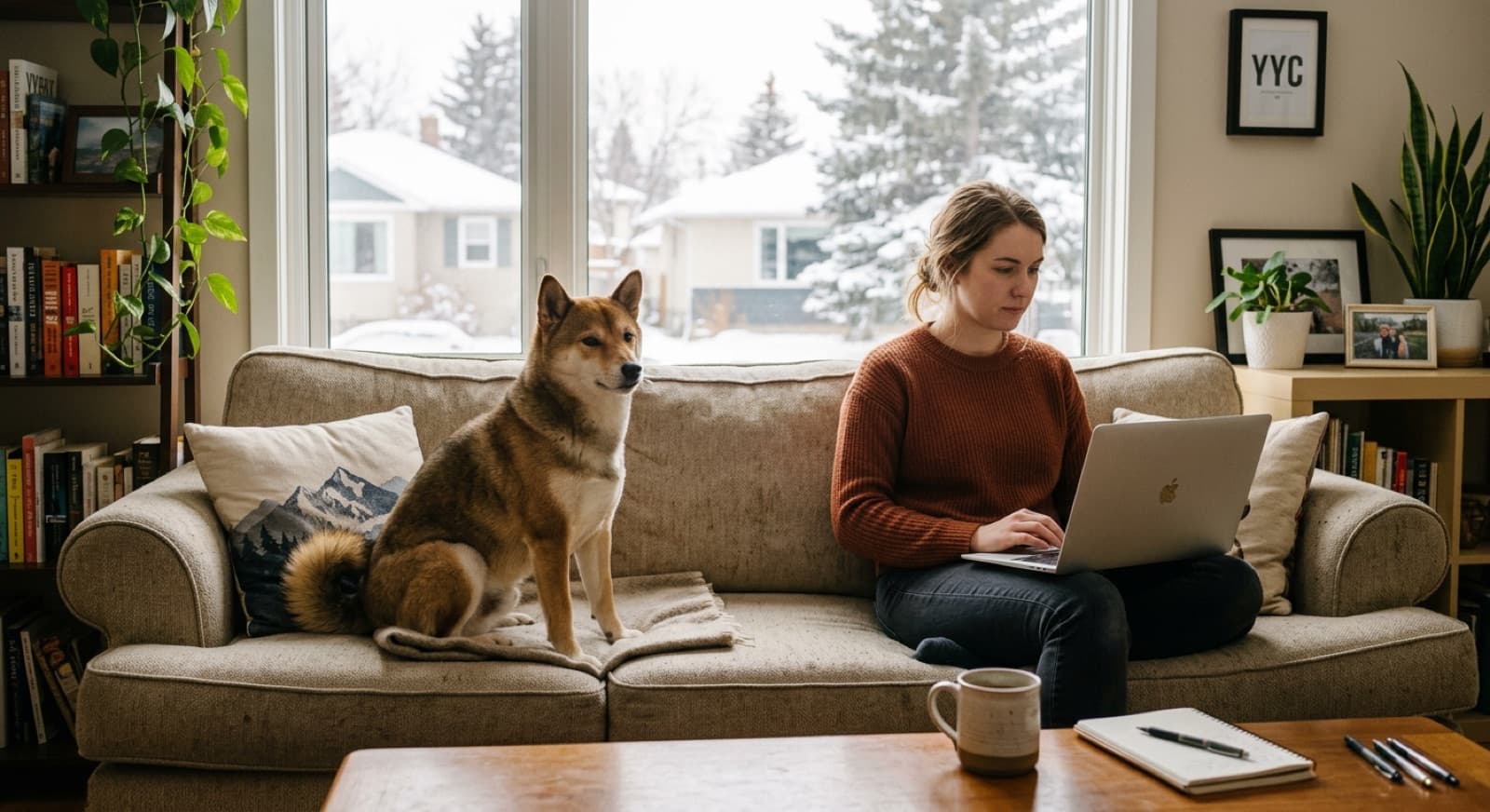
Honest Pros: Why People Love the Shiba Inu
Small size with a confident presence
At 17 to 23 lbs and 13.5 to 16.5 inches tall, the Shiba is the smallest of the six native Japanese breeds and the practical apartment-scale option. The footprint is small enough for a one-bedroom Beltline condo, the dog is light enough to lift onto a vet table, and the breed travels well on the C-Train and at Calgary patios. The compact size pairs with an upright, confident posture that makes the Shiba feel like a bigger dog without the bigger-dog space requirement.
Very long lifespan
Shiba lifespan averages 12 to 16 years, with many living to 14 or 15 in good health. Compared to giant breeds that live 7 to 10 years, the Shiba is a long companionship commitment in the best sense. Owners who do the breed homework, accept the leash-life reality, and adopt with eyes open often spend a decade-and-a-half with a healthy dog. The Canadian Kennel Club lists the breed standard at ckc.ca.
Clean indoors and cat-like grooming
Shibas groom themselves like cats. They lick their paws clean, avoid puddles when they can, and most house-train faster than typical small breeds. Day-to-day shedding outside the coat-blow seasons is low to moderate, less than a Sheltie or a Husky. Indoor cleanliness is one of the strongest pros the breed offers. The catch is the twice-yearly coat blow in spring and fall, which is intense.
Beautiful fox-like appearance
The fox-like face, prick ears, curled tail, and short double coat in red, sesame, black-and-tan, or cream make the breed one of the most photogenic small dogs. Calgary Shibas attract attention at off-leash parks (within fenced enclosures), on neighbourhood walks, and at adoption events. The visual appeal sells the breed before the temperament is understood, which is a pro for the dog finding homes but a con for impulse-driven adoptions that fail. The American Kennel Club breed standard at akc.org documents the coat patterns and conformation.
Strong family bond on the dog's terms
Shibas form deep bonds with their household, just expressed differently than a retriever bond. Most Shibas pick one or two preferred humans and follow them between rooms, settle nearby without physical contact, and are visibly aware of household routines. The bond is real and lifelong; the expression is cat-like rather than dog-like. Owners who appreciate the difference describe the Shiba bond as more meaningful precisely because the dog is choosing connection rather than defaulting to it.
Generally healthy breed
Shibas are one of the healthier purebred breeds. The most common health issues are hip dysplasia (moderate prevalence), patellar luxation, eye conditions including glaucoma and progressive retinal atrophy, and allergies. Compared to brachycephalic breeds with chronic airway issues or giant breeds with cardiac and bloat risk, the Shiba health profile is friendlier. Reputable breeders screen for hip, eye, and patella issues. National Shiba Club of America Rescue at shibas.org publishes recommended health screening guidelines.
Cold-weather hardy
The double coat handles Calgary winter beautifully. Most Shibas are comfortable down to -20C with normal walking, and many actively prefer cold weather. The breed evolved in mountainous Japan with snowy winters, and the wiring shows. Booties protect paw pads on heavily salted sidewalks, but no winter coat is needed for the dog itself. Summer above 25C is the harder direction for the breed.
Honest Cons: What the Pretty Photos Do Not Show
Notorious escape artist, leash-life mandatory
Shibas are one of the most determined escape artists in dogdom. They dig under fences, scale 6-foot fences, slip collars, dart through open doors, and bolt from off-leash situations the instant a squirrel or rabbit moves. National Shiba Club of America Rescue and most breed-specific rescues require a fully fenced yard and a leash-only policy for adoption approval. Calgary off-leash parks like Nose Hill and Fish Creek are NOT appropriate for an unfenced Shiba, even with a trained recall. The escape drive is genetic and not a training failure. Leash-life is the permanent reality of the breed.
Stubborn cat-like independence misread as aloofness
Shibas decide what is worth doing rather than complying by default. Stanley Coren ranks them among the most stubborn breeds despite their high underlying intelligence. The cat-like temperament is the most-cited reason new adopters feel let down: the dog does not greet visitors enthusiastically, does not always come when called inside the house, prefers settling near you rather than on you, and ignores commands that bore it. This is not the dog's fault. It is the breed working as designed. The trade-off comes with rich personality and genuine independence, but the expectation reset is real.
The Shiba scream
Shibas produce a high-pitched, dramatic protest vocalisation called the Shiba scream when stressed, restrained, or frustrated. Most commonly heard at the groomer, the vet, during nail trims, when crated against the dog's preference, or occasionally during baths. The sound carries through walls and can be startling to neighbours. Calgary Responsible Pet Ownership Bylaw 3M2006 governs noise complaints, and chronic vocalisation can lead to fines starting around $250. Most Shibas do not scream daily, but the breed keeps the vocalisation in its repertoire for life. Thin-walled condos with shared walls are a real risk.
Heavy seasonal coat blow
Day-to-day shedding is mild, but twice a year, in spring and fall, the undercoat blows out for 2 to 4 weeks each season. During coat blow the dog produces visible clouds of undercoat and shedding becomes intense. Daily brushing with an undercoat rake plus a thorough deshedding session is standard. Hair gets into upholstery, car seats, and clothing. Outside coat-blow season, weekly brushing is enough. The coat must never be shaved; shaving damages the double-coat regrowth and can permanently change the coat texture.
NOT a cuddly small dog
The single most common Calgary rescue surrender story for the breed starts with someone expecting a cuddly small dog and getting a cat in a Shiba suit. Shibas typically dislike being picked up, hugged, or held against their will. Forcing physical contact triggers protest vocalising, struggling, or defensive snapping in some individuals. Most Shibas show love through presence (settling near you) rather than physical contact. Owners who want a velcro dog, a lap dog, or a snuggler should pick a different breed. There is no shortcut around this and no training method that turns a Shiba into a cuddler.
Strong prey drive on small animals
Shibas were originally developed for hunting small game in mountainous Japan, and the prey drive shows. Rabbits, hamsters, guinea pigs, and outdoor small wildlife are usually unsafe with a Shiba regardless of socialisation. Cats vary by individual: Shibas raised with cats from puppyhood often coexist, but adult Shibas introduced to a resident cat can fail. The prey drive is also one of the main reasons off-leash freedom is unsafe; a squirrel or rabbit will override even a trained recall in most Shibas. Calgary households with small prey animals should choose a different breed.
Sensitive temperament needs force-free training only
Shibas shut down or escalate to defensive behaviour under harsh handling. Leash pops, e-collars, alpha rolls, or raised voices damage trust quickly and take weeks to repair. The breed's stubbornness gets misread as defiance and triggers an instinct to crack down, which then makes the dog worse. Calgary force-free trainers like Raising Canine and Pup City Pup Academy use high-value treats, marker training, and patient shaping. There is no middle ground and no second method that works with the breed. If you are unwilling to commit to force-free training, the Shiba is the wrong dog.
Who Shibas Are RIGHT For
Active households with a secure fenced yard or strict leash discipline
A 6-foot fenced yard inspected for dig spots and gate-latch security is the easiest setup. Households without a fenced yard can still succeed if they maintain leash-only outdoor time every single time the dog leaves the house. Active owners who walk daily, hike at fully enclosed dog parks, and accept that off-leash mountain hikes are off the table fit the breed.
Owners who appreciate cat-like independence
If you have lived with cats and loved the independence, the Shiba bond will read familiar and rewarding. The dog is present without being clingy, devoted without being needy, and visibly forms preferences for chosen humans. If you have only lived with retrievers and want that same eager-to-please energy, the Shiba will disappoint. Honest self-knowledge about preferred bonding style matters more than any other factor.
Force-free training mindset
If you are committed to positive-reinforcement training and willing to enrol in classes with a Calgary force-free trainer, the Shiba's intelligence makes training rewarding when handled correctly. High-value treats, marker training, and patient shaping are the breed's language. If you prefer corrections, leash pops, or e-collars, the Shiba shuts down and the relationship deteriorates.
Owners willing to accept the leash-life reality
If the idea of never letting your dog run free on a mountain trail bothers you, the Shiba is the wrong breed. Successful Shiba owners reframe this as the trade-off for a stunning, independent, long-lived breed and find satisfaction in fully enclosed off-leash spaces, structured neighbourhood walks, and adventure on a long line. The acceptance is the bigger half of the fit.
Kid-tolerant household with respectful kids aged 8 and up
Shibas do best with calm school-age kids who can be taught to respect the dog's body space and avoid grabbing fur, ears, or tail. Toddler-aged households are higher-risk because most Shibas dislike grabbing, hugging, or unwelcome handling and may snap defensively. Older kids who can be coached on respectful interaction are usually fine. The breed is not a toddler-tolerance breed.
Households without small prey animals
Households with rabbits, hamsters, guinea pigs, or other small prey animals should choose a different breed. The Shiba prey drive is real and the dog will fixate on small animals regardless of socialisation. Households with cats can sometimes succeed, but the introduction protocol matters and the outcome varies by individual.
Who Shibas Are NOT Right For
First-time dog owners expecting easy obedience
National Shiba Club of America Rescue consistently flags the breed as not-for-first-time-owners. The Shiba teaches first-time owners hard lessons about training expectations, recall reality, leash management, and bonding style. First-time owners who succeed are the ones who did extensive breed homework before adopting and went in with realistic expectations. First-time owners hoping for retriever-style obedience will be miserable and the dog will pay the cost.
Owners wanting a cuddly velcro small dog
If you want a dog who climbs into your lap, demands belly rubs, and shadows you affectionately, the Shiba is the wrong breed. The Shiba bond is real but expressed through presence, not physical contact. Adopters who realise the mismatch usually do so within the first 6 months, and the breed gets surrendered to Calgary rescues with the same surrender reason every time. Be honest about your preferred bonding style before adopting.
Households with small prey animals
Rabbits, hamsters, guinea pigs, and similar small pets are usually unsafe with a Shiba. The prey drive is genuine and not training-resolvable. Households with these pets should pick a breed with lower prey drive.
Thin-walled condos with strict noise bylaws
The Shiba scream carries through walls. Calgary Responsible Pet Ownership Bylaw 3M2006 governs noise complaints, with fines starting around $250 and escalating with repeat reports. Thin-walled wood-frame townhouses and apartments with shared walls are a real risk. Detached single-family homes and thicker-walled concrete condos are friendlier to the breed.
Off-leash hiking expectation
If your dog ownership vision includes letting your dog run free on Kananaskis trails or off-leash through Nose Hill, the Shiba is the wrong breed. The escape and prey drive override even a trained recall in most adults. Owners who want off-leash freedom should pick a breed with reliable recall: a Lab, Golden, or trained Border Collie are better fits.
Low-grooming-budget households during coat-blow season
Day-to-day grooming is light, but twice-yearly coat blow is intense. Owners unwilling to brush daily for 2 to 4 weeks each season or budget occasional professional deshedding (around $60 to $90 per session in Calgary) will end up with hair tumbleweeds throughout the home. Plan for the seasons.
Living Situation Compatibility
A breakdown of how the Shiba fits common Calgary household setups, with the honest version of each.
Apartments and condos
Workable in principle thanks to the small size and clean indoor habits, but the Shiba scream creates real risk in thin-walled buildings. A concrete-frame condo with tolerant neighbours can work. A wood-frame townhouse with shared walls is a real bylaw risk because Calgary Responsible Pet Ownership Bylaw 3M2006 fines start around $250 for chronic noise. The honest pre-adoption test is to spend an hour in the unit listening to neighbour noise. If you can hear them, they will hear your Shiba.
Cats already in the home
It depends on the individual Shiba and the introduction protocol. Shibas raised with cats from puppyhood usually coexist peacefully. Adult Shibas introduced to a resident cat can succeed with a slow 2 to 4 week introduction, but the prey drive is real and some individuals never become safe with cats. Reputable Calgary rescues evaluate cat tolerance in foster and disclose it in the listing. Ask about cat-tested status before committing.
Other dogs in the home
Variable. Shibas are not dog-park-friendly the way Labs are, and many adults prefer to ignore other dogs rather than play with them. Same-sex aggression is well documented, especially in two adult male Shibas or two adult female Shibas. Opposite-sex pairings work better. Adding a Shiba to a home with an existing dog of the opposite sex is usually fine; adding a second adult Shiba of the same sex often fails.
Kids in the home
Better with respectful kids 8 and up. Toddler-aged households are higher-risk because most Shibas dislike grabbing, hugging, or unwelcome handling and may snap defensively. School-age kids who can be coached to respect the dog's body space usually do fine. The breed is not a toddler-tolerance breed and households with very young children should pick a more handling-tolerant breed.
Full-time work outside the home
Separation anxiety is less common in Shibas than in pack-bonded retrievers, but boredom-driven destruction and escape attempts during alone-time are well documented. Calgary daycares like Pup City Pup Academy fit the breed when the dog enjoys group play, though some Shibas prefer solo enrichment. A midday walker is a strong alternative. Full workdays alone with no plan is the highest-risk profile for the breed.
The Regret Reality (and Why It Gets Better)
The Shiba Inu has one of the highest first-year-regret rates of any small breed. Reddit's r/shiba community has thousands of posts from new owners describing puppy chaos, escape attempts, the Shiba scream at the groomer, and the bittersweet realisation that the dog will never be the cuddly retriever they imagined. The pattern is consistent enough that experienced Shiba owners now coach new adopters with a single piece of advice: do not make any rehoming decisions before 18 months.
The Shiba calm-down arc is dramatic. Most Shibas mature noticeably around 18 months to 2 years. The first year includes:
- Puppy alligator-mouth biting (intense for the first 4 to 6 months, then tapers).
- Zoomies and bursts of frantic energy that feel uncontrollable.
- Adolescent boundary-testing around 8 to 14 months when the dog tests every rule.
- Escape attempts that intensify before they reliably stop.
- Selective deafness when called, which is exhausting and easy to misread as failure.
By 18 months most Shibas settle into the calmer cat-like adult temperament the breed is known for. The settled adult is the dog the breed is famous for: clean, independent, devoted on its own terms, low-maintenance day-to-day. Owners who push through the first year almost universally describe the adult Shiba as worth it. Owners who rehome at 6 to 9 months almost universally regret it later.
If you adopt and the first 12 months feel like a mistake, talk to your Calgary rescue contact, your force-free trainer, and the Shiba community before making a snap decision. The window between “this is overwhelming” and “this dog is incredible” is often shorter than it feels. For adopters genuinely past the limits of what they can manage, working with the rescue on a thoughtful rehoming is better than a Kijiji listing, but most cases benefit from waiting out the maturation. See our training and temperament guide for the full first-year survival plan.
Adult vs Puppy Adoption Decision Tree
For most first-time Shiba adopters, an adult is the safer pick. The reasoning:
- Puppy: roughly 14 weeks of intense alligator-mouth biting, zoomies, and house-training work, followed by 8 to 14 months of adolescent boundary-testing. The puppy is adorable; the workload is significant. For owners with the time, energy, and a force-free trainer on speed dial, a puppy lets you shape the dog from the start. For owners without that bandwidth, a puppy is a recipe for early regret.
- Adult rescue (3 to 8 years): temperament-evaluated, vocal level documented, cat tolerance disclosed, kid tolerance noted, training history known. The Rule of 3s applies: roughly 3 days to decompress, 3 weeks to settle into routine, 3 months to fully bond. The adult Shiba arrives past the chaotic adolescent stage and into the calmer adult temperament the breed is famous for. For most first-time Shiba owners, this is the better path.
- Senior rescue (9+ years): the calmest, easiest version of the breed, with realistic expectations on lifespan and vet costs. Many seniors land in rescue after an owner's health change or death. They are wonderful low-key companions.
Shiba puppies are uncommon in Calgary rescue. The breed is popular and breeders sell privately. The adults in rescue are typically 4 to 9 year old surrenders, often for reasons that are not the dog's fault (lifestyle change, owner allergies, divorce). That makes Calgary rescue inventory tilted toward adults, which is actually a positive for first-time owners.
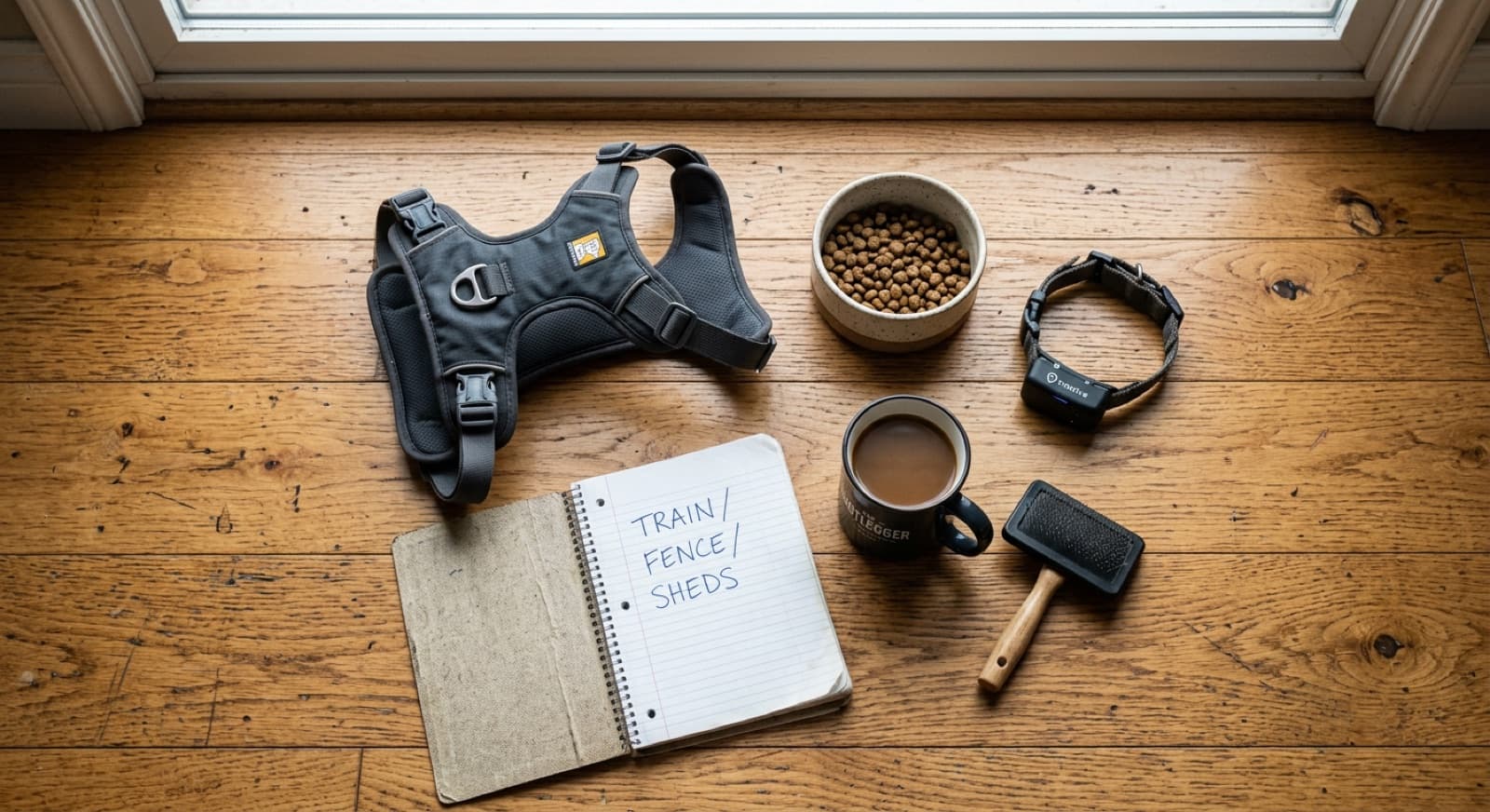
The Calgary Lifestyle Math
Calgary is friendly to Shiba ownership in some ways and harder in others. The honest picture:
- Winter climate: The double coat handles Calgary winter beautifully. Most Shibas are comfortable down to -20C with normal walking, and many actively prefer cold. Booties protect paw pads on heavily salted sidewalks. No winter coat is needed for the dog itself, though some owners use jackets for puppies or seniors in extreme cold.
- Summer heat above 25C: The double coat that thrives at -20C is a problem above 25C. Walks shift to early morning before 8 AM and late evening after 8 PM. Midday is rest indoors with shade and water. Above 28C, no hard exercise outdoors. Hot asphalt is a paw burn risk; test with the back of your hand for 5 seconds before walking.
- Off-leash parks are NOT appropriate: Nose Hill, Fish Creek, Bowmont, and Edworthy are not safe for a Shiba without enclosure. The escape and prey drive override recall in most adults the instant a squirrel or rabbit moves. Calgary has limited fully-enclosed off-leash spaces; a securely fenced yard at home is the more realistic decompression solution. Some owners use long-line training in safe rural fields for controlled freedom.
- Bylaw 3M2006 and the Shiba scream: Calgary Responsible Pet Ownership Bylaw 3M2006 governs chronic-noise complaints. Fines start around $250 and escalate. The Shiba scream is rare day-to-day but the breed keeps it in its repertoire, so thin-walled buildings carry real risk. Detached homes or thicker-walled concrete condos are the safer fit.
- Specialty vet access: Calgary has strong general veterinary access and specialist referral at Western Veterinary Specialist Centre for serious eye, orthopedic, or surgical concerns. Annual eye exams are recommended given the breed's glaucoma and progressive retinal atrophy risk.
- Rescue availability: Shibas are rare in Calgary rescue compared to retrievers or pit-type dogs. When they appear, they turn over quickly. General rescues like Calgary Humane Society, AARCS, BARCS, Pawsitive Match, ARF Alberta, Cochrane Humane, and occasionally Heaven Can Wait list Shibas. Breed-specific rescues across Western Canada sometimes have inventory and ship to approved Calgary homes.
- Common mixes in Calgary listings: The Shibadane (Shiba x Great Dane, rare and unusual), the Shibasky (Shiba x Husky), the Shiba x Chow Chow, and the Shiba x Pomeranian show up periodically. Mixes vary in temperament and often retain the escape drive; expect Shiba cons in any Shiba mix.
Browse adoptable Shiba Inus in Calgary
Calgary Shiba availability is limited, but reputable rescues do list adults with documented temperament. Foster-trial programs of 2 to 4 weeks give you a real-world test of the leash-life reality, the bonding style, and the daily routine before committing. For a breed this defined by independence and escape drive, the foster trial is the safest way to know the fit.
See Available Shiba Inus →10-Question Self-Assessment
Answer honestly. If you answer “no” or “not sure” to more than two, the Shiba is probably not the right fit right now. That is useful information, not a judgment.
1. Do I have a 6-foot fenced yard or commit to leash-only outdoor time?
Leash-life is the permanent reality of the breed. Off-leash freedom in Calgary parks is off the table for a Shiba's entire life. If this trade-off bothers you, choose a different breed.
2. Am I committed to force-free training only?
No leash pops, no e-collars, no alpha rolls. Shibas shut down or escalate with harsh handling. Calgary force-free trainers like Raising Canine and Pup City Pup Academy are the only honest method.
3. Do I appreciate cat-like independence over loyal-retriever clinginess?
If you have lived with cats and loved the independence, the Shiba bond will read familiar. If you want a velcro dog or a snuggler, choose a different breed.
4. Can I accept that my Shiba may not be cuddly?
Most Shibas dislike being picked up, hugged, or held against their will. The bond is real but expressed through presence, not physical contact. Be honest about this expectation before adopting.
5. Is my building's noise tolerance compatible with the occasional Shiba scream?
Test the wall thickness honestly. Calgary Bylaw 3M2006 chronic-barking fines start around $250. Concrete condos and detached homes are the friendlier fit.
6. Do I have a daycare or midday-walker plan if I work full days outside the home?
Boredom drives Shiba destruction and escape attempts. Full workdays alone with no plan is the highest-risk profile for the breed.
7. Are my kids respectful, or can they be coached to be (aged 8 and up)?
Shibas do well with calm school-age kids who can respect the dog's body space. Toddler-aged households are higher-risk because most Shibas dislike grabbing or hugging.
8. Are there small prey animals in the home (rabbits, hamsters, guinea pigs)?
If yes, choose a different breed. Shiba prey drive is genuine and not training-resolvable. Cats vary by individual; ask the rescue for cat-tested status.
9. Am I prepared for twice-yearly intense coat blow?
Daily brushing for 2 to 4 weeks each spring and fall, plus an optional professional deshedding session ($60 to $90 in Calgary). Day-to-day shedding outside these seasons is mild.
10. Am I willing to commit to 18 months before judging the fit?
Shibas mature dramatically around 18 months to 2 years. The first year is the hardest. Owners who rehome at 6 to 9 months almost universally regret the decision later. Commit to the full maturation window before judging.
Frequently Asked Questions
Is a Shiba Inu good for first-time owners?
Usually not, unless the first-time owner has done serious homework on the breed and accepts the trade-offs. Shibas are stunningly beautiful and clean indoors, which sells the breed to people who then discover the cat-like independence, the escape-artist wiring, the Shiba scream, and the force-free-only training requirement. National Shiba Club of America Rescue and most Calgary rescues consistently flag the breed as “not for first-time owners” in their adoption screening. First-time owners who succeed tend to have read multiple breed-specific books, met multiple adult Shibas in person, accepted the leash-life reality, and committed to a Calgary force-free trainer like Raising Canine or Pup City Pup Academy.
When does a Shiba Inu calm down?
The Reddit-community consensus is that Shibas mature dramatically around 18 months to 2 years. The first year is genuinely hard for many owners: puppy zoomies, alligator-mouth biting, escape attempts, and the testing-the-rules adolescence that all working breeds go through. Around 18 months most Shibas settle into the calmer cat-like adult temperament the breed is known for. The pattern is so consistent that experienced Shiba owners tell new owners to commit to the full 18 months before judging the fit. Many regret stories come from owners who rehomed at 6 to 9 months and missed the maturation.
Will my Shiba Inu ever cuddle?
Some will, on their terms, and most will not the way a Lab or Golden does. The Shiba bond is real but expressed differently. Many Shibas settle near you on the couch without touching, follow you between rooms, and want to be in the same space without being held. A minority of Shibas are genuine cuddlers, especially with one chosen person. If you want a dog who climbs into your lap and demands belly rubs, a different breed is the honest pick. If you appreciate cat-like affection (presence over physical contact), the Shiba fits.
Can I have a Shiba Inu if I work full-time?
Possible with the right plan, harder than for most breeds without one. The Shiba prey drive and escape risk make a Shiba left alone for 8 hours genuinely risky if the home is not Shiba-proofed. Separation anxiety is less common in Shibas than in pack-bonded retrievers, but boredom-driven destruction and escape attempts are well documented. Calgary daycares like Pup City Pup Academy or a reliable midday walker bring the risk down dramatically. Work-from-home or flexible schedules fit the breed best. Full workdays alone with no plan is the highest-risk profile.
Do all Shiba Inus escape?
Most will try given the chance, and many succeed. The Shiba escape drive is genetic, not a training failure. Shibas dig under fences, scale 6-foot fences, slip collars, dart through doors, and bolt from off-leash situations. National Shiba Club of America Rescue calls leash-life mandatory for the breed. Calgary owners who succeed use a 6-foot fence inspected for dig spots, a martingale or properly-fitted harness, and never trust off-leash recall outside a fully enclosed space. See our escape and recall safety guide for the full Calgary plan.
What is the Shiba scream?
The Shiba scream is a high-pitched, prolonged vocalisation Shibas produce when stressed, restrained, frustrated, or sometimes excited. It sounds like a human child screaming and can be startling the first time you hear it. Most commonly heard at the groomer, the vet, during nail trims, or when being put in a crate against the dog's preference. The scream is not pain (usually) and not aggression. It is the breed's dramatic protest vocalisation. Force-free desensitisation to grooming and handling reduces the frequency, but most Shibas keep the scream in their repertoire for life. Thin-walled condos are a real risk because of it.
Are Shiba Inus good with cats?
It varies dramatically by individual. Shibas raised with cats from puppyhood often coexist well, sometimes even bonding. Adult Shibas introduced to a resident cat can succeed with a slow 2 to 4 week protocol, but the prey drive is real and some individuals never become safe with cats. The honest answer is that Shiba-cat compatibility is an individual-dog question, not a breed answer. Reputable Calgary rescues evaluate cat tolerance in foster and disclose it in the adoption listing. Small prey animals (rabbits, hamsters, guinea pigs) are different: Shiba prey drive is genuinely high and prey animals are usually unsafe regardless of socialisation.
How bad is Shiba Inu shedding?
Day-to-day, low to moderate. The short double coat is famously clean and the breed grooms itself like a cat, so daily shedding is minimal compared to a Sheltie or a Husky. Twice a year, in spring and fall, the undercoat blows out spectacularly for 2 to 4 weeks each season. During coat blow, the dog produces visible clouds of undercoat and shedding becomes intense. Daily brushing with an undercoat rake plus a thorough deshedding session is standard. Outside coat-blow season, weekly brushing is enough. The coat cannot be shaved; shaving damages the double-coat regrowth.
Are Shiba Inus aggressive?
Not aggressive as a breed, but some Shibas show same-sex dog aggression and resource guarding around food, toys, or sleeping spots. The breed is independent and not dog-park-friendly the way a Lab is. Many adult Shibas prefer to ignore other dogs rather than play with them, and same-sex pairings (especially two adult male Shibas) often do not work long-term. Force-free training and management reduce risk, but household composition matters. Shibas are usually fine with respectful kids 8 and up; toddler-aged kids who grab fur or invade sleeping spaces can trigger defensive snapping.
What is the difference between a Shiba Inu and an Akita?
Both are Japanese spitz breeds with similar appearance, but they are different sizes and different temperaments. The Shiba Inu is small (17 to 23 lbs, 13.5 to 16.5 inches), the smallest of the six native Japanese breeds. The Akita Inu (and the larger American Akita) is a giant breed (70 to 130 lbs depending on variant). The Shiba is independent and cat-like; the Akita is more aloof and guardian-protective. Akitas have stricter same-sex aggression patterns and need much more experienced handling. If a Calgary rescue lists a “Shiba mix”, ask whether it might be an Akita cross because the size difference matters hugely.
Sources and further reading
- National Shiba Club of America (shibas.org): breed standard, health screening recommendations, and rescue-affiliated guidance for prospective Shiba owners.
- American Kennel Club (akc.org): temperament, lifespan, and breed history for the Shiba Inu.
- Canadian Kennel Club (ckc.ca): breed group, registered breeders, and Canadian breed standards.
- Calgary Humane Society (calgaryhumane.ca): local adoption process and surrender support.
- Calgary Responsible Pet Ownership Bylaw 3M2006: governing legislation for noise complaints and chronic-barking enforcement in Calgary.
This article is informational only and not a substitute for veterinary, behavioural, or insurance advice. Consult a Calgary veterinarian, a force-free trainer, and your own grooming salon for personalised guidance.
Related Shiba Inu guides
Shiba Inu Adoption Calgary →
Where to find a rescue Shiba in Calgary, real adoption costs vs breeder pricing, what reputable rescues assess, and the foster-trial route.
Shiba Inu Escapes and Recall →
Why Shibas escape and ignore recall: fence-proofing, door-dashing, harness fit and reward-based training.
Shiba Training and Temperament →
Force-free strategies for the stubborn cat-like temperament, the first-year survival plan, and the 18-month maturation arc.
Shiba Inus for Adoption in Calgary →
Live listing of available Shibas and Shiba mixes across Calgary rescues when inventory exists.
New dog? Start with these care guides
Everything a new adopter needs to set up a safe, happy home.