The short answer
Bichon Frises are an internal-medicine and dermatology breed. Atopic dermatitis is the breed-defining chronic condition that shapes daily life for most Bichon owners. Calcium oxalate bladder stones appear at one of the highest rates of any breed and recur. Cataracts are common, especially with diabetes. Idiopathic thrombocytopenia and autoimmune haemolytic anaemia are Bichon-overrepresented autoimmune emergencies that present suddenly and can be fatal without same-day care. Cushings disease, diabetes, and hypothyroidism dominate the senior years. Enrol in pet insurance week one: every Canadian provider excludes pre-existing conditions, and the first documented allergy flare, ear infection, urine crystal, low platelet count, or thyroid value becomes a permanent exclusion on any policy enrolled afterward. The 12 to 15 year lifespan is genuinely good for a small breed, but the chronic claim load is real.
The Bichon Frise breed health picture, briefly
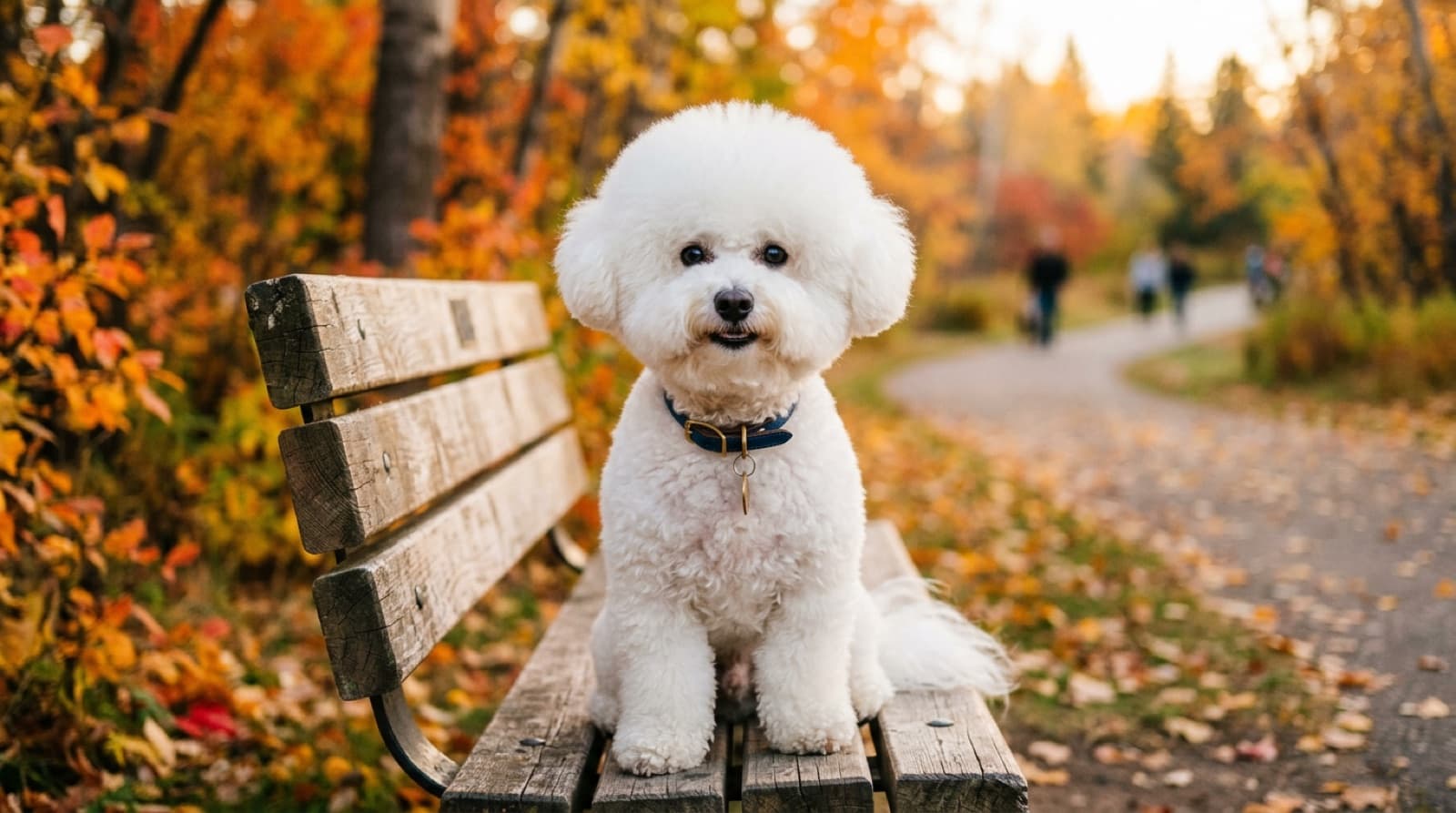
Bichon Frises are a small companion breed (typically 12 to 18 lb) with a curly double coat and a 12 to 15 year median lifespan, which is solid for a small breed. The breed was developed entirely as a human companion, never as a working dog, and the health profile reflects centuries of indoor lap-dog selection rather than functional working stock. Most Edmonton rescue Bichons arrive in functional health; the medical work is establishing baselines early because the breed-specific conditions on this list often appear gradually and benefit from early detection.
The Bichon prioritisation list is layered rather than dominated by a single condition. Atopic dermatitis is very high prevalence and the chronic condition that most defines daily life for a Bichon and family. Calcium oxalate bladder stones appear at one of the highest breed rates in the dog population. Cataracts are common, particularly in older dogs and in any Bichon that develops diabetes. Idiopathic thrombocytopenia and autoimmune haemolytic anaemia are both Bichon-overrepresented autoimmune emergencies. Cushings disease, diabetes mellitus, and hypothyroidism all appear at elevated rates in middle-aged and senior Bichons. Patellar luxation is moderate prevalence. Sebaceous adenitis is Bichon-noted. Liver shunts and Legg-Calve-Perthes disease both appear at moderate prevalence and are usually diagnosed in young dogs. Hip dysplasia is moderate. Cancer load is moderate (lymphoma and hemangiosarcoma most commonly documented). Dental disease is severe because of the small jaw and crowded teeth. Tear staining is cosmetic in most cases but occasionally signals an underlying eye condition.
Pet insurance enrolled in week one is the single highest-leverage health decision for a Bichon. The breed stacks predictable lifetime claims: chronic allergy management runs $400 to $2,000 annually, bladder stone surgery runs $2,500 to $4,500 per episode with high recurrence, autoimmune disease workup and treatment runs $3,000 to $10,000 per acute episode, Cushings management runs $800 to $2,000 annually, diabetes management runs $1,000 to $2,500 annually, and cataract surgery runs $3,500 to $5,500 per eye. Every Canadian provider excludes pre-existing conditions. The clock starts the day you adopt. The American Animal Hospital Association publishes general pet insurance evaluation guidance that applies to Canadian providers.
Atopic dermatitis: the breed-defining condition
Atopic dermatitis is the chronic itchy skin disease driven by environmental allergens (dust mites, pollens, moulds) and food sensitivities, and Bichon Frises carry one of the highest documented breed predispositions in the dog population. Atopy is the single most common chronic Bichon health condition and the one that most shapes daily life for Bichon owners. Most affected dogs show signs by age 1 to 3, and the disease is lifelong.
Presentation in a Bichon includes chronic licking (paws and belly are the classic sites), face rubbing on furniture, scratching, recurrent ear infections, recurrent paw and skin infections, secondary bacterial or yeast pyoderma, and reddened skin in the armpits, belly, and feet. The white coat makes saliva staining visible: pink to rust discolouration on the paws and around the mouth is a tell-tale sign of chronic licking. Edmonton allergens peak from May through September when grass and tree pollens are heaviest, and many Bichon owners notice the worst flares in late summer. Indoor dust mites and moulds drive year-round low-grade itch in many dogs.
Diagnosis is by exclusion of parasitic and infectious causes plus intradermal or serum allergy testing at an Edmonton dermatology specialty practice ($400 to $800). The workup distinguishes atopy from food allergy, parasitic skin disease, sebaceous adenitis (the SA cross-reference matters because a Bichon can have both), and bacterial or yeast pyoderma. The American College of Veterinary Dermatology board-certifies the specialists who manage refractory cases.
Treatment uses a stepwise approach:
- Topical medicated shampoos and conditioners ($30 to $80 monthly)
- Apoquel (oclacitinib) or Cytopoint (lokivetmab injection) to control acute itch ($60 to $180 monthly for a small dog)
- Allergy-specific immunotherapy (sublingual drops or injections) for long-term management ($50 to $130 monthly)
- Food trials using novel-protein or hydrolysed-protein prescription diets identify food allergies in a subset of cases
- Routine paw rinsing after walks during peak allergen season to reduce contact with grass pollens
- Treatment of secondary bacterial or yeast skin infections as they develop
Annual cost typically runs $400 to $2,000 once management is stable. The atopy article in this cluster (Bichon Frise atopy and skin care Edmonton) covers daily management in depth. Pet insurance enrolled before any documented skin or ear condition covers the lifetime claim load; insurance enrolled afterward permanently excludes atopy.
Calcium oxalate bladder stones
Bichon Frises carry one of the highest documented breed predispositions to calcium oxalate bladder stones (uroliths) in the dog population. The breed sits alongside Miniature Schnauzers, Shih Tzus, and Lhasa Apsos at the top of the small-breed urolith risk list. The metabolic mechanism involves altered calcium and oxalate handling in the urinary tract and is not fully understood. Most affected Bichons develop their first stone episode in middle age, and many experience recurrence within months to years.
Presentation includes frequent urination, straining to urinate, blood in the urine (haematuria), urine accidents in a previously house-trained dog, and in obstructed males, complete inability to pass urine. A male Bichon with urethral obstruction is a same-day surgical emergency: the bladder can rupture within hours, the dog can go into acute kidney failure, and the prognosis worsens with every hour of delay. Any straining or bloody urine in a Bichon warrants same-day workup.
Diagnosis is by urinalysis followed by abdominal radiographs and ultrasound at an Edmonton clinic. Calcium oxalate stones are radiopaque and show clearly on radiographs. The urinalysis typically shows blood, crystals, and sometimes signs of infection (bacterial infection can complicate the stone picture). Calcium oxalate stones do not dissolve with prescription diet (unlike struvite stones, which sometimes can be dissolved). Surgical removal (cystotomy) is the standard treatment.
Treatment options depend on stone size, number, and obstruction status:
- Cystotomy (surgical removal of stones through a bladder incision): $2,500 to $4,500 at an Edmonton clinic for a routine case
- Urethral obstruction relief by retrograde flushing or catheterisation before cystotomy: adds $500 to $1,500 to the cost
- Perineal urethrostomy (creating a wider urethral opening in a male with repeated obstruction): $3,000 to $5,000 at an Edmonton specialty practice
- Cystoscopy with laser lithotripsy (breaking stones with a laser through a scope, available in limited centres): an emerging option that avoids open surgery in some cases
- Stone analysis at a veterinary lab after removal ($80 to $200) confirms calcium oxalate and guides prevention
Prevention after a first episode involves a prescription urinary diet (typically a stone-prevention formula), encouraging water intake (wet food, water fountains, multiple water bowls around the home), periodic urinalysis every 3 to 6 months, and serial abdominal imaging every 6 to 12 months because recurrence rates are high. A urine pH check at home (test strips) helps spot trending changes between vet visits. The American College of Veterinary Surgeons board-certifies the soft-tissue surgery specialty for complex urinary cases.
Cataracts: common and often diabetic-linked
Bichon Frises carry moderate-to-high prevalence of cataracts (clouding of the lens) across two main causes: genetic predisposition and diabetic association. Cataracts present as visible whitish or bluish cloudiness of the lens and progressive loss of vision. Some Bichons develop juvenile-onset hereditary cataracts in young adulthood; others develop senior cataracts as part of normal ageing; and any diabetic Bichon is at very high risk of rapidly developing diabetic cataracts within weeks to months of diabetes diagnosis.
Surgical cataract removal with intraocular lens implantation (phacoemulsification) at an Edmonton or Calgary ophthalmology specialty practice runs $3,500 to $5,500 per eye and restores most vision in successful cases when done before the cataract becomes hypermature. Pre-existing hypermature cataracts that develop lens-induced uveitis or retinal detachment sometimes cannot be surgically corrected, which is why early eye exam after a diabetes diagnosis matters for surgical eligibility. Annual ophthalmology evaluation by a board-certified veterinary ophthalmologist ($150 to $300 for a CAER screening exam) catches early lens changes and establishes a baseline.
Conservative management with anti-inflammatory eye drops slows progression in some cases but does not reverse cataracts. Many Bichons adapt remarkably well to gradual vision loss when the home environment stays consistent. The American College of Veterinary Ophthalmologists board-certifies the ophthalmology specialty.
Browse adoptable Edmonton Bichon Frises
Bichons and Bichon mixes appear periodically in Edmonton rescue; foster temperament notes flag any documented skin condition, urinary history, autoimmune episode, or endocrine workup. Plan a first-month vet workup that establishes dermatology, urinary, ophthalmology, and metabolic baselines.
See Available Bichon Frises →Patellar luxation
Patellar luxation (kneecap dislocation) is moderate prevalence in Bichon Frises, the typical small-breed orthopaedic pattern. The kneecap slips out of its groove during movement, producing a characteristic intermittent hindlimb skip where the dog hops on three legs for a few steps and then resumes normal walking. Some affected dogs show signs from puppyhood; others develop signs later in life as the trochlear groove flattens with age.
Grading runs from 1 to 4. Grades 1 and 2 (mild) often need no surgical treatment beyond weight management, joint supplements (glucosamine, chondroitin, omega-3), and avoiding repetitive jumping and rough play. Grades 3 and 4 (moderate to severe with frequent or permanent dislocation) benefit from surgical correction at an Edmonton orthopaedic specialty practice ($2,500 to $5,000 per knee) with 8 to 12 weeks of rehabilitation. Underwater treadmill hydrotherapy at an Edmonton rehab practice helps recovery.
Diagnosis is by physical exam and confirmed by radiographs. The Orthopedic Foundation for Animals registry tracks patellar luxation data by breed and Bichon Frises sit in the moderate-prevalence tier. Most rescue Bichons have not had formal patellar grading documented; a baseline patella check at the first-month vet visit is part of a standard Bichon orthopaedic baseline.
Cushings disease in older Bichons
Cushings disease (hyperadrenocorticism) appears at moderate-to-high rates in older Bichon Frises. The adrenal glands over-produce cortisol, either from a small pituitary tumour driving adrenal overproduction (most cases, called pituitary-dependent hyperadrenocorticism or PDH) or from a tumour on the adrenal gland itself (called adrenal-dependent hyperadrenocorticism or ADH). The disease usually develops gradually over months, and early signs are often dismissed as normal ageing.
Clinical signs cluster around the effects of chronic cortisol excess: increased thirst and urination (often the first sign owners notice, sometimes presenting as new house-training accidents), increased appetite to the point of food obsession or trash-raiding, pot-bellied abdomen, thinning hair coat with symmetric truncal hair loss, recurrent skin and urinary tract infections, muscle weakness, panting, and lethargy. The breed normally has a thick curly coat, so coat thinning often stands out as visibly abnormal.
Diagnosis takes effort. A vet typically starts with a urine cortisol-to-creatinine ratio (cheap, sensitive but not specific, used to rule out), then an ACTH stimulation test or low-dose dexamethasone suppression test to confirm ($300 to $500 at an Edmonton clinic). Abdominal ultrasound sometimes follows to distinguish pituitary from adrenal disease and to identify any unrelated abdominal masses. The full diagnostic workup typically runs $500 to $1,000.
Treatment for pituitary-dependent Cushings is daily oral trilostane medication ($60 to $150 monthly for a small Bichon) with ACTH stim rechecks every few months to titrate dose. Adrenal-dependent disease may need surgical removal of the affected adrenal gland at a specialty practice ($5,000 to $10,000). Treated Cushings Bichons live near-normal lifespans; untreated disease progresses to severe skin infections, urinary tract infections, blood clots, diabetes (chronic cortisol drives insulin resistance), and reduced quality of life.
Diabetes mellitus
Bichon Frises carry an elevated risk of diabetes mellitus, and diabetic Bichons develop cataracts at a very high rate as covered above. The Bichon diabetes risk likely runs through several mechanisms: breed-specific endocrine predisposition, the elevated rate of Cushings disease (chronic cortisol drives insulin resistance), and chronic pancreatic inflammation in some lines. Onset is typically in middle-aged to older dogs.
Presentation follows the classic diabetes triad: increased thirst, increased urination, and weight loss despite stable or increased appetite. Some dogs present with sudden vision loss from rapidly developing diabetic cataracts. Severe untreated cases progress to diabetic ketoacidosis (DKA), a life-threatening metabolic emergency requiring intensive care hospitalisation ($3,000 to $8,000).
Diagnosis is by bloodwork (persistently elevated blood glucose) combined with urinalysis (glucose and sometimes ketones in the urine). Bloodwork that distinguishes diabetes from stress hyperglycaemia includes fructosamine, which reflects average glucose over the preceding 2 to 3 weeks. Treatment is twice-daily insulin injections (usually a long-acting human insulin or veterinary insulin), a consistent diet (often a prescription diabetic formula with moderate fibre and lower carbohydrates), and regular glucose monitoring.
Cost: insulin and supplies run $80 to $200 monthly for a small Bichon, plus quarterly bloodwork and periodic 12-hour glucose curves at the vet ($150 to $300 per curve). Home glucose monitoring with a vet-approved meter and ear-prick technique reduces the need for clinic visits. Most diabetic Bichons stabilise well on consistent twice-daily insulin and a stable diet, and live for years after diagnosis. Strict avoidance of high-fat treats and table scraps reduces ongoing pancreatic stress. The American College of Veterinary Internal Medicine board-certifies the relevant specialty.
Hypothyroidism in middle-aged Bichons
Hypothyroidism is common in middle-aged and senior Bichon Frises. The thyroid gland under-produces thyroid hormone, which slows metabolism systemically. The breed sits in the moderate-to-high prevalence tier for hypothyroidism. Clinical signs cluster around metabolic slowdown: weight gain despite stable diet, lethargy and reduced energy, recurrent skin and ear infections (which can drive frustrating treatment cycles if the root cause is missed), bilateral symmetric hair loss on the flanks and tail (a hypothyroid coat pattern), dull or oily coat, and cold intolerance which Edmonton winter makes obvious in any Bichon that previously tolerated cold weather.
Diagnosis uses a full thyroid panel rather than total T4 alone (free T4 by equilibrium dialysis, TSH, and thyroglobulin autoantibody) at an Edmonton clinic ($200 to $350). Total T4 alone produces false positives and false negatives. The full panel distinguishes true primary hypothyroidism from euthyroid sick syndrome and from autoimmune thyroiditis (where the immune system attacks the thyroid gland; this is the cause of most primary canine hypothyroidism).
Treatment is daily oral levothyroxine ($15 to $30 monthly for a small Bichon) with rechecks at 4 to 6 weeks initially, then twice-yearly once stable. Most treated dogs recover normal energy, coat quality, and skin health within 4 to 8 weeks of starting medication. A Bichon with chronic skin or ear infections, weight gain despite calorie restriction, or new exercise intolerance deserves a full thyroid panel before assuming the root cause is dietary or environmental.
Idiopathic thrombocytopenia (ITP): an autoimmune emergency
Idiopathic thrombocytopenia (ITP, sometimes called immune-mediated thrombocytopenia or IMTP) is an autoimmune disease where the immune system destroys the body own platelets. Platelets are the cells that allow blood to clot, and without enough platelets, the dog bleeds spontaneously and uncontrollably. Bichon Frises are one of several breeds with elevated prevalence (Cocker Spaniels, Old English Sheepdogs, and Poodles share the list). Onset can be at any age but most commonly in middle adulthood.
Presentation can be sudden and alarming:
- Pinpoint bleeding spots on the gums or belly (petechiae)
- Larger bruise-like marks on the skin or visible mucous membranes (ecchymoses)
- Nosebleeds with no obvious cause
- Blood in the urine or stool
- Prolonged bleeding from minor cuts
- Gum bleeding spontaneously or during chewing
- Pale gums (if anaemia has developed from blood loss)
- Collapse or sudden lethargy in severe cases
Any Bichon showing these signs is a same-day emergency. Diagnosis combines clinical signs with bloodwork (a complete blood count showing very low platelet count, often below 20,000 per microlitre versus normal 200,000 to 500,000) and exclusion of other causes (infections, tick-borne disease, drug reactions, certain cancers including lymphoma, and recent vaccination). Definitive workup at an Edmonton internal medicine specialty practice runs $800 to $2,000. The blood smear review is critical because the automated platelet count can be artifactually low if platelets clump.
Treatment is immunosuppression. High-dose prednisone is first-line, often combined with a second immunosuppressant (azathioprine, cyclosporine, or mycophenolate, $50 to $200 monthly) for steroid-sparing effect. Severe cases need hospitalisation with platelet transfusions and intensive monitoring ($3,000 to $8,000 for a hospitalised emergency case). Most Bichons respond well to treatment; many achieve remission and can taper medication over months. Some require lifelong low-dose immunosuppression. Recurrence is possible, sometimes triggered by vaccines, infections, or stress, and a documented ITP diagnosis warrants a frank discussion with your Edmonton vet about ongoing vaccination strategy (titre testing rather than annual boosters in some cases). Week-one pet insurance enrolment matters specifically for ITP because the first episode is expensive and any subsequent recurrence is permanently excluded if the policy was enrolled afterward.
Autoimmune haemolytic anaemia (AIHA)
Autoimmune haemolytic anaemia (AIHA, also called immune-mediated haemolytic anaemia or IMHA) is the red-blood-cell version of ITP. The immune system destroys the body own red blood cells, and the dog develops progressive anaemia. Bichon Frises are one of several breeds with elevated prevalence. The disease often presents alongside or shortly after ITP in some Bichons, a combination called Evans syndrome that is harder to manage than either condition alone.
Presentation is more gradual than ITP in many cases: progressive lethargy and exercise intolerance, pale or yellow-tinged gums (jaundice from breakdown products of destroyed red blood cells), darker than normal urine (haemoglobin in urine, sometimes coffee-coloured), rapid breathing, rapid heart rate, and in severe cases collapse. Some cases present acutely with sudden severe anaemia and require emergency transfusion within hours.
Diagnosis combines clinical signs, bloodwork showing low red blood cell count and characteristic abnormal cells (spherocytes) on a blood smear, a positive Coombs test or saline agglutination test (confirming the antibody is attached to red cells), and exclusion of other causes (zinc toxicity from ingested pennies, tick-borne disease, certain medications, lymphoma). Diagnostic workup runs $800 to $2,000 at an Edmonton clinic.
Treatment is immunosuppression (similar protocol to ITP) combined with anti-clot medication (clopidogrel, $30 to $80 monthly) because AIHA carries a high risk of pulmonary thromboembolism, blood clots in the lungs that are a leading cause of death in AIHA. Severe cases need hospitalisation with blood transfusions and intensive monitoring ($4,000 to $10,000 for a critical case). Mortality from AIHA is higher than from ITP, around 30 to 50 percent in the literature, with the highest risk in the first two weeks. Survivors often go into long-term remission with tapered medication. The American College of Veterinary Internal Medicine board-certifies the specialty.
Sebaceous adenitis, liver shunts, Legg-Calve-Perthes, hips, and cancer
Sebaceous adenitis
Sebaceous adenitis (SA) is an inflammatory autoimmune skin disease where the immune system attacks and destroys the sebaceous glands of the skin. The result is loss of the protective skin-oil layer. Bichons are a noted breed (Standard Poodles, Akitas, and Vizslas share the list). Onset is usually in young adulthood. Presentation includes dry brittle hair, scaling and dandruff that does not respond to routine bathing, hair loss in patches starting on the head and along the dorsal back, a musty odour, and secondary bacterial skin infections. Diagnosis requires a punch biopsy ($300 to $600). Treatment is lifelong stepwise care: medicated shampoos every 1 to 2 weeks ($30 to $80 monthly), oil-rich emollient rinses, omega-3 supplementation, and cyclosporine ($60 to $200 monthly for a small Bichon) for moderate to severe cases. Many cases overlap with atopic dermatitis, which complicates diagnosis.
Liver shunts
Portosystemic shunts (PSS) appear at moderate prevalence in Bichons and are usually congenital extrahepatic shunts identified in young dogs. A shunt is an abnormal vessel that bypasses the liver, sending unfiltered blood from the gut directly to circulation. Presentation includes failure to thrive (smaller than littermates), neurological signs one to three hours after meals (head pressing, circling, disorientation, vomiting), and sometimes seizures. Diagnosis is by bile acid testing ($150 to $300 at an Edmonton clinic), abdominal ultrasound, and sometimes CT angiography. Surgical correction at an Edmonton specialty practice runs $5,000 to $10,000 and outcomes are good when caught early.
Legg-Calve-Perthes disease
Legg-Calve-Perthes disease is the spontaneous degeneration of the femoral head (the ball at the top of the thigh bone) due to disrupted blood supply. It typically appears between 4 and 12 months of age and presents as a gradually worsening hind-limb lameness, often progressing to non-weight-bearing on the affected leg. Small breeds including Bichons, Toy Poodles, West Highland White Terriers, and Yorkshire Terriers have elevated prevalence. Diagnosis is by hip radiographs. Treatment is surgical: femoral head and neck ostectomy (FHO) at $3,000 to $5,000 per hip at an Edmonton orthopaedic specialty practice with 8 to 12 weeks of rehabilitation. Outcomes for small dogs are very good; many return to full activity.
Hip dysplasia
Hip dysplasia is moderate prevalence in Bichon Frises, lower than in giant breeds but worth screening for in any active or athletic dog. Diagnosis is by radiographic grading through OFA or PennHIP at an Edmonton clinic ($300 to $600 with sedation). Most mild to moderate cases manage with weight control, joint supplements, and anti-inflammatory medication during flares. Severe cases benefit from FHO at $3,000 to $5,000 or total hip replacement at $7,000 to $10,000 per hip.
Cancer load
Bichons carry a moderate cancer load, lower than some breeds but worth attention. Lymphoma and hemangiosarcoma are the most commonly documented. Lymphoma typically presents as enlarged peripheral lymph nodes (under the jaw, in front of the shoulders, behind the knees). CHOP chemotherapy at an Edmonton oncology specialty practice runs $6,000 to $10,000 over 19 to 25 weeks. Hemangiosarcoma often presents as sudden collapse from splenic rupture; emergency surgery plus chemotherapy runs $8,000 to $14,000. Aspirate any new skin lump rather than watch it; in-clinic fine-needle aspirate runs $80 to $200 and produces a diagnosis within days. Surgical excision of low-grade mast cell tumours at $1,200 to $3,000 cures most cases.
Dental disease and tear staining
Dental disease
The combination of a small jaw, crowded teeth, and breed predisposition to periodontal disease makes severe dental disease one of the most common Bichon health problems. Bichons have the same 42 adult teeth as a large dog packed into a much smaller mouth. Tartar accumulates fast, gums recede, and teeth loosen earlier than in larger breeds. Most Bichons need professional dental cleaning under anaesthesia by age 2 to 3, then every 12 to 18 months for life. Many require multiple extractions by age 5 to 7. A professional cleaning under anaesthesia at an Edmonton clinic runs $600 to $1,200; cleanings with multiple extractions run $1,500 to $3,500. Lifetime dental costs frequently total $8,000 to $15,000 over the 12 to 15 year lifespan. The most effective prevention is daily toothbrushing with a vet-recommended pet toothpaste, started in puppyhood or as soon as the dog can tolerate it.
Tear staining
Tear staining (the brownish-red discolouration around a Bichon eyes) is mostly cosmetic but occasionally signals an underlying problem. The discolouration is caused by porphyrins in tears reacting with the white coat. Most tear staining is benign and managed with daily face wiping with a damp cloth and keeping the hair around the eyes trimmed short. Persistent heavy tear staining sometimes signals underlying eye disease: blocked tear ducts (a congenital condition that may need surgical correction), entropion (eyelid rolling inward and irritating the cornea), distichiasis or ectopic cilia (extra eyelashes irritating the eye), keratoconjunctivitis sicca (dry eye disease requiring lifelong tear stimulant medication, $20 to $60 monthly), or chronic low-grade conjunctivitis. Any Bichon with new or worsening tear staining, eye redness, squinting, or visible discomfort deserves a thorough eye exam and ideally an ophthalmology referral.
Edmonton specialty veterinary access
Edmonton has solid general-practice veterinary coverage for Bichon Frises and most Edmonton vets see Bichons regularly. For routine care (annual physical, vaccinations, dental, bloodwork, baseline thyroid screening, allergy management starting points, urinary monitoring), any reputable Edmonton clinic is a fine starting point. For Bichon-specific specialty work, the picture varies by discipline.
Edmonton dermatology and internal medicine
These are the two highest-use Bichon specialty pathways given the atopic dermatitis prevalence and the autoimmune and endocrine disease load. Edmonton has reasonable board-certified dermatology capacity for atopic workups and SA management, and internal medicine capacity for autoimmune disease (ITP, AIHA), Cushings, diabetes, and complex hypothyroid workups. Refractory cases sometimes route to Calgary specialty centres or to WCVM Saskatoon.
Edmonton soft-tissue surgery and ophthalmology
Cystotomy for bladder stones is well-handled by Edmonton general practice and soft-tissue specialty surgeons. Complex urinary cases (perineal urethrostomy, recurrent stone management) sometimes route to specialty practice. Cataract surgery requires board-certified ophthalmology; Edmonton ophthalmology specialty access is reasonable for cataract surgery and PRA screening exams. Complex retinal cases sometimes route to Calgary or WCVM.
WCVM Saskatoon
The Western College of Veterinary Medicine at the University of Saskatchewan is the closest full veterinary teaching hospital, about five and a half hours each way from Edmonton. WCVM handles complex Bichon referrals beyond local Edmonton capacity, particularly advanced immune-mediated disease workup, complex endocrine cases, advanced oncology, refractory ophthalmology, and complex urinary surgery. The University of Alberta does not have a veterinary school, which is why Saskatoon is the closest academic referral.
Building your network in month one
The practical move when you adopt a Bichon: establish a primary Edmonton vet in the first month, ask specifically which dermatology, internal medicine, ophthalmology, and soft-tissue surgery specialists they refer Bichons to, and pre-save the contact info for at least one 24-hour Edmonton emergency clinic. Bichons stack predictable issues across multiple specialty disciplines; knowing the referral pathway before the first acute episode cuts response time substantially. The American College of Veterinary Internal Medicine board-certifies internal medicine, oncology, neurology, and cardiology subspecialties.
Pet insurance for an Edmonton Bichon
Week-one pet insurance enrolment is the single highest-leverage health decision for any rescue Bichon Frise. Every Canadian provider excludes pre-existing conditions, which means the day a vet documents anything (an allergy flare, an ear infection, a urine crystal, a low platelet count, an elevated thyroid antibody, mild lameness), that condition becomes a permanent exclusion on any policy enrolled afterward. The clock starts the day you adopt.
The Bichon-specific value math is exceptional because the lifetime claim load is unusually layered across categories:
- Chronic atopic dermatitis management: $400 to $2,000 annually, often lifelong
- Calcium oxalate bladder stone surgery: $2,500 to $4,500 per cystotomy with high recurrence; serial episodes over a lifetime are common
- Cataract surgery: $3,500 to $5,500 per eye if diabetes or genetic cataracts develop
- ITP emergency workup and treatment: $3,000 to $8,000 per acute episode plus ongoing immunosuppression $50 to $200 monthly
- AIHA emergency workup and treatment: $4,000 to $10,000 per acute episode plus ongoing immunosuppression and anti-clot medication
- Cushings disease management: $800 to $2,000 annually, lifelong
- Diabetes management: $1,000 to $2,500 annually, lifelong
- Hypothyroidism management: $200 to $500 annually, lifelong
- Patellar luxation surgical correction: $2,500 to $5,000 per knee
- Legg-Calve-Perthes FHO: $3,000 to $5,000 per hip if it develops in puppyhood
- Sebaceous adenitis management: $800 to $2,500 annually, lifelong if it develops
- Cancer treatment if it develops: $6,000 to $14,000 per major diagnosis
- Dental cleanings and extractions: $600 to $3,500 per procedure, every 12 to 18 months
Read coverage clauses carefully before enrolling. Some Canadian pet insurance policies have specific exclusions or sub-limits on chronic atopy, hereditary urinary disease, autoimmune disease, or endocrine disease despite covering “hereditary conditions” in general terms. The exclusion may be buried in appendices. Ask the carrier explicitly: “Does this policy cover atopic dermatitis, calcium oxalate uroliths, idiopathic thrombocytopenia, autoimmune haemolytic anaemia, Cushings disease, diabetes mellitus, and hypothyroidism in a Bichon Frise without separate exclusion or sub-limit?” A typical Bichon pet insurance policy in Edmonton runs $40 to $75 monthly depending on deductible, reimbursement percentage, and coverage limits.
What to look for in a Bichon policy:
- Hereditary and congenital conditions explicitly covered with no atopy, urinary, autoimmune, or endocrine-specific exclusion or sub-limit
- Annual coverage caps of $10,000 or more (the Bichon claim stack can exceed lower caps in a single year with an acute autoimmune episode)
- Coverage for diagnostic imaging (urinary ultrasound for stone monitoring, abdominal ultrasound for Cushings workup)
- Coverage for chronic skin and ear conditions (the highest-volume Bichon claim category)
- Coverage for behavioural consultations (separation anxiety appears in many Bichons given their companion-breed origins)
- Reasonable wait times for hereditary and orthopaedic conditions (typically 14 to 30 days)
- Chronic-condition coverage for ongoing atopy, Cushings, diabetes, and hypothyroidism management
Compare three to four providers before enrolling. The American Animal Hospital Association publishes general guidance on pet insurance evaluation that applies to Canadian providers. Your Edmonton vet and your foster contact can both share which providers other Bichon adopters have used and what their claim experience has been, particularly for atopy and urinary claims.
Adoption health workup: what to baseline in month one
Edmonton rescues do a baseline vet workup before adoption, but the depth varies by rescue and by individual dog. Understanding what is and is not typically covered helps you plan the first-month vet visit, which for a Bichon should explicitly establish dermatology, urinary, orthopaedic, metabolic, and ophthalmology baselines.
What most Edmonton rescues cover
- Physical exam by a vet at intake
- Core vaccinations (DAPP and rabies, sometimes Bordetella if boarded)
- Spay or neuter surgery
- Microchip implant and registration
- Deworming and flea and tick treatment
- Basic adult bloodwork (CBC and chemistry panel) in many cases
- Treatment of any acute concerns identified at intake
- Occasionally, dental assessment with cleaning if visibly needed
What is usually NOT covered (and what to plan for)
- Full thyroid panel for dogs over two
- Urinalysis with sediment exam (the highest-value first-month screen for any Bichon)
- Allergy testing or dermatology workup
- Abdominal radiographs or ultrasound to screen for bladder stones
- Comprehensive eye exam by a board-certified veterinary ophthalmologist
- Patellar grading and Legg-Calve-Perthes screening
- Skin biopsy or autoimmune disease workup unless symptomatic
- Bile acid testing for liver shunt (in young dogs)
- Dental radiographs and full periodontal probing
Plan a first-month vet visit with your chosen Edmonton vet that establishes the Bichon baseline. The standard ask: a careful skin and coat assessment with notes on any redness, scaling, hair-loss patches, or paw-licking patterns; a thorough orthopaedic exam with hip palpation and patellar testing; a baseline thyroid panel and urinalysis; an eye exam with notes on any lens cloudiness or tear-staining pattern; a thorough dental assessment; body condition scoring with a target of 4 to 5 of 9; and a frank conversation about atopy management starting points and bladder stone prevention. If the dog is 5 or older, add baseline senior bloodwork including liver enzymes and a fasting lipid panel. If the rescue can share intake imaging, bloodwork, or vet notes, bring them.
For senior Bichons (10 years and up), the first-month workup is more involved: full senior bloodwork, urinalysis (the most important single test for any Bichon, senior or otherwise), baseline thyroid panel, ACTH stimulation test or low-dose dexamethasone suppression if Cushings signs are present, careful cardiac auscultation with low threshold to refer for echocardiogram, dental evaluation, ophthalmology baseline (lens and retinal exam by a board-certified ophthalmologist if possible), and a thorough body-condition assessment with any new lumps aspirated. Budget $500 to $1,200 for the senior intake workup at an Edmonton clinic.
Senior Bichon health after age ten
Bichons reach senior status around age 10, with most living 12 to 15 years and some reaching 16 or 17 in good general health. Senior Bichon adoption is a rewarding placement: the dogs are typically past the peak-onset window for autoimmune disease (ITP and AIHA mostly hit middle adulthood), the temperament has settled, the activity level remains manageable, and the bond with a new attentive home is often deep and immediate. The senior Bichon health picture, however, is dominated by Cushings, diabetes, hypothyroidism, dental disease, and cancer monitoring.
Reasonable senior-care adjustments, all guided by your Edmonton vet:
- Biannual vet exams instead of annual
- Full annual senior bloodwork including liver enzymes, urinalysis, and fasting lipid panel
- Annual ophthalmology check (lens and retinal changes become more relevant with age, especially in diabetic dogs)
- Annual cardiac auscultation with low threshold to refer for echocardiogram (mitral valve disease appears in some senior Bichons)
- Periodic thyroid panel rechecks
- ACTH stim testing at any signs of Cushings (increased thirst and urination, pot-belly, coat thinning)
- Routine dental care including professional cleanings every 12 to 18 months, often with extractions
- Joint support (glucosamine, chondroitin, omega-3) and prescription anti-inflammatories during arthritis flares
- Tight weight monitoring (lean is the Bichon baseline; weight creep loads joints and worsens insulin resistance)
- Climate comfort: a warm sweater for Edmonton -25 to -30C cold snaps, booties on salted sidewalks, and indoor enrichment during the deepest cold weeks
- Increased lump monitoring (mast cell tumours and lipomas both increase in frequency from middle age)
- Continued allergy management discipline, with same-week vet visit at any flare given thinner senior tissue
- Urinalysis every 3 to 6 months, especially with a history of bladder stones
- Watch for early Cushings or diabetes signs (increased thirst and urination are the highest-value early indicators)
Some senior Bichons develop canine cognitive dysfunction (disorientation, anxiety, sleep changes); your vet can advise on management options ranging from environmental adjustments to prescription medications. Laryngeal paralysis and mitral valve disease both appear at modest rates in senior Bichons and warrant workup rather than acceptance as normal ageing.
Pet insurance becomes harder and more expensive to obtain for first-time enrolment past age 8, and some providers will not enrol senior Bichons at all (particularly those with documented skin, urinary, autoimmune, or endocrine findings). If you adopt a senior Bichon, price-compare carefully and consider whether a dedicated savings account makes more sense than insurance. Talk through the math with your vet at the first visit, and discuss honest quality-of-life conversations early; for many senior Bichons, the eventual choice is calm comfortable years rather than aggressive intervention.
Frequently asked questions
Where can I find a vet for a Bichon Frise near me in Edmonton?
Any reputable Edmonton general-practice clinic can handle routine Bichon Frise care, and most Edmonton vets see Bichons regularly because the breed is common in city households. At your first visit, ask whether the vet has experience with the Bichon-specific conditions: atopic dermatitis (the most common chronic health condition in the breed), calcium oxalate bladder stones (high prevalence in the breed), autoimmune disease (idiopathic thrombocytopenia and autoimmune haemolytic anaemia are both Bichon-overrepresented), cataracts (common, often diabetic-associated), and Cushings disease in older dogs. For specialty work, ask which Edmonton practices your general vet refers Bichons to for dermatology (atopic workups), internal medicine (autoimmune disease, Cushings, diabetes, hyperlipidaemia screening), soft-tissue surgery (cystotomy for bladder stones), and ophthalmology (cataract surgery and PRA screening). Edmonton has reasonable dermatology and internal medicine capacity. Complex referrals sometimes route to Calgary specialty centres or to the Western College of Veterinary Medicine in Saskatoon. The University of Alberta does not have a veterinary school, so academic referrals all go to WCVM. The American College of Veterinary Internal Medicine (acvim.org) board-certifies the relevant internal medicine specialty.
What are the main Bichon Frise health issues to know before adopting?
Bichons carry a layered inherited disease load with several breed-specific concerns most adopters do not know about until after diagnosis. In rough order of practical importance: atopic dermatitis and environmental allergies (very high prevalence, often the chronic condition that defines daily life for the dog and owner), calcium oxalate bladder stones (high prevalence with a real risk of urethral obstruction in males that becomes a same-day surgical emergency), cataracts (common, especially in older dogs and dogs with diabetes), patellar luxation (moderate, typical small-breed pattern), Cushings disease (moderate-to-high in older Bichons), diabetes mellitus (elevated risk, often with diabetic cataract development), hypothyroidism (common in middle age), idiopathic thrombocytopenia (ITP, a Bichon-overrepresented autoimmune bleeding disorder), autoimmune haemolytic anaemia (AIHA, another autoimmune emergency), sebaceous adenitis (Bichon-noted skin disease), liver shunts (moderate prevalence in puppies), Legg-Calve-Perthes disease (a small-breed orthopaedic hip condition), moderate cancer load (lymphoma, hemangiosarcoma), dental disease (severe in a small-jaw breed with crowded teeth), tear staining (cosmetic but sometimes a sign of underlying eye disease), and hip dysplasia (moderate). Lifespan averages 12 to 15 years, good for a small breed. Week-one pet insurance enrolment is essentially mandatory because atopic dermatitis, bladder stones, and autoimmune disease stack predictable lifetime claims.
My Bichon is itchy all the time. Is that allergies?
Almost certainly yes. Atopic dermatitis is the single most common chronic Bichon Frise health condition, and Bichons carry one of the highest documented breed predispositions to allergic skin disease in the dog population. Presentation: chronic licking (paws and belly are the classic Bichon sites), face rubbing on furniture, scratching, recurrent ear infections, recurrent paw and skin infections, secondary bacterial or yeast pyoderma, and reddened skin in the armpits, belly, and feet. The white coat makes saliva staining visible: pink to rust discolouration on the paws and around the mouth is a tell-tale chronic-licking sign. Edmonton allergens peak from May through September when grass and tree pollens are heaviest; many Bichon owners notice the worst flares in late summer. Indoor dust mites and moulds drive year-round low-grade itch in many Bichons. Diagnosis is by exclusion of parasitic and infectious causes plus intradermal or serum allergy testing at an Edmonton dermatology specialty practice ($400 to $800). Treatment uses a stepwise approach: topical medicated shampoos ($30 to $80 monthly), Apoquel or Cytopoint to control acute itch ($60 to $180 monthly for a small dog), allergy-specific immunotherapy (sublingual drops or injections, $50 to $130 monthly), and food trials using novel-protein or hydrolysed-protein prescription diets. Annual cost typically runs $400 to $2,000 once management is stable. The atopy article in this cluster covers daily management in depth. Pet insurance enrolled before any documented skin or ear condition covers the lifetime claim load; insurance enrolled afterward permanently excludes atopy.
Why do Bichons get bladder stones?
Bichon Frises carry one of the highest documented breed predispositions to calcium oxalate bladder stones (uroliths). The exact metabolic mechanism involves altered calcium and oxalate handling in the urinary tract and is not fully understood. Bichons sit alongside Miniature Schnauzers, Shih Tzus, and Lhasa Apsos at the top of the small-breed urolith risk list. Presentation: frequent urination, straining to urinate, blood in the urine (haematuria), urine accidents in a previously house-trained dog, and in obstructed males, complete inability to pass urine. A male Bichon with urethral obstruction is a same-day surgical emergency: the bladder can rupture within hours and the dog can go into acute kidney failure. Diagnosis is by urinalysis followed by abdominal radiographs and ultrasound. Calcium oxalate stones are radiopaque and show clearly on radiographs. Treatment depends on size, number, and obstruction status. Surgical removal (cystotomy) runs $2,500 to $4,500 at an Edmonton clinic, more if a urethral obstruction needs to be relieved first by retrograde flushing or perineal urethrostomy. Dietary dissolution does not work for calcium oxalate stones (unlike struvite stones, which can sometimes be dissolved with prescription diets). Prevention after a first episode involves a prescription urinary diet, encouraging water intake, periodic urinalysis, and serial imaging every 6 to 12 months because recurrence rates are high. Any Bichon with straining or blood in the urine deserves same-day workup. The American College of Veterinary Surgeons (acvs.org) board-certifies the surgical specialty.
What is ITP and why does it matter for Bichons?
Idiopathic thrombocytopenia (ITP, sometimes called immune-mediated thrombocytopenia or IMTP) is an autoimmune disease where the immune system destroys the body own platelets, the cells that allow blood to clot. Without enough platelets, the dog bleeds spontaneously and uncontrollably. Bichon Frises are one of several breeds with elevated prevalence (Cocker Spaniels, Old English Sheepdogs, and Poodles share the list). Presentation can be sudden and alarming: pinpoint bleeding spots on the gums or belly (petechiae), larger bruise-like marks on the skin (ecchymoses), nosebleeds, blood in the urine or stool, prolonged bleeding from minor cuts, gum bleeding, or in severe cases, internal bleeding producing collapse or pale gums. Any Bichon showing these signs is a same-day emergency. Diagnosis combines clinical signs with bloodwork (a complete blood count showing very low platelet count, often below 20,000 per microlitre versus normal 200,000 to 500,000) and exclusion of other causes (infections, tick-borne disease, drug reactions, certain cancers). Definitive workup at an Edmonton internal medicine specialty practice runs $800 to $2,000. Treatment is immunosuppression: high-dose prednisone is first-line, often combined with a second immunosuppressant (azathioprine, cyclosporine, or mycophenolate, $50 to $200 monthly) for steroid-sparing effect. Severe cases need hospitalisation with transfusions and intensive monitoring ($3,000 to $8,000 for a hospitalised emergency case). Most Bichons respond well to treatment; many achieve remission and can taper medication over months. Some require lifelong low-dose immunosuppression. Recurrence is possible. Week-one pet insurance enrolment matters specifically for ITP because the first episode is expensive and any subsequent recurrence is permanently excluded if the policy was enrolled afterward.
What is AIHA and how is it different from ITP?
Autoimmune haemolytic anaemia (AIHA, also called immune-mediated haemolytic anaemia or IMHA) is the red-blood-cell version of ITP: the immune system destroys the body own red blood cells instead of platelets. Bichon Frises are one of several breeds with elevated prevalence. Presentation is more gradual than ITP in many cases: progressive lethargy, exercise intolerance, pale or yellow-tinged gums (jaundice from breakdown products of destroyed red blood cells), darker urine (haemoglobin in urine), rapid breathing, rapid heart rate, and in severe cases collapse. Some cases present acutely with sudden severe anaemia. Diagnosis combines clinical signs, bloodwork showing low red blood cell count and characteristic abnormal cells (spherocytes) on a blood smear, a positive Coombs test or saline agglutination test, and exclusion of other causes. Diagnostic workup runs $800 to $2,000 at an Edmonton clinic. Treatment is immunosuppression, often combined with anti-clot medication (clopidogrel, $30 to $80 monthly) because AIHA carries a high risk of pulmonary thromboembolism (blood clots in the lungs). Severe cases need hospitalisation with blood transfusions and intensive monitoring ($4,000 to $10,000 for a critical case). Mortality from AIHA is higher than from ITP, around 30 to 50 percent in the literature, with the highest risk in the first two weeks. Survivors often go into long-term remission with tapered medication. The American College of Veterinary Internal Medicine board-certifies the relevant specialty.
How common is Cushings disease in older Bichons?
Cushings disease (hyperadrenocorticism) appears at moderate-to-high rates in older Bichon Frises and is one of the more common endocrine conditions in the breed. The adrenal glands over-produce cortisol, either from a small pituitary tumour driving adrenal overproduction (most cases, called pituitary-dependent hyperadrenocorticism or PDH) or from a tumour on the adrenal gland itself (called adrenal-dependent hyperadrenocorticism or ADH). Clinical signs cluster around the effects of chronic cortisol excess: increased thirst and urination (often the first sign owners notice), increased appetite to the point of food obsession, pot-bellied abdomen, thinning hair coat with symmetric truncal hair loss, recurrent skin and urinary tract infections, muscle weakness, panting, and lethargy. Diagnosis takes effort: a vet typically starts with a urine cortisol-to-creatinine ratio (cheap, sensitive, but not specific), then an ACTH stimulation test or low-dose dexamethasone suppression test to confirm ($300 to $500 at an Edmonton clinic), then sometimes abdominal ultrasound to distinguish pituitary from adrenal disease. Treatment for pituitary-dependent Cushings is daily oral trilostane medication ($60 to $150 monthly for a small Bichon) with ACTH stim rechecks every few months to titrate dose. Adrenal-dependent disease may need surgical removal of the affected adrenal gland at a specialty practice ($5,000 to $10,000). Treated Cushings Bichons live near-normal lifespans; untreated disease progresses to severe skin infections, urinary tract infections, blood clots, diabetes, and reduced quality of life.
Why are diabetes and cataracts often linked in Bichons?
Bichon Frises carry an elevated risk of diabetes mellitus, and diabetic dogs develop cataracts at a very high rate, often within weeks to months of diabetes diagnosis. The mechanism: in diabetes the lens of the eye absorbs excess glucose, which is converted to sorbitol, which draws water into the lens and disrupts its structure. Diabetic cataracts can develop rapidly and render a dog functionally blind within weeks. Diabetes presentation in Bichons follows the classic triad: increased thirst, increased urination, and weight loss despite stable or increased appetite. Diagnosis is by bloodwork (persistently elevated blood glucose) and urinalysis (glucose and sometimes ketones in the urine). Treatment is twice-daily insulin injections, a consistent diet (often a prescription diabetic formula), and regular glucose monitoring. Cost: insulin and supplies run $80 to $200 monthly for a small Bichon, plus quarterly bloodwork and periodic glucose curves at the vet. Most diabetic Bichons stabilise well on this protocol. For the diabetic cataracts that develop alongside, surgical cataract removal with intraocular lens implantation (phacoemulsification) at an Edmonton or Calgary ophthalmology specialty practice runs $3,500 to $5,500 per eye and restores most vision in successful cases when done early. Pre-existing diabetic cataracts that become hypermature (white opaque) sometimes cannot be surgically corrected if lens-induced uveitis or retinal detachment has developed. Early eye exam after a diabetes diagnosis matters for surgical eligibility. The American College of Veterinary Ophthalmologists (acvo.org) board-certifies the ophthalmology specialty.
How serious is hypothyroidism in Bichons?
Hypothyroidism is common in middle-aged and senior Bichon Frises and is one of the more manageable chronic conditions in the breed. The thyroid gland under-produces thyroid hormone, which slows metabolism systemically. Clinical signs cluster around the metabolic slowdown: weight gain despite stable diet, lethargy and reduced energy, recurrent skin and ear infections (which can drive frustrating treatment cycles if the root cause is missed), bilateral symmetric hair loss on the flanks and tail (a hypothyroid coat pattern), dull or oily coat, cold intolerance (which Edmonton winter makes obvious), and slow heart rate. Some hypothyroid Bichons also develop reproductive abnormalities and rarely, neurological signs. Diagnosis uses a full thyroid panel rather than total T4 alone (free T4 by equilibrium dialysis, TSH, and thyroglobulin autoantibody) at an Edmonton clinic ($200 to $350). Total T4 alone produces false positives and false negatives. The full panel distinguishes true primary hypothyroidism from euthyroid sick syndrome and from autoimmune thyroiditis. Treatment is daily oral levothyroxine ($15 to $30 monthly for a small Bichon) with rechecks at 4 to 6 weeks initially, then twice-yearly once stable. Most treated dogs recover normal energy, coat quality, and skin health within 4 to 8 weeks of starting medication. A Bichon with chronic skin or ear infections, weight gain despite calorie restriction, or new exercise intolerance deserves a full thyroid panel before assuming the root cause is dietary or environmental.
Should I get pet insurance for an Edmonton rescue Bichon?
Yes, and enrol in week one. Every Canadian provider excludes pre-existing conditions, and the clock starts the day you adopt. The Bichon-specific value math is exceptional because the lifetime claim load is unusually layered: chronic atopic dermatitis management ($400 to $2,000 annually, often lifelong), calcium oxalate bladder stone surgery ($2,500 to $4,500 per episode with high recurrence), cataract surgery if diabetes develops ($3,500 to $5,500 per eye), ITP or AIHA emergency workup and treatment ($3,000 to $10,000 for an acute episode plus ongoing immunosuppression), Cushings disease management ($800 to $2,000 annually lifelong), diabetes management ($1,000 to $2,500 annually lifelong), patellar luxation surgery ($2,500 to $5,000 per knee), and lifetime dental costs ($8,000 to $15,000 over the lifespan). Monthly premiums for a young healthy Bichon in Edmonton typically run $40 to $75 depending on deductible and reimbursement percentage. Look for explicit hereditary and congenital coverage, annual caps of $10,000 or more, explicit coverage of chronic skin and ear conditions, explicit autoimmune disease coverage (some policies have specific exclusions buried in appendices), explicit endocrine disease coverage (Cushings, diabetes, hypothyroidism), and reasonable wait times for hereditary and orthopaedic conditions (typically 14 to 30 days). Ask the carrier explicitly whether the policy covers atopic dermatitis, calcium oxalate uroliths, ITP, AIHA, Cushings, and diabetes in a Bichon without separate exclusion or sub-limit. Compare three to four providers before enrolling. The American Animal Hospital Association (aaha.org) publishes general pet insurance evaluation guidance that applies to Canadian providers.
How do I manage a senior Bichon after age ten?
Senior care for a Bichon Frise is internal-medicine heavy because the breed-specific conditions cluster in the senior years. By age ten, biannual vet exams, full annual senior bloodwork including thyroid panel and fasting lipid panel, annual urinalysis (especially with a history of bladder stones), annual cardiac auscultation, and annual ophthalmology evaluation become the baseline. Watch for the symptom triads that point to specific Bichon conditions: increased thirst and urination (diabetes or Cushings), straining or blood in urine (bladder stones), pot-bellied appearance with thinning coat (Cushings), pale gums or unusual bruising (ITP or AIHA), and chronic itch flare-ups (atopy needing dose adjustment). Dental care matters intensely because Bichons carry severe dental disease load in a small mouth with crowded teeth; professional cleanings every 12 to 18 months are standard, often with multiple extractions in the senior years. Climate comfort: a warm coat for Edmonton -25 to -30C cold snaps, booties on salted sidewalks, and indoor enrichment during the deepest cold weeks. Lump monitoring increases in importance from middle age; aspirate any new skin lump rather than watch it. Many senior Bichons develop laryngeal paralysis, mitral valve disease, or cognitive dysfunction in their final years, all of which deserve workup rather than acceptance as normal ageing. Some senior Bichons develop reduced mobility from chronic patellar instability or hip changes; orthopaedic beds and traction rugs help comfort. The 12 to 15 year lifespan means a senior care plan that starts around age 8 and continues for years.
Related Edmonton Bichon Frise guides
Edmonton Adoptable Dogs
Current Edmonton-area Bichon Frise and Bichon-mix listings from EHS, Zoe's Animal Rescue, SCARS, GEARS, Hope Lives Here, AHHRB, and AARCS Edmonton fosters.
Bichon Frise Adoption Edmonton
Rescue sources, real adoption costs, surrender patterns, Bichon vs Bichon-mix availability, and the breed-vs-buy reframe for Edmonton adopters.
Bichon Frise Atopy and Skin Care Edmonton
The daily atopic dermatitis management plan, Edmonton allergy-season calendar, medicated bathing, Apoquel and Cytopoint use, and immunotherapy decisions.
Bichon Frise Grooming Edmonton
The 4-to-6-week professional groom cycle, daily brushing routine, mat prevention, and the grooming budget reality for a curly low-shed breed in Edmonton.
Find your Edmonton rescue Bichon Frise
Bichons and Bichon mixes appear periodically in Edmonton rescue. Foster temperament notes help you flag any documented skin condition, urinary history, autoimmune episode, or endocrine workup before you apply, and your first-month vet workup builds the dermatology, urinary, orthopaedic, metabolic, and ophthalmology baselines that protect the next decade.
Browse All Edmonton Dogs →New dog? Start with these care guides
Everything a new adopter needs to set up a safe, happy home.