The short answer
Labs have a well-documented inherited disease load. Hips and elbows are the headline orthopaedic concerns; obesity is the practical day-to-day issue and the upstream driver of arthritis, diabetes, and shortened lifespan. Cancer, bloat, Exercise-Induced Collapse, and chronic ear and skin disease round out the picture. Edmonton specialty access via local practices and the Western College of Veterinary Medicine in Saskatoon for complex referrals. Hip surgery $5,000 to $12,000. Enrol in pet insurance week one: every Canadian provider excludes pre-existing conditions.
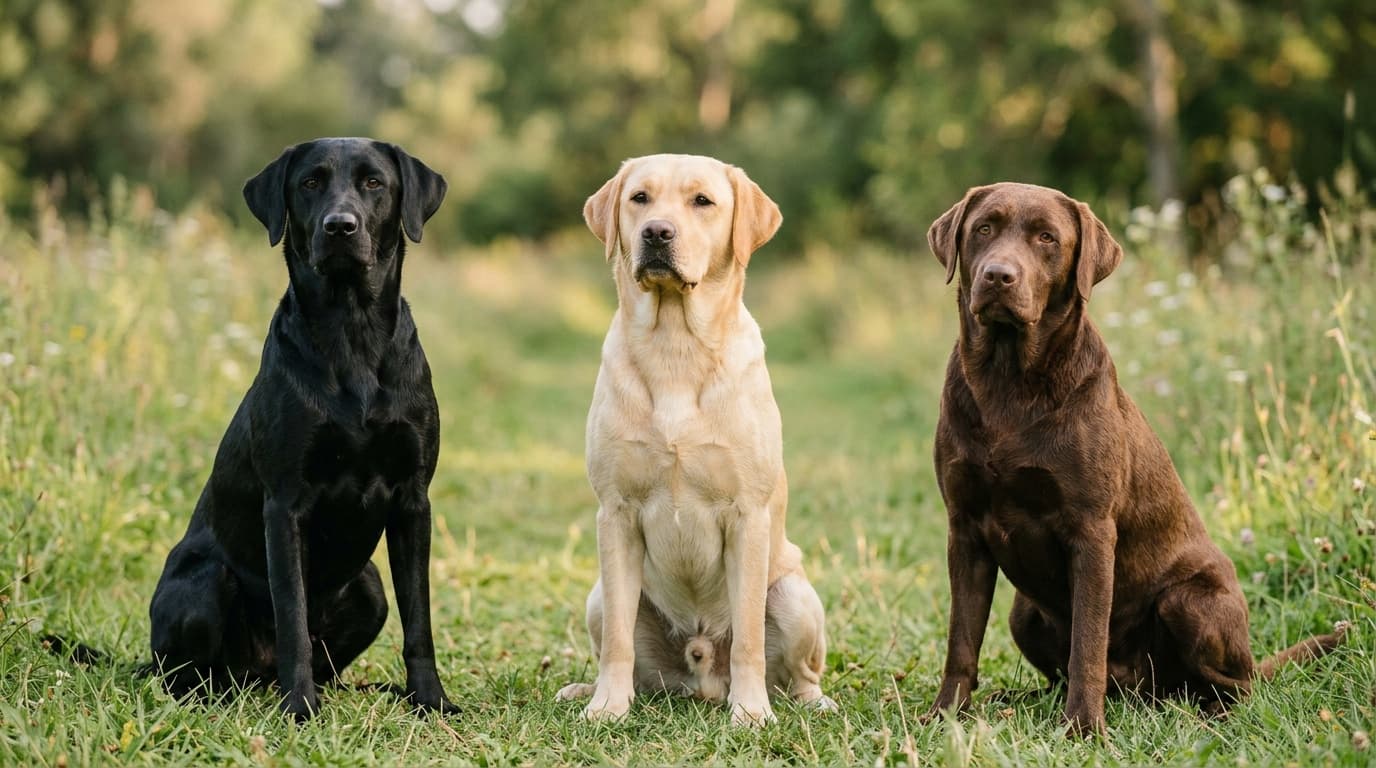
The Lab breed health picture, briefly
Labs are one of the most extensively studied breeds in veterinary medicine because they are the most common breed in North American practice. The breed lives an average 10 to 12 years, which is roughly typical for a 55 to 80 lb dog, and most Edmonton rescue Labs arrive in functional health. The medical picture is not catastrophic, but it is real, and it shapes the next decade of vet planning with your dog.
The Lab breed-health picture is dominated by orthopaedics and weight. Hip and elbow dysplasia are documented at meaningful breed prevalence and are the reason the Orthopedic Foundation for Animals maintains a Lab hip and elbow registry with extensive data. Obesity is genetically driven by elevated food motivation in the breed and produces the downstream conditions that most Lab owners actually deal with day to day: arthritis flares, diabetes, exercise intolerance, and shortened lifespan. Beyond orthopaedics and weight, the breed-defining concerns are Exercise-Induced Collapse (a Lab-specific genetic condition), elevated cancer risk across several types, bloat or GDV (deep-chested anatomy), and chronic ear and skin disease.
The other reality every Edmonton Lab owner should know up front: pet insurance enrolled in week one of adoption is the single highest-leverage health decision you make. Every Canadian provider excludes pre-existing conditions, and several of the conditions in this guide can become diagnosable within months of intake. Skipping insurance and paying out of pocket is a valid choice, but it is a choice that needs to be made consciously, not by default.
Hip and elbow dysplasia
Hip and elbow dysplasia are the headline orthopaedic concerns for Labrador Retrievers. Both involve abnormal development of a major weight-bearing joint, both produce pain and lameness that worsen with arthritis over time, and both are the reason the OFA maintains the most extensive breed registry data on the planet for Labs. Edmonton Lab adopters should know how each presents, how it is diagnosed, and what conservative and surgical management actually look like.
Hip dysplasia
Hip dysplasia is the abnormal development of the ball-and-socket hip joint, with looseness that progresses to arthritis over months and years. Signs to watch for include a bunny-hopping gait (both hind legs moving together), reluctance to climb stairs or jump into vehicles, stiffness after rest that loosens with movement, weight shifting away from one hip, and visible muscle wasting in the hindquarters relative to the front end. Severe cases can present by age one; many mild and moderate cases do not show clinical signs until age five to seven.
Diagnosis is by hip radiographs graded under the OFA or PennHIP systems, typically $300 to $600 at an Edmonton clinic depending on whether sedation and PennHIP positioning are used. Pet insurance enrolled before the diagnosis covers the workup and any subsequent management; insurance enrolled after will not.
Elbow dysplasia
Elbow dysplasia is an umbrella term covering several developmental abnormalities of the elbow joint (fragmented coronoid process, osteochondritis dissecans, ununited anconeal process). Signs include front-leg lameness that often appears after exercise or rest, reluctance to use one front leg, visible elbow swelling in some cases, and gait abnormalities. Severe cases can present by age four to twelve months. Diagnosis is by elbow radiographs and often a CT scan at a specialty practice; Edmonton CT runs $800 to $1,500. Mild cases respond to conservative management; moderate to severe cases get referred for arthroscopic surgery ($2,500 to $5,000 at Edmonton specialty) or rarely full elbow replacement at major specialty centres.
Conservative and surgical management
Conservative management is the first line for mild and moderate cases of both conditions: lean body weight (the single most protective intervention), joint supplements with glucosamine, chondroitin, and omega-3 fatty acids, prescription anti-inflammatories during flare-ups, restricted high-impact activity, and structured physical therapy or hydrotherapy. Several Edmonton practices offer underwater treadmill rehab. Labs love water, which makes hydrotherapy an unusually well-tolerated adjunct for this breed.
Surgical options for severe hip cases include femoral head ostectomy (FHO, a salvage procedure that removes the femoral head and lets a fibrous false joint form, $3,000 to $5,000 at Edmonton specialty) and total hip replacement (THR, a true joint replacement, $7,000 to $10,000 per hip, sometimes up to $12,000 for complex cases). THR has better long-term outcomes for active large dogs; FHO is more affordable and recovers faster. Complex revision cases sometimes route to the WCVM in Saskatoon. The American College of Veterinary Surgeons governs the relevant specialty board.
Day-to-day, the single highest-leverage management for any Lab joint is weight control. An overweight Lab stresses every joint disproportionately, and the breed metabolism makes that easy to slip into without active monitoring. See the body condition guidance the American Animal Hospital Association publishes; the goal is a visible waist from above and a clear tuck-up from the side.
Exercise-Induced Collapse (EIC)
EIC is a Lab-specific genetic condition with a clean DNA test and a clear clinical picture. The mutation is in the DNM1 gene, which affects neuromuscular function during high-arousal aerobic activity. Affected dogs appear normal at rest and during moderate exercise but collapse 5 to 15 minutes into intense excited activity. Episodes typically look like sudden hindlimb weakness, a wobbly gait, sometimes a stumble or fall, and full apparent recovery within 5 to 25 minutes of rest.
The typical trigger pattern is intense aerobic exercise combined with high arousal: group retrieving, hunting work, agility competition, sustained high-arousal play. Many affected Labs do fine at normal walking, swimming, and casual play. The condition is recessive: dogs are either clear (no copies of the mutation), carriers (one copy, asymptomatic, can pass it on), or affected (two copies, symptomatic). DNA testing from a veterinary genetics lab costs $50 to $150 and is definitive. Most Edmonton rescues will document EIC status when known; if the rescue cannot, your first-month vet can order the test.
Why testing matters: an EIC episode is often mistaken for heatstroke, a seizure, or a cardiac event, and the resulting emergency vet workup is expensive and stressful. Confirmed EIC status changes management to permanent moderate-intensity exercise limits (no sport, no hunting, no sustained high-arousal retrieving), which dramatically reduces or eliminates episodes. Affected Labs live full happy lives within those limits.
For Edmonton adopters of field-line or working-line Labs, EIC carrier rates are higher than in pet-line Labs. If you adopted from a rescue that pulls from northern Alberta or hunting communities, prioritise the test in month one even if the dog has not had an episode yet. The result lets you plan exercise programming honestly.
Obesity: the breed-defining day-to-day medical issue
Obesity is not a glamorous medical topic, but in Labrador Retrievers it is the single most consequential one. Labs are one of the most obesity-prone breeds in veterinary practice, and the reason is largely genetic. A documented variant in the POMC gene affects appetite regulation in a meaningful fraction of the breed; affected dogs feel hungrier than other breeds at the same caloric intake. Combined with the high food motivation that makes Labs excellent service and guide dogs (they train beautifully with food rewards), the breed produces the perfect setup for slow steady weight gain.
The downstream medical cost is substantial. Overweight Labs develop arthritis years earlier than lean Labs from the same litters, suffer measurably worse hip and elbow disease, have elevated rates of diabetes and cardiac disease, and live shorter lives. Edmonton winters compound the problem with reduced outdoor exercise, more indoor heating, and the holiday treat season concentrated in the coldest months. The pattern most Edmonton Lab vets see: a Lab arrives at adoption at a lean weight, gains 3 to 6 kg over the first two years in a new home, and the joint pain conversation starts around year four.
The intervention list is unglamorous and effective: measure every meal with a kitchen scale (not a scoop), account for every treat and training reward in the daily total, weigh the dog monthly, and reassess body condition score quarterly with your vet. Aim for a body condition score of four to five on a nine-point scale (visible waist from above, clear tuck-up from the side, ribs palpable under a thin fat layer). Weight loss in Labs is a slow protocol: 1 to 2 percent of body weight per month, with reassessment every six to eight weeks. Prescription weight-loss diets and structured low-impact exercise both help; ask your Edmonton vet about a formal weight-loss plan if your dog is over their ideal weight.
This is also the most pet-insurance-relevant Lab health issue, because obesity-related arthritis costs add up quietly over a decade. A Lab with managed weight may need $200 to $600 per year in joint support and occasional NSAIDs from age seven; a Lab with sustained excess weight may need $1,500 to $3,000 per year by middle age, and that does not include the surgical conversations that come with severe hip or elbow disease. Lean weight is preventive medicine at the cheapest possible price.
Cancer in Labrador Retrievers
Cancer is the most common cause of death in older Labs. Lifetime cancer risk is elevated across several types, and routine senior screening catches many cases at a treatable stage. The conditions to know about:
- Hemangiosarcoma: an aggressive vascular cancer that often presents in the spleen or right side of the heart. Signs are subtle until the tumour ruptures internally, at which point the dog collapses suddenly with pale gums and weakness. Splenic hemangiosarcoma is one of the most common emergency surgical findings in middle-aged and older Labs at Edmonton emergency clinics. Survival even with surgery and chemotherapy is often measured in months rather than years.
- Lymphoma: frequently the most treatable cancer in Labs. Multi-agent chemotherapy protocols achieve median remission of 12 to 24 months. Treatment at an Edmonton or Calgary specialty oncology practice runs $8,000 to $15,000 for a complete protocol.
- Osteosarcoma: bone cancer with elevated incidence in large breeds; lower rates in Labs than the giant breeds but present. Typically presents as persistent lameness in a single limb. Treatment is amputation plus chemotherapy; survival is improving with modern protocols.
- Mast cell tumours: the most common skin cancer in dogs, with above-average breed risk in Labs. Appear as skin lumps that can look like almost anything. The rule for any new lump on a Lab is fine-needle aspirate at the vet, not wait-and-see. Edmonton aspirate cost runs $150 to $300 and often gives a same-day answer.
Practical implications: annual senior wellness exams from age seven with full bloodwork and physical exam catch many cancers at a treatable stage. Any new lump goes to the vet for aspirate within weeks, not months. The American College of Veterinary Internal Medicine governs the oncology specialty board. Edmonton has a small specialty oncology presence; complex cases sometimes route to Calgary specialty practices or the WCVM in Saskatoon.
Pet insurance enrolled before the first concerning lump is the difference between a hard cancer diagnosis becoming a financial crisis and a hard cancer diagnosis becoming a focused medical decision. Read policies for explicit oncology coverage and annual caps of $15,000 or more.
Bloat (GDV): the emergency every Lab owner must recognise
Gastric dilatation-volvulus (GDV), commonly called bloat, is a life-threatening emergency where the stomach distends with gas and fluid and then twists on its axis, cutting off blood supply to the stomach and major vessels. Without surgical correction within hours, it is fatal. Labs are deep-chested, which puts them at elevated risk compared with shorter-bodied breeds.
Symptoms to recognise immediately:
- A visibly distended or hard abdomen, sometimes drum-tight to the touch
- Non-productive retching (the dog tries to vomit but nothing comes up; this is the most reliable early sign)
- Restlessness or inability to settle, pacing
- Drooling and frothy saliva
- Pale gums (check by lifting the lip)
- Rapid shallow breathing or panting that does not match the activity
- Progressive weakness or collapse
If you see any combination of these in a Lab, drive directly to a 24-hour Edmonton emergency veterinary clinic without calling first. Bloat surgery at an Edmonton emergency hospital typically runs $5,000 to $10,000 including post-op care, and survival is dramatically better when the dog arrives early. Diagnosis is rapid on physical exam and abdominal radiograph; the radiograph showing a twisted stomach is a textbook image. Treatment is emergency decompression and surgical untwisting, often with prophylactic gastropexy at the same time.
Prevention reduces but does not eliminate risk. The reasonable habits: feed two to three smaller meals daily rather than one large meal, use a slow-feeder bowl if the dog inhales food, avoid intense exercise in the 60 to 90 minutes before and after meals, and discuss prophylactic gastropexy with your vet at the time of spay or neuter. Gastropexy (suturing the stomach to the abdominal wall to prevent twisting) adds $400 to $800 to the surgical event and dramatically reduces lifetime GDV risk; many Edmonton vets recommend it for deep-chested Labs.
Pre-save the contact info for at least one 24-hour Edmonton emergency vet in your phone before you need it. Most Edmonton Labs will never bloat. For the subset that do, the minutes between recognition and surgery determine outcome.
Browse adoptable Edmonton Labs
Current Edmonton Lab and Lab-mix listings from SCARS, Zoe's Animal Rescue, Edmonton Humane Society, GEARS, Hope Lives Here, AHHRB, and AARCS Edmonton fosters. Use the foster notes to flag any orthopaedic, skin, or weight concerns before you apply, and budget for the first-month vet workup.
See Available Labs →Chronic ear infections and skin disease
Lab ears are the textbook setup for chronic infection. Drop pinnae cover the ear canal and trap moisture; the breed loves water; and atopic dermatitis (the canine equivalent of environmental allergies) has elevated breed prevalence. Many Labs develop chronic ear infections by middle age, and most chronic Lab ear infections trace back to one of two upstream issues: water exposure without thorough drying, or environmental and food allergies driving recurrent inflammation.
Edmonton summer with river-valley swimming, lake trips at Wabamun, Pigeon Lake, and the Pembina River, plus weekend cabin time, intensifies the water version from June through August. Management is layered: weekly ear cleaning with a vet-approved cleaner when the dog is regularly in water, thorough drying after every swim, prompt vet visits for any odour or head shaking, and serious allergy workup if infections recur three or more times in a year.
For chronic allergy patients, modern Edmonton treatment options include Cytopoint injections ($90 to $150 per month-equivalent dose), Apoquel daily tablets ($100 to $180 per month for a Lab-size dose), prescription elimination diets for suspected food allergy, and immunotherapy for severe cases. The American College of Veterinary Dermatology governs the relevant specialty board; your general-practice vet refers to a board-certified veterinary dermatologist when needed.
Pet insurance covers chronic ear and skin disease cleanly if enrolled before the first vet visit. After the first documented ear infection, that condition becomes a pre-existing exclusion on any policy enrolled afterward, which is why week-one enrolment matters.
Eye conditions: cataracts and PRA
Two eye conditions matter for Labs. Both have an annual ophthalmology exam pathway that catches them early.
Cataracts
Cataracts can develop in two patterns. Juvenile cataracts present in young dogs, often hereditary, sometimes bilateral. Senior cataracts develop as a degenerative process from age eight onward. Signs include a visible cloudiness or whitish appearance to the lens, the dog bumping into furniture at low light, reluctance to navigate stairs, and changes in eye contact patterns. Surgical removal at an Edmonton or Calgary specialty ophthalmology practice runs $4,000 to $7,000 per eye with good prognosis when caught early.
Progressive Retinal Atrophy (PRA)
PRA is a gradual retinal degeneration that typically progresses from night blindness through full blindness over months to years. There is no cure. Most affected Labs adjust well to gradual vision loss in familiar environments; the management work is environmental (keep furniture layouts stable, add textured rugs to mark transitions, use scent and verbal cues). DNA testing identifies carriers and affected dogs before clinical signs appear. If the rescue notes any vision concerns in the foster write-up, prioritise an ophthalmology consult in month one.
The annual ophthalmology exam
Most Edmonton general-practice vets can do a basic eye exam at the annual physical, which catches obvious issues. For adult Labs, an annual workup with a board-certified veterinary ophthalmologist provides more diagnostic depth and is a reasonable standard when the rescue cannot share eye-screening history. Expect $300 to $500 for the specialty consult. The result feeds into insurance documentation, senior-care planning, and your vet's ongoing care decisions. The American College of Veterinary Ophthalmologists maintains the eye-certification protocol your vet may reference.
Other Lab conditions to keep on the radar
Beyond the headline concerns, a handful of other conditions are reported in Labs at lower frequency or with later onset:
- Hypothyroidism: well-documented breed prevalence, usually middle age. Symptoms cluster around metabolism (weight gain despite stable diet, lethargy, dry coat, cold intolerance). Diagnosis is by full thyroid panel; treatment is daily levothyroxine at $25 to $50 per month plus periodic rechecks.
- Centronuclear Myopathy (CNM): a Lab-specific genetic muscle disease that affects skeletal muscle function. Affected dogs show progressive muscle weakness from puppyhood. Rare in adult rescue Labs because affected puppies rarely reach adulthood without diagnosis. DNA testable.
- Tricuspid valve dysplasia: a congenital cardiac defect reported at elevated frequency in Labs. Most cases identified at the first puppy cardiac auscultation; some present later as exercise intolerance. Cardiac auscultation at every annual visit catches clinically relevant cases.
- Laryngeal paralysis: typically a senior-dog condition where the larynx muscles weaken, producing noisy breathing, exercise intolerance, and in advanced cases respiratory distress. Surgical correction (tie-back surgery) is available at Edmonton or Calgary specialty surgical practices.
- Dental disease: Labs are not known for particularly bad dental genetics, but routine dental care matters across the breed lifespan. Annual dental checks and a professional cleaning every 18 to 24 months are typical.
None of these are a reason to avoid adopting a Lab. They are reasons to budget realistically and to keep an active relationship with a vet who knows the breed.
Edmonton specialty veterinary access reality
Edmonton has strong general-practice veterinary coverage for Labs. For routine care (annual physical, vaccinations, dental, basic bloodwork, minor injuries, weight management discussions), any reputable Edmonton clinic is a fine starting point. For breed-specific work, the picture is more nuanced.
Edmonton specialty veterinary medicine includes orthopaedic surgery, oncology, internal medicine, dermatology, ophthalmology, and 24-hour emergency. The specialty network is smaller than Calgary's and substantially smaller than the major-city specialty hubs in the rest of Canada. For most Lab concerns, your general-practice vet refers you to a local specialty practice and the workup happens here. For the harder subset of cases, two referral paths matter:
WCVM Saskatoon
The Western College of Veterinary Medicine at the University of Saskatchewan is the closest full veterinary teaching hospital. The drive from Edmonton is about five and a half hours each way. WCVM handles complex referrals beyond local specialty capacity: unusual orthopaedic revisions, complex oncology cases, neurology, advanced cardiac surgery, and rare-disease workups. The University of Alberta does not have a veterinary school, which is why Saskatoon is the closest academic referral. Your general-practice or specialty vet initiates the referral; you do not self-refer.
Calgary specialty centres
Some Edmonton Lab owners drive to Calgary specialty centres for procedures not offered locally or when wait times in Edmonton are longer than acceptable. The drive is about three hours each way. This pattern is more common for elective orthopaedic surgery and oncology consultations than for emergencies. It adds travel logistics to recovery (the dog should not be jostled in the first 24 to 48 hours post-surgery). Ask your local specialty practice whether the case is one that genuinely benefits from a Calgary referral or whether Edmonton can handle it well.
Building your network in month one
The practical move when you adopt: establish a primary Edmonton vet in the first month, ask them which specialty practices they refer Labs to, and write the answer down. Pre-save at least one 24-hour Edmonton emergency clinic in your phone. Most Edmonton Labs will never need a specialty referral. For the subset that do, knowing the pathway before you need it cuts hours off the response time when it matters.
Pet insurance for an Edmonton Lab
Week-one pet insurance enrolment is the single highest-leverage health decision for any rescue Lab. Every Canadian provider excludes pre-existing conditions, which means the day a vet documents anything (a skin lesion, a mild limp, a slightly low T4, an ear infection), that condition becomes a permanent exclusion on any policy enrolled afterward. The clock starts the day you adopt.
The breed-specific value math for Labs is unusually strong because both ends of the spectrum apply: the recurring costs accumulate, and the catastrophic possibilities are large.
- Chronic ear and skin management: $500 to $2,000 per year for life
- Weight-related arthritis management: $200 to $1,500 per year from middle age
- Hip dysplasia surgical correction: $5,000 to $12,000 per hip
- Elbow arthroscopy: $2,500 to $5,000
- GDV emergency surgery: $5,000 to $10,000
- Cancer treatment (lymphoma, hemangiosarcoma, mast cell): $5,000 to $20,000
- Cataract surgery: $4,000 to $7,000 per eye
- EIC DNA testing and management: $100 to $200 first year
A Lab who develops chronic ear allergies, mild hip dysplasia, and a single cancer diagnosis in their lifetime could easily generate $25,000 to $50,000 in out-of-pocket medical costs over a decade. A typical pet insurance policy for a young healthy Lab in Edmonton runs $50 to $90 per month depending on the deductible, reimbursement percentage, and coverage limits. Over the dog's lifetime, premiums total $8,000 to $15,000. The math works for many adopters, especially first-time large-dog owners who do not have a contingency cushion ready.
What to look for in a Lab policy:
- Hereditary and congenital conditions explicitly covered (some cheaper policies exclude these, which makes them almost useless for a Lab)
- Coverage caps that are annual rather than per-condition (per-condition caps can hit fast on chronic ear and skin disease)
- Explicit coverage for chronic ear and skin conditions
- Annual caps of $15,000 or more (cancer treatment can exceed lower caps)
- Reasonable wait times for orthopaedic and oncology coverage (typically 14 to 30 days)
- Claims process that allows direct vet payment or fast reimbursement
Compare three to four providers before enrolling. The American Animal Hospital Association publishes general guidance on what to look for in a policy; their checklist applies to Canadian providers too. Your Edmonton vet and your foster contact at the rescue can both share which providers other adopters have used and what their claim experience has been.
Adoption health workup: what the rescue covers vs what you re-screen
Edmonton rescues do a baseline vet workup before adoption, but the depth varies by rescue and by individual dog. Understanding what is and is not covered helps you plan your first-month vet visit.
What most Edmonton rescues cover
- Physical exam by a vet at intake
- Core vaccinations (DAPP and rabies, sometimes Bordetella if boarded)
- Spay or neuter surgery
- Microchip implant and registration
- Deworming and flea and tick treatment
- Basic adult bloodwork (CBC and chemistry panel) in many cases
- Treatment of any acute ear, skin, or other concerns identified at intake
What is usually NOT covered (and what to plan for)
- Hip and elbow radiographs (OFA or PennHIP grading)
- EIC DNA test
- Full thyroid panel (not just baseline T4) for dogs over two
- Cardiac auscultation followed by echocardiogram if a murmur is detected
- Ophthalmology consult with a board-certified veterinary ophthalmologist
- Dental cleaning beyond a visual exam
- Body condition score assessment with formal weight plan
Plan a first-month vet visit with your chosen Edmonton vet that establishes a baseline you can build on. The standard ask: a careful orthopaedic exam, a body condition score with a weight target, ear and skin assessment, EIC DNA test, and a frank conversation about which screenings make sense given the dog's history. If the rescue can share any imaging, bloodwork, or notes from their intake vet, bring them.
For senior Labs (eight years and up), the first-month workup is more involved: full senior bloodwork including urinalysis, ophthalmology consult, dental evaluation, cardiac auscultation, and a mobility assessment. Budget $500 to $900 for the senior intake workup at an Edmonton clinic.
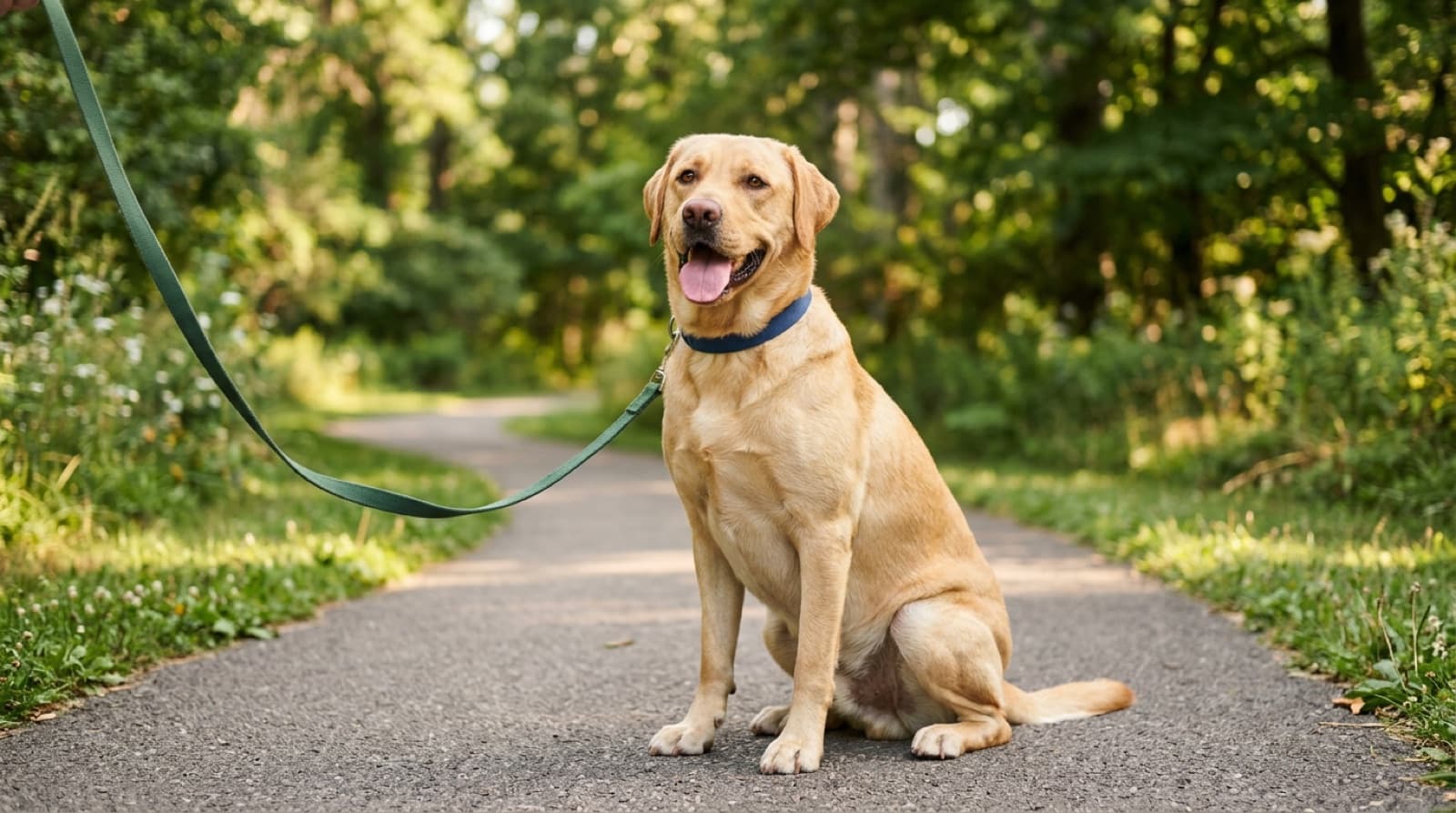
Senior Lab health after age eight
Labs are mid-lifespan among working breeds, typically reaching 10 to 12 years, so senior care begins earlier than for the longer-lived Huskies and starts in earnest around age eight. The trade-off for adopting an older Lab is shorter overall companionship in exchange for a calmer, lower-output dog past the worst of the puppy chewing, adolescent jumping, and high-arousal retrieving years. Many Edmonton rescue volunteers will tell you that senior Lab adoptions are among the most rewarding placements.
Reasonable senior-care adjustments, all guided by your Edmonton vet:
- Biannual vet exams instead of annual
- Full annual senior bloodwork including urinalysis
- Annual ophthalmology check (cataracts often progress in the senior years)
- Periodic thyroid panel rechecks
- Routine dental care including professional cleanings every 18 to 24 months
- Joint support (glucosamine, chondroitin, omega-3) and prescription anti-inflammatories during arthritis flares
- Tight weight monitoring (overweight seniors do worse on every front)
- Mobility aids if needed: orthopaedic bed, traction rugs on hardwood, ramps for stairs and vehicles
- Climate comfort (a warm bed for Edmonton winter, cool refuge for summer; senior dogs thermoregulate less efficiently)
- Increased lump monitoring (mast cell tumours and lipomas both increase in frequency from middle age)
Some Labs develop canine cognitive dysfunction in their later years, with disorientation, anxiety, or sleep changes. Your vet can advise on management options, which range from environmental adjustments to prescription medications.
Pet insurance becomes harder and more expensive to obtain for first-time enrolment past age eight, and some providers will not enrol senior dogs at all. If you adopt a senior Lab, price-compare carefully and consider whether a dedicated savings account makes more sense than insurance for your specific case. Talk through the math with your vet at the first visit.
Frequently asked questions
Where can I find a vet for a Lab near me in Edmonton?
Any reputable Edmonton general-practice clinic is a fine starting point for routine Labrador care. Labs are the most common breed in North American veterinary practices, so almost every Edmonton vet has extensive Lab experience. For breed-specific concerns (orthopaedic surgery, oncology, ophthalmology, advanced dermatology), ask your general-practice vet which Edmonton specialty practice they refer to. Edmonton has a smaller specialty network than Calgary, and difficult cases occasionally route to the Western College of Veterinary Medicine in Saskatoon, the closest full veterinary teaching hospital. Some Edmonton Lab owners also drive to Calgary specialty centres for procedures with shorter wait times or specific expertise. Establish a primary vet in month one and build the specialty network around your dog as needed.
What are the main Lab health issues to know before adopting?
Six conditions shape Lab medical planning. First, hip and elbow dysplasia (the headline orthopaedic concerns; Labs are one of the breeds where OFA screening data is most extensive). Second, obesity (genetically driven by elevated food motivation; the single biggest day-to-day medical issue in the breed and the upstream cause of most arthritis, diabetes, and reduced lifespan). Third, cancer (elevated lifetime risk across hemangiosarcoma, lymphoma, osteosarcoma, and mast cell tumours). Fourth, Exercise-Induced Collapse (EIC), a Lab-specific genetic condition with a definitive DNA test. Fifth, bloat or GDV (elevated risk in deep-chested Labs, a true emergency). Sixth, chronic ear and skin issues (drop ears plus water-loving plus atopy predisposition). A responsible Edmonton rescue will share what is known; your first-month vet workup fills in the rest.
How much does hip dysplasia surgery cost for a Lab in Edmonton?
Total hip replacement at an Edmonton or Alberta specialty practice typically runs $7,000 to $10,000 per hip, with some complex bilateral cases pushing $12,000 per side. Femoral head ostectomy (a salvage procedure that removes the femoral head and lets a fibrous false joint form) usually lands at $3,000 to $5,000. Conservative management with lean body weight, joint supplements, physical therapy, and prescription anti-inflammatories defers or replaces surgery in many mild and moderate cases and is the first-line approach most general-practice vets recommend. Pet insurance enrolled before diagnosis covers most of this; pet insurance enrolled after will not. Hip dysplasia has elevated prevalence in Labradors compared with many other breeds, which is why OFA hip screening exists as a standard for the breed in the first place.
What is Exercise-Induced Collapse and how is it diagnosed?
Exercise-Induced Collapse (EIC) is a Lab-specific genetic condition caused by a mutation in the DNM1 gene. Affected dogs appear normal at rest and during moderate activity but collapse 5 to 15 minutes into intense aerobic exercise (especially excited high-arousal activity like retrieving in a group, hunting, or agility). Episodes look like sudden hindlimb weakness, a wobbly gait, and sometimes a fall, with recovery to apparently normal within 5 to 25 minutes. A DNA test from a veterinary genetics lab costs $50 to $150 and is definitive: dogs are either clear, carriers (one copy, asymptomatic), or affected (two copies, symptomatic). Affected Labs live full lives with permanent moderate-intensity exercise limits; they should not do competitive sport, hunting, or sustained high-arousal retrieving. EIC is sometimes mistaken for heatstroke or a cardiac event, which is why DNA confirmation matters once an episode happens.
Why are Labs so prone to obesity, and how worried should I be?
Labs are one of the most obesity-prone breeds in veterinary practice, and that is largely genetic. A documented variant in the POMC gene affects appetite regulation in a meaningful fraction of the breed, leaving these dogs feeling hungrier than other breeds at the same caloric intake. Combine that with the high food motivation that makes Labs excellent service and guide dogs, and the result is a breed where most pets are overweight by middle age unless their owners actively manage intake. Edmonton winters compound the picture (less outdoor exercise, more indoor heating, holiday treats). Worry level is high but actionable: lean body weight is the single most protective thing you do for a Lab. Overweight Labs develop arthritis earlier, suffer worse hip and elbow disease, have higher cancer rates, and live measurably shorter lives than lean Labs from the same litters. See the AAHA body condition guidance; the goal is a visible waist from above and a clear tuck-up from the side.
How worried should I be about cancer in an adopted Lab?
Cancer is the most common cause of death in older Labs. Lifetime cancer risk is elevated across several types: hemangiosarcoma (an aggressive vascular cancer often hitting the spleen or heart), lymphoma (frequently the most treatable Lab cancer with multi-agent chemotherapy), osteosarcoma (bone cancer, lower incidence in Labs than the giant breeds but present), and mast cell tumours (skin cancer with elevated breed risk). Practical implications: annual senior wellness exams from age seven with full bloodwork catch many cancers at a treatable stage; any new lump on a Lab goes to the vet for fine-needle aspirate rather than wait-and-see; and treatment costs at Edmonton or Calgary specialty oncology practices run from $2,000 for simple mast cell excision to $10,000 to $20,000 for full chemotherapy protocols. The American College of Veterinary Internal Medicine governs the oncology specialty. Pet insurance enrolled before the first concerning lump is the difference between a hard cancer diagnosis becoming a financial crisis and a hard cancer diagnosis becoming a focused medical decision.
How do I recognize bloat in a Lab, and what should I do?
Bloat (gastric dilatation-volvulus, or GDV) is a life-threatening emergency where the stomach distends and twists. Without surgical correction within hours, it is fatal. Symptoms to recognise immediately: a visibly distended or hard abdomen, non-productive retching (the dog tries to vomit but nothing comes up), restlessness or inability to settle, drooling, pale gums, rapid shallow breathing, and progressive weakness or collapse. If you see any combination of these in a Lab, drive directly to a 24-hour Edmonton emergency veterinary clinic without calling first. Bloat surgery at an Edmonton emergency hospital typically runs $5,000 to $10,000 including post-op care, and survival is dramatically better when the dog arrives early. The American College of Veterinary Surgeons governs the relevant specialty board. Prophylactic gastropexy (suturing the stomach to the abdominal wall to prevent twisting) is often discussed at the same time as spay or neuter in deep-chested Labs; cost adds $400 to $800 to the surgical event and dramatically reduces lifetime GDV risk.
My Lab keeps getting ear infections. What is going on?
Lab ears are the textbook setup for chronic infection: drop pinnae that cover the ear canal, a love of swimming that introduces water, and breed predisposition to atopic dermatitis that produces inflamed itchy skin in the ear canal. Most chronic Lab ear infections trace back to one of two upstream issues: water exposure without thorough drying, or environmental and food allergies driving recurrent inflammation. Edmonton summer with river-valley swimming and lake trips at Wabamun or Pigeon Lake makes the water version worse from June to August. Management is layered: weekly ear cleaning with a vet-approved cleaner when the dog is regularly in water, prompt vet visits for any odour or head shaking, and serious allergy workup if infections recur three or more times in a year. The American College of Veterinary Dermatology is the relevant specialty board; chronic allergy patients often see real benefit from Apoquel or Cytopoint under vet direction. Pet insurance covers chronic ear and skin disease cleanly if enrolled before the first vet visit.
What eye conditions should Lab adopters watch for?
Two eye conditions matter for Labs. Cataracts can develop in two patterns: juvenile cataracts in young dogs (often hereditary, sometimes bilateral) and senior cataracts as a degenerative process from age eight onward. Surgical removal at an Edmonton or Calgary specialty ophthalmology practice runs $4,000 to $7,000 per eye with good prognosis when caught early. Progressive Retinal Atrophy (PRA) is a gradual degeneration of the retina that progresses from night blindness to complete blindness over months to years; there is no cure, but most affected Labs adjust well to gradual vision loss in familiar environments. DNA testing identifies PRA carriers and affected dogs before clinical signs appear. An annual ophthalmology exam with a board-certified veterinary ophthalmologist is a reasonable recommendation for adult Labs; expect $300 to $500 for the specialty consult. The American College of Veterinary Ophthalmologists maintains the eye-certification protocol your vet may reference.
Should I get pet insurance for an Edmonton rescue Lab?
Yes, and enrol in week one. Every Canadian pet insurance provider excludes pre-existing conditions, and the timeline starts the day you adopt. The breed-specific value math is strong for Labs because the recurring costs (chronic ear and skin management at $500 to $2,000 per year, weight-related arthritis care, EIC documentation) and the catastrophic possibilities (hip surgery $5,000 to $12,000, GDV surgery $5,000 to $10,000, cancer treatment $10,000 to $20,000) both apply. Monthly premiums for a young healthy Lab in Edmonton typically run $50 to $90 depending on the deductible and reimbursement percentage. Read for hereditary and congenital coverage (some cheaper policies exclude these and become almost useless for a Lab), annual coverage caps rather than per-condition caps, and explicit coverage of chronic skin and ear conditions. Compare three to four providers; your foster contact at the rescue can often share which providers other Edmonton Lab adopters have used and what their claim experience has been.
Related Edmonton Lab guides
Edmonton Adoptable Dogs
Current Edmonton-area Lab and Lab-mix listings from SCARS, Zoe's, EHS, GEARS, Hope Lives Here, AHHRB, and AARCS Edmonton fosters.
Labrador Adoption Edmonton
Rescue sources, real adoption fees, Lab vs Lab-mix availability, surrender patterns, and the breed-vs-buy reframe for Edmonton adopters.
Lab Weight Management Edmonton
The POMC food-motivation reality, body condition scoring, measured feeding protocols, and the Edmonton winter weight-gain pattern most Labs follow.
Lab Water & Ice Safety Edmonton
River-valley swimming, Wabamun and Pigeon Lake season, blue-green algae warnings, cold-water hypothermia, and ice-out drowning risks Edmonton Labs face.
Find your Edmonton rescue Lab
Browse current Edmonton-area Lab and Lab-mix listings. Foster temperament notes help you flag any orthopaedic, skin, or weight concerns before you apply, and your first-month vet workup builds the baseline.
Browse All Edmonton Dogs →New dog? Start with these care guides
Everything a new adopter needs to set up a safe, happy home.