The short answer
Labradors and Lab mixes are the most-adopted breed in Edmonton rescue. Lab mixes outnumber purebreds; common crosses are Lab-Shepherd, Lab-Husky, Lab-Border Collie, and Lab-Hound. SCARS, EHS, Zoe's, and AARCS Edmonton fosters see Labs constantly. Fees $400 to $700. Plan on 60 to 90 minutes of daily exercise year-round, an adolescent surrender wave at one to three years, and the black Lab bias that lengthens waits for no good reason.
Why Labs are Edmonton's default family dog
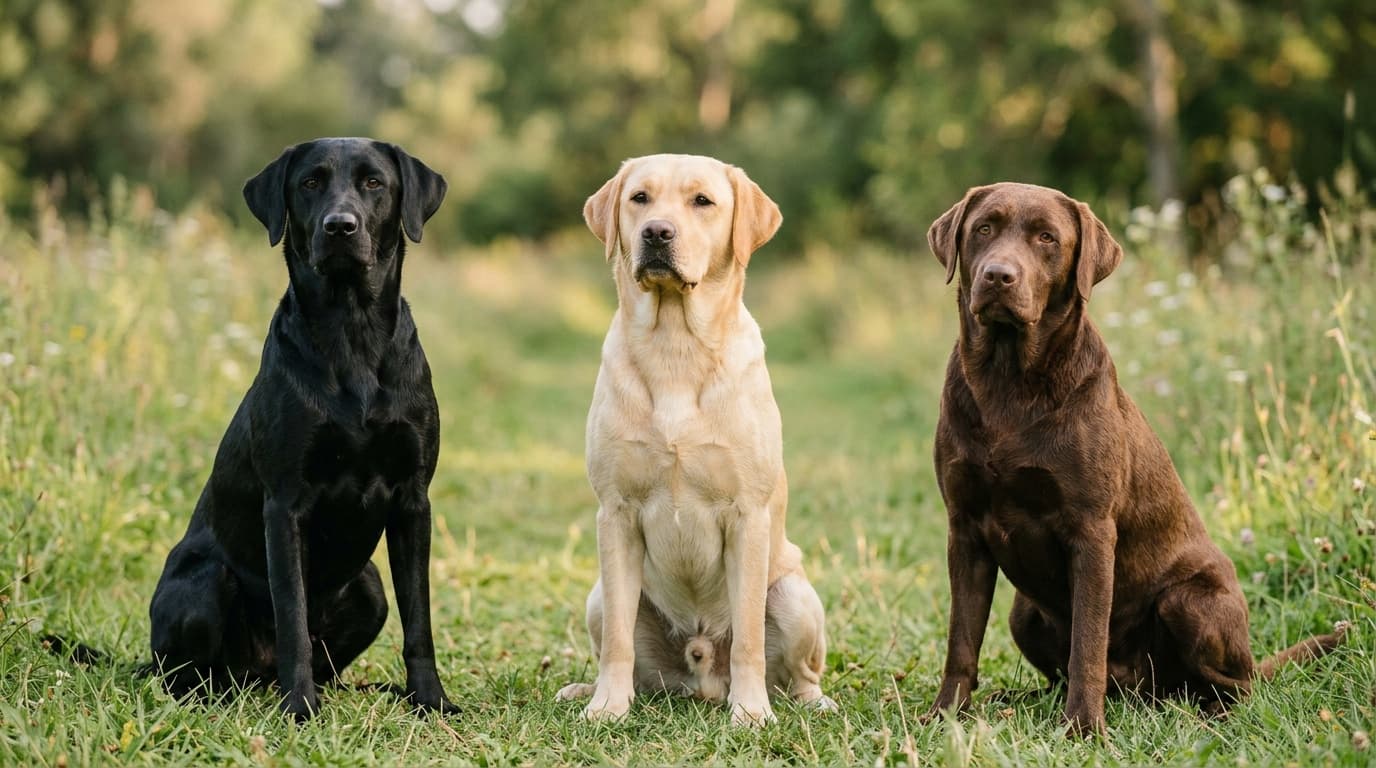
Labradors are the most-popular family breed in Alberta by a wide margin, and Edmonton is no exception. Drive through any suburban neighbourhood in Sherwood Park, Riverbend, Windermere, or St. Albert on a Saturday morning and the dogs you see are mostly Labs and Lab crosses. The reasons hold up: Labs are tolerant of children, social with other dogs, trainable enough for almost any household, and built for the kind of active outdoor life Alberta families actually live. They swim in summer, fetch in autumn, plow through snow in winter, and sleep through Sunday afternoons on the couch.
The breed's popularity drives both sides of the Edmonton rescue equation. On the intake side, a huge population of Alberta Labs means a meaningful flow of them enters rescue every month through lifestyle mismatch, life-change, breeder oversupply, and northern-community surrender. On the adoption side, the same popularity means strong adopter demand and short wait times for the right Lab. The breed cycles through Edmonton rescue faster than almost any other.
A specific Edmonton pattern shows up in the intake numbers. SCARS pulls heavily from northern Alberta communities, and Labs and Lab crosses are the default farm and family dog across the north. When SCARS does an intake run, half the dogs are often Lab-type mixes of indeterminate parentage but obvious Lab build. The Edmonton Humane Society sees urban Lab intake through surrender. Zoe's Animal Rescue and AHHRB pick up the rest. The combined flow makes Labs the most-listed breed in Edmonton rescue most months.
The adopter side is equally telling. Edmonton's suburban family-dog demographic is large, established, and Lab-loyal. First-time adopters, families with kids, retirees moving from larger working breeds to something gentler, and active households all gravitate to Labs. The match between Edmonton's demographic and the Lab temperament is among the strongest breed-to-city fits in Canadian rescue.
Edmonton rescues that consistently list Labs and Lab mixes
Seven Edmonton-area rescues list Labs or Lab mixes in most months. Inventory rotates, and a Lab you see on Monday may be in a home by Friday. Set up alerts where you can, and check current Edmonton listings before fixating on a single rescue.
- SCARS (Second Chance Animal Rescue Society): the highest-volume Lab and Lab-mix source in Edmonton rescue. SCARS pulls Lab-type dogs from northern Alberta communities in steady volume. Many are listed as Lab mix because the parentage is genuinely unknown; the body shape and head are obvious. SCARS foster write-ups cover kid tolerance, dog tolerance, energy level, and any known history. Expect rotating inventory of every age.
- Edmonton Humane Society (EHS): the city's largest shelter, with high-volume Lab intake through urban owner surrender. EHS sees adolescent Labs from lifestyle mismatch, senior Labs from owners moving into care, and Lab mixes of every description. The centralised facility lets you meet the dog before applying, and the EHS behaviour team produces detailed assessments.
- Zoe's Animal Rescue: long-running Edmonton foster-based rescue. Zoe's sees Labs and Lab mixes regularly, especially Lab-Shepherd and Lab-Husky crosses. Their foster temperament write-ups are thorough, and the application emphasises long-term fit over speed.
- AARCS (Alberta Animal Rescue Crew Society): headquartered in Calgary with Edmonton-area foster homes. AARCS tags each dog with its current foster location, so Edmonton-foster Labs surface on Edmonton listings. AARCS foster notes are detailed and explicitly cover kid tolerance, multi-pet compatibility, and exercise needs.
- Alberta Homeward Hound Rescue Bureau (AHHRB): Edmonton-area foster-based rescue. AHHRB lists every dog as Mixed Breed on paper, so Labs and Lab mixes are identified by photo and description rather than a breed tag. Worth checking even if a Lab search returns nothing; many of their dogs are Lab-cross.
- GEARS (Greater Edmonton Animal Rescue Society): smaller rotating inventory, but Labs and Lab mixes appear regularly. GEARS foster homes tend to keep dogs longer, so you often see thorough temperament notes from extended fostering.
- Hope Lives Here Animal Rescue: Edmonton-area rescue with rotating dog inventory that often includes Labs and Lab mixes from owner-surrender. Lower volume than EHS or SCARS but a real source.
Adopters sometimes ask whether there is a Labrador-specific rescue in Alberta. As of writing we cannot verify an Alberta-based Lab-only rescue with current adoptable listings. Lab-focused breed clubs operate as fanciers organisations rather than rescue groups. If you see a Lab-rescue name on social media, verify it the same way you would verify any pet transaction: a Canada Revenue Agency charitable registry check, a real address or foster network, public-facing vet references, and a current adoptable-dog list. Most Edmonton Lab adopters find their dog through the seven rescues above.
What an Edmonton rescue Lab actually costs
Edmonton rescue adoption fees for Labradors generally land between $400 and $700. The fee is a partial recovery on costs the rescue has already paid; it is not a sale price. A typical Lab adoption fee covers:
- Spay or neuter surgery. Standalone, this runs $400 to $700 at an Edmonton vet clinic for a medium-large dog.
- Core vaccinations. DAPP and rabies at minimum. Bordetella often included if the dog has been boarded.
- Microchip implant and registration. Required for licensed dogs by the City of Edmonton Animal Care and Control Bylaw 21244.
- Deworming and flea and tick treatment. Standard intake processing.
- Basic vet workup. Physical exam, weight and body-condition assessment, and dental check.
- Heartworm test, sometimes. For dogs of unknown background or those from areas with higher heartworm risk.
- Specific medical work, sometimes. Dental cleanings on seniors, ear treatments (Labs are prone to ear infections), or treatment for any condition flagged at intake.
Stacked on their own, those services cost $900 to $1,800 at retail Edmonton vet pricing. The rescue fee is partial cost recovery and the rest is subsidised by donations. Senior Labs (around eight years and up) often have reduced fees of $200 to $400 because rescues prioritise placement, and senior dogs in shelter environments deteriorate faster than younger dogs.
Beyond the adoption fee, plan on ongoing Lab costs of $1,800 to $3,200 per year. Food is a real line item for a 60 to 80 pound dog; a quality large-breed kibble runs $80 to $130 per month. Routine vet care averages $400 to $700 per year (annual exam, vaccines, parasite prevention). Pet insurance for a young healthy Lab in Edmonton runs $50 to $90 per month, and the breed's hip, elbow, and cancer risk profile makes coverage worth considering. Add grooming (minimal for Labs but the occasional bath and nail trim), training class fees if you go that route, and toys and gear that a Lab will methodically destroy through adolescence.
For comparison, a Lab puppy from an Alberta breeder runs $1,800 to $3,500 for pet-quality, with field-bred or show lines going higher. The breeder puppy comes with none of the vet work the rescue dog already has. The rescue path is significantly cheaper and the dog is already past the highest-cost early-vet-work window.
Lab mixes outnumber purebreds: reading the foster notes
Edmonton rescue lists far more Lab crosses than purebred Labs in a typical month. Some are deliberate breedings, but most are simply the natural result of Lab popularity in Alberta households where the dog had access to other dogs. The breed label on a mix is a guess; the foster temperament write-up is the real read. The common Edmonton Lab-mix patterns:
- Lab-Shepherd cross: the most common Edmonton Lab mix. Usually 65 to 90 pounds, more drive than a pure Lab, often more protective and reserved with strangers. Inherits the Lab's trainability with the Shepherd's focus, which is a fantastic combination for an active household. Reads well in foster: kid tolerance is usually good, dog tolerance varies, exercise needs trend higher than pure Lab. See the Edmonton German Shepherd guide for the Shepherd half of the equation.
- Lab-Husky cross: 50 to 75 pounds typically, high-drive, vocal, and an escape risk. The Husky genes bring fence-jumping and digging behaviour that pure Labs do not exhibit. Foster notes will flag yard security needs and recall reliability honestly. The Edmonton Husky escape prevention guide applies to Husky-cross dogs as well; assume Husky escape habits until the foster reports otherwise.
- Lab-Border Collie cross: the smartest of the common Lab mixes. Usually 45 to 70 pounds, very trainable, very high in mental-exercise needs. Reads well in foster: kid tolerance good, but mental work has to match the body work or the dog invents jobs. A great match for active households with experienced owners.
- Lab-Pit cross (Lab-Staffy): often the most family-friendly bully-mix option in Edmonton rescue. Usually 50 to 70 pounds, low-key with kids, social with people, sometimes dog-selective. Inherits the Lab's tolerance with the Staffy's blocky build. May face Edmonton housing restrictions even though the dog itself is fine; some condo boards screen by appearance.
- Lab-Hound cross: scent-drive and chase-drive inherited from the hound parent. Often 50 to 70 pounds, vocal (the bay is unmistakable), and harder on recall once a scent locks in. Long-line training the default. Foster notes will flag the prey drive level honestly.
- Lab-Husky-Shepherd triple cross and similar: shows up regularly in northern-intake dogs where the parentage is genuinely unknown. The dog is what the dog is; foster temperament notes matter much more than the label.
The general rule for Lab mixes is to read the foster write-up as the truth and the breed label as a hint. A Lab mix that the foster describes as calm with kids, dog-tolerant, easy on leash, and house-trained is exactly that dog regardless of what the other parent was. A Lab mix flagged for high energy, reactive on leash, or escape-prone is also exactly that dog. The foster home has lived with the dog for weeks; their read beats any breed-based generalisation.
The black Lab wait: a real Edmonton bias
Black Labs in Edmonton rescue wait longer for adoption than yellow or chocolate Labs of similar age and temperament. The pattern is documented across North American shelters and shows up in Edmonton intake as well. Adoptions are not strictly colour-blind, and the gap is two to four weeks on average for adult black Labs versus same-aged yellow or chocolate Labs at the same rescue. The reasons are entirely about adopter behaviour, not the dogs:
- Photos. Black coats are harder to photograph in low light and harder to read facial expression on. A listing photo of a black Lab often shows less of the dog's personality than the same lighting on a yellow Lab.
- Folklore. Old superstitions about black dogs persist in cultural memory and influence some adopters subconsciously. None of it is rational; all of it affects choice.
- Volume. Black is the most common Lab colour in Edmonton rescue. When supply is high and demand is steady, individual dogs wait longer simply by arithmetic.
- Senior visibility. Greying around the muzzle reads less obviously on a black Lab than on a yellow Lab, so a black senior is sometimes mistaken for a younger high-energy dog and skipped.
The practical implication for adopters is straightforward. If you are open to a black Lab, your selection of available dogs in Edmonton rescue at any given time is much wider than if you only consider yellow or chocolate. The dogs themselves are no different. The Lab temperament, the Lab trainability, the Lab family-fit reputation all apply equally to all three colours. Many Edmonton rescues run periodic black-dog adoption events specifically to address the gap.
If the photo on a listing is unclear, ask the rescue for additional photos in natural light. Most foster homes are happy to send better photos. A black Lab with good outdoor light shows a beautiful coat, expressive face, and clear body language. The dog is there; the listing photo just is not showing them yet.
What Edmonton rescues evaluate in a Lab application
Lab applications are screened for fit, not perfection. Edmonton rescues know Labs are a strong-default family breed; the question is whether your specific household matches the specific dog you applied for. The screening typically covers:
- Daily exercise capacity. The single most important question for a Lab home. Plan on 60 to 90 minutes of real exercise daily, year-round, regardless of weather. The rescue will ask specifically what your plan is for January at -25 C; vague answers about “short walks when it's cold” do not match a Lab's actual needs.
- Household structure and kid age. Labs do well with kids of any age, but matching the dog's energy level to the household matters. A two-year-old high-drive Lab fits an active family with school-age kids; a calm five-year-old Lab fits a family with toddlers. Foster notes flag each dog's specific comfort with children.
- Existing pets. Most Labs are dog-social by default, but mixes vary. The rescue will ask about your other dogs' ages, sizes, and temperaments. Cat tolerance varies dog by dog; foster notes flag this specifically.
- Work schedule and time alone. Labs are companion dogs and do not thrive on nine-hour-a-day isolation. A work-from-home schedule, hybrid work, a household with multiple adults at different times, or a daytime dog walker all strengthen the application. A 50-hour-a-week in-office schedule with no midday check is a harder fit.
- Yard and fencing. A fenced yard is preferred but not required for most Edmonton Lab placements. Apartment and condo applications are evaluated on exercise plan rather than yard. The exception is Lab-Husky or Lab-Shepherd crosses with escape tendencies, where the rescue may require fencing.
- Winter exercise plan. The Edmonton winter is long. The rescue will ask specifically how you plan to keep the dog exercised in January and February. Answers that include indoor enrichment, off-leash park visits, and continued outdoor walks at moderate cold reassure the rescue.
- Training plan. Most Edmonton rescues encourage force-free training and may ask whether you have a class plan, especially for adolescent Labs. Group classes through Edmonton trainers are reasonable to budget at $200 to $400 per six-week course.
- Pet insurance. Increasingly asked because Labs have known hip, elbow, and cancer risk that benefits from insurance enrolled before any pre-existing conditions appear.
Specificity wins applications. “We walk daily and play fetch on weekends” is weaker than “We walk 30 minutes morning and 45 minutes after work, plus a longer Saturday off-leash run at Terwillegar or Mill Creek.” The rescue is trying to determine whether the placement will last, and the specific answer signals the realistic plan.
Browse adoptable Edmonton Labradors and Lab mixes
Current Edmonton listings from SCARS, EHS, Zoe's, AARCS Edmonton fosters, AHHRB, GEARS, and Hope Lives Here in one place. Lab inventory rotates fast; same-day applications usually win.
See Edmonton Adoptable Dogs →How to apply for an Edmonton Labrador adoption
Edmonton Lab adoptions move fast because demand is strong and inventory rotates quickly. The typical application sequence:
- Set up listing alerts. Register for adoption alerts on SCARS, EHS, Zoe's, AHHRB, GEARS, and Hope Lives Here. Lab inventory turns over weekly; alerts catch listings the day they appear.
- Find a specific dog you want to apply for. Edmonton rescues apply per-dog, not on a general waitlist. Read the entire foster write-up: energy level, kid tolerance, dog tolerance, training notes, any flagged conditions.
- Submit the application same day. Expect 30 to 45 minutes for a thorough application. Have your vet's name ready if you have other pets, your landlord's name if you rent, and two non-family references with current phone numbers. Same-day applications are reviewed first.
- Phone screen with the foster. If the application clears the first review, the dog's foster home will call you. This is the conversation that decides most placements. Be honest about your household rhythm, work schedule, and exercise plan. The foster knows the dog; they can tell whether your home will fit.
- Meet-and-greet. Either at the foster's home or a neutral location. Bring everyone in the household, including kids and other dogs if relevant. Labs usually warm up fast in meet-and-greets; foster home visits show you the dog in their normal environment.
- Reference checks. Most Edmonton rescues call two references, including any prior vet if you have other pets. Give your references a heads-up so they pick up.
- Home visit, sometimes. Smaller rescues like Zoe's and GEARS sometimes do a brief home check before approval. EHS and SCARS less commonly. The visit is not a white-glove inspection; the rescue wants to see that the basic environment is safe and that the household matches what the application said.
- Adoption contract and fee. Most rescues use a standard adoption contract specifying the dog must be returned to the rescue if you cannot keep them, ever. Read it before signing.
Realistic timeline from application to dog-in-your-house is one to three weeks for a Lab placement, sometimes faster for adults whose foster home is ready to move them and slower for puppies. Multiple applications on the same dog are common; if you are not selected, ask the rescue to keep your application on file for similar dogs.
The first 30 days with an Edmonton rescue Lab
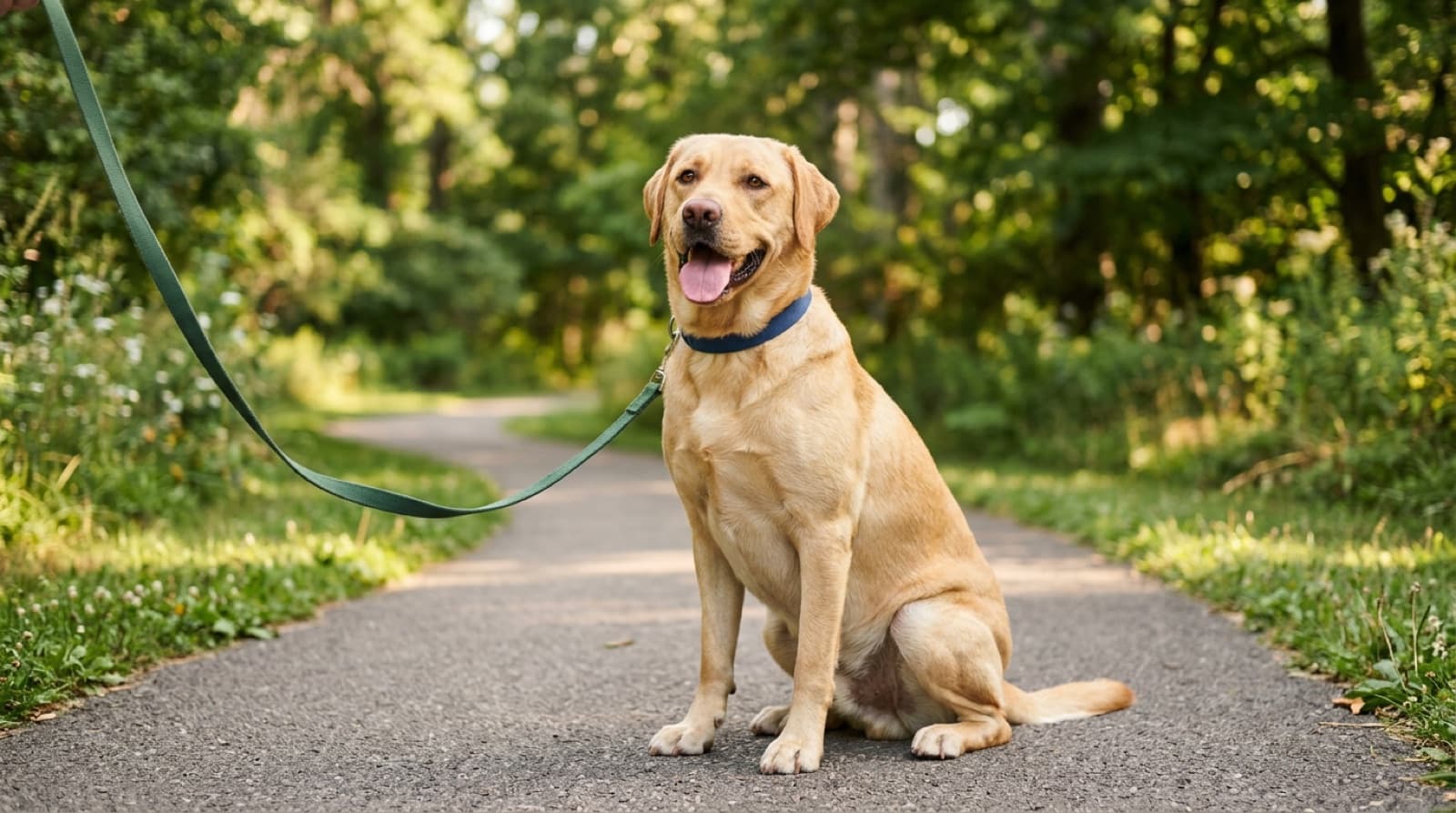
The 3-3-3 decompression principle (three days to start settling, three weeks to learn the routine, three months to fully bond) applies to Labs as it does to other rescue dogs, though Labs are often quicker on the early phases because of their default social temperament. Practical week-one priorities for an Edmonton rescue Lab:
- Establish structure immediately. Twice-daily meals at consistent times, predictable walk windows, clear house rules about furniture and counter-surfing. Labs are food-motivated and will test boundaries; clear early structure prevents bad habits forming.
- Manage the counter and the kitchen. Labs are notorious counter-surfers. Move food back from the counter edge, close the pantry, and supervise the kitchen until you know your specific dog's behaviour. Foster notes usually flag known counter-surfers.
- Start exercise at a sensible level. Two walks per day of 30 to 45 minutes covers a young adult Lab in week one. Build to off-leash work after the dog is settled and recall is tested in a fenced space first. Senior Labs may want one walk plus rest. Skip the dog park for the first three weeks; meet known dogs one-on-one instead.
- License the dog with the City of Edmonton. Required for any dog over six months under the Animal Care and Control Bylaw 21244. Tags should be visible on the collar from day one. Information is on the City of Edmonton dogs page.
- Add mental work daily. Puzzle feeders, snuffle mats, basic obedience refreshers, short scent games. Labs are smart and bore quickly; a bored Lab finds destructive jobs. Ten minutes of mental work is often worth thirty minutes of physical exercise.
- Watch ear health. Labs are prone to ear infections, especially after swims. Dry ears thoroughly after water exposure, and watch for head-shaking, scratching, or odour as early signs of infection. A vet check at the first symptom prevents an entrenched problem.
- Diet management. Labs gain weight easily and obesity is the most common preventable Lab health problem. Measure food rather than free-feeding, count training treats as part of daily calories, and use the body-condition score (you should feel ribs with light pressure) as your guide. A lean Lab lives years longer than an overweight one.
- Enrol in a training class. Most Edmonton force-free trainers run six-week group classes for $200 to $400. Even an adult Lab from rescue benefits from the structured class environment; it builds the dog-handler relationship and addresses any specific behaviour the foster flagged.
- Pet insurance enrolment. Enrol in pet insurance in the first week if possible, before any pre-existing conditions appear in vet records. The Lab risk profile (hips, elbows, ear infections, certain cancers) makes coverage genuinely worth the monthly cost for most owners. See the breed health planning approach for the general framework.
- Winter routine startup. If you adopt in winter, the cold rarely bothers Labs themselves but salt on sidewalks bothers paws. Rinse paws after walks, watch for ice-balling between toes on long river-valley walks, and keep up the exercise regardless of temperature. A bored Lab in January is destructive; a tired Lab is calm.
By week three you will see the real dog. Labs settle fast because their default temperament is social and food-motivated; both of those make the early adjustment easier. By month three the routine is established, the dog has bonded with the household, and you have the calm family Lab the breed is famous for. The adolescent surrender pattern that drives so much of Edmonton Lab intake is mostly about owners giving up before this point; if you make it past the first 90 days with consistent structure and exercise, the next 12 years are usually the dog you were hoping for.
Frequently asked questions
Where can I adopt a Labrador near me in Edmonton?
Labradors and Lab mixes are the most-listed dogs in Edmonton rescue most weeks. The highest-volume sources are SCARS (Second Chance Animal Rescue), which pulls Lab and Lab-cross dogs from northern Alberta communities, the Edmonton Humane Society, and Zoe's Animal Rescue. Alberta Homeward Hound Rescue Bureau (AHHRB), GEARS (Greater Edmonton Animal Rescue Society), and Hope Lives Here Animal Rescue list Labs and Lab mixes regularly as well. AARCS, headquartered in Calgary, tags Edmonton-area foster dogs, and Labs show up there often. Inventory rotates fast, so check current Edmonton listings before settling on a single rescue.
Why are Labradors the most-adopted breed in Edmonton rescue?
Two reasons stack. Labs are the most-popular family breed in Alberta by a wide margin, so the total population of Labs and Lab crosses living in Alberta households is enormous. When any meaningful fraction of that population enters rescue (lifestyle mismatch, life-change, breeder oversupply, northern-community surrender), the absolute numbers are large. The second reason is intake-pipeline: SCARS and similar northern-intake rescues pull a heavy share of Lab-type mixes from northern Alberta, where Labs and Lab crosses are the default farm and family dog. The combined pipeline keeps Labs at or near the top of Edmonton rescue listings most months.
How much does it cost to adopt a Labrador in Edmonton?
Edmonton rescue adoption fees for Labs typically run $400 to $700. The fee covers spay or neuter, core vaccinations (DAPP and rabies), microchip, deworming, flea and tick treatment, and a basic vet workup. Senior Labs (around eight years and up) often have reduced fees of $200 to $400 because the rescue prioritises placement. Compare that to an Alberta breeder, where pet-quality Lab puppies generally run $1,800 to $3,500 and field-bred or show lines can go higher. The rescue path is significantly cheaper and the vet work is already done.
Are Lab mixes more common than purebred Labs in Edmonton rescue?
Yes, clearly. Edmonton rescues list far more Lab crosses than purebred Labs in a typical month. The most common mixes are Lab and Shepherd, Lab and Husky, Lab and Border Collie, and Lab and Hound-type. Many northern-Alberta intake dogs are simply tagged as Lab mix when the parentage is genuinely unknown but the Lab body shape and head are obvious. Lab mixes are usually wonderful dogs that combine the Lab's social, trainable temperament with a twist from the other parent. Read the foster notes for the actual energy level, drive, and household fit of a specific dog rather than relying on the mix label.
Do black Labs wait longer for adoption in Edmonton?
Yes, and the bias has no rational basis. Black Labs in Edmonton rescue often wait two to four weeks longer than yellow or chocolate Labs of similar age and temperament. The pattern is documented across North American shelters and shows up in Edmonton intake as well. Black coats photograph less well in listing photos, and some adopters carry inherited prejudice from old folklore about black dogs. None of it reflects the dog. If you are open to a black Lab, you will have a much wider selection of available dogs in Edmonton rescue at any given time, and the dogs themselves are no different from their yellow or chocolate littermates.
How much exercise does a Labrador need in Edmonton?
Adult Labs need 60 to 90 minutes of real exercise daily, year-round. That means a brisk walk, an off-leash run in an Edmonton off-leash park, fetch, swim time in summer at one of the safer river-valley access points, or a hike. Puppies and adolescents need more mental work and less hard physical impact. Senior Labs need shorter walks plus rest. The most common Edmonton Lab surrender pattern is an under-exercised condo Lab whose owner did not understand the breed needs daily work even in January. If you cannot commit to an hour-plus of daily exercise year-round, choose a lower-energy breed.
Are Labradors good for Edmonton families with kids?
Labs are consistently one of the best family dogs by temperament: tolerant, social, trainable, and patient with children. The caution is size and energy. Young adult Labs (one to three years) are large and exuberant; an 80-pound adolescent jumping in greeting can knock down a small child without intent to harm. Most Edmonton rescues will place Labs into homes with kids of any age, but they prefer matching the dog's energy level to the household. A two-year-old high-drive Lab fits an active family; a calm five-year-old Lab fits a family with toddlers. Foster notes flag each dog's comfort with kids.
Do Labradors handle Edmonton winters?
Yes, very well. The Lab double coat is water-resistant and dense enough for cold; the breed is genuinely comfortable through Edmonton winters down to -25 C with normal acclimatisation. The bigger winter issue is exercise. Labs need their daily work regardless of temperature, and an Edmonton winter is long. Plan for indoor enrichment on the coldest days, shorter outdoor walks below -25 C, and ice-management on paws after salted-sidewalk walks. Black Labs absorb solar heat well, which is welcome in January and a problem in July; flip-side summer planning matters too.
What is the most common reason Labs end up in Edmonton rescue?
Lifestyle mismatch is the dominant reason, and it usually shows up at the one-to-three-year mark. The original owner bought or adopted a Lab puppy expecting a calm family dog and got the genuinely calm adult version only after surviving two years of adolescent Lab energy. Many do not make it through the adolescent window. Other common reasons are life-change (move, divorce, new baby, job change), breeder oversupply (puppies sold to homes that returned them), and northern-community surrender where Labs are simply common. The dogs themselves are almost always sound; the issue is usually the owner mismatch.
Should I adopt a Lab puppy or an adult in Edmonton?
Adult Labs (two to seven years) are the smartest adoption choice for most Edmonton households. They are past the destructive adolescent window, their temperament is fully visible in foster, and they bring the calm family-dog reputation Labs are famous for. Puppies adopt fastest but require the most work. Senior Labs (eight and up) make exceptional retiree-fit companions. Adolescent Labs (one to three) are often the most surrendered and adopt-out slowest because adopters fear the energy, even though many of these dogs settle beautifully with consistent exercise and training.
Related Edmonton Labrador guides
Edmonton Adoptable Dogs
Current Edmonton-area Labrador, Lab-mix, and large family-breed listings from SCARS, EHS, Zoe's, AARCS Edmonton fosters, AHHRB, GEARS, and Hope Lives Here.
Labrador Health Issues: Weight, Hips, Collapse
Labrador Retriever health issues to plan for: weight and the POMC appetite gene, hip and elbow dysplasia, exercise-induced collapse, eye disease and cancer.
What to Feed a Labrador: Food, Diet & Portions
What to feed a Labrador: how to choose a food, large-breed puppy formula, portions for a breed built to overeat, the raw-diet truth, and foods to avoid.
Labrador Water & Ice Safety Edmonton
North Saskatchewan River swim safety, lake-ice winter warnings, hypothermia in wet Labs, exercise-induced collapse around water, and where Edmonton Labs can swim safely.
Find your Edmonton rescue Labrador
Browse current Edmonton-area Labrador and Lab-mix listings. Inventory rotates fast for this breed; alerts and same-day applications win.
Browse All Edmonton Dogs →New dog? Start with these care guides
Everything a new adopter needs to set up a safe, happy home.