The short answer
Edmonton Mini Schnauzer adoption is moderate-volume work with a distinctive pancreatitis-driven surrender pattern. EHS sees the most volume. Zoe's, AARCS Edmonton fosters, AHHRB, SCARS, GEARS, and Hope Lives Here all list them less often. Fees $400 to $700; senior Minis often $200 to $400. Plan 3 to 6 months. The non-negotiables are a strict low-fat diet, grooming every 6 to 8 weeks, and pet insurance from week one. Schnoodle and Snorkie crosses appear more often than purebred Minis.
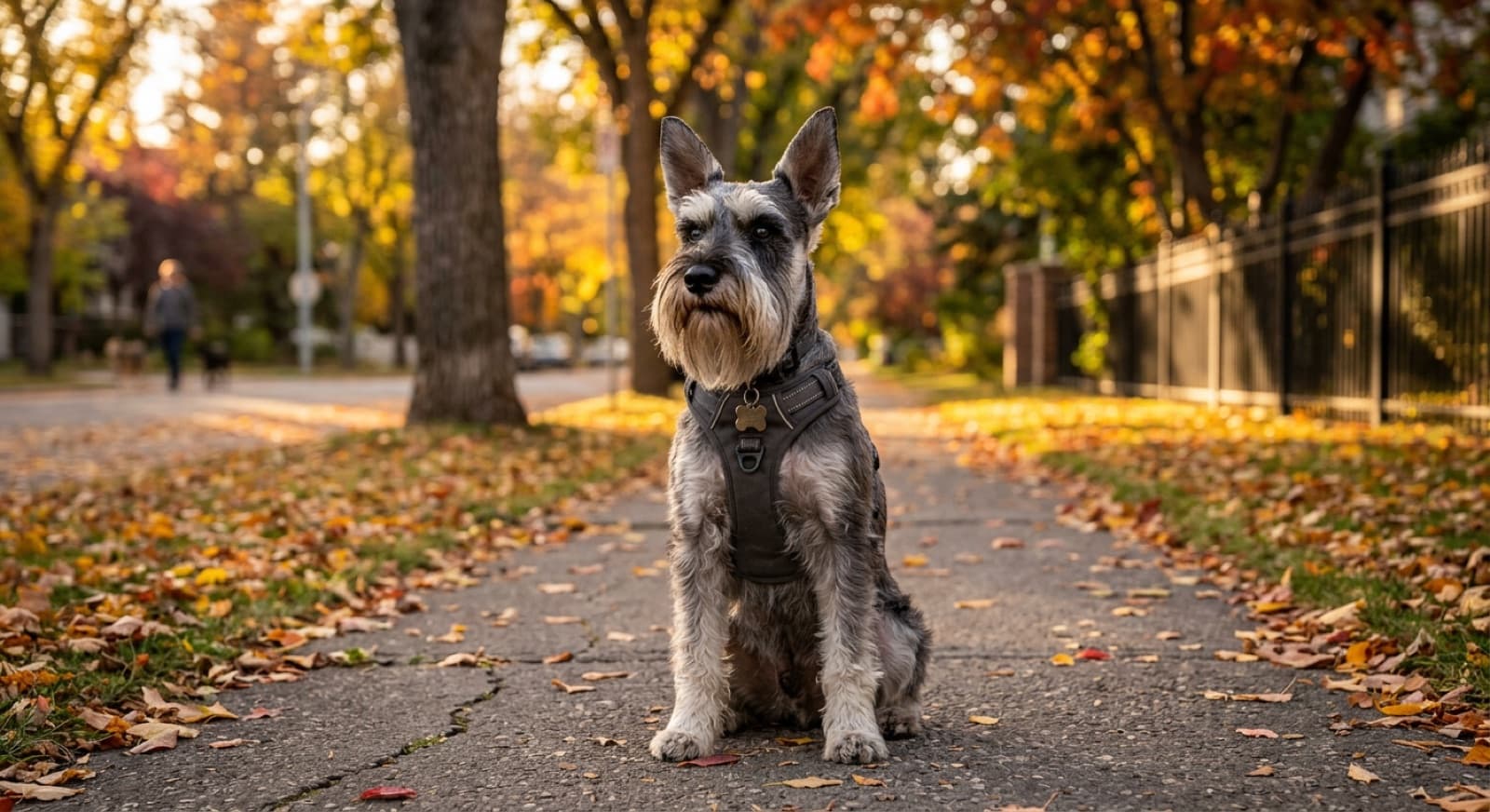
Why Mini Schnauzers surrender in Edmonton
Mini Schnauzers surrender to Edmonton rescue at a moderate but steady cadence, and the patterns are unusually breed-specific. The single dominant driver is health-related and reflects something genuinely difficult about the breed.
The first pattern is pancreatitis diagnosis. Mini Schnauzers carry the highest documented breed-level pancreatitis risk in dogs. A first acute episode often surfaces around age 5 to 8 and produces a $2,500 to $5,000 emergency vet bill: overnight hospitalisation, IV fluids, pain management, anti-nausea medication, and a careful refeeding protocol. Most owners run that bill once. A second episode within 12 months means most families realise they are looking at a lifetime of strict low-fat diet management, weight discipline, and possible recurring emergencies. A meaningful number surrender the dog at that point rather than commit to the management. The American College of Veterinary Internal Medicine publishes guidance on canine pancreatitis that Edmonton vets follow. A pancreatitis-managed Mini Schnauzer in foster care is usually the calmest, easiest dog on the listing because the foster home already runs the diet correctly.
The second pattern is allergy diagnosis in a family member. Mini Schnauzers are marketed as low-shedding hypoallergenic dogs and many families adopt one before a child develops an environmental allergy panel. When the test shows dog dander as a trigger, the family surrenders the dog rather than manage the allergy. The wiry double coat sheds less than most breeds but does shed some, and the dander load is real. Pediatric allergists and Edmonton allergy clinics see this pattern from many breeds, not just Mini Schnauzers, but the hypoallergenic marketing creates an outsized expectation gap with this one.
The third pattern is adolescent reactivity. A Mini Schnauzer raised without consistent training around 12 to 30 months begins showing alert barking, resource guarding, leash reactivity to other dogs, or stranger wariness the owner cannot manage. The breed is alert, opinionated, and quicker to vocalise than most small dogs. Without early socialisation work, the alert bark becomes a problem the household cannot live with, especially in a condo. These surrenders are heartbreaking because the dog responded normally to the genetics and is usually a strong candidate for rehab in a more structured home.
The fourth pattern is senior surrender at 10 to 13 years old, often tied to escalating dental work, Cushing's disease diagnosis (Mini Schnauzers have elevated rates), or owner downsizing into assisted living. Senior Mini Schnauzers are exceptional retiree companions because they are calm, devoted, and indoor-friendly. Edmonton rescues prioritise placement for senior small dogs and often reduce fees substantially. The retiree adopter who specifically wants a calm small companion is the right home for these dogs.
Edmonton rescues that consistently list Mini Schnauzers
Mini Schnauzer intake is moderate across the Edmonton network rather than concentrated at one rescue. The practical strategy is to monitor all the rescues that could see the breed, set up listing alerts, and apply same-day when a strong match appears. The Edmonton adopter pool moves fast on Mini Schnauzers, so a 48-hour delay can mean the dog is in adoption review with someone else.
- Edmonton Humane Society: the highest-volume Edmonton intake source and the most reliable Mini Schnauzer pipeline. Owner-surrender Minis arrive several times a month, with pancreatitis-diagnosed dogs the most common pattern. The centralised facility lets you meet the dog before applying, and the behaviour team produces detailed temperament assessments. The medical team flags pancreatitis history, dental needs, and Cushing's assessments clearly. The Edmonton Humane Society website lists current adoptables.
- Zoe's Animal Rescue: long-running Edmonton foster-based rescue with rotating intake. Mini Schnauzers appear regularly through their foster network, often as pancreatitis-managed or senior-downsizing dogs that arrived with full vet history. Zoe's temperament write-ups are thorough and the application emphasises diet commitment, grooming willingness, and prior small-breed experience.
- AARCS (Alberta Animal Rescue Crew Society): headquartered in Calgary with Edmonton-area foster homes. AARCS tags each dog with current foster location, so Edmonton-foster Mini Schnauzers surface on Edmonton listings. AARCS sees Schnauzer mixes more often than purebred Minis, with Schnoodles and Snorkies appearing several times a year. The foster write-ups are explicit about pancreatitis status, dietary requirements, and household fit.
- Alberta Homeward Hound Rescue Bureau (AHHRB): Edmonton-area foster-based rescue with rotating intake. AHHRB lists every dog as Mixed Breed on paper as a matter of policy, so Mini Schnauzers and Schnauzer crosses are identified by photo and foster description rather than a breed tag. Worth checking even if a breed search returns nothing because Mini Schnauzer-types appear in their listings under generic descriptions several times a year.
- SCARS (Second Chance Animal Rescue Society): high-volume northern Alberta rescue. SCARS sees Mini Schnauzers less often than working breeds and large mixed dogs, but Schnauzer crosses (especially Snorkies and Schnugs) appear several times a year. Foster network is wide and the temperament notes distinguish between pancreatitis-managed dogs and untested intake.
- GEARS and Hope Lives Here: smaller Edmonton foster-based rescues with limited Mini Schnauzer intake. Worth following because both occasionally take small-breed surrenders and Schnauzer crosses.
Beyond active monitoring, the practical tactic for Mini Schnauzers is to make rescues aware you are looking. A short note to the foster coordinator at EHS or Zoe's noting that you are ready for a pancreatitis-managed Mini Schnauzer and have the dietary commitment dialled in often results in being contacted directly when the next dog comes in. Rescues prioritise fit over speed, and an honest adopter with the right setup gets matched quickly.
Standard, Miniature, or Giant: knowing which Schnauzer you are looking at
The Schnauzer family is three distinct breeds, not one breed with size variations. Adopters frequently arrive at the foster meet-and-greet expecting a Mini and discover they are looking at a Standard, or vice versa. The size determines almost everything about the fit, so it is worth knowing which is which before you apply.
The Miniature Schnauzer is the small breed: 11 to 20 lb, 12 to 14 inches at the shoulder, lifespan 12 to 15 years. Originally bred down from the Standard as a German farm ratter, the Mini has the most established small-breed companion role of the three. This article is about the Mini specifically. Most Edmonton rescue Schnauzers are Minis.
The Standard Schnauzer is the original size: 30 to 50 lb, 17 to 20 inches at the shoulder, lifespan 13 to 16 years. The Standard was the original German farm and family dog, bred to hunt vermin, guard the farm, and herd small livestock. Standards are uncommon in Edmonton rescue (maybe two or three a year across the network) and require more active homes than Minis. The temperament is calmer than the Mini but the energy needs are higher.
The Giant Schnauzer is the large working breed: 55 to 90 lb, 23 to 28 inches at the shoulder, lifespan 10 to 12 years. Giants were bred from Standards crossed with larger working dogs to drive cattle and guard breweries. They are rare in Edmonton rescue (perhaps one or two a year) and need experienced handlers. The Giant is a different dog from the Mini in almost every meaningful way: drive, protection instinct, exercise needs, training requirements.
All three share the wiry coat, the beard and eyebrows, and the Schnauzer character (alert, opinionated, devoted to the family). The Canadian Kennel Club recognises all three as separate breeds. If a foster listing says simply “Schnauzer,” check the weight estimate and the foster description carefully. A 35 lb “Schnauzer” is a Standard, not a Mini, and the energy and training picture is meaningfully different.
Mini Schnauzer colour varieties
Mini Schnauzers come in four recognised colours. None of them affect health, temperament, or adoptability, but knowing the range helps adopters read foster listings and avoid being surprised at the meet-and-greet.
- Salt and pepper: the classic Mini Schnauzer colour and the most common in Edmonton rescue. Body coat is a banded grey-and-silver wiry texture, with darker grey on the back and lighter silver on the legs, beard, and eyebrows. This is the colour most people picture when they hear Schnauzer.
- Black and silver: jet-black body with sharp silver markings on the legs, beard, eyebrows, and chest. Less common than salt-and-pepper but appears regularly in Edmonton listings. The contrast is striking.
- Black: solid black coat with no silver markings. Less common than salt-and-pepper or black-and-silver but a recognised colour in the Canadian Kennel Club standard. Solid-black Minis sometimes have a small white chest patch.
- White: rare and somewhat controversial. The Canadian Kennel Club does not recognise white as a standard show colour, while some European registries do. White Minis are healthy and adoptable but breeders who specialise in the colour sometimes work outside reputable lines, which is one reason white Minis appear in rescue slightly more often than the colour's rarity would predict.
Foster listings describe the actual dog rather than chasing colour. A salt-and-pepper Mini and a black Mini from the same litter have identical temperament potential. Adopters who care about colour for aesthetic reasons should mention it in the application so the rescue can flag a match when one comes in, but treating the colour as the deciding factor narrows the pool unnecessarily.
Common Mini Schnauzer mixes in Edmonton rescue
Mixes are often more common than purebreds in Edmonton Mini Schnauzer intake. Understanding the main crosses helps adopters read foster notes and pick a dog whose profile matches their household.
- Schnoodle (Mini Schnauzer-Poodle): the most common Schnauzer mix in Edmonton rescue. Variable coat (sometimes more wiry, sometimes more curly), often lower bark drive than pure Mini, intelligent and trainable. F1 Schnoodles are larger and more Schnauzer-like; F1B Schnoodles (75 percent Poodle) are smaller and curlier. Grooming commitment is real (every 6 to 8 weeks at the groomer). Pancreatitis risk depends on the Schnauzer parent.
- Snorkie (Mini Schnauzer-Yorkie): small (8 to 14 lb), spirited, often more vocal than pure Mini because both parent breeds carry alert-bark drive. Coat varies from wiry to silky. Suits retiree adopters and apartments only if bark training starts early.
- Schnug (Mini Schnauzer-Pug): compact (15 to 20 lb), often calmer than pure Mini, with reduced exercise needs but elevated brachycephalic concerns from the Pug side. Watch for breathing issues in hot weather and during exercise. Less common in Edmonton rescue than Schnoodles or Snorkies.
- Schnauzer-Terrier mixes: often classified by the foster as generic Terrier mix and identified as part-Schnauzer by photo. Common combinations include Schnauzer-Westie, Schnauzer-Cairn, and Schnauzer-Jack Russell. Foster notes describe the actual dog because temperament varies widely.
- Mini Schnauzer-Chihuahua: appears occasionally. Usually 8 to 12 lb, can be more reactive than pure Mini due to Chihuahua territoriality, often retains the Schnauzer wiry coat.
- Mini Schnauzer-Shih Tzu: a softer profile than pure Mini, with calmer energy and a coat that needs more daily brushing because the Shih Tzu side adds length and tendency to mat.
Mix labels at intake are foster best-guess from physical appearance and any owner-provided history. The actual dog's temperament, bark level, and household fit are what the foster write-up captures, and that description is more useful than any breed label. A “Schnauzer mix” in Edmonton rescue could be 50 percent Mini or 12 percent Mini; the dog in front of you is what you are adopting.
The Schnoodle pandemic-puppy surrender wave
If you are open to a Schnauzer cross, the Schnoodle path is currently the most available Mini-Schnauzer-adjacent option in Edmonton rescue. Schnoodles emerged in the 2018 to 2022 designer-dog wave, marketed as low-shedding intelligent family companions with Schnauzer character and Poodle trainability. Many of those puppies are now 3 to 6 years old and surrendering to Edmonton rescues at meaningful volume. The wave is smaller than the Bernedoodle or Pyredoodle surge but real.
The surrender drivers are predictable. First, adult size sometimes surprised owners who expected a small lap dog and got a 25 to 40 lb Standard Schnoodle (because the Schnoodle marketing rarely specified whether the Schnauzer parent was Mini or Standard). Second, grooming costs ran higher than expected because the Schnoodle coat mats more than a Mini coat and needs $90 to $150 every 6 to 8 weeks at the groomer plus near-daily home brushing. Third, the Schnauzer-side alert-bark drive still showed through in many F1 Schnoodles, contradicting the calm-Poodle-mix marketing. Fourth, the adolescent 12 to 24 month window produced behaviour challenges that caught owners off guard, particularly leash reactivity and selective listening.
F1 Schnoodles (50 percent Schnauzer, 50 percent Poodle) and F1B Schnoodles (75 percent Poodle, 25 percent Schnauzer) both appear in Edmonton rescue intake. F1B dogs are smaller, more athletic, more Poodle-like in coat, and shed less. F1 dogs retain more Schnauzer character including the bark drive. F2 generations (Schnoodle-Schnoodle) are rarer and have more variable coats. None of the generation labels guarantee a specific temperament; the foster write-up of the actual dog matters more than the label.
Schnoodle pancreatitis risk depends on the Schnauzer parent's history. F1 Schnoodles inherit roughly half the Mini Schnauzer pancreatitis risk profile. F1B Schnoodles inherit less. Either way, a low-fat diet from week one is the safe default for any adopted Schnoodle until you have a clean lipase and triglyceride baseline from your Edmonton vet. Pet insurance enrolled at adoption is genuinely valuable for the breed group.
What an Edmonton rescue Mini Schnauzer actually costs
Edmonton rescue adoption fees for Mini Schnauzers generally land between $400 and $700. Senior Mini Schnauzers (9 plus years) are often listed at $200 to $400 because the rescue prioritises placement for senior small dogs. Pancreatitis-managed Minis sometimes have reduced fees in exchange for an adopter who commits to the diet and ongoing care. The fee is a recovery on costs the rescue has already incurred. A typical Mini Schnauzer adoption fee covers:
- Spay or neuter surgery. Standalone, this runs $400 to $650 at an Edmonton vet clinic for a small-breed dog.
- Core vaccinations. DAPP and rabies at minimum. Bordetella is often included if the dog has been boarded.
- Microchip implant and registration. Required for licensed dogs in Edmonton.
- Deworming and flea and tick treatment. Standard intake processing.
- Basic vet workup. Physical exam, dental assessment (Mini Schnauzers are prone to plaque and gingivitis), and a behaviour assessment from the foster home.
- Pancreatitis screening. Many Edmonton rescues run a baseline lipase test and triglyceride panel for adult Mini Schnauzers, especially those surrendered with no medical history.
Stacked at retail Edmonton vet pricing, those services cost $900 to $1,500 for a rescue intake. The rescue fee is a partial recovery.
Beyond the fee, plan on ongoing Mini Schnauzer costs of $2,000 to $3,500 a year for a healthy adult. Quality lower-fat food runs $55 to $80 a month. Professional grooming every 6 to 8 weeks at $70 to $110 adds $500 to $900 a year. Routine dental cleanings under anaesthesia run $600 to $1,200 every 1 to 2 years (the breed accumulates plaque quickly). Pet insurance for a young healthy Mini Schnauzer in Edmonton runs $40 to $75 a month and climbs with age, often reaching $120 a month by age 9. The pancreatitis risk alone usually makes the insurance math reasonable. The American Animal Hospital Association publishes preventive care guidelines that align with what Edmonton clinics recommend.
For comparison, a Mini Schnauzer puppy from an Alberta breeder runs $1,200 to $2,500, with health-tested parents being more expensive. The breeder puppy comes with health testing and known pedigree but with none of the spay or neuter work, vaccinations, microchip, dental assessment, or pancreatitis screening that a rescue Mini already has. The cost gap to the rescue path is significant.
The pancreatitis adoption reality
Adopting a Mini Schnauzer means accepting the pancreatitis risk and building the home routine that minimises it. A rescue dog with no pancreatitis history is still a Mini Schnauzer, and the breed risk is real whether the dog has had an episode or not. A pancreatitis-managed rescue dog comes with a clear care plan and is often easier to adopt confidently because the management is already established.
The non-negotiables for any Mini Schnauzer home: a low-fat commercial diet (ideally a prescription pancreatitis formula or a quality veterinary therapeutic diet), no fatty table scraps ever, no holiday ham or turkey skin, no pizza crusts, no bacon, no cheese as training treats. Weight discipline matters because obesity increases pancreatitis episode rates and severity. Training treats should be lean, small, and counted toward the daily caloric total. The ACVIM consensus guidance on canine pancreatitis is what Edmonton vets follow, and it is worth reading before adoption.
Pet insurance from week one is genuinely essential for the breed. Any condition diagnosed before enrolment is pre-existing and excluded, so timing matters. A young healthy Mini Schnauzer enrolled in week one is fully covered for any future pancreatitis episode. A dog enrolled six months in after a first episode is not. Several Canadian pet insurers cover Mini Schnauzers without breed-specific exclusions; quote two carriers and ask explicit questions about pancreatitis coverage.
For deeper management strategies, see our companion Mini Schnauzer Pancreatitis Diet Edmonton guide, which covers diet selection, weight discipline math, emergency episode recognition, and the lifelong care plan.
Edmonton Mini Schnauzer adopter readiness check
Before applying, work through this honestly. Most failed Edmonton Mini Schnauzer placements come back to one or two of these questions not being answered before the dog moves in.
- Low-fat diet commitment? The single most important question. The whole household needs to be on board with no fatty table scraps, no holiday food shares, no cheese training treats. Kids and visiting family need to know the rule. Adopters who hesitate here should consider a different breed.
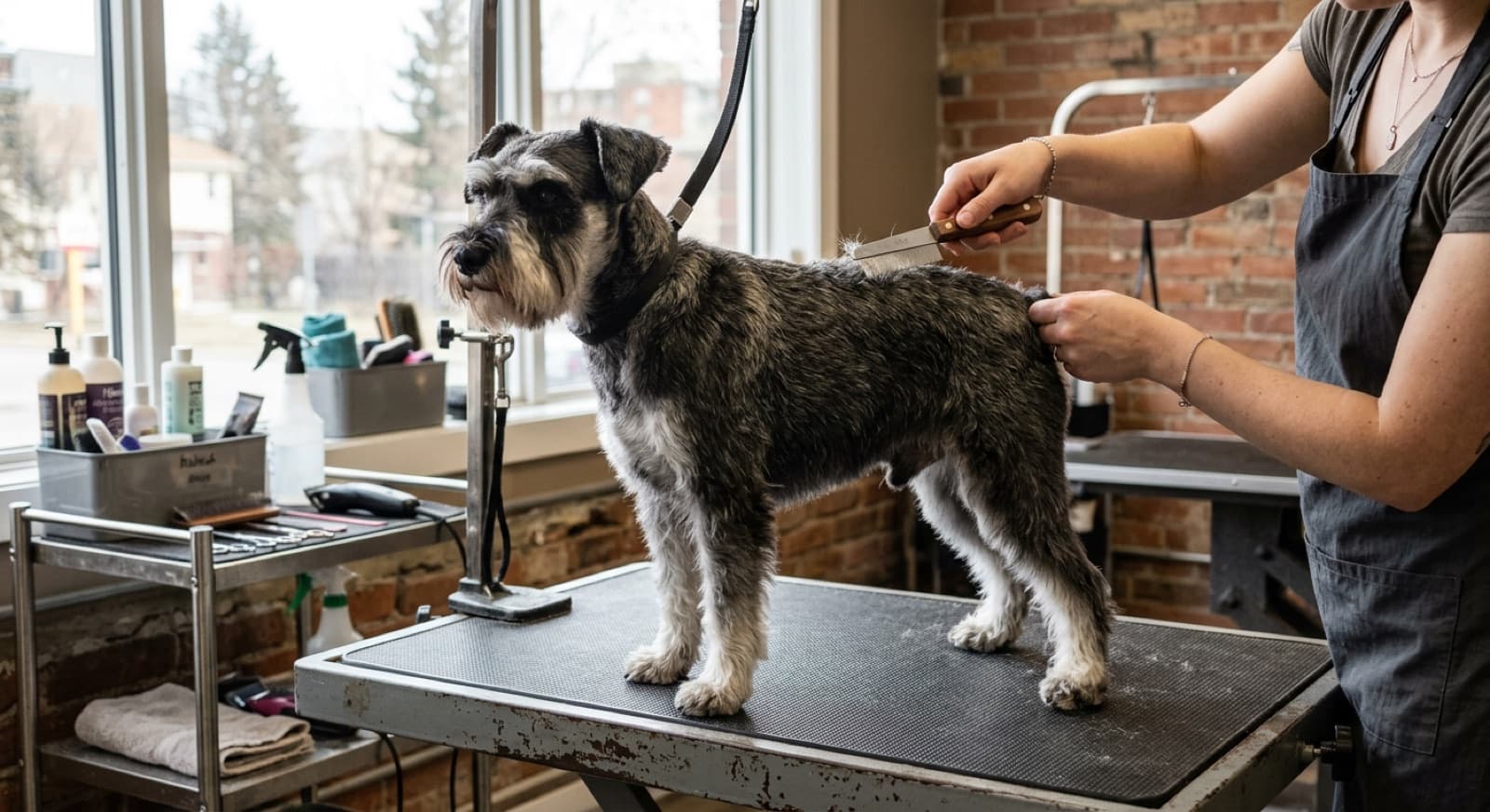
- Grooming routine in place? Every 6 to 8 weeks at a professional groomer ($70 to $110) plus weekly home brushing plus beard cleaning a few times a week. Identified groomer near home, budget for the year, and willingness to learn beard maintenance.
- Pet insurance plan ready before adoption? Quotes from two carriers, comfortable monthly premium, understanding that pre-existing conditions (including the breed's pancreatitis if the dog has a history) are excluded.
- Emergency fund? A $3,000 to $5,000 emergency fund covers a pancreatitis hospitalisation. Insurance reimburses after the fact but the bill needs to be paid at intake. Adopters without an emergency fund should build one before adopting.
- Apartment or condo bark tolerance? Mini Schnauzers are alert and vocal. In a shared building, bark training starts week one and neighbour communication helps. Detached homes have more tolerance margin. Strata bylaws should be checked before applying.
- Calm structured household? Mini Schnauzers thrive on predictable routines and clear house rules. Chaotic households with revolving visitors, frequent guests, or inconsistent schedules can amplify the breed's reactivity.
- Children old enough to follow rules? Calm older kids (six and up) who can follow the no-food-sharing rule and respect the dog's space. Households with toddlers sometimes get matched with a different breed or a specific Mini whose foster confirms toddler-tolerance.
- Edmonton vet identified? Ideally one experienced with Mini Schnauzer pancreatitis management. Several Edmonton clinics see Minis regularly and have established protocols. Ask about caseload at the first appointment.
- Schedule for a small companion dog? Mini Schnauzers do not need long exercise sessions but they need company. Long-hours-out-of-house schedules sometimes work for senior Minis who sleep most of the day, but rarely for adolescents who need engagement.
- Patience with adolescent alert barking? Mini Schnauzers go through a 12 to 24 month adolescent window where the alert bark drive becomes much more apparent. Adopters who can absorb this with force-free training and clear cues do much better than adopters who try to suppress the bark with aversive methods.
If most of these check out, you are a strong candidate. If a few do not, the rescue may steer you toward a senior Mini whose pancreatitis is already managed or a Schnoodle whose bark drive is lower, or recommend you wait until your household setup is ready. Either way, honesty in the application strengthens it.
Browse adoptable Edmonton Mini Schnauzers and Schnauzer mixes
Mini Schnauzers and Schnauzer crosses appear in Edmonton intake several times a month through EHS, Zoe's, AARCS Edmonton fosters, AHHRB, SCARS, GEARS, and Hope Lives Here. Pancreatitis-managed dogs are often the easiest matches because the diet and routine are already established. Foster temperament notes distinguish bark-prone profiles from calmer companions.
See Edmonton Adoptable Dogs →What Edmonton rescues evaluate for Mini Schnauzer placement
Edmonton Mini Schnauzer applications are screened carefully because the breed's specific care needs create predictable failure modes. A Mini Schnauzer re-surrendered after six months because the family kept feeding it pizza is harder to place the second time, so the rescue puts real effort into matching the dog to a realistic home.
The eight criteria most Edmonton rescues weigh for Mini Schnauzer placement:
- Dietary commitment. The first question. Adopters who articulate the low-fat diet plan and identify a specific food brand are screened in. Adopters who say “we will figure it out” are screened down.
- Grooming plan. Identified groomer, budget understanding, willingness to do beard cleaning at home between appointments.
- Insurance plan. Quotes in hand, comfortable monthly premium, understanding of pre-existing condition rules.
- Emergency fund. Specific numbers in the application read better than vague reassurances. A $3,000 to $5,000 emergency fund earmarked for veterinary costs is the realistic floor for the breed.
- Housing type and bark tolerance. Apartment dwellers need to confirm bark training willingness and strata bylaw compatibility. Detached homes have more margin.
- Prior small-breed experience. Not required but valued. First-time small-breed adopters do better with a senior Mini whose management is already established than with an adolescent.
- Household stability. Calm structured routines, predictable mealtimes, clear food rules across all household members. Visiting family briefed on the no-table-scraps rule.
- Vet identified. Most Edmonton rescues will ask whether you have a vet relationship already, and bonus points if that vet has Mini Schnauzer experience.
Specificity wins applications. If you have already chosen the prescription diet brand, say so. If you have a groomer booked for the first appointment, say so. If you have insurance quotes from two carriers, say so. Rescues are not looking for a perfect adopter; they are looking for an honest adopter whose situation matches the dog in front of them.
How to apply for an Edmonton Mini Schnauzer adoption
Most Edmonton rescues run their Mini Schnauzer adoption process online. The typical sequence:
- Find a specific dog you want to apply for. Edmonton rescues apply per-dog rather than maintaining a general waitlist. Browse current listings and identify a specific Mini Schnauzer or Schnauzer cross whose foster notes match your household. Read the entire write-up, including pancreatitis history, diet plan, behaviour assessment, and any medical notes.
- Confirm diet, grooming, and insurance plan BEFORE applying. Identify the food brand you will use. Book the first grooming appointment. Request pet-insurance quotes from two carriers. This preparation strengthens the application and prevents week-one scrambling.
- Complete the online application. Expect 30 to 60 minutes for a thorough Mini Schnauzer application. Have your household routine, food brand choice, identified groomer, insurance plan, your vet's name if you have other pets, and two non-family references ready.
- Phone screen with the foster. If the application clears the first review, the dog's foster home will call you. This conversation decides most applications. Be honest about prior breed experience, pancreatitis understanding, household composition, and any concerns. Foster homes look for honesty and realism.
- Home check (some rescues). Several Edmonton rescues do in-person or video home checks for adopters without prior small-breed experience. They will look at the kitchen setup (to confirm food rules are realistic), the indoor space, and any other dogs or cats.
- Meet-and-greet. Either at the foster's home, a neutral location, or the rescue facility. If you have other dogs, the dog-dog introduction happens on neutral ground first.
- Reference checks. Most Edmonton rescues call two references, including any prior vet if you have other pets. Give your references a heads-up so they pick up.
- Adoption contract and fee. Standard contracts specify the dog must be returned to the rescue if you can no longer keep them. Mini Schnauzer contracts sometimes include clauses about maintaining the prescribed diet and reporting any pancreatitis episodes back to the rescue.
Realistic timeline from application to dog-in-your-house is 2 to 4 weeks for a Mini Schnauzer placement. The wait is the verification process doing its job. The realistic timeline from starting your search to bringing a dog home is 3 to 6 months because of moderate intake and the breed's specific matching considerations.
The first 30 days with an Edmonton rescue Mini Schnauzer
The 3-3-3 decompression principle applies to every rescue dog. With Mini Schnauzers the first three days are about quiet safety, dietary stability, and learning the household routine. The first three weeks are about diet baseline, grooming intro, and bark management baseline. The first three months are about the real temperament emerging as the dog learns the household is theirs.
Shelter-stressed Mini Schnauzers often present quieter than the dog they actually are. The breed is alert and opinionated, and the real personality usually shows up in week two or three. The bark drive often emerges later than the calm temperament does.
Practical week-one priorities for an Edmonton rescue Mini Schnauzer:
- Continue the foster diet for the first 7 to 10 days. Sudden food changes trigger digestive upset and, for this breed, can trigger a pancreatitis flare. Switch to your chosen low-fat formula gradually over 7 to 10 days by mixing increasing proportions.
- Brief every household member on the food rules. No table scraps, no pizza crusts, no cheese, no bacon, no holiday food shares, no “just a little bit”. Kids especially need the no-share rule explained. Adopters who skip this step often regret it within months.
- Book the first grooming appointment for week three or four. Decompression first, grooming second. Identified groomer, calm intro visit if possible. Most Edmonton groomers are happy to do a short meet-and-greet before the first full appointment.
- Schedule the vet introduction within the first 14 days. Physical exam, pancreatitis baseline (lipase test and triglyceride panel if not already done by the rescue), dental assessment, and any vaccination follow-up. Establish the relationship before anything urgent comes up.
- Enrol pet insurance in week one. Any condition that appears after enrolment is covered; anything diagnosed before is pre-existing and excluded. The pancreatitis risk alone usually justifies the premium.
- License the dog with the City of Edmonton. Required for any dog over six months. Tags should be visible on the collar from day one. Information is on the City of Edmonton dogs page.
- Start bark training early but realistically. The goal is not to eliminate the alert bark. The goal is to acknowledge the alert (“thank you, good dog”) and redirect when the alert continues past the trigger. Force-free methods work; aversive bark collars backfire with this breed.
- Establish a calm routine. Twice-daily meals at consistent times, predictable walk windows, and clear house rules. Mini Schnauzers settle into structure deeply once it is established.
- Light exercise only in week one. Short leashed walks around the neighbourhood rather than long-distance hikes. The dog needs to learn the route and your handling style. Twenty minutes of walking plus indoor settling is a starting point.
- Daily brushing in the first two weeks. Builds trust, lets you check for lumps and skin issues, and starts the coat-management routine you will need year-round. Mini Schnauzers tolerate brushing well when introduced calmly.
- Beard cleaning a few times a week from day one. Food and water collect in the beard. A damp cloth wipe-down after meals prevents matting and skin irritation around the mouth.
- Hold off on the dog park. Not for the first month at minimum, and longer if foster notes flag dog reactivity. The stimulation and dog density are too much for a still-decompressing rescue Mini, and the breed's alert drive can read other dogs as targets.
By week three, the alert watchful Mini Schnauzer temperament starts settling in. By month three, the dog has accepted the household routine, the diet is dialled in, the grooming rhythm is established, and the foster-write-up dog is the dog living in your house. For Mini Schnauzers, this is when the deep family-bonded devotion emerges, and the work of the first 30 days pays off.
Frequently asked questions
Where can I adopt a Mini Schnauzer near me in Edmonton?
Mini Schnauzers turn up in Edmonton rescue intake several times a month across the local network, more often than Yorkies and less often than Dachshunds. The Edmonton Humane Society sees the most volume through urban owner surrender. Zoe's Animal Rescue lists Mini Schnauzers and Schnauzer mixes regularly through their Edmonton foster network. AARCS Edmonton-fostered dogs include Mini Schnauzers and Schnauzer crosses several times a year. SCARS, AHHRB, GEARS, and Hope Lives Here all see them less often but real. The Miniature Schnauzer Club of Canada rescue committee adds another pathway for serious adopters. Plan a 3 to 6 month timeline for a specific dog. Schnauzer crosses (Schnoodle, Snorkie, Schnug) appear more often than purebred Minis.
How much does it cost to adopt a Mini Schnauzer in Edmonton?
Edmonton rescue adoption fees for Mini Schnauzers typically run $400 to $700, including spay or neuter, vaccinations, microchip, and deworming. Senior Mini Schnauzers (around 9 years and up) often have reduced fees of $200 to $400 because the rescue prioritises placement for senior small dogs and retiree adopters match well. Pancreatitis-managed dogs sometimes have reduced fees in exchange for an adopter who commits to the diet and the ongoing care. Compare to a Mini Schnauzer puppy from an Alberta breeder at $1,200 to $2,500. Ongoing costs include grooming every 6 to 8 weeks ($70 to $110), a quality low-fat diet ($55 to $80 a month), and pet insurance ($40 to $75 a month for a young healthy adult, climbing with age).
Why are Mini Schnauzers so often surrendered for pancreatitis?
Mini Schnauzers carry the highest documented breed-level pancreatitis risk in dogs. The combination of hyperlipidemia (elevated blood fats), idiopathic pancreatitis episodes, and dietary indiscretion intolerance means a Mini Schnauzer who got into the holiday ham can end up in emergency overnight with a $2,500 to $5,000 vet bill. Recurrent episodes mean a lifelong strict low-fat diet, weight management, and avoiding fatty table scraps. Many owners discover the diagnosis at the first emergency, run the bill once or twice, then surrender the dog rather than commit to the lifelong management. Edmonton rescues see this pattern almost every month, and a pancreatitis-managed Mini Schnauzer in foster care is often the calmest, best-behaved dog on the listing.
Standard, Miniature, or Giant Schnauzer: which is this article about?
This article covers the Miniature Schnauzer specifically. The Schnauzer family has three sizes: the Standard Schnauzer (medium, 30 to 50 lb), the Miniature Schnauzer (small, 11 to 20 lb), and the Giant Schnauzer (large, 55 to 90 lb). All three share the wiry beard-and-eyebrows look but are distinct breeds with different temperaments, energy levels, and adoption profiles. Mini Schnauzers are the most common in Edmonton rescue by a wide margin. Standards are uncommon and Giants are rare. If you see a listing tagged simply as “Schnauzer,” check the foster weight estimate because the size determines almost everything about fit.
What colours do Mini Schnauzers come in?
Four recognised colours: salt and pepper (the most common, classic grey-and-silver wiry coat), black and silver (black body with silver legs and beard), pure black, and pure white. Salt-and-pepper Minis fill most rescue listings. Black-and-silver and pure black are less common but appear regularly. Pure white Mini Schnauzers are rare and somewhat controversial in some kennel club registries, with the Canadian Kennel Club not recognising white as a standard show colour while other registries do. None of the colour variations affect health, temperament, or adoptability. Foster notes describe the actual dog rather than chasing a colour preference.
What are Schnoodles, Snorkies, and Schnugs, and why are they in Edmonton rescue?
Schnoodle is a Schnauzer-Poodle cross. Snorkie is a Schnauzer-Yorkie cross. Schnug is a Schnauzer-Pug cross. Schnoodles surged in popularity from 2018 through 2022 as designer-mix purchases marketed as low-shedding intelligent family companions. Many of those puppies are now 3 to 6 years old and surrendering to Edmonton rescues at meaningful volume, smaller than the Bernedoodle or Pyredoodle waves but real. Snorkies and Schnugs appear less often but follow the same pattern. The mixes often soften the Schnauzer bark drive and sometimes reduce the pancreatitis risk, though both depend on the Schnauzer-side genetics. Read foster temperament notes carefully; first-generation crosses vary widely.
Are Mini Schnauzers good with kids?
Generally yes with calm older kids (six and up). Mini Schnauzers are sturdier than Yorkies or Maltese and handle reasonable child interaction well. The breed can be alert and protective, which sometimes presents as snappy when startled or cornered, so households with toddlers benefit from foster notes that specifically address child tolerance. Most Edmonton rescues will place Mini Schnauzers into homes with kids over five or six when the foster confirms the dog is child-comfortable. Households with very young children sometimes get matched with a different small breed; this is fit work, not rejection.
Do Mini Schnauzers handle Edmonton winters?
Better than most small breeds. The wiry double coat is genuinely weatherproof and the body shape is sturdier than a Yorkie or Chihuahua. Most Mini Schnauzers walk happily through normal Edmonton winter conditions without a coat above -15 C. Below -20 C a fitted coat or sweater helps, and below -25 C plan on very short bundled outings plus indoor play. Watch the beard for ice formation after walks (a quick wipe-down at home), and watch paw pads for salt irritation. Salted Edmonton sidewalks bother Mini Schnauzer paws less than they bother very small toy breeds because the dog is heavier on each paw.
How much grooming does a Mini Schnauzer need?
The wiry double coat needs grooming every 6 to 8 weeks at a professional groomer. A standard pet clip runs $70 to $110 in Edmonton and produces the recognisable Schnauzer silhouette: trimmed body, full beard and eyebrows, defined skirt. Between professional appointments plan on weekly brushing (15 to 20 minutes) plus beard cleaning a few times a week because food and water collect in the beard. The proper show coat is hand-stripped, which preserves the wiry texture and weatherproofing; most Edmonton pet Mini Schnauzers are clipped because hand-stripping costs more, takes longer, and is rare among local groomers. Skipping grooming leads to matted coat, skin issues, and beard infections. This is a moderate but real lifelong commitment.
What if I see a free Mini Schnauzer on Kijiji Edmonton?
Treat free or low-fee Mini Schnauzer listings with caution. Common patterns are owners bypassing formal rescue surrender (often after a pancreatitis diagnosis, with no behavioural or dietary disclosure), backyard breeders using free as a hook before the price reveals at pickup, and flippers collecting free small-breed dogs to resell at $800 to $1,500 with fabricated backstories. Mini Schnauzers are a frequent flipper target because of the breed's established adopter demand. A legitimate owner-rehoming with a modest fee can be fine, but verification matters: ask for vet records (especially any pancreatitis or hyperlipidemia history), see the dog in its current home, and ask blunt questions about why the dog is being rehomed. If answers are rushed or vague, walk away. The Canadian Anti-Fraud Centre tracks fraudulent pet rehoming reports.
How long does Edmonton Mini Schnauzer adoption take?
Realistically 3 to 6 months from starting your search to bringing a specific dog home. Mini Schnauzer intake is moderate rather than rare, but the rescue is thoughtful about matching pancreatitis-managed dogs to adopters who can commit to the diet. Senior Mini Schnauzers (9 years and up) often adopt faster than adolescents because retiree adopters specifically want a calm, low-energy small dog and a senior Mini Schnauzer is exactly that. Adolescent Minis (1 to 3 years) with bark or reactivity flags sometimes wait longer. Once you find a specific dog and apply, expect 2 to 4 weeks for application review, foster phone screen, meet-and-greet, and reference checks.
Related Edmonton Mini Schnauzer guides
Edmonton Adoptable Dogs
Current Edmonton-area Mini Schnauzer, Schnauzer mix, Schnoodle, Snorkie, and Schnug listings from EHS, Zoe's, AARCS Edmonton fosters, AHHRB, SCARS, GEARS, and Hope Lives Here.
Mini Schnauzer Health Issues Edmonton
Pancreatitis depth, hyperlipidemia, bladder stones, Cushing's disease, dental disease, hereditary cataracts, anaesthesia considerations, and Edmonton specialty vet access.
Mini Schnauzer Pancreatitis Diet Edmonton
Diet selection, weight discipline math, emergency episode recognition, lifelong care planning, and the food rules every household member needs to follow.
Mini Schnauzer Grooming Edmonton
Hand-stripping vs clipping decision, the 6 to 8 week schedule, beard maintenance, Edmonton groomer landscape, and at-home tools for weekly brushing.
Find your Edmonton rescue Mini Schnauzer
Browse current Edmonton-area Mini Schnauzer, Schnauzer mix, and Schnoodle listings. Foster temperament notes help you find the right match for your household routine, diet commitment, grooming readiness, and bark tolerance.
Browse All Edmonton Dogs →New dog? Start with these care guides
Everything a new adopter needs to set up a safe, happy home.