The short answer
Mini Schnauzers are defined by internal medicine. Pancreatitis is the breed-defining condition. Idiopathic primary hyperlipidaemia is a breed-specific predisposition that drives the pancreatitis risk. Calcium oxalate bladder stones, diabetes mellitus, and Cushings disease round out the chronic picture. Lifelong low-fat diet (ideally a prescription veterinary therapeutic diet), annual fasting lipid panel, annual urinalysis, and senior-from-eight Cushings screening are the breed-standard care plan. Pet insurance enrolled in week one is essentially mandatory; the lifetime claim math reliably exceeds premiums. The American College of Veterinary Internal Medicine credentials the specialty.
The Mini Schnauzer health picture, briefly
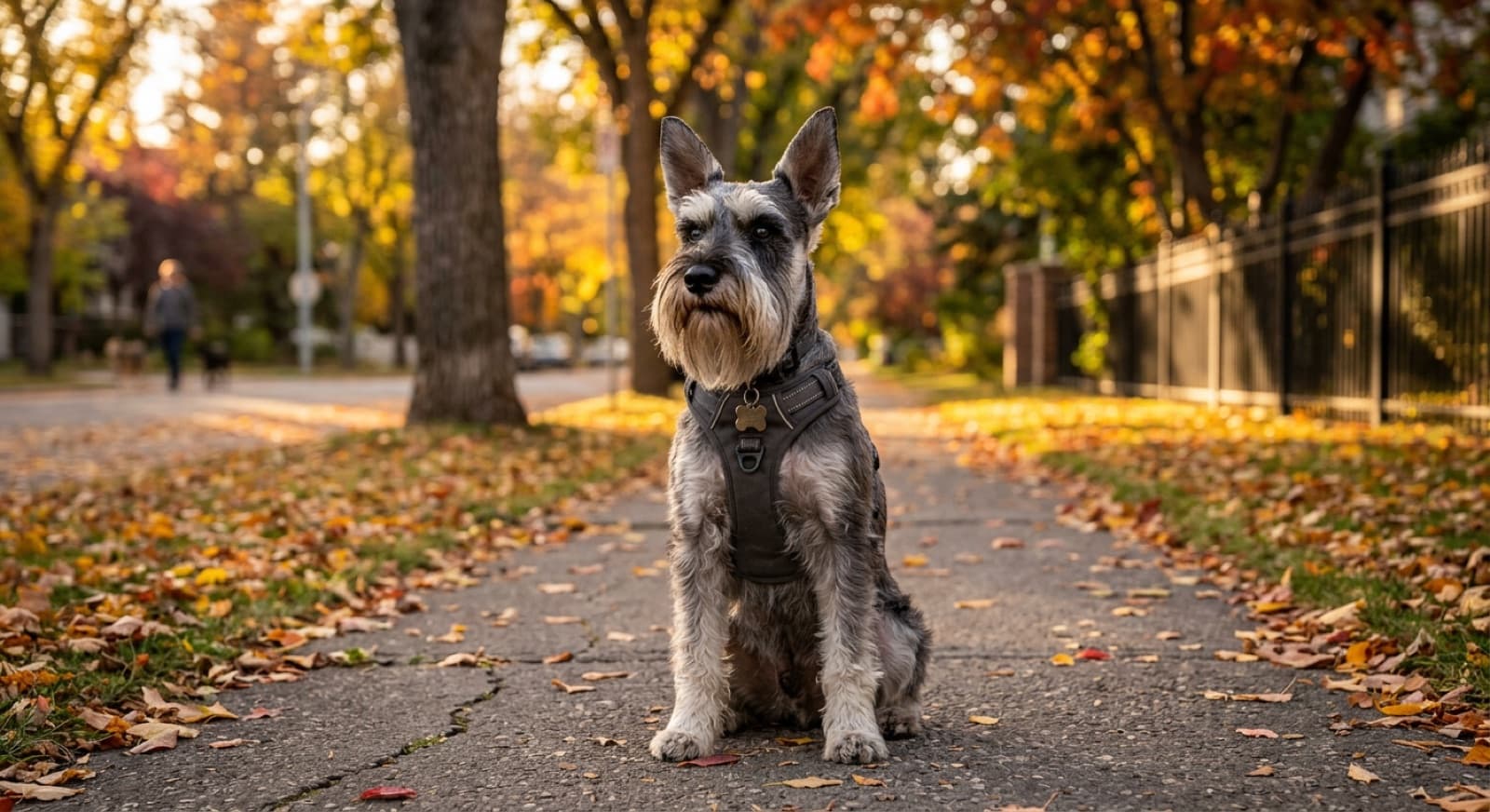
Mini Schnauzers are a small breed with an unusual health profile. Where most small breeds are dominated by dental disease, patellar luxation, and tracheal collapse, the Mini Schnauzer health picture is dominated by internal medicine: pancreatic, urinary, and endocrine conditions that stack across the lifespan. The breed-defining condition is pancreatitis, with one of the highest documented predispositions of any breed in the veterinary literature. The reason is at least partly genetic, running through a breed-specific tendency toward elevated blood triglycerides (idiopathic primary hyperlipidaemia) that creates the metabolic context for pancreatic inflammation.
The chronic conditions extend beyond pancreatitis. Calcium oxalate bladder stones appear at one of the highest rates of any breed, with most affected dogs developing their first stone episode in middle age and many experiencing recurrence. Diabetes mellitus is elevated in the breed, particularly in dogs with a history of pancreatitis. Cushings disease (hyperadrenocorticism) appears at moderate-to-high rates in older Mini Schnauzers and is one of the most common endocrine conditions in the breed. Hypothyroidism is also common. Liver shunts (portosystemic shunts) appear at moderate prevalence and are usually identified in young dogs. The breed-specific skin condition called schnauzer comedo syndrome produces dorsal blackheads but is usually cosmetic.
Cardiac concerns include congenital pulmonic stenosis (a moderate-prevalence breed-noted condition) and sick sinus syndrome in older dogs. Eye conditions include progressive retinal atrophy and cataracts, with diabetic cataracts particularly fast-developing once diabetes is established. The 12 to 14 year median lifespan is solid for a small breed, but the chronic-disease load means lifetime vet costs are predictable and material. Week-one pet insurance enrolment is the single highest-leverage health decision; the cancer math is light, but the internal-medicine math reliably exceeds premiums. The American Animal Hospital Association publishes general pet insurance evaluation guidance that applies to Canadian providers.
Pancreatitis: the defining Mini Schnauzer condition
Pancreatitis is the condition every Mini Schnauzer owner needs to understand thoroughly. The pancreas is a small organ tucked behind the stomach that produces digestive enzymes and hormones (including insulin). In pancreatitis, those digestive enzymes activate prematurely inside the pancreas itself, producing inflammation that ranges from mild and self-limiting to severe and life-threatening necrotising disease.
Acute pancreatitis presentation
Acute pancreatitis usually appears suddenly. The classic presentation: a previously normal dog becomes lethargic, refuses food, starts vomiting (often repeatedly), and shows abdominal pain. The pain often produces a praying posture, with forelimbs stretched forward, elbows on the ground, and hindquarters raised. Some dogs develop diarrhoea, sometimes with blood. Fever is variable. In severe cases the dog progresses to dehydration, shock, and multi-organ failure. The trigger is often a high-fat meal (table scraps, a stolen barbecue, a fatty treat), but in Mini Schnauzers the underlying hyperlipidaemia means some episodes occur without any obvious dietary trigger.
Diagnosis: cPLI is the gold standard
Diagnosis combines clinical signs with bloodwork and imaging. The canine pancreatic lipase immunoreactivity test (cPLI, sometimes run as the Spec cPL) is the gold-standard blood test, with high sensitivity and specificity for pancreatic inflammation. Older lipase and amylase tests are non-specific and largely outdated. Abdominal ultrasound (when available) shows pancreatic enlargement, fluid around the pancreas, and mesenteric changes. A baseline CBC and chemistry panel rules out other causes and assesses dehydration and organ function. The cPLI is the test to ask for by name if pancreatitis is suspected; lipase alone is not sufficient.
Treatment: hospitalisation and supportive care
Treatment of acute pancreatitis is supportive: IV fluids to correct dehydration, anti-nausea medication (maropitant or ondansetron), pain control (often an opioid), and careful re-feeding once vomiting has stopped. Most cases stabilise within 24 to 72 hours of hospitalisation. Cost at an Edmonton clinic runs $1,500 to $3,000 for a routine hospitalised case, climbing to $3,000 to $5,000 for severe cases requiring intensive care, plasma transfusion, or extended monitoring. Mild cases caught early can sometimes be managed as outpatient cases with subcutaneous fluids and oral medications, but most veterinarians prefer hospitalisation for adequate fluid support and pain control.
Chronic pancreatitis and the lifelong diet
Chronic pancreatitis is the longer-term concern. Repeated subclinical episodes progressively damage pancreatic tissue, and the cumulative damage can lead to diabetes mellitus (loss of insulin-producing beta cells) or exocrine pancreatic insufficiency (inability to produce digestive enzymes). Many Mini Schnauzers carry a low-grade chronic pancreatitis picture without obvious episodes, identified incidentally on bloodwork or ultrasound.
Lifelong management is a strict low-fat diet. The standard recommendation is a prescription veterinary therapeutic low-fat diet, typically running 8 to 12 percent fat on a dry matter basis (compared to 15 to 25 percent in most maintenance diets). No high-fat treats, no table scraps, no peanut butter, no cheese, no bacon, no fatty meats. Approved treats are low-fat options: small pieces of cooked chicken breast, carrot, green bean, or commercial low-fat training treats. The discipline is genuinely lifelong; even occasional dietary lapses can trigger a new pancreatitis episode and a fresh hospitalisation bill. For the detailed feeding plan, the rotation across reduced-fat formulas, transition protocols, and treats that work in real-world Edmonton households, see our sibling Mini Schnauzer pancreatitis diet article. The American College of Veterinary Surgeons governs the soft tissue surgical specialty that handles pancreatic complications when they occur.
Hyperlipidaemia: the Mini Schnauzer metabolic signature
Mini Schnauzers carry a breed-specific predisposition to idiopathic primary hyperlipidaemia. This means persistently elevated blood triglycerides (and sometimes cholesterol) that are not caused by an underlying disease. The condition is distinct from the secondary hyperlipidaemia that can result from Cushings disease, hypothyroidism, diabetes, or kidney disease. The primary breed form is genetic and lifelong, and it is one of the most reliable markers of the breed.
Why it matters
Untreated hyperlipidaemia is the most likely upstream cause of pancreatitis in this breed. The link is mechanical and biochemical: persistently elevated triglycerides increase the risk of pancreatic inflammation through several proposed mechanisms including direct toxicity of free fatty acids to pancreatic cells. Hyperlipidaemia is also linked to gallbladder mucocele (a gallbladder wall thickening with stagnant bile that can require surgical removal), possibly to insulin resistance and diabetes risk, and to some ocular and neurological signs in rare cases.
Diagnosis: fasting lipid panel
Diagnosis is by fasting bloodwork. The dog fasts (no food, water is fine) for 12 hours, then triglycerides and cholesterol are measured. The fasting requirement is important; postprandial triglycerides are normally elevated and produce misleading results. Triglycerides above roughly 500 mg/dL on a fasting sample warrant intervention. Values above 1,000 mg/dL are markedly elevated and need active management. A baseline fasting lipid panel within the first month of adoption is the highest-leverage health screen for any adopted Mini Schnauzer; it costs $80 to $150 at an Edmonton clinic and catches the condition before pancreatitis or gallbladder complications develop.
Management
Management starts with diet. A low-fat prescription veterinary therapeutic diet alone resolves many cases of mild to moderate hyperlipidaemia within four to eight weeks. Recheck fasting lipids after the diet trial. Persistent elevation despite diet warrants escalation: omega-3 fatty acid supplementation (fish oil at therapeutic doses, often 50 to 100 mg per kilogram per day of combined EPA and DHA) helps a meaningful share of dogs. A small subset of persistently elevated dogs benefit from fibrate medications, particularly fenofibrate, prescribed by an internal medicine specialist. Periodic rechecks every six to twelve months once a stable regimen is established. The same low-fat diet manages both hyperlipidaemia and pancreatitis risk, which is convenient.
Browse adoptable Edmonton Mini Schnauzers
Current Edmonton-area listings. Mini Schnauzers and Schnauzer mixes appear at SCARS, EHS, AARCS Edmonton fosters, Zoe's, and rural rescues regularly. Foster notes often flag pancreatitis history, dietary needs, and urinary findings. Plan a first-month vet workup including fasting lipid panel, urinalysis, baseline bloodwork, and a frank conversation about lifelong low-fat feeding.
See Available Dogs →Calcium oxalate bladder stones
Mini Schnauzers carry one of the highest documented rates of calcium oxalate bladder stones (uroliths) of any breed. The exact metabolic mechanism is not fully understood but involves altered calcium and oxalate handling in the urinary tract. Most affected dogs develop their first stone episode in middle age, and many will have a second or third episode over their lifetime if preventive management is not strict.
Presentation
Bladder stones produce urinary signs: frequent urination, straining to urinate (stranguria), blood in the urine (haematuria), urine accidents in a previously house-trained dog, and licking at the genital area. In obstructed males the urethra blocks completely; the dog cannot pass urine, becomes increasingly distressed, vomits, and within hours develops life-threatening electrolyte abnormalities. Urethral obstruction in a Mini Schnauzer is a surgical emergency requiring same-day intervention.
Diagnosis
Diagnosis starts with a urinalysis, which usually shows blood, white cells, and crystals. Urine culture rules out concurrent infection. Abdominal radiographs show calcium oxalate stones clearly (they are radiopaque). Ultrasound confirms stone number and location and assesses for upper urinary tract involvement. Stone composition is confirmed after surgical removal by sending the retrieved stones to a urolith analysis laboratory; this matters because different stone types have different prevention strategies.
Treatment
Treatment options depend on stone size, number, and obstruction status. Surgical removal (cystotomy) is the most common approach for established calcium oxalate stones and runs $2,500 to $4,500 at an Edmonton clinic. Obstructed males may need a urinary catheter passed first to relieve the obstruction, with surgery scheduled after stabilisation; severe cases need a scrotal urethrostomy (a permanent surgical opening above the obstruction point) at $3,500 to $5,500 at specialty practice. Small stones may sometimes be retrieved by cystoscopy or voiding urohydropropulsion without open surgery. Dietary dissolution is not effective for calcium oxalate stones (unlike struvite stones, which can sometimes be dissolved with a prescription urinary diet over several weeks).
Prevention after a first episode
Recurrence rates are high without preventive management. The standard prevention plan: a prescription urinary diet designed for calcium oxalate prevention, encouraging water intake (water fountains, wet food, multiple water bowls), periodic urinalysis every three to six months, and serial imaging at six to twelve month intervals to catch recurrence early. Some dogs benefit from potassium citrate supplementation. Avoid calcium and vitamin C supplementation. The convenience of a prescription urinary diet is that several manufacturers produce formulas that are simultaneously low-fat (managing pancreatitis risk) and oxalate-prevention designed; the prescribing vet can choose one that addresses both Mini Schnauzer priorities at once.
Diabetes mellitus
Mini Schnauzers carry an elevated risk of diabetes mellitus, particularly in dogs with a history of pancreatitis. The mechanism is straightforward: repeated pancreatic inflammation destroys insulin-producing beta cells, and once beta cell mass falls below a threshold, the dog can no longer regulate blood glucose. Cushings disease is also a risk factor through cortisol-induced insulin resistance.
Presentation is the classic diabetes triad: increased thirst, increased urination, and weight loss despite a stable or increased appetite. Sudden cataract development is sometimes the presenting sign; diabetic cataracts can render a dog blind within weeks of diabetes onset if the diabetes is not recognised. Recurrent urinary tract infections are common because glucose in the urine creates a bacterial growth medium.
Diagnosis is by bloodwork showing persistently elevated blood glucose (often above 250 to 300 mg/dL) combined with urinalysis showing glucose and sometimes ketones. Concurrent bloodwork rules out the common comorbidities (Cushings, urinary tract infection, kidney disease, pancreatitis).
Treatment is twice-daily insulin injections (most commonly Vetsulin or ProZinc in Canada), a consistent feeding schedule with a prescription diabetic diet typically high in fibre and low in simple carbohydrates, and regular glucose monitoring. Continuous glucose monitors (Freestyle Libre adapted for veterinary use) are increasingly used to refine insulin dosing. Most diabetic Mini Schnauzers stabilise well within four to twelve weeks of starting insulin and live for years with good quality of life. Cost: insulin and supplies run $80 to $200 per month, plus quarterly bloodwork and periodic glucose curves at the vet. Diabetic cataracts can be surgically corrected by a veterinary ophthalmologist if vision is otherwise good and the diabetes is well-controlled, running $3,500 to $5,500 per eye.
Cushings disease (hyperadrenocorticism)
Cushings disease appears at moderate-to-high rates in older Mini Schnauzers and is one of the most common endocrine conditions in the breed. The adrenal glands over-produce cortisol, producing a constellation of physical and behavioural changes that develop gradually over months to years.
Presentation includes increased thirst and urination (often dramatic, with the dog drinking and urinating two to three times normal volumes), increased appetite, pot-bellied abdomen from muscle weakness and abdominal fat redistribution, thinning hair coat with symmetric truncal hair loss, recurrent skin and urinary tract infections, muscle weakness, exercise intolerance, and panting. The changes are slow enough that many owners miss them for months, attributing the signs to normal ageing.
Most Cushings cases (roughly 80 to 85 percent) are pituitary-dependent: a small benign pituitary tumour drives adrenal cortisol overproduction. The remaining 15 to 20 percent are adrenal-dependent: a tumour on one adrenal gland itself produces excess cortisol. The distinction matters for treatment.
Diagnosis takes work. A urine cortisol to creatinine ratio is a useful initial screening test (a normal result effectively rules out Cushings). Confirmation requires an ACTH stimulation test or low-dose dexamethasone suppression test, each interpreted in clinical context. Abdominal ultrasound or CT distinguishes pituitary from adrenal disease and identifies adrenal tumour size and location. The full workup runs $400 to $900 at an Edmonton clinic.
Treatment for pituitary-dependent Cushings is the oral medication trilostane, which inhibits cortisol production. Trilostane is given once or twice daily, typically $60 to $150 per month for a Mini Schnauzer-sized dog, plus periodic ACTH stim rechecks every three to six months to confirm appropriate dosing. Adrenal-dependent Cushings caused by a localised tumour may benefit from surgical removal of the affected adrenal gland (adrenalectomy) at specialty practice, running $5,000 to $9,000 with significant peri-operative risk. Treated Cushings dogs typically live near-normal lifespans. Untreated disease progresses to recurrent skin and urinary infections, blood clots, and reduced quality of life.
Cardiac concerns: pulmonic stenosis and sick sinus syndrome
Pulmonic stenosis
Pulmonic stenosis is a congenital narrowing of the pulmonic valve (the valve between the right ventricle and the pulmonary artery), forcing the right ventricle to work harder to push blood to the lungs. Mini Schnauzers show moderate prevalence. Mild cases are incidental findings on auscultation with no clinical consequences. Moderate to severe cases can produce exercise intolerance, fainting episodes, or right-sided heart failure over time. Diagnosis starts with cardiac auscultation (an experienced vet hears a left basilar systolic murmur); echocardiogram with Doppler confirms severity. Severe cases benefit from balloon valvuloplasty (a minimally invasive catheter procedure to dilate the narrowed valve) at a veterinary cardiology specialty practice, with significantly improved long-term outcomes.
Sick sinus syndrome
Sick sinus syndrome is a Mini Schnauzer-noted cardiac rhythm disturbance affecting older dogs. The sinus node (the heart's natural pacemaker) becomes dysfunctional, producing alternating periods of inappropriately slow heart rate (bradycardia) and pauses. Presentation is exercise intolerance, weakness, fainting episodes (syncope), or sudden collapse. Diagnosis is by ECG, sometimes with Holter monitoring over 24 hours to catch intermittent arrhythmias. Symptomatic cases benefit from permanent pacemaker implantation at a veterinary cardiology specialty practice, with cost in the range of $5,000 to $10,000 and excellent long-term outcomes once implanted. Annual cardiac auscultation for senior Mini Schnauzers catches both conditions early.
Schnauzer comedo syndrome and skin conditions
Schnauzer comedo syndrome
Schnauzer comedo syndrome is a breed-specific skin condition characterised by blackheads (comedones) along the dorsal midline (the back, from the shoulders to the tail base). The hair follicles dilate and fill with keratin and sebum, producing visible blackhead-like plugs you can feel when you run a hand along the back. It is primarily a cosmetic issue. The condition is not painful or itchy on its own, but secondary bacterial infections can develop, presenting as pustules, scabs, and discomfort. Management is regular cleansing with benzoyl peroxide shampoo every one to two weeks, often combined with topical retinoid treatments to soften the keratin plugs. Severe or infected cases may need oral antibiotics or systemic retinoids prescribed by a veterinary dermatologist. The condition does not affect lifespan or general health.
Atopic dermatitis
Atopic dermatitis (environmental allergies) is common in Mini Schnauzers and presents as recurrent ear infections, paw licking, face rubbing, and recurrent skin or skin-fold infections. Edmonton seasons drive the pattern: spring tree pollens, summer grass pollens, and indoor allergens during the long winter when dogs spend more time inside. Workup ranges from symptomatic management (medicated shampoos, anti-itch medications like oclacitinib or lokivetmab, dietary trials) up to formal allergy testing and immunotherapy at a veterinary dermatologist. Lifelong management is the norm. Plan for $400 to $1,500 per year on allergy management once a Mini Schnauzer becomes symptomatic.
Eye conditions: PRA and cataracts
Progressive retinal atrophy (PRA)
PRA is a genetic progressive degeneration of the photoreceptor cells in the retina, causing eventual blindness. In Mini Schnauzers the most common form has middle-age onset, typically appearing between three and seven years old. There is no treatment. The progression is gradual; most affected dogs adapt remarkably well to vision loss when the home environment stays consistent (no rearranging furniture, predictable routes, clear verbal cues, scent cues at doorways). Genetic testing for the most common Mini Schnauzer PRA variant is commercially available, and reputable breeders use it; for adopted Mini Schnauzers, the relevant question is what they can see now and whether early changes are visible on ophthalmology exam.
Cataracts
Cataracts (lens opacity reducing vision) appear at moderate-to-high rates in Mini Schnauzers and can be congenital, juvenile, hereditary, or secondary to diabetes. Diabetic cataracts in particular develop fast and can blind a dog within weeks of diabetes onset if not recognised early. Diagnosis is by ophthalmology exam with slit-lamp evaluation. Cataract surgery (phacoemulsification) at a veterinary ophthalmologist runs $3,500 to $5,500 per eye when vision restoration is the goal and the underlying systemic disease (most often diabetes) is well-controlled. The American College of Veterinary Ophthalmologists credentials the specialty. Annual ophthalmology evaluation for adult Mini Schnauzers (and especially for any diabetic dog) catches both conditions in the window where intervention helps.
Liver shunts, hypothyroidism, dental disease, and atypical mycobacteria
Portosystemic liver shunts
Portosystemic shunts (PSS) are abnormal blood vessels that bypass the liver, allowing toxins normally cleared by the liver to enter the systemic circulation. Mini Schnauzers carry moderate prevalence of both extrahepatic and intrahepatic shunts, usually identified in young dogs. Presentation is highly variable: poor growth, small body size, lethargy that worsens after meals, neurological signs (head pressing, disorientation, seizures, especially after high-protein meals), excessive drooling, and recurrent urinary signs from ammonium urate stones. Diagnosis combines bloodwork (low BUN, low albumin, elevated bile acids), abdominal ultrasound, and sometimes CT angiography at specialty practice. Treatment is surgical closure of the shunt at a soft tissue specialty surgeon, running $5,000 to $9,000 at Edmonton specialty practice, with generally excellent outcomes when the shunt is surgically accessible. Medical management with a low-protein hepatic diet and lactulose is an alternative for non-surgical candidates.
Hypothyroidism
Hypothyroidism is common in Mini Schnauzers and frequently misread as normal middle-age changes. The thyroid gland under-produces thyroid hormone, slowing metabolism. Symptoms include weight gain despite a stable diet, lethargy, reduced exercise tolerance, dull or thinning coat, recurrent skin or ear infections, and cold intolerance. Diagnosis is by full thyroid panel including TSH and free T4 by equilibrium dialysis. Baseline total T4 alone has limited diagnostic value. Treatment is daily levothyroxine at $15 to $35 per month for a Mini Schnauzer-sized dog plus periodic rechecks. Most hypothyroid Mini Schnauzers recover normal energy, coat, and weight within four to eight weeks of starting medication.
Dental disease
Small breeds carry heavy dental disease loads, and Mini Schnauzers are no exception. Tooth crowding, periodontal disease, and tooth loss are common from middle age onward. Professional dental cleanings under anaesthesia every 12 to 24 months are standard, running $700 to $1,500 at an Edmonton clinic per cleaning. Each cleaning is an anaesthesia event, which matters more in older Mini Schnauzers who may have Cushings, cardiac, or endocrine comorbidities; the pre-anaesthetic workup should be thorough. Daily home brushing with a pet-specific toothpaste extends the time between professional cleanings substantially. The American Veterinary Dental College credentials the dental specialty for cases that need extractions or advanced periodontal work.
Atypical mycobacterial infection
Mini Schnauzers are noted in the veterinary literature for an unusual susceptibility to disseminated infections with mycobacteria from the Mycobacterium avium complex. The condition is genuinely rare, but breed-noted enough to be worth flagging. Presentation includes generalised lymph node enlargement, weight loss, persistent fever, and gastrointestinal signs. Diagnosis requires specialised culture and PCR testing at a reference laboratory. Treatment is prolonged combination antibiotic therapy guided by an internal medicine specialist. Most Edmonton owners will never encounter this, but any Mini Schnauzer with progressive lymphadenopathy and weight loss without a clearer explanation deserves the differential.
Edmonton specialty veterinary access reality
Edmonton has solid general-practice veterinary coverage for Mini Schnauzers. For routine care (annual physical, vaccinations, dental, bloodwork, weight management, low-fat feeding plan, fasting lipid panel), any reputable Edmonton clinic is a fine starting point. The conditions that dominate this breed are mostly internal-medicine territory, so the specialty access conversation is different from giant-breed orthopaedic-heavy breeds.
Edmonton internal medicine and surgery
Edmonton has board-certified veterinary internal medicine specialists handling Cushings workup, complex pancreatitis cases, diabetes management for poorly-regulated patients, atypical endocrine presentations, and unusual cases like atypical mycobacterial infection. Soft tissue surgeons handle bladder stone surgery (cystotomy, scrotal urethrostomy) and liver shunt repair. Veterinary ophthalmology coverage handles cataract surgery and PRA assessment. Cardiology specialty access handles pulmonic stenosis workup and pacemaker implantation for sick sinus syndrome.
WCVM Saskatoon
The Western College of Veterinary Medicine at the University of Saskatchewan is the closest full veterinary teaching hospital, about five and a half hours each way from Edmonton. WCVM handles complex Mini Schnauzer referrals beyond local capacity: difficult endocrine workups, complex liver shunt surgical revisions, advanced cardiology, unusual oncology, and the rare disseminated mycobacterial cases. The University of Alberta does not have a veterinary school, which is why Saskatoon is the closest academic referral.
Building your network in month one
The practical move when you adopt a Mini Schnauzer: establish a primary Edmonton vet in the first month, ask specifically whether the clinic has internal medicine referral relationships for Cushings and complex pancreatitis cases, request a baseline fasting lipid panel and urinalysis at the first visit, and discuss the lifelong low-fat feeding plan in detail. Pre-save at least one 24-hour Edmonton emergency clinic in your phone (pancreatitis episodes and urinary obstructions happen evenings and weekends with frustrating regularity). Most Mini Schnauzers will need at least one specialty referral over their lifetime; knowing the pathway before you need it cuts friction at the worst possible moment.
Pet insurance for an Edmonton Mini Schnauzer
Week-one pet insurance enrolment is essentially mandatory for a rescue Mini Schnauzer. The cancer math is light for this breed, but the internal-medicine math is heavy and predictable. Every Canadian provider excludes pre-existing conditions, which means the day a vet documents anything (elevated triglycerides, a single pancreatitis episode, a urinary stone finding, mildly elevated liver enzymes, a heart murmur, an early cataract), that condition becomes a permanent exclusion on any policy enrolled afterward. The clock starts the day you adopt.
The Mini Schnauzer-specific value math:
- Pancreatitis hospitalisation: $1,500 to $5,000 per episode, often multiple over a lifetime
- Bladder stone cystotomy: $2,500 to $4,500 per episode, with meaningful recurrence rates
- Scrotal urethrostomy (severe obstruction): $3,500 to $5,500
- Liver shunt surgical repair: $5,000 to $9,000 (typically once, in young dogs)
- Cushings disease workup and lifelong management: $400 to $900 workup plus $700 to $1,800 per year ongoing
- Diabetes lifelong management: $1,000 to $2,500 per year ongoing
- Diabetic cataract surgery: $3,500 to $5,500 per eye
- Pulmonic stenosis balloon valvuloplasty: $4,000 to $7,000
- Pacemaker implantation for sick sinus syndrome: $5,000 to $10,000
- Allergy management at the specialty dermatology end: $400 to $1,500 per year ongoing
- Hypothyroidism lifelong management: $15 to $35 per month ongoing
A Mini Schnauzer that develops two of the chronic conditions (very common in the breed) over a typical 12 to 14 year lifespan can easily generate $20,000 to $40,000 in vet costs. A monthly premium for a young healthy Mini Schnauzer in Edmonton runs $35 to $80, much lower than giant-breed premiums because the breed is small. Across 12 years that totals roughly $5,000 to $11,500 in premiums against typical lifetime claims of $15,000 to $35,000.
What to look for in a Mini Schnauzer policy:
- Hereditary and congenital conditions explicitly covered (policies that exclude these are useless for a Mini Schnauzer)
- Explicit coverage of pancreatitis (not all policies cover digestive disease without specific language)
- Explicit coverage of endocrine conditions including Cushings and diabetes
- Explicit coverage of urinary conditions including bladder stone surgery
- Annual coverage caps of $10,000 or more, ideally with no lifetime cap
- Coverage for prescription medications including lifelong endocrine treatments and prescription diets if available
- Reasonable wait times for orthopaedic and urinary coverage (typically 14 to 30 days)
Compare three to four providers before enrolling. The American Animal Hospital Association publishes general guidance on pet insurance evaluation. Your Edmonton vet and your foster contact can both share which providers other Mini Schnauzer adopters have used.
Adoption health workup: what the rescue covers vs what you re-screen
Edmonton rescues do a baseline vet workup before adoption, but depth varies by rescue and by dog. Understanding what is and is not covered helps you plan the first-month vet visit, which for a Mini Schnauzer should establish pancreatic, urinary, endocrine, and lipid baselines plus the lifelong low-fat feeding conversation.
What most Edmonton rescues cover
- Physical exam by a vet at intake including cardiac auscultation, lymph node palpation, and skin assessment
- Core vaccinations (DAPP and rabies, sometimes Bordetella if boarded)
- Spay or neuter surgery
- Microchip implant and registration
- Deworming and flea and tick treatment
- Basic adult bloodwork (CBC and chemistry panel) in many cases
- Treatment of any acute concerns identified at intake
What is usually NOT covered (and what to plan for)
- Fasting lipid panel (triglycerides and cholesterol) — the highest-leverage Mini Schnauzer screen
- Urinalysis (catches early urinary findings before stones form)
- Canine pancreatic lipase (cPLI) baseline (useful if any history of vomiting or appetite changes)
- Full thyroid panel including TSH and free T4 by equilibrium dialysis
- Urine cortisol to creatinine ratio (Cushings screen for senior dogs)
- Abdominal ultrasound (catches early bladder findings, gallbladder mucocele, liver shunt)
- Ophthalmology consult if any retinal finding noted
- Cardiac echocardiogram for any heart murmur noted on auscultation
Plan a first-month vet visit with your chosen Edmonton vet that establishes the Mini Schnauzer baseline you can build on. The standard ask: a careful physical with abdominal palpation, baseline fasting lipid panel, urinalysis, baseline bloodwork including thyroid panel, careful cardiac auscultation, and a frank conversation about the lifelong low-fat feeding plan and treat options. If the rescue can share intake imaging, bloodwork, or vet notes, bring them. Budget $400 to $700 for the first-month workup.
For senior Mini Schnauzers (eight years and up), the first-month workup is more involved: full senior bloodwork, fasting lipid panel, urinalysis, urine cortisol to creatinine ratio (Cushings screen), baseline thyroid panel, cardiac auscultation with echocardiogram on any murmur, ophthalmology evaluation, dental evaluation, and abdominal ultrasound if budget allows. Budget $700 to $1,500 for the senior intake workup at an Edmonton clinic. The Canadian Kennel Club publishes breed-standard reference material that helps orient the conversation.
The Mini Schnauzer lifespan and senior care after age eight
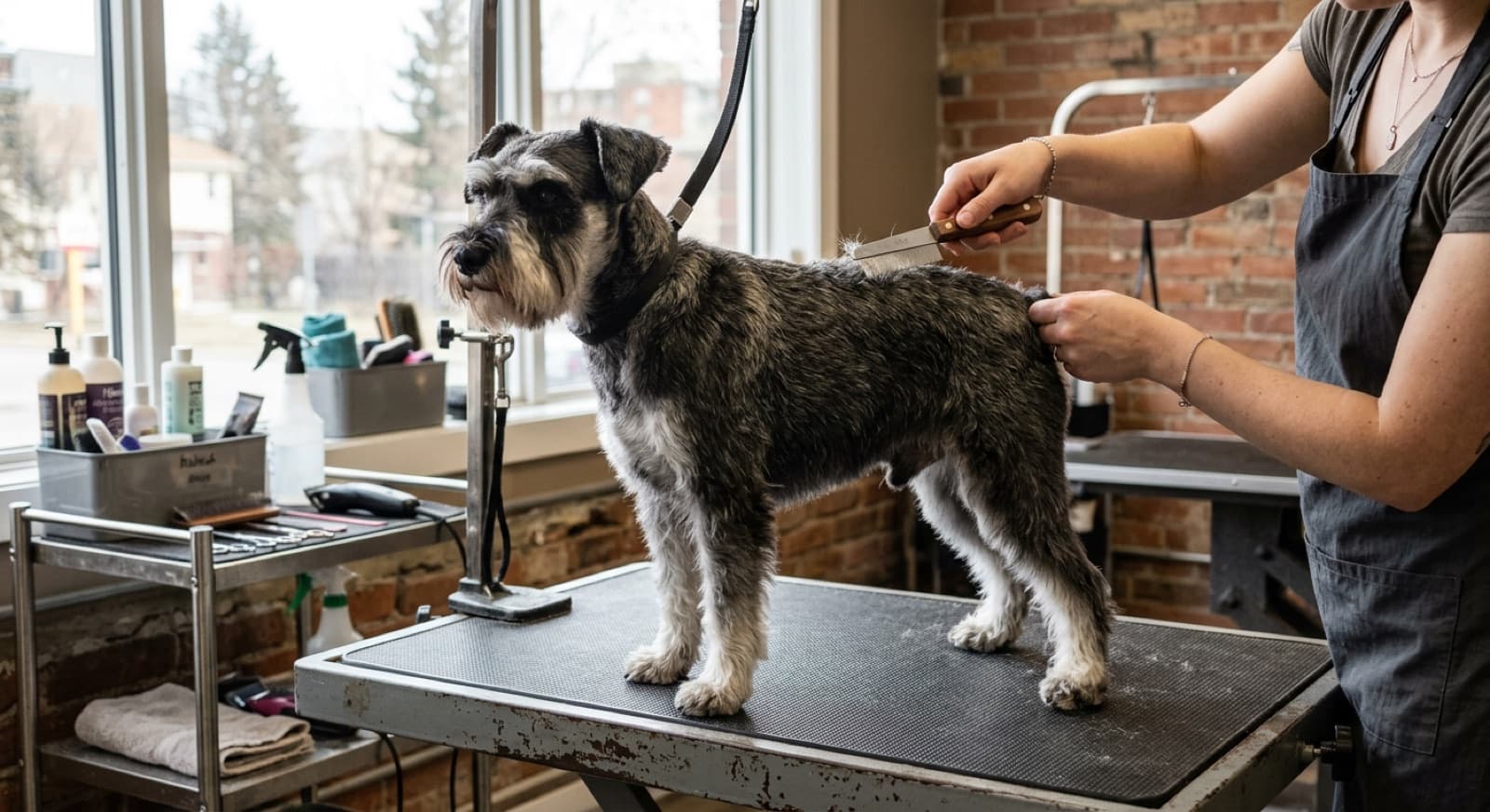
Mini Schnauzer median lifespan sits at 12 to 14 years in most published references. Some reach 15 or 16 with strong pancreatic, urinary, and endocrine management. The longer arc means senior care planning that extends across years rather than a single late-life period. Pancreatitis episodes, calcium oxalate bladder stones, and the slow build of Cushings disease are the most common reasons quality of life declines in the senior years. Many Mini Schnauzers die of age-related decline rather than a single acute illness.
Reasonable senior-care adjustments for a Mini Schnauzer after age eight, all guided by your Edmonton vet:
- Biannual vet exams instead of annual
- Full annual senior bloodwork including thyroid panel and fasting lipid panel
- Annual urinalysis (catches early urinary findings before stones form or obstruct)
- Annual urine cortisol to creatinine ratio from age eight (Cushings screen)
- Annual cardiac auscultation with low threshold to refer for echocardiogram
- Annual ophthalmology check (cataracts and PRA progression)
- Routine dental care including professional cleanings every 12 to 24 months
- Strict adherence to the low-fat prescription diet (lapses are riskier in senior dogs)
- Tight weight monitoring (obesity worsens every Mini Schnauzer-specific condition)
- Aggressive symptom triage: any vomiting, straining, increased drinking, or coat changes warrants same-week workup rather than wait-and-see
- Soft orthopaedic bed and traction rugs on hardwood for comfort
- Encouragement of water intake (multiple bowls, water fountains, wet food added)
Some senior Mini Schnauzers develop canine cognitive dysfunction, with disorientation, anxiety, or sleep changes. Your vet can advise on management options ranging from environmental adjustments to prescription medications. Laryngeal paralysis and mitral valve disease appear at modest rates in the later senior years and deserve workup rather than acceptance as normal ageing.
Pet insurance becomes harder and more expensive to obtain for first-time enrolment past age eight in this breed, and some providers will not enrol senior Mini Schnauzers with documented endocrine, urinary, or pancreatic findings. If you adopt a senior Mini Schnauzer, price-compare carefully and consider whether a dedicated savings account makes more sense than insurance. Talk through the math with your vet at the first visit, and have honest quality-of-life conversations early. Many senior Mini Schnauzers thrive for years with attentive chronic-disease management; the rewarding placements are the ones where the adopter goes in with eyes open about the conditions ahead.
Frequently asked questions
Where can I find a vet for a Mini Schnauzer near me in Edmonton?
Start with your general-practice Edmonton vet, who refers to local board-certified internal medicine specialists, soft tissue surgeons, and ophthalmologists for the workup a Mini Schnauzer typically needs. Edmonton has solid general-practice coverage and adequate internal medicine specialty access for the conditions that dominate this breed (pancreatitis, hyperlipidaemia, calcium oxalate bladder stones, diabetes, Cushings disease). For complex cases (advanced endocrine workup, unusual oncology, complex urinary surgery, atypical mycobacterial infection), some Edmonton owners route to the Western College of Veterinary Medicine in Saskatoon. The most useful step in month one is asking your vet for a baseline fasting bloodwork panel that explicitly includes a fasting lipid panel (triglycerides and cholesterol) and a urinalysis. These two tests catch hyperlipidaemia and the early signs of bladder stones before symptoms appear. The American College of Veterinary Internal Medicine credentials the internal medicine specialty.
What is the lifespan of a Mini Schnauzer?
Median lifespan sits at roughly 12 to 14 years, which is solid for a small breed and notably longer than most giant breeds. Some Mini Schnauzers reach 15 or 16 with strong pancreatic, urinary, and endocrine management. The longer arc means a senior care plan that starts around age eight and continues for years. Pancreatitis episodes, calcium oxalate bladder stones, and the slow build of Cushings disease are the most common reasons quality of life declines in the senior years. Most Mini Schnauzers die of age-related decline rather than a single acute illness, and pet insurance pays for itself many times over in the lifetime claim total.
Why is pancreatitis the defining Mini Schnauzer condition?
Mini Schnauzers carry one of the highest documented pancreatitis predispositions of any breed, and the link runs through their breed-specific tendency toward elevated blood triglycerides (hyperlipidaemia). Pancreatitis is inflammation of the pancreas, and it ranges from mild self-limiting episodes to severe life-threatening necrotising disease. Acute presentation: sudden vomiting, lethargy, abdominal pain (the dog adopts a praying posture with forelimbs down and hindquarters up), reduced appetite, sometimes diarrhoea, sometimes fever. Diagnosis combines clinical signs with bloodwork (canine pancreatic lipase immunoreactivity, or cPLI, is the gold standard) and abdominal imaging. Treatment of acute pancreatitis typically requires hospitalisation with IV fluids, anti-nausea medication, pain control, and careful re-feeding, running $1,500 to $5,000 per episode at an Edmonton clinic. Chronic pancreatitis is the longer-term concern: repeated subclinical inflammation that progressively damages the pancreas and can lead to diabetes or exocrine pancreatic insufficiency. Lifelong management is a strict low-fat diet, ideally a prescription veterinary therapeutic diet, with no high-fat treats and no table scraps.
What is hyperlipidaemia in Mini Schnauzers?
Mini Schnauzers carry a breed-specific predisposition to idiopathic primary hyperlipidaemia, meaning persistently elevated blood triglycerides and sometimes cholesterol that is not caused by another underlying disease. This is distinct from the secondary hyperlipidaemia that can result from Cushings, hypothyroidism, or diabetes. The breed-specific form is genetic and lifelong. The clinical importance is the link to pancreatitis, gallbladder mucocele, and possibly insulin resistance. Diagnosis is by fasting bloodwork: the dog fasts for 12 hours, then triglycerides and cholesterol are measured. Triglycerides above roughly 500 mg/dL on a fasting sample warrant intervention. Management starts with a low-fat prescription diet, which alone resolves many cases. Persistent elevations after diet trial may need omega-3 fatty acid supplementation, and a small subset benefit from fibrate medications like fenofibrate prescribed by an internal medicine specialist. A baseline fasting lipid panel within the first month of adoption is the highest-leverage health screen for any adopted Mini Schnauzer.
Why do Mini Schnauzers get bladder stones?
Mini Schnauzers carry one of the highest documented rates of calcium oxalate bladder stones (uroliths) of any breed. The exact metabolic mechanism is not fully understood but involves altered calcium and oxalate handling in the urinary tract. Presentation: frequent urination, straining to urinate, blood in the urine (haematuria), urine accidents, and in obstructed males, complete inability to pass urine (a surgical emergency). Diagnosis is by urinalysis followed by abdominal radiographs and ultrasound. Calcium oxalate stones are radiopaque and show clearly on radiographs. Treatment options depend on size, number, and whether the dog is obstructed. Surgical removal (cystotomy) runs $2,500 to $4,500 at an Edmonton clinic, more if a urethral obstruction needs to be relieved first. Dietary dissolution is not effective for calcium oxalate stones (unlike struvite stones, which can sometimes be dissolved with diet). Prevention after a first episode involves a prescription urinary diet, encouraging water intake, periodic urinalysis, and serial imaging because recurrence rates are high. Any Mini Schnauzer with straining or blood in the urine deserves same-day workup.
Are Mini Schnauzers at high risk for diabetes?
Yes. Mini Schnauzers carry an elevated risk of diabetes mellitus, particularly in dogs with a history of pancreatitis (repeated pancreatic damage destroys the insulin-producing beta cells). Presentation is the classic diabetes triad: increased thirst, increased urination, and weight loss despite a stable or increased appetite, sometimes with sudden cataract development in advanced cases. Diagnosis is by bloodwork (persistently elevated blood glucose) combined with urinalysis (glucose and sometimes ketones in the urine). Treatment is twice-daily insulin injections, a consistent diet typically including a prescription diabetic formula, and regular glucose monitoring. Most diabetic Mini Schnauzers stabilise well on this protocol and live for years after diagnosis. Cost: insulin and supplies run $80 to $200 per month, plus quarterly bloodwork and periodic glucose curves at the vet. The cataracts that often develop with diabetes can be surgically corrected by a veterinary ophthalmologist if vision is otherwise good. Strict avoidance of high-fat treats and human food remains important to reduce ongoing pancreatic stress.
How common is Cushings disease in Mini Schnauzers?
Cushings disease (hyperadrenocorticism) appears at moderate-to-high rates in older Mini Schnauzers and is one of the most common endocrine conditions in the breed. The adrenal glands over-produce cortisol, and the dog develops a constellation of changes: increased thirst and urination, increased appetite, pot-bellied abdomen, thinning hair coat with symmetric truncal hair loss, recurrent skin infections, muscle weakness, and panting. Most cases are pituitary-dependent (a small benign pituitary tumour driving adrenal overproduction); a smaller subset are adrenal-dependent (a tumour on the adrenal gland itself). Diagnosis takes work: a vet typically starts with a urine cortisol to creatinine ratio to rule out, then an ACTH stimulation test or low-dose dexamethasone suppression test to confirm, then sometimes abdominal imaging to distinguish pituitary from adrenal disease. Treatment for pituitary-dependent Cushings is the oral medication trilostane, typically $60 to $150 per month plus periodic ACTH stim rechecks. Adrenal-dependent disease may need surgical removal of the affected adrenal gland at specialty practice. Treated Cushings dogs live near-normal lifespans; untreated disease progresses to skin infections, urinary tract infections, blood clots, and reduced quality of life.
Should I get pet insurance for an Edmonton Mini Schnauzer?
Yes, and enrol in week one. Mini Schnauzer insurance math is unusually favourable because the lifetime conditions (pancreatitis, bladder stones, diabetes, Cushings) are predictable, expensive, and chronic. A single pancreatitis hospitalisation runs $1,500 to $5,000. Bladder stone surgery runs $2,500 to $4,500 and recurs in a meaningful share of dogs. Diabetes management runs $1,000 to $2,500 per year ongoing. Cushings management runs $700 to $1,800 per year ongoing including medication and rechecks. A Mini Schnauzer that develops two of these four conditions over a typical 12 to 14 year lifespan can easily generate $20,000 to $40,000 in vet costs. Every Canadian provider excludes pre-existing conditions, and the clock starts the day you adopt. A note on intake bloodwork showing elevated triglycerides, mild liver enzyme elevation, an early skin tag, or a single episode of vomiting can become a permanent exclusion. Monthly premiums for a young healthy Mini Schnauzer in Edmonton run $35 to $80, much lower than giant-breed premiums because the breed is small. Look for explicit hereditary and congenital coverage, annual caps of $10,000 or more, explicit endocrine and pancreatic coverage, and reasonable wait times for orthopaedic and urinary coverage (typically 14 to 30 days).
What is schnauzer comedo syndrome?
Schnauzer comedo syndrome is a breed-specific skin condition in Mini Schnauzers characterised by blackheads (comedones) along the dorsal midline (the back, from the shoulders to the tail base). The hair follicles dilate and fill with keratin and sebum, producing visible blackhead-like plugs. The skin overall looks bumpy along the back when you run a hand through the coat. It is usually a cosmetic issue rather than a medical emergency, but secondary bacterial infections can develop in some dogs. Management is regular cleansing with benzoyl peroxide shampoo (every one to two weeks), often combined with topical treatments to soften the keratin plugs. Severe or infected cases may need oral antibiotics or topical retinoids prescribed by a veterinary dermatologist. The condition does not affect lifespan or general health. Most owners learn to manage it as part of routine grooming once their vet flags it. The American Animal Hospital Association credentials the dermatology specialty.
What eye problems do Mini Schnauzers have?
Two main concerns: progressive retinal atrophy (PRA) and cataracts. PRA is a genetic progressive degeneration of the retina causing eventual blindness, with onset typically in middle age. There is no treatment, but most affected dogs adapt remarkably well to vision loss when the home environment stays consistent. Genetic testing for the most common PRA variant is available and reputable breeders use it; for adopted Mini Schnauzers, the relevant question is what they can see now, not what their genes carry. Cataracts (lens opacity reducing vision) appear at moderate-to-high rates in Mini Schnauzers and can be congenital, juvenile, hereditary, or secondary to diabetes. Diabetic cataracts in particular develop rapidly and can render a dog blind within weeks of diabetes diagnosis if not addressed. Cataract surgery (phacoemulsification) at a veterinary ophthalmologist runs $3,500 to $5,500 per eye when vision restoration is the goal. Annual ophthalmology evaluation is reasonable for adult Mini Schnauzers, especially diabetic dogs and any dog with a documented retinal finding. The American College of Veterinary Ophthalmologists credentials the specialty.
How do I manage a senior Mini Schnauzer after age eight?
Senior care for a Mini Schnauzer is internal-medicine heavy because the breed-specific conditions cluster in the senior years. By age eight, biannual vet exams, full annual senior bloodwork with thyroid panel and fasting lipid panel, annual urinalysis, annual cardiac auscultation, and annual ophthalmology evaluation become the baseline. Watch for the symptom triads: increased thirst and urination (diabetes or Cushings), straining or blood in urine (bladder stones), vomiting with abdominal pain (pancreatitis), and pot-bellied appearance with thinning coat (Cushings). Dental care matters because small breeds carry heavy dental disease load; professional cleanings every 12 to 24 months are standard. Mobility aids matter less than in giant breeds but a soft orthopaedic bed and traction rugs help senior comfort. Many senior Mini Schnauzers develop laryngeal paralysis, mitral valve disease, or cognitive dysfunction in their final years, all of which deserve workup rather than acceptance as normal ageing. The American Animal Hospital Association publishes senior care guidelines that frame the visit.
Related Edmonton Mini Schnauzer guides
Edmonton Adoptable Dogs
Current Edmonton-area listings from SCARS, Zoe's, EHS, GEARS, Hope Lives Here, AHHRB, and AARCS Edmonton fosters. Mini Schnauzers and Schnauzer mixes appear regularly.
Mini Schnauzer Adoption Edmonton
Rescue sources, real adoption costs, surrender patterns, common Schnauzer mixes, and the first 30 days for an Edmonton Mini Schnauzer adopter.
Mini Schnauzer Pancreatitis Diet Edmonton
The lifelong low-fat feeding plan: prescription diet rotation, approved treats, transition protocol, and Edmonton sourcing for the prescription veterinary therapeutic foods that work.
Mini Schnauzer Grooming Edmonton
Schnauzer cut, beard care, hand-stripping vs clipping, the comedo syndrome management routine, and Edmonton grooming considerations through the long winter coat season.
Find your Edmonton rescue Mini Schnauzer
Browse current Edmonton-area listings. Mini Schnauzers and Schnauzer mixes appear at SCARS, EHS, AARCS Edmonton fosters, Zoe's, and rural rescues regularly. Your first-month vet workup builds the pancreatic, urinary, endocrine, and lipid baseline plus the lifelong low-fat feeding conversation.
Browse All Edmonton Dogs →New dog? Start with these care guides
Everything a new adopter needs to set up a safe, happy home.