The short answer
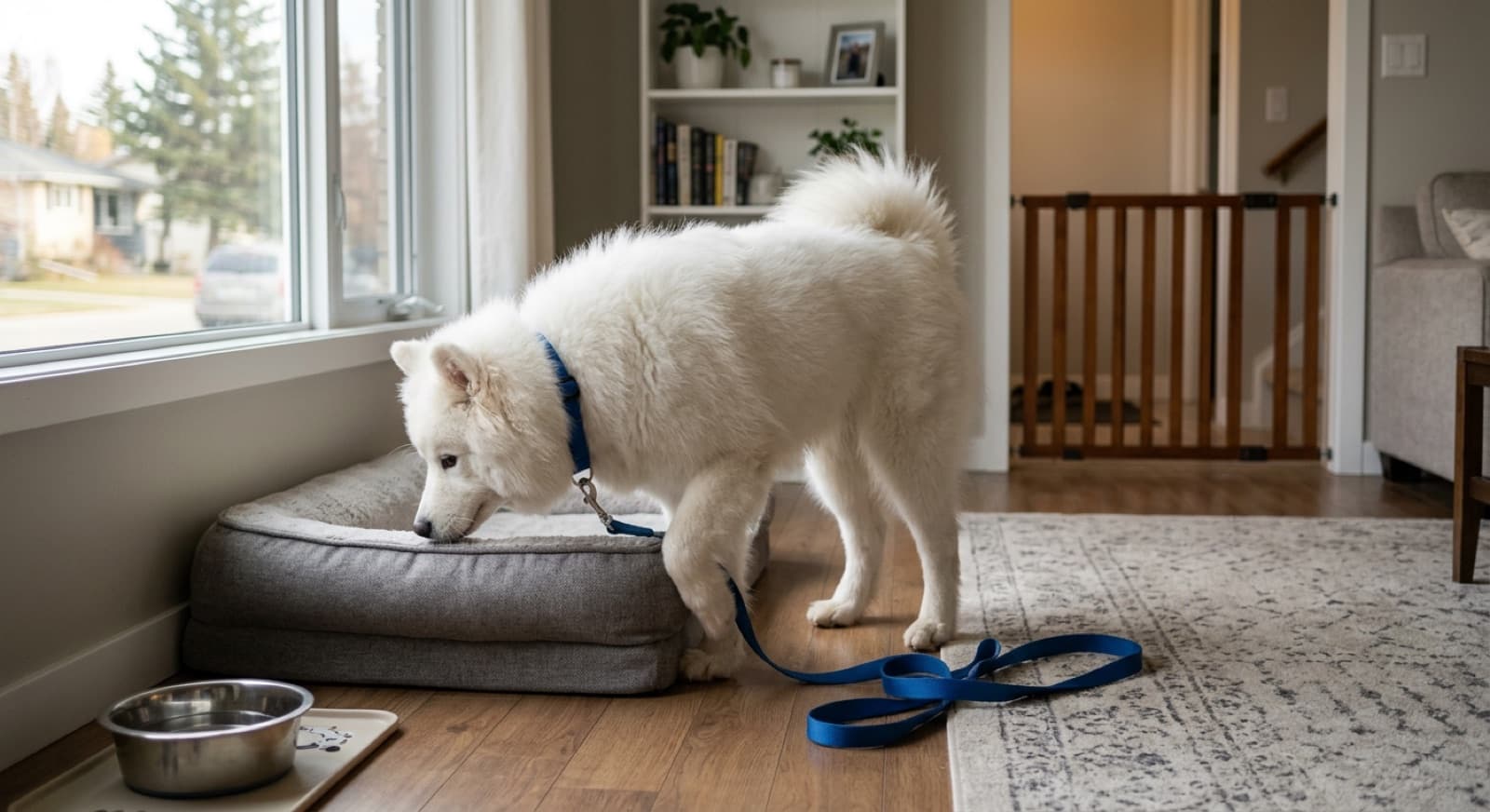
Samoyeds have a distinctive health profile shaped by Arctic-spitz genetics. The standout condition is Samoyed Hereditary Glomerulopathy, a breed-specific X-linked kidney disease that is severe in males. Diabetes mellitus is overrepresented in the breed and means daily insulin for life. Hip and elbow dysplasia, X-linked progressive retinal atrophy, pulmonic stenosis, hypothyroidism, bloat, and sebaceous adenitis fill out the picture. Lifespan averages 12 to 14 years. Annual eye, cardiac, and thyroid baselines pair with kidney monitoring as breed-standard care. The American College of Veterinary Internal Medicine credentials the specialists a Samoyed owner uses most.
The Samoyed health picture, briefly
Samoyeds are a mid-size Arctic spitz, typically 35 to 65 pounds, but the breed health load does not slot into the usual large-dog template most pet insurance pricing assumes. The defining feature of the Samoyed health profile is a single Samoyed-specific kidney disease called Samoyed Hereditary Glomerulopathy (SHG). The inheritance is X-linked dominant, which means affected males develop severe disease and die young, while female carriers develop milder disease in middle age. No other breed carries this exact condition. For any male Samoyed in rescue with unknown parentage, the kidney baseline in month one is the highest-leverage diagnostic an owner can request.
Beyond SHG, diabetes mellitus is the second standout condition. Samoyeds sit alongside Australian Terriers and Keeshonds at the top of the breed-overrepresentation lists in the veterinary literature. Onset is typically middle-aged to senior, female Samoyeds at higher risk than males, and the management commitment is lifelong twice-daily insulin. Diabetic cataracts develop in most affected dogs within months and often drive the first owner-noticed vision change.
The supporting cast: hip and elbow dysplasia (moderate to high prevalence), X-linked progressive retinal atrophy (separate Samoyed-specific genetic test), pulmonic and subaortic stenosis (congenital cardiac), hypothyroidism (common, often misread as behaviour), bloat (moderate risk given the moderately deep chest), sebaceous adenitis (autoimmune skin condition overrepresented in spitz breeds), cataracts beyond the diabetic form, auricular chondritis (rare but Samoyed-noted), and a moderate cancer load. Lifespan averages 12 to 14 years, which is meaningfully better than most large breeds. Pet insurance enrolled in week one remains the single highest-leverage health decision because the renal, endocrine, orthopaedic, and cardiac claims stack predictably over the dog lifetime. The American Animal Hospital Association publishes general pet insurance evaluation guidance that applies to Canadian providers.
Samoyed Hereditary Glomerulopathy (SHG)
Samoyed Hereditary Glomerulopathy is a Samoyed-specific inherited kidney disease that no other breed carries in the same form. The disease affects the glomeruli, the filtering units inside the kidneys that normally retain protein in the bloodstream while allowing waste products to pass into urine. In SHG the glomerular basement membrane is malformed, protein leaks into the urine in increasing amounts, and progressive kidney damage follows. The inheritance pattern is X-linked dominant.
X-linked inheritance and what it means
Males have one X chromosome (XY) and females have two (XX). An X-linked dominant gene affects males severely because they have no second X to compensate, while affected females have one normal X copy that provides partial protection. In practical terms, affected male Samoyeds develop severe disease in puppyhood with kidney failure by 1 to 2 years of age. Female carriers tend to develop milder protein loss in middle age (often 5 to 8 years) with slower kidney decline. The X-linked pattern is one of the most consistent features in the published veterinary literature on the condition.
Signs and diagnosis
Affected male puppies usually appear normal at birth, then develop progressive protein loss into the urine by 2 to 3 months of age. As kidney function deteriorates the signs become visible: weight loss despite normal appetite, increased thirst and urination, lethargy, poor coat condition, and eventually vomiting and reduced appetite as kidney failure progresses. Diagnosis combines a urine protein to creatinine ratio (UPC, which quantifies protein loss), serum creatinine and BUN (which reflect filtration function), urinalysis, and a genetic test offered by several veterinary genetics laboratories. The American College of Veterinary Internal Medicine recommends UPC screening for at-risk Samoyeds. Any male Samoyed adopted from rescue with unknown parentage deserves a UPC and creatinine baseline in the first-month vet workup, and the genetic test if available.
Treatment and prognosis
There is no cure for affected males. Treatment is supportive and aimed at slowing progression: prescription renal diet (lower protein, controlled phosphorus, omega-3 enriched), angiotensin-converting enzyme inhibitors (benazepril or enalapril, which reduce protein loss into the urine), blood pressure management because hypertension accelerates kidney damage, and serial monitoring of UPC and creatinine every 1 to 3 months depending on stage. Most affected males die from kidney failure by 1 to 2 years of age despite treatment. Female carriers managed early with the same supportive care often live 8 to 12 years with manageable kidney disease. For rescue Samoyeds, the diagnosis is heartbreaking but the protocol is clear. Any rescue Samoyed sold or fostered as a young puppy with the family history unknown deserves UPC screening before the new owner becomes emotionally committed, ideally as part of the pre-adoption vet check.
Diabetes mellitus
Samoyeds are one of the most overrepresented breeds for diabetes mellitus in the published veterinary literature, alongside Australian Terriers and Keeshonds. The disease involves loss of insulin-producing pancreatic beta cells, which means the body cannot regulate blood glucose. Onset is typically middle-aged to senior (commonly 7 to 9 years), with female Samoyeds at higher risk than males.
Recognising diabetes
The classic triad is increased thirst, increased urination, and increased appetite alongside weight loss. The thirst becomes obvious (the water bowl empties multiple times a day, indoor accidents start because the bladder fills faster than the dog can hold it), and the weight loss happens despite the increased appetite. Diabetic cataracts are often the first owner-noticed visible change; the lens of one or both eyes turns cloudy over weeks to months and the dog stops jumping onto furniture or hesitates on stairs in dim light. Other signs include lethargy, recurrent urinary tract infections, and sometimes a sweet acetone odour to the breath in advanced cases (diabetic ketoacidosis, which is a medical emergency).
Diagnosis and treatment
Diagnosis is by fasting blood glucose (consistently elevated), fructosamine (reflects average glucose over the prior 2 to 3 weeks), and urinalysis showing glucose in the urine. Treatment is twice-daily insulin injections for life (most diabetic dogs do well on intermediate-acting insulins, dosed by weight and adjusted by glucose response), prescription diabetic diet (consistent macronutrients, often higher fibre), strict meal timing (insulin is given with food to prevent hypoglycaemia), and serial glucose monitoring. Home blood glucose monitors are widely available; periodic curves at the vet refine dosing.
Monthly costs:
- Insulin: $50 to $120 per month depending on dog size and insulin type
- Syringes or pen needles: $15 to $30 per month
- Prescription diabetic diet: $80 to $150 per month
- Quarterly monitoring blood work: $150 to $400 per visit
- Diabetic cataract surgery if performed: $3,500 to $5,500 per eye at an Edmonton veterinary ophthalmologist
Most diabetic Samoyeds live well with diligent management. The daily commitment is significant; twice-daily injections at consistent times, careful meal timing, and home monitoring are all part of the routine. For owners willing to commit, a well-managed diabetic Samoyed often has a good quality of life for many years after diagnosis.
Browse adoptable Edmonton dogs
Current Edmonton-area listings. Samoyeds and Sammy crosses appear at SCARS, EHS, Zoe's, GEARS, and AARCS Edmonton fosters periodically. Foster notes flag known kidney, thyroid, or cardiac findings. Plan a first-month vet workup with kidney baseline (UPC and creatinine, especially for males), full thyroid panel, ophthalmology baseline, cardiac auscultation, and hip and elbow assessment.
See Available Dogs →Hip dysplasia, elbow dysplasia, and orthopaedic care
Samoyeds carry a heavy double-coated frame at 35 to 65 pounds, and hip and elbow dysplasia both appear at moderate to high prevalence in the breed.
Hip dysplasia
Hip dysplasia involves abnormal hip joint development that progresses to arthritis with age. Signs include a bunny-hopping gait, reluctance to climb stairs or jump into vehicles, stiffness after rest (Edmonton winter cold exposes morning stiffness clearly), weight-shifting away from the affected hip, and visible muscle wasting in the hindquarters. The dense Samoyed coat hides early visual changes in body condition, so the gait observation matters more than the coat appearance. Diagnosis is by hip radiographs graded under the Orthopedic Foundation for Animals or PennHIP systems, typically $400 to $700 at an Edmonton clinic. Conservative management with lean body weight, joint supplements, hydrotherapy, and prescription anti-inflammatories defers or replaces surgery in many cases. Severe cases benefit from femoral head ostectomy ($3,500 to $6,000) or total hip replacement ($7,000 to $11,000 per hip) at a specialty practice.
Elbow dysplasia
Elbow dysplasia is a collective term for several developmental conditions including fragmented coronoid process, osteochondritis of the elbow, and ununited anconeal process. Presentation is forelimb lameness, often bilateral, sometimes with a stiff or shortened forelimb gait. Diagnosis is by radiograph and sometimes CT or arthroscopy at specialty practice. Arthroscopic surgery to address the specific lesion runs $3,500 to $6,500 per elbow at Edmonton specialty practice. Conservative management buys time in many cases. The American College of Veterinary Surgeons governs the orthopaedic surgical board.
Eye anomalies: X-linked PRA, cataracts, and more
Samoyeds carry several eye conditions at meaningful rates, which is one reason annual ophthalmology evaluation is breed-standard care.
X-linked progressive retinal atrophy
Samoyeds carry an X-linked form of progressive retinal atrophy (PRA) that is genetically distinct from the autosomal forms in most other breeds. The condition causes progressive degeneration of the retina, producing eventual blindness. The X-linked inheritance pattern means males are typically more severely affected than females. Onset commonly appears in middle age. Early signs include reduced night vision and reluctance to move in dim light, progressing to daytime vision loss over months to a few years. There is no treatment. A genetic test specific to the Samoyed form is available through veterinary genetics laboratories. Most affected dogs adapt well to gradual vision loss when the home environment stays consistent (no furniture rearrangement, clear pathways, predictable routine). The American College of Veterinary Ophthalmologists credentials the specialists who evaluate and monitor these cases.
Cataracts
Cataracts in Samoyeds come in two main forms. Diabetic cataracts develop in most affected diabetic dogs within months of diabetes diagnosis and often progress to blindness without surgery. Non-diabetic cataracts (juvenile, adult, and senior onset) also appear at moderate rates and can be hereditary. Diagnosis is by ophthalmology exam. Phacoemulsification surgery at a veterinary ophthalmologist restores vision in suitable candidates, running $3,500 to $5,500 per eye.
Other eye anomalies
Less common but noted in the breed: retinal dysplasia (congenital malformation of the retina, usually mild and stable but occasionally progressive), glaucoma (increased pressure inside the eye, an emergency when it occurs), and corneal dystrophy. Annual ophthalmology evaluation through the senior years catches early changes and pairs naturally with the diabetic cataract monitoring if diabetes ever enters the picture.
Pulmonic stenosis, subaortic stenosis, and the cardiac picture
Samoyeds are noted for elevated rates of congenital cardiac disease, particularly pulmonic stenosis (narrowing of the pulmonary valve) and to a lesser extent subaortic stenosis (narrowing below the aortic valve). Both are typically detected at a puppy or young adult auscultation as a heart murmur. The rescue intake vet may or may not flag the murmur depending on its grade and depending on whether the dog was excited during the exam.
Pulmonic stenosis
Pulmonic stenosis obstructs blood flow from the right ventricle to the lungs. Mild cases need only monitoring; moderate to severe cases produce exercise intolerance, syncope (fainting episodes), and sometimes sudden death. Diagnosis is confirmed by echocardiogram at an Edmonton veterinary cardiologist (typically $600 to $900). Moderate to severe pulmonic stenosis benefits from balloon valvuloplasty, a minimally invasive procedure that widens the narrowed valve. Outcomes are strong in most cases. Edmonton specialty cardiology coverage handles routine valvuloplasty; complex cases sometimes route to Calgary specialty centres.
Subaortic stenosis
Subaortic stenosis is less common in Samoyeds than pulmonic stenosis but is noted in the breed. The narrowing below the aortic valve increases the work the left ventricle must do, leading to ventricular hypertrophy and eventually congestive heart failure or sudden death in severe cases. Diagnosis is by echocardiogram. Management is medical for most cases (beta blockers to reduce cardiac demand); rare severe cases are referred for surgical or interventional options.
Any Samoyed with a heart murmur identified at any age deserves cardiology workup before assuming it is innocent. Pre-anaesthetic cardiac auscultation matters more in this breed than for most; any pre-existing congenital cardiac disease changes the anaesthesia plan substantially. The American College of Veterinary Internal Medicine cardiology specialty board credentials the cardiologists involved.
Hypothyroidism
Hypothyroidism is common in Samoyeds and frequently misread as behaviour problems or normal ageing under the dense coat. The thyroid gland under-produces thyroid hormone, slowing metabolism. Symptoms cluster around metabolism and skin: weight gain despite stable diet, lethargy, reduced exercise tolerance, dull or thinning coat (sometimes symmetrical hair loss on the flanks, hidden under the topcoat until significant), recurrent skin or ear infections, cold intolerance, and behaviour changes including increased anxiety, reduced sociability, or worsening reactivity in middle age.
The cold-intolerance signal is uniquely useful in this breed. A Samoyed normally loves Edmonton winter and asks to stay outside in deep cold. A Samoyed that suddenly hesitates at the door at minus 15 degrees Celsius, lifts paws on snow it used to ignore, or shivers in conditions it previously embraced is sending a thyroid-shaped signal worth investigating. The behaviour piece is also under-recognised. A previously stable Samoyed that becomes more reactive at age four to seven deserves a full thyroid panel before training adjustments.
Diagnosis is by full thyroid panel including free T4 by equilibrium dialysis and TSH, not just baseline total T4 (which has limited diagnostic value when used alone). Treatment is daily levothyroxine at $25 to $50 per month plus periodic rechecks. Most hypothyroid Samoyeds recover normal energy, coat condition, and temperament within four to eight weeks of starting medication.
Bloat (gastric dilatation-volvulus, GDV)
Gastric dilatation-volvulus is a life-threatening emergency where the stomach distends with gas and twists on its axis, cutting off blood supply. Without surgical correction within hours it is fatal. Samoyeds are moderately deep-chested at moderate GDV risk, lower than Great Danes or Akitas but real. Symptoms to recognise:
- Visibly distended or hard abdomen, sometimes drum-tight to the touch (the dense coat can hide early distension, so the touch test matters more than the visual)
- Non-productive retching, where the dog tries to vomit but nothing comes up (the most reliable early sign)
- Restlessness or inability to settle, pacing
- Drooling and frothy saliva
- Pale gums (check by lifting the lip)
- Rapid shallow breathing that does not match the activity
- Progressive weakness or collapse
If you see any combination in a Samoyed, drive directly to a 24-hour Edmonton emergency veterinary clinic without calling first. Bloat surgery runs $5,000 to $10,000 including post-op care; survival improves dramatically the earlier the dog arrives. Pre-save the contact info for at least one 24-hour Edmonton emergency vet before you need it.
Prophylactic gastropexy is a preventive surgery that anchors the stomach to the body wall, preventing the twist that makes GDV fatal. Performed at the time of spay or neuter (or as a standalone procedure), it runs $1,500 to $3,000 and dramatically reduces lifetime GDV risk. For a moderately deep-chested Samoyed, the value math is reasonable but not as overwhelming as for Great Danes or Akitas. Talk through the decision with your vet, especially if other risk factors are present (older intact dog, family history of bloat, fast eater).
Sebaceous adenitis
Sebaceous adenitis is an autoimmune skin condition where the immune system destroys the sebaceous glands (the oil glands that lubricate the skin and coat). Samoyeds appear in the published veterinary literature alongside Standard Poodles, Akitas, and Vizslas as one of the breeds overrepresented for the condition. The double coat hides early skin disease, which means owners often notice the condition later than would be ideal.
Without sebaceous glands the skin loses its natural oil layer. The clinical progression is gradual coat dullness, fine scaling that builds up at the base of the hair shafts, patchy hair loss starting on the top of the head and along the back, and recurrent secondary skin infections as the unprotected skin becomes vulnerable to bacteria and yeast. The Samoyed coat goes from rich and gleaming white to dull, sparse, and brittle over months. The dog is not in obvious pain, but the chronic itch and recurrent infections compound the welfare cost.
Diagnosis is by punch biopsy of affected skin sent to a veterinary dermatopathologist. Treatment is lifelong and combines several pillars: cyclosporine to suppress the autoimmune attack ($80 to $200 monthly), vitamin A supplementation, omega-3 fatty acid supplementation, weekly to twice-weekly medicated shampoos with propylene glycol or other keratolytic agents, and sometimes essential fatty acid topical therapy. The bath protocol is the labour-intensive piece for owners.
Most affected Samoyeds can be managed to a comfortable quality of life, but sebaceous adenitis does not go into true remission. Monthly management at the dermatology end runs $100 to $250 ongoing once the diagnostic workup is complete. Regular brushing routines that include palpation of the underlying skin (not just the topcoat) are the home-monitoring habit that catches early changes.
Auricular chondritis
Auricular chondritis is a rare condition where the cartilage in the ear flaps becomes inflamed and progressively damaged, leading to swelling, deformation, and sometimes collapse of the ear shape. Samoyeds are noted in the veterinary literature alongside other spitz breeds as occasionally affected. The condition appears to have an autoimmune component in many cases.
Signs include swollen, painful ear flaps that may feel thickened to the touch, sometimes with skin lesions or crusting on the inner ear surface. The condition can be confused with allergic ear disease or chronic otitis externa, which is one reason a dermatology workup matters when the condition does not respond to standard ear treatment. Diagnosis is by physical exam and sometimes biopsy. Treatment combines anti-inflammatory therapy, immunosuppression in some cases, and management of any secondary infections. The condition is rare enough that most Edmonton owners will never encounter it; awareness exists for the unusual case.
Cancer load
Samoyeds carry a moderate cancer load, lower than the most cancer-stacked breeds (Bernese, Boxers, Golden Retrievers, Rottweilers) but not negligible. The notable cancers:
- Lymphoma: presents as peripheral lymph node enlargement, sometimes with weight loss or lethargy. Diagnosis by fine needle aspirate. CHOP chemotherapy at an Edmonton specialty oncology practice runs $5,000 to $15,000 with median survival around 12 to 14 months for B-cell disease.
- Hemangiosarcoma: aggressive cancer of blood vessel cells, often arising in the spleen, heart, or skin. Splenic and cardiac hemangiosarcoma may present as acute collapse from internal bleeding. Diagnosis by imaging plus biopsy. Treatment is splenectomy plus chemotherapy where feasible, with median survival often 4 to 7 months even with treatment.
- Mast cell tumours: present as skin lesions of variable appearance. Diagnosis by fine needle aspirate. Treatment depends on grade and stage. The dense Samoyed coat hides skin lesions easily, so monthly skin checks during regular brushing matter.
- Osteosarcoma: noted at modest rates in the breed. Presents as persistent unilateral lameness that does not resolve with rest, sometimes with visible swelling. Diagnosis by radiograph and confirmed by biopsy. Standard treatment is limb amputation followed by carboplatin chemotherapy.
Practical owner takeaway: build the monthly skin and lymph node check habit at home (the daily brushing routine is the natural moment), schedule annual senior bloodwork starting at age six, and book aspirate cytology on every new lump rather than wait-and-see. Catching cancer early is the single biggest predictor of treatment success.
The Samoyed 12 to 14 year lifespan
Samoyed median lifespan sits at 12 to 14 years in most published references, meaningfully better than most large breeds and dramatically better than giant breeds. Some Samoyeds reach 15 or 16 with strong endocrine, orthopaedic, and renal management. The arc is comparable to mid-size mixed breeds and reflects the moderate body size and overall genetic resilience of the working spitz lineage.
The senior years are commonly shaped by the cumulative load of conditions discussed above: arthritis from hip and elbow disease, ongoing levothyroxine for hypothyroidism diagnosed in middle age, cataracts (sometimes secondary to diabetes, sometimes primary), insulin management for diabetic Samoyeds, supportive renal care for female SHG carriers in late middle age, and the moderate cancer load that becomes the leading end-of-life concern. Many senior Samoyeds live calm, gentle final years when the condition stack is managed thoughtfully. The breed-typical sociability and family bond often hold through the senior years even as the body slows.
Edmonton specialty veterinary access reality
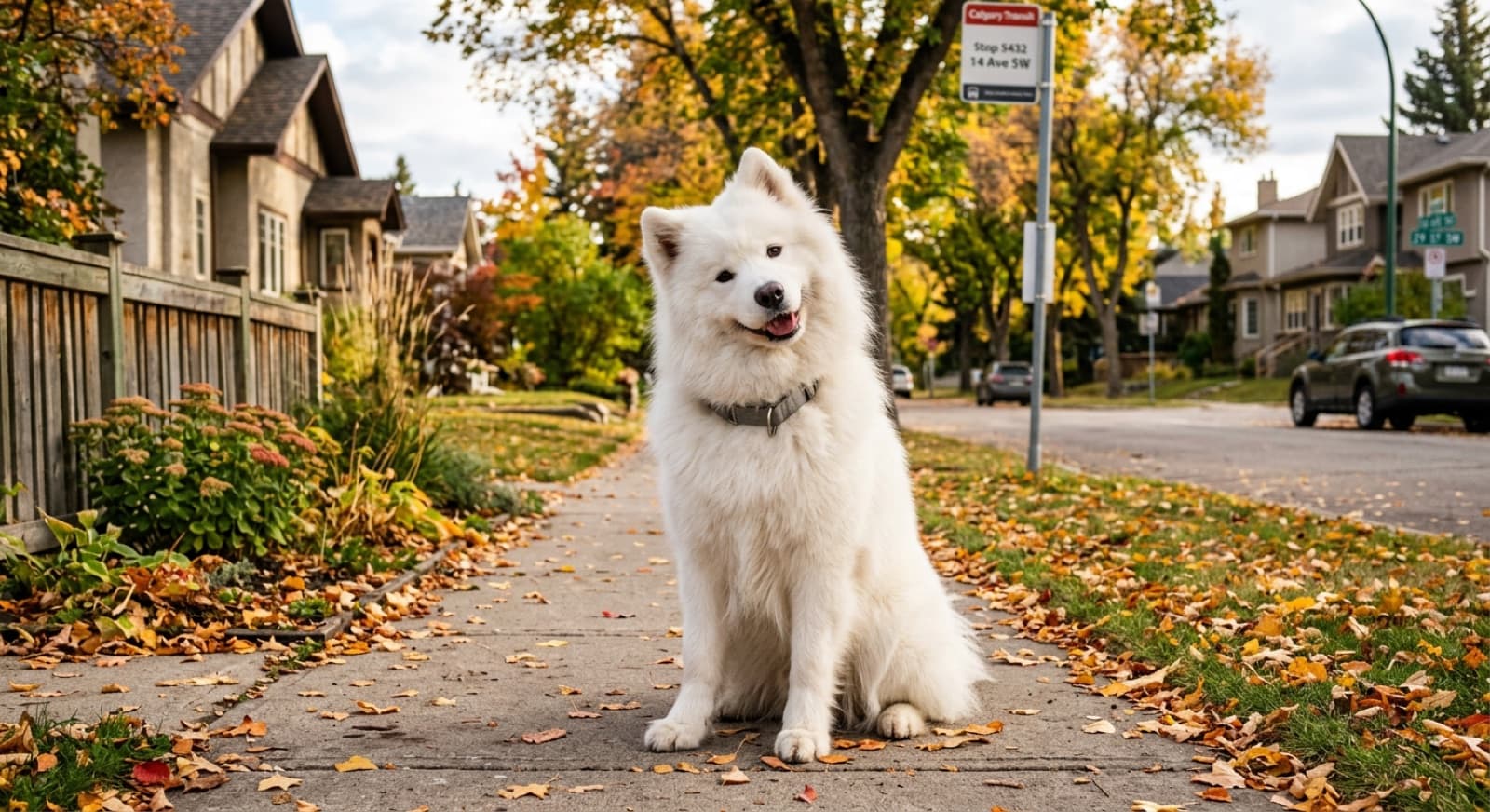
Edmonton has solid general-practice veterinary coverage for Samoyeds. For routine care (annual physical, vaccinations, dental, bloodwork, weight management), any reputable Edmonton clinic is a fine starting point. For Samoyed-specific work the picture matters more, especially for internal medicine and ophthalmology, the two specialties the breed uses most.
Edmonton internal medicine and endocrinology
Internal medicine specialty access handles complex SHG cases, diabetic Samoyeds with difficult regulation, hypothyroidism workup, and chronic kidney disease management. Edmonton has adequate specialty internal medicine for routine work; complex tertiary cases sometimes route to Calgary specialty centres or to the Western College of Veterinary Medicine at the University of Saskatchewan, about five and a half hours each way from Edmonton.
Edmonton ophthalmology and cardiology
Edmonton has board-certified veterinary ophthalmologists for diabetic cataract surgery, PRA evaluation, and the annual eye baseline that adult Samoyeds benefit from. Cardiology specialty access handles echocardiography for pulmonic stenosis evaluation, balloon valvuloplasty for moderate to severe cases, and the annual cardiac auscultation that pairs with senior bloodwork.
Edmonton surgery
Board-certified veterinary surgeons in Edmonton handle hip and elbow procedures, prophylactic gastropexy, bloat surgery, and oncology surgical referrals. The American College of Veterinary Surgeons governs the board and references are publicly searchable.
Building your network in month one
The practical move when you adopt a Samoyed: establish a primary Edmonton vet in the first month, ask specifically which internist, which ophthalmologist, and which cardiologist they refer Samoyeds to, ask about kidney baseline protocols for any male Samoyed of unknown background, and write the answers down. Pre-save at least one 24-hour Edmonton emergency clinic in your phone. Most Samoyeds will need at least one specialty referral over their lifetime, often more; knowing the pathway before you need it cuts friction at the worst possible moment.
Pet insurance for an Edmonton Samoyed
Week-one pet insurance enrolment is the highest-leverage health decision for any rescue Samoyed. Every Canadian provider excludes pre-existing conditions, which means the day a vet documents anything (a borderline T4 value, a low-grade heart murmur, a touch of protein in the urine, a mild hip subluxation, a small cataract, a patch of skin scaling), that condition becomes a permanent exclusion on any policy enrolled afterward. The clock starts the day you adopt.
The Samoyed-specific value math is exceptionally strong because the renal, endocrine, orthopaedic, and cardiac claims stack predictably:
- SHG renal monitoring and supportive care: $100 to $300 monthly ongoing for affected males
- Diabetes mellitus lifelong management: $80 to $200 monthly ongoing plus $150 to $400 quarterly monitoring
- Diabetic cataract surgery: $3,500 to $5,500 per eye
- Pulmonic stenosis balloon valvuloplasty: $5,000 to $9,000
- Total hip replacement: $7,000 to $11,000 per hip
- Elbow arthroscopy: $3,500 to $6,500 per elbow
- Bloat (GDV) emergency surgery: $5,000 to $10,000
- Hypothyroidism lifelong management: $25 to $50 per month ongoing
- Sebaceous adenitis lifelong management: $100 to $250 monthly ongoing
- Lymphoma CHOP chemotherapy: $5,000 to $15,000
A Samoyed with diabetes plus hip arthritis plus hypothyroidism can easily generate $20,000 to $35,000 in out-of-pocket costs across the dog lifetime. Add SHG (in a male) or sebaceous adenitis on top and lifetime out-of-pocket costs reach $30,000 to $50,000. Monthly premiums for a young healthy Samoyed in Edmonton typically run $80 to $140 depending on deductible and reimbursement percentage.
What to look for in a Samoyed policy:
- Hereditary and congenital conditions explicitly covered (essential for SHG and PRA)
- Explicit coverage of kidney and endocrine conditions
- Explicit coverage of orthopaedic conditions including hip and elbow dysplasia
- Annual coverage caps of $15,000 or more, ideally with no lifetime cap
- Coverage for prescription medications including lifelong insulin and levothyroxine
- Coverage of diagnostic imaging including echocardiography and CT
- Reasonable wait times for orthopaedic and chronic disease coverage
Compare three to four providers before enrolling. Your Edmonton vet and your foster contact can both share which providers other Samoyed adopters have used and what their claim experience has been.
Adoption health workup: what to plan for the first month
Edmonton rescues do a baseline vet workup before adoption, but depth varies by rescue and by dog. For a Samoyed, the first-month vet visit should be more involved than for most breeds because the kidney, endocrine, and ophthalmic baselines shape every later care decision.
What most Edmonton rescues cover
- Physical exam by a vet at intake including cardiac auscultation, lymph node palpation, and basic skin assessment
- Core vaccinations (DAPP and rabies, sometimes Bordetella if boarded)
- Spay or neuter surgery (sometimes with prophylactic gastropexy at the same time, but confirm)
- Microchip implant and registration
- Deworming and flea and tick treatment
- Basic adult bloodwork (CBC and chemistry panel) in many cases
- Treatment of any acute concerns identified at intake
What to add in your first-month vet visit
- Urine protein to creatinine ratio (UPC) and serum creatinine baseline, especially for any male Samoyed (SHG screening)
- Full thyroid panel including free T4 by equilibrium dialysis and TSH
- Fasting blood glucose and urinalysis (diabetes baseline, especially for middle-aged females)
- Full ophthalmology exam (baseline for X-linked PRA, cataracts, and any other eye findings)
- Cardiac auscultation by a vet familiar with the breed; echocardiogram if any murmur is heard
- Hip and elbow radiographs (OFA or PennHIP grading)
- Body condition score documentation
- Coat and skin assessment with palpation through the topcoat (sebaceous adenitis baseline)
- Genetic testing for the SHG and X-linked PRA forms where available and budget allows
For senior Samoyeds (eight years and up), add full senior bloodwork including urinalysis, careful cardiac auscultation, abdominal ultrasound if budget allows, and a thorough lump check with aspirate cytology on any suspicious lesion. Budget $1,000 to $2,000 for the senior intake workup at an Edmonton clinic. The Canadian Kennel Club publishes breed-standard reference material that helps orient the conversation.
Senior Samoyed care after age eight
Reasonable senior-care adjustments for a Samoyed after age eight, all guided by your Edmonton vet:
- Biannual vet exams instead of annual
- Full annual senior bloodwork including thyroid panel, fasting glucose, and urinalysis
- Annual UPC and creatinine for female SHG carriers and any dog with prior kidney findings
- Annual ophthalmology check (cataracts and PRA progress through these years)
- Annual cardiac auscultation with low threshold to refer for echocardiogram
- Routine dental care including professional cleanings every 18 to 24 months
- Joint support (glucosamine, chondroitin, omega-3) and prescription anti-inflammatories during arthritis flares
- Tight weight monitoring (overweight Samoyeds do worse on every front)
- Aggressive lump monitoring with aspirate cytology on every new lesion rather than wait-and-see
- Mobility aids: orthopaedic bed, traction rugs on hardwood, ramps for stairs and vehicles
- Coat care that includes skin palpation as part of daily brushing
Pet insurance becomes harder and more expensive to obtain for first-time enrolment past age eight in this breed, and some providers will not enrol senior Samoyeds with documented kidney, endocrine, orthopaedic, or cardiac findings. If you adopt a senior Samoyed, price-compare carefully and consider whether a dedicated savings account makes more sense than insurance. The American Animal Hospital Association publishes senior care guidelines that frame the senior vet visit.
Edmonton Samoyed Health FAQ
Tap a question to expand
Where can I find a vet for a Samoyed near me in Edmonton?▼
What are the main Samoyed health issues to know before adopting?▼
What is Samoyed Hereditary Glomerulopathy and how is it diagnosed?▼
How serious is diabetes in Samoyeds?▼
How serious is hip dysplasia in Samoyeds?▼
What is Samoyed progressive retinal atrophy?▼
How common is congenital cardiac disease in Samoyeds?▼
How do I recognise hypothyroidism in a Samoyed?▼
How do I recognise bloat in a Samoyed?▼
Should I get pet insurance for an Edmonton rescue Samoyed?▼
How long do Samoyeds live and what does senior care look like?▼
Related Edmonton Samoyed guides
Edmonton Adoptable Dogs
Current Edmonton-area listings from SCARS, Zoe's, EHS, GEARS, Hope Lives Here, AHHRB, and AARCS Edmonton fosters. Samoyeds and Sammy crosses appear periodically.
Samoyed Adoption Edmonton
Rescue sources for Samoyeds and Sammy crosses, real adoption costs, surrender patterns, and the first 30 days for an Edmonton Samoyed adopter.
Samoyed Winter Care Edmonton
The Arctic-spitz advantage in Edmonton winter, the Sammy smile and ice-prevention anatomy, paw care on salted streets, and why you never shave a Samoyed.
Samoyed Grooming Edmonton
Daily brushing reality, twice-yearly coat-blow seasons, the Sammy white-coat upkeep, professional grooming intervals, and skin checks that catch autoimmune disease early.
Find your Edmonton rescue Samoyed
Browse current Edmonton-area listings. Samoyeds and Sammy crosses appear at SCARS, EHS, AARCS Edmonton fosters, Zoe's, and Northern Alberta rescues periodically. Your first-month vet workup should build the kidney, thyroid, ophthalmic, cardiac, and orthopaedic baseline plus a frank family-history conversation with the rescue.
Browse All Edmonton Dogs →New dog? Start with these care guides
Everything a new adopter needs to set up a safe, happy home.