The short answer
Vizslas have moderate to high cancer rates and one of the most layered autoimmune profiles in the sporting group: idiopathic epilepsy is Vizsla-overrepresented, sebaceous adenitis attacks the skin and coat, and polymyositis attacks the muscle. Add atopic dermatitis (very common), hip dysplasia (moderate), hemophilia A in some lines, and an anaesthesia profile closer to a Whippet than a Labrador, and the planning picture is more involved than the breed's sleek appearance suggests. Enrol in pet insurance week one: every Canadian provider excludes pre-existing conditions, and the first documented allergy, seizure, or skin biopsy becomes a permanent exclusion on any policy enrolled afterward. Annual screening from age 3 plus careful first-month baseline.
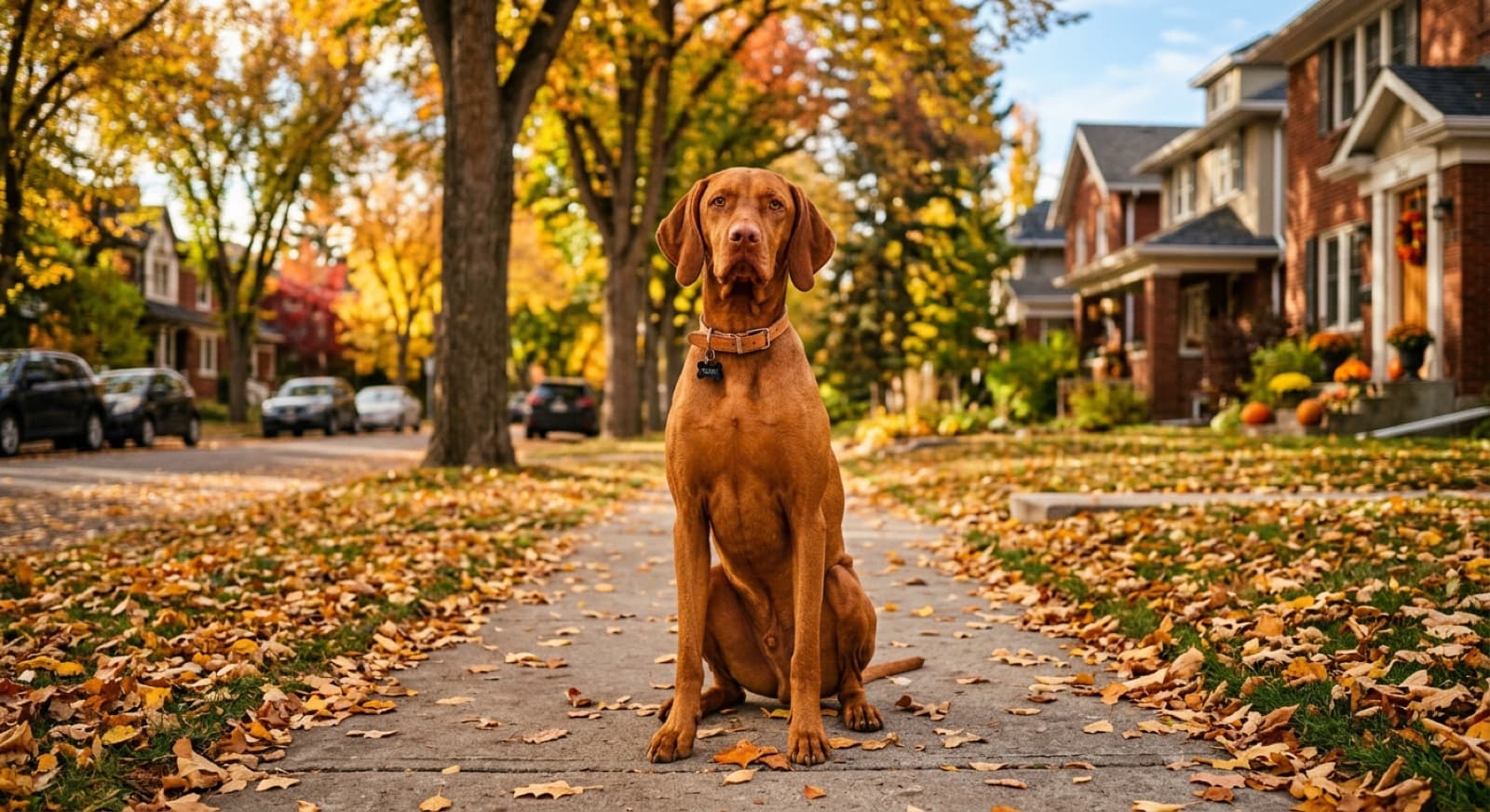
The Vizsla breed health picture, briefly
Vizslas are a Hungarian pointing breed, sleek and rust-coloured, 40 to 65 lb, with a short single coat and almost no body fat. Lifespan averages 12 to 15 years, on the better side for a medium breed. Most Edmonton rescue Vizslas arrive in functional health; the medical work is establishing baselines early because the breed-specific conditions on this list are not the ones a routine annual exam catches without targeted screening.
The Vizsla prioritisation list is layered rather than dominated by a single condition. Atopic dermatitis is very common and lifelong. Idiopathic epilepsy is Vizsla-overrepresented and presents typically between 1 and 5 years of age. Sebaceous adenitis is a Vizsla-noted autoimmune skin condition. Polymyositis is a Vizsla-overrepresented autoimmune muscle disease. Cancer load is moderate to high (lymphoma, hemangiosarcoma, mast cell tumours, osteosarcoma). Hip dysplasia is moderate. Hypothyroidism develops in middle age. Hemophilia A in some lines warrants pre-surgical screening. Eye disease (cataracts, progressive retinal atrophy), patellar luxation, dental disease, bloat (GDV) in a deep-chested but lean-bodied dog, and Cushings disease in older Vizslas fill out the picture. Lean body composition affects anaesthesia planning. Tick-borne disease exposure is elevated for a sporting outdoor breed.
Pet insurance enrolled in week one is the single highest-leverage health decision for a Vizsla. The breed stacks predictable lifetime claims: epilepsy management runs $800 to $2,500 annually, autoimmune disease workup and treatment runs $1,500 to $5,000 annually, chronic allergy management runs $400 to $2,000 annually, cancer treatment if it develops runs $6,000 to $14,000 per major diagnosis, and orthopaedic surgery runs $3,000 to $10,000 per hip or knee. Every Canadian provider excludes pre-existing conditions. The clock starts the day you adopt.
Idiopathic epilepsy: a Vizsla-overrepresented neurological condition
Idiopathic epilepsy is the diagnosis given when a dog has recurrent seizures with no identifiable structural, metabolic, or toxic cause. Vizslas are one of several breeds with elevated prevalence (Border Collies, Australian Shepherds, German Shepherds, Beagles, and several others share this list). Onset is typically between 1 and 5 years of age, and most affected Vizslas respond well to anti-seizure medication and live full-length lives within the diagnosis.
Recognising a seizure: sudden collapse, paddling or jerking of the limbs, loss of consciousness, sometimes vocalisation, urination or defecation, and a confused disoriented recovery phase (post-ictal) lasting minutes to hours. The dog typically does not remember the seizure and may seem briefly unfamiliar with home or family in the post-ictal window. Focal seizures (one-sided, partial) can look like brief facial twitching, repetitive limb movement, or sudden behavioural change without full collapse.
What to do when a seizure happens:
- Stay calm, do not put your hands near the dog's mouth (the seizing dog can bite without intent)
- Time the seizure with your phone if you can; most last 30 seconds to 2 minutes
- Clear the area of hard objects the dog might hit
- Dim the lights and reduce noise
- Stay with the dog through the post-ictal phase, which can last 30 minutes to several hours
- Call your Edmonton vet the next morning to schedule diagnostic workup for a first seizure
- A seizure lasting more than 5 minutes (status epilepticus), or three or more seizures within 24 hours (cluster seizures), is a same-night emergency; drive to a 24-hour Edmonton emergency clinic immediately
Diagnostic workup for a first seizure includes a thorough neurological exam, full bloodwork including bile acid testing (to rule out liver shunts), and sometimes MRI of the brain at an Edmonton or Calgary specialty practice ($1,800 to $3,000) to rule out structural disease like tumours or inflammatory brain disease. Most idiopathic epilepsy cases have a normal MRI and the diagnosis is one of exclusion.
Treatment uses phenobarbital ($30 to $60 monthly, requires periodic liver enzyme monitoring) or levetiracetam (Keppra, $60 to $150 monthly, fewer side effects but more frequent dosing) as first-line medications, sometimes combined with potassium bromide ($40 to $90 monthly) for refractory cases. Annual cost of seizure management typically runs $800 to $2,500 including medication and bloodwork. The American College of Veterinary Internal Medicine (acvim.org) board-certifies the neurology specialty. Edmonton has limited board-certified neurology capacity and complex cases sometimes route to Calgary or to WCVM Saskatoon.
Sebaceous adenitis: a Vizsla-noted autoimmune skin disease
Sebaceous adenitis (SA) is an inflammatory autoimmune skin disease where the immune system attacks and destroys the sebaceous glands of the skin. The result is loss of the protective skin-oil layer, which produces a cascade of skin and coat changes. Vizslas are one of several noted breeds with elevated prevalence (Standard Poodles and Akitas are the others most often discussed). Onset is usually in young adulthood (1 to 5 years of age).
Presentation includes dry brittle hair, scaling and dandruff that does not respond to routine bathing, hair loss in patches starting on the head and along the dorsal back, a musty odour that returns within days of bathing, and secondary bacterial skin infections that recur once treated and stopped. The condition is often mistaken for routine dry skin or allergies in early stages, which delays diagnosis.
Diagnosis requires a punch biopsy at an Edmonton clinic ($300 to $600) sent to a veterinary pathologist; the biopsy shows characteristic inflammation around or destruction of the sebaceous glands. The biopsy is the only definitive test because the clinical signs overlap with several other skin conditions. Blood work cannot diagnose SA.
Treatment is lifelong and stepwise:
- Medicated shampoos (keratolytic and antiseborrheic) every 1 to 2 weeks ($30 to $80 monthly)
- Oil-rich emollient rinses or baths to compensate for the missing sebaceous oil layer
- Omega-3 fatty acid supplementation
- Vitamin A supplementation at prescription doses (vet-supervised)
- Cyclosporine ($80 to $250 monthly) as immunomodulatory treatment for moderate to severe cases; first-line systemic medication
- Antibiotics for secondary bacterial infections as they develop
- Annual dermatology review and adjustment
Annual cost typically runs $800 to $3,000 once management is stable. SA is not curable but is manageable, and most affected Vizslas live normal-length lives with disciplined topical and systemic management. The American College of Veterinary Dermatology (acvd.org) board-certifies the specialists who manage refractory cases. Edmonton dermatology specialty access is limited; refractory cases sometimes route to Calgary or to WCVM Saskatoon.
Browse adoptable Edmonton Vizslas
Vizslas and Vizsla mixes appear periodically in Edmonton rescue; foster temperament notes flag any documented seizure history, skin condition, allergy load, or anaesthesia experience. Plan a first-month vet workup that establishes neurological, dermatological, orthopaedic, and metabolic baselines.
See Available Vizslas →Polymyositis and inflammatory myopathy: Vizsla-specific autoimmune muscle disease
Polymyositis is an autoimmune inflammatory muscle disease where the immune system attacks the dog's own muscle tissue. A breed-specific form often referred to as Vizsla inflammatory polymyopathy is documented in the veterinary literature, with onset typically in young to middle-aged adults. The disease is less common than atopic dermatitis or epilepsy in the breed, but its presentation is distinctive enough that Edmonton Vizsla owners benefit from knowing the signs.
Clinical signs cluster around muscle weakness and oesophageal involvement: difficulty swallowing or regurgitation as the muscles of the oesophagus and throat are affected (food coming back up minutes after eating, not vomited from the stomach), muscle wasting visible along the head (temporal and masseter muscles look hollow) and limbs, exercise intolerance, a stiff or stilted gait, and in advanced cases drooling and aspiration pneumonia from chronic swallowing difficulty. Some affected Vizslas show signs only intermittently early in the disease.
Diagnosis combines clinical signs, elevated muscle enzymes on bloodwork (creatine kinase, often substantially elevated), electromyography (EMG) at a specialty practice, and muscle biopsy at an Edmonton internal-medicine specialty practice. Diagnostic workup typically runs $1,500 to $3,500. The biopsy distinguishes immune-mediated polymyositis from other muscle diseases (infectious myositis, masticatory muscle myositis, muscular dystrophy).
Treatment uses immunosuppressive medication: prednisone tapered over months from a high initial induction dose, sometimes combined with cyclosporine or azathioprine for steroid-sparing effect. Monthly medication cost runs $50 to $200 with ongoing bloodwork monitoring of liver enzymes, white blood cell count, and muscle enzymes to track treatment response. Many cases respond well to treatment; some require lifelong medication and others go into long-term remission allowing medication taper.
Aspiration pneumonia from oesophageal involvement is the main life-threatening complication. A Vizsla with documented polymyositis who develops cough, fever, lethargy, or laboured breathing needs same-night emergency care. The American College of Veterinary Internal Medicine board-certifies the relevant specialty. Edmonton internal-medicine specialty access is reasonable for diagnosis and ongoing management.
Cancer load: lymphoma, hemangiosarcoma, mast cell, osteosarcoma
Vizslas carry a moderate to high cancer load relative to the dog population, with lymphoma, hemangiosarcoma, mast cell tumours, and osteosarcoma documented at elevated rates. Cancer is among the most common causes of death in older Vizslas, as it is for many sporting breeds. The math is layered rather than driven by a single disease.
Lymphoma
Lymphoma typically presents as enlarged peripheral lymph nodes (under the jaw, in front of the shoulders, behind the knees) detected on routine palpation or by the owner. The dog often seems well in early stages with the only sign being the enlarged nodes. CHOP chemotherapy at an Edmonton oncology specialty practice runs $6,000 to $10,000 over 19 to 25 weeks with median survival of 12 months and roughly 20 to 25 percent of dogs alive at 2 years. Prednisone alone provides palliative quality-of-life benefit for owners who decline chemotherapy, with median survival of 1 to 3 months.
Hemangiosarcoma
Hemangiosarcoma is the most aggressive cancer Vizsla owners need to recognise. The spleen is the most common site, followed by the heart and skin. Splenic hemangiosarcoma often presents as sudden collapse from internal bleeding (the spleen ruptures and the dog bleeds into the abdominal cavity). A dog who was well that morning becomes pale, weak, and collapses; this is a same-night emergency. Emergency surgery to remove the spleen plus follow-up chemotherapy runs $8,000 to $14,000. Median survival even with treatment is unfortunately short (4 to 8 months); without treatment, survival from collapse is typically days to weeks.
Mast cell tumours
Mast cell tumours present as new skin lumps that may change size, redden, ulcerate, or appear to come and go (the “Darier sign” from histamine release on touch). Aspirate any new lump rather than watching it; in-clinic fine-needle aspirate at an Edmonton vet runs $80 to $200 and produces a diagnosis within days. Surgical excision with appropriate margins at $1,200 to $3,000 cures most low-grade mast cell tumours. Higher-grade cases benefit from oncology consultation and sometimes chemotherapy.
Osteosarcoma
Osteosarcoma (bone cancer) presents as persistent lameness in middle-aged or older Vizslas, often involving the long bones of the legs near the joints. The lameness does not improve with rest and anti-inflammatories the way an orthopaedic strain would. Diagnosis is by radiographs showing characteristic bone destruction. Standard treatment is amputation of the affected limb plus chemotherapy at an Edmonton oncology specialty practice, $8,000 to $14,000 total, with median survival of 10 to 12 months. Most amputee Vizslas adapt remarkably well to three-legged life. The American College of Veterinary Surgeons (acvs.org) board-certifies the surgical specialty.
Hip dysplasia and patellar luxation
Hip dysplasia is moderate prevalence in Vizslas, lower than in Goldens or Labradors but worth screening for. The condition is abnormal development of the hip joint that leads to arthritis over months to years. Diagnosis is by radiographic grading through the Orthopedic Foundation for Animals (ofa.org) or PennHIP at an Edmonton clinic at $300 to $600 with sedation and films. Most rescue Vizslas have not had formal grading done, so a baseline radiographic screen at the first-month vet visit is a reasonable ask for any active or athletic Vizsla.
Treatment depends on severity. Most mild-to-moderate cases manage with weight control, joint supplements (glucosamine, chondroitin, omega-3), anti-inflammatory medication (carprofen, meloxicam, or grapiprant) during flares, and structured low-impact exercise. Severe cases benefit from femoral head ostectomy at $3,000 to $5,000 or total hip replacement at $7,000 to $10,000 per hip at an Edmonton or Calgary specialty practice. Bilateral hip surgery is staged 4 to 6 months apart. Vizslas are athletic and active well into senior years, and lean body condition (body condition score 4 to 5 of 9) reduces orthopaedic wear substantially. The breed is naturally lean, but food-motivated lines and reduced activity in winter months can produce weight creep that loads the hips.
Patellar luxation (kneecap dislocation) is moderate prevalence in Vizslas. The kneecap slips out of its groove during movement, producing a characteristic intermittent hindlimb skip where the dog hops on three legs for a few steps and then resumes normal walking. Grades 1 and 2 (mild) often need no treatment beyond weight management and avoiding rough play. Grades 3 and 4 (moderate to severe) benefit from surgical correction at an Edmonton specialty practice at $3,000 to $5,000 per knee. Diagnosis is by physical exam and confirmed by radiographs.
Atopic dermatitis: very common, lifelong
Atopic dermatitis is the chronic itchy skin disease driven by environmental allergens (dust mites, pollens, moulds) and food sensitivities. Vizslas carry elevated prevalence, and atopic dermatitis is the single most common chronic health condition Edmonton Vizsla owners manage. Presentation is chronic licking (paws and belly are the classic Vizsla sites), scratching, recurrent ear infections, recurrent paw and skin infections, and reddened skin in the armpits, belly, and feet. Edmonton allergens peak from May through September when grass and tree pollens are heaviest.
Diagnosis is by exclusion of parasitic and infectious causes plus intradermal or serum allergy testing at an Edmonton dermatology specialty practice ($400 to $800). The workup distinguishes atopy from food allergy, parasitic skin disease, sebaceous adenitis (the SA cross-reference matters because a Vizsla can have both), and bacterial or yeast pyoderma.
Treatment uses a stepwise approach:
- Topical medicated shampoos and conditioners ($30 to $80 monthly)
- Apoquel (oclacitinib) or Cytopoint (lokivetmab injection) to control acute itch ($80 to $200 monthly)
- Allergy-specific immunotherapy (sublingual drops or injections) for long-term management ($60 to $150 monthly)
- Food trials using novel-protein or hydrolysed-protein prescription diets identify food allergies in a subset of cases
- Routine paw rinsing after walks during peak allergen season to reduce contact with grass pollens
- Treatment of secondary bacterial or yeast skin infections as they develop
Annual cost typically runs $400 to $2,000 once management is stable. Insurance enrolled before any documented skin or ear condition covers the lifetime claim load; insurance enrolled afterward permanently excludes atopy.
Hypothyroidism in middle-aged Vizslas
Hypothyroidism is common in middle-aged and senior Vizslas. Clinical signs cluster around metabolism: weight gain despite stable diet, lethargy and reduced exercise tolerance, recurrent skin and ear infections (which then drive frustrating treatment cycles if the root cause is missed), hair loss particularly on the flanks and tail, dull or oily coat, and cold intolerance which Edmonton winter makes obvious in a thin-coated breed. The breed is normally so active and energetic that a hypothyroid Vizsla often stands out as visibly off baseline.
Diagnosis uses a full thyroid panel rather than total T4 alone (free T4 by equilibrium dialysis, TSH, and thyroglobulin autoantibody) at an Edmonton clinic at $200 to $350. Total T4 alone produces false positives and false negatives. The full panel distinguishes true primary hypothyroidism from euthyroid sick syndrome and from autoimmune thyroiditis (where the immune system attacks the thyroid gland).
Treatment is daily oral levothyroxine at $25 to $50 monthly with rechecks at 4 to 6 weeks initially, then twice-yearly once stable. Most treated dogs recover normal energy, coat quality, and skin health within 4 to 8 weeks of starting medication. A Vizsla with chronic skin or ear infections, weight gain despite calorie restriction, or new exercise intolerance deserves a full thyroid panel before assuming the root cause is dietary or environmental.
Hemophilia A: a Vizsla-line bleeding disorder
Hemophilia A is a sex-linked recessive bleeding disorder caused by a deficiency of clotting factor VIII. It is documented in some Vizsla lines (and in many other breeds including German Shepherds, Boxers, Goldens, and Labradors) and presents most often in males because the gene is on the X chromosome. The disease produces excessive bleeding during surgery, after trauma, after dental cleanings with extractions, or spontaneously into joints producing intermittent lameness.
Severity varies. Severe cases may show signs in puppyhood (spontaneous bleeding episodes, prolonged bleeding from minor injuries). Mild cases sometimes go undetected until an adult surgical procedure produces unexpected haemorrhage that the surgical team cannot easily control. This is why pre-surgical screening matters: knowing the diagnosis in advance prevents an emergency intraoperative crisis.
DNA testing for breed-specific factor VIII mutations is available from veterinary genetics labs ($80 to $200). A clotting factor activity assay at an internal-medicine specialty practice is the definitive functional test ($300 to $600). A basic buccal mucosal bleeding time test at an Edmonton clinic runs $50 to $100 and is a reasonable starting screen for any Vizsla scheduled for surgery where breeding history is unknown.
Affected dogs can still safely undergo surgery with planning: pre-operative fresh frozen plasma transfusion, careful surgical haemostasis, and post-operative monitoring for delayed bleeding manage the risk. Ask your Edmonton vet about pre-surgical clotting screening as part of the first-year workup for any rescue Vizsla, particularly before spay or neuter, gastropexy, dental cleaning with extractions, or any planned soft-tissue surgery.
Eye disease: cataracts and progressive retinal atrophy
Vizslas carry moderate prevalence of cataracts (clouding of the lens) and progressive retinal atrophy (PRA, a degenerative retinal disease that leads to blindness). Cataracts develop with age in many breeds and present as visible whitish cloudiness of the lens and progressive loss of vision. Surgical cataract removal with intraocular lens implantation at an Edmonton or Calgary ophthalmology specialty practice runs $4,000 to $7,000 per eye and restores most vision in successful cases. Conservative management with anti-inflammatory eye drops slows progression in some cases.
Progressive retinal atrophy is a slowly progressive degenerative disease that produces night blindness first (the dog hesitates in dim light, bumps into furniture at dusk), then progressive day vision loss over months to years. PRA is not painful and is not currently curable. Many affected Vizslas adapt remarkably well to gradual vision loss and live full lives. DNA testing for breed-specific PRA mutations is available from veterinary genetics labs ($80 to $200) and is the only way to diagnose the genetic predisposition before clinical signs develop.
Annual ophthalmology exam from age 3 (a CAER or BAER screening exam at a board-certified veterinary ophthalmologist runs $150 to $300) catches early lens or retinal changes and establishes a baseline. The American College of Veterinary Ophthalmologists (acvo.org) board-certifies the specialists.
Bloat, dental, Cushings, and tick-borne disease
Bloat (GDV)
Gastric dilatation-volvulus (bloat or GDV) is the acute condition where the stomach fills with gas and twists on itself, cutting off blood supply and producing shock and death within hours if untreated. Vizslas are moderate risk: the deep-chested conformation contributes, but the lean lower body mass keeps the breed below the giant-breed risk levels of Great Danes or Mastiffs. The reliable early sign is non-productive retching (the dog tries to vomit repeatedly but nothing comes up), the abdomen looks distended, the dog is restless and pacing, drooling is excessive. Drive straight to a 24-hour Edmonton emergency clinic; emergency surgery runs $5,000 to $10,000. Prophylactic gastropexy (surgical tacking of the stomach at $1,500 to $3,000, often performed at the same time as spay or neuter) is a reasonable preventive conversation for any Vizsla, particularly young intact ones.
Dental disease
Dental disease is moderate prevalence in Vizslas, lower than in toy breeds but worth attention. Annual veterinary dental cleaning at an Edmonton clinic runs $400 to $800 depending on whether extractions are required. Home dental care (daily brushing, dental chews, prescription dental diets) reduces frequency of professional cleanings. Periodontal disease left untreated produces tooth loss, oral infection, and systemic bacterial seeding that can affect kidneys, liver, and heart valves over time.
Cushings disease
Cushings disease (hyperadrenocorticism) develops in older Vizslas at moderate rates. The condition is excess cortisol production by the adrenal glands, either from a pituitary tumour (most common) or an adrenal tumour. Clinical signs include increased thirst and urination, increased appetite, pot-bellied abdomen, thin coat with bilateral symmetric hair loss, panting, and recurrent skin and urinary infections. Diagnosis uses ACTH stimulation testing or low-dose dexamethasone suppression testing at an Edmonton clinic ($300 to $500). Treatment is daily trilostane medication ($80 to $200 monthly) with regular ACTH stim recheck testing to titrate dose. Most cases are well-managed for years with treatment.
Tick-borne disease
Vizslas are sporting dogs with high outdoor exposure (river-valley trails, off-leash parks, lake destinations, hunting), and tick-borne disease is a real Edmonton-area concern. Alberta tick season runs from April through October with peak activity in May and June and a smaller fall bump in September. Lyme disease, anaplasmosis, and ehrlichiosis are all documented in Alberta. Year-round tick prevention (Bravecto, NexGard, Simparica at $25 to $50 monthly) is the standard of care for any active Vizsla in Edmonton. Annual tick-borne disease screening as part of the heartworm test ($50 to $100) catches early infection. Removing ticks within 24 to 36 hours of attachment substantially reduces disease transmission risk; routine post-walk tick checks during tick season are part of Vizsla ownership.
Anaesthesia profile: a lean-bodied consideration
Vizslas are lean, low-body-fat dogs more comparable to a Whippet or Greyhound in body composition than to a Labrador. The lean profile affects anaesthesia planning because sighthound-style breeds metabolise some anaesthetic agents differently than higher-fat breeds, the lower body fat means less buffer for fat-soluble drugs, and recovery from some protocols is slower. Vizslas are not as extreme on this axis as true sighthounds, but the consideration is real and worth discussing with your Edmonton vet before any planned procedure.
Practical implications for any Vizsla anaesthesia:
- Pre-anaesthetic bloodwork current within the past month (CBC, chemistry panel including liver and kidney values, $150 to $300)
- Clotting profile if hemophilia A status is unknown (buccal mucosal bleeding time at $50 to $100 minimum)
- Modern multi-drug protocols using propofol, alfaxalone, and short-acting agents are well tolerated
- Avoid older protocols heavy on thiopental and acepromazine
- Body temperature monitoring during and after anaesthesia (recovery hypothermia is more common in lean dogs; warming blankets or forced-air warming devices should be standard)
- Pain management protocol planned in advance (opioids, NSAIDs once kidney function confirmed, local blocks where applicable)
- Post-operative monitoring for the lean-body delayed-recovery pattern
Most Edmonton clinics that see sporting breeds regularly handle this routinely; if your vet is unfamiliar with the lean-bodied consideration, ask specifically about it before any procedure. The American College of Veterinary Anesthesia and Analgesia board-certifies the relevant specialty for complex anaesthesia cases.
Edmonton specialty veterinary access
Edmonton has solid general-practice veterinary coverage for Vizslas, but breed familiarity varies because the Vizsla is genuinely uncommon in Alberta rescue. For routine care (annual physical, vaccinations, dental, bloodwork, baseline thyroid screening, allergy management starting points), any reputable Edmonton clinic is a fine starting point. For Vizsla-specific specialty work, the picture varies by discipline.
Edmonton dermatology and internal medicine
These are the two highest-use Vizsla specialty pathways given the atopic dermatitis prevalence, sebaceous adenitis possibility, and autoimmune disease load. Edmonton has reasonable board-certified dermatology capacity for atopic workups and SA management, and internal medicine capacity for autoimmune disease diagnosis. Refractory cases sometimes route to Calgary or to WCVM Saskatoon.
Edmonton neurology
Edmonton has limited board-certified veterinary neurology capacity. Initial epilepsy workup is well handled by general practice with MRI referral to Calgary or WCVM Saskatoon when structural disease needs to be ruled out. Most idiopathic epilepsy management is straightforward at the general-practice level once the diagnosis is established.
WCVM Saskatoon
The Western College of Veterinary Medicine at the University of Saskatchewan is the closest full veterinary teaching hospital, about five and a half hours each way from Edmonton. WCVM handles complex Vizsla referrals beyond local Edmonton capacity, particularly advanced neurology workups, complex immune-mediated disease, advanced oncology, and complex ophthalmology. The University of Alberta does not have a veterinary school, which is why Saskatoon is the closest academic referral.
Building your network in month one
The practical move when you adopt a Vizsla: establish a primary Edmonton vet in the first month, ask specifically which dermatology, internal-medicine, neurology, and oncology specialists they refer Vizslas to, and pre-save the contact info for at least one 24-hour Edmonton emergency clinic. Vizslas stack predictable issues across multiple specialty disciplines; knowing the referral pathway before the first incident cuts response time substantially.
Pet insurance for an Edmonton Vizsla
Week-one pet insurance enrolment is the single highest-leverage health decision for any rescue Vizsla. Every Canadian provider excludes pre-existing conditions, which means the day a vet documents anything (an allergy flare, an ear infection, a first seizure, a skin biopsy, elevated thyroid antibody, mild lameness, atopy), that condition becomes a permanent exclusion on any policy enrolled afterward. The clock starts the day you adopt.
The Vizsla-specific value math is exceptional because the lifetime claim load is unusually layered across categories:
- Idiopathic epilepsy management: $800 to $2,500 annually for medication and bloodwork, often lifelong
- Epilepsy diagnostic MRI: $1,800 to $3,000 (one-time, usually within the first year of diagnosis)
- Sebaceous adenitis management: $800 to $3,000 annually, lifelong
- Polymyositis workup and treatment: $1,500 to $5,000 annually (diagnostic year often higher)
- Atopic dermatitis ongoing management: $400 to $2,000 annually, often lifelong
- Cancer treatment if it develops: $6,000 to $14,000 per major diagnosis
- Hip dysplasia surgical management: $3,000 to $10,000 per hip
- Patellar luxation surgical correction: $3,000 to $5,000 per knee
- Bloat (GDV) emergency surgery: $5,000 to $10,000 per episode
- Prophylactic gastropexy: $1,500 to $3,000 (one-time, often at spay or neuter)
- Cataract surgery: $4,000 to $7,000 per eye
- Cushings disease management: $1,000 to $2,500 annually once diagnosed
- Dental cleanings: $400 to $800 annually
Read coverage clauses carefully before enrolling. Some Canadian pet insurance policies have specific exclusions or sub-limits on epilepsy, hereditary eye conditions, autoimmune disease, or chronic atopy despite covering “hereditary conditions” in general terms. The exclusion may be buried in appendices. Ask the carrier explicitly: “Does this policy cover idiopathic epilepsy, sebaceous adenitis, polymyositis, and atopic dermatitis in a Vizsla without separate exclusion or sub-limit?” A typical Vizsla pet insurance policy in Edmonton runs $55 to $90 monthly depending on deductible, reimbursement percentage, and coverage limits.
What to look for in a Vizsla policy:
- Hereditary and congenital conditions explicitly covered with no epilepsy, atopy, or autoimmune-specific exclusion or sub-limit
- Annual coverage caps of $15,000 or more (the Vizsla claim stack can exceed lower caps)
- Coverage for diagnostic imaging including MRI (epilepsy diagnosis depends on it)
- Coverage for behavioural consultations (separation anxiety frequently affects the breed and benefits from veterinary behaviourist input)
- Reasonable wait times for hereditary and orthopaedic conditions (typically 14 to 30 days)
- Chronic-condition coverage for ongoing atopy, epilepsy, and autoimmune management
Compare three to four providers before enrolling. The American Animal Hospital Association publishes general guidance on pet insurance evaluation that applies to Canadian providers. Your Edmonton vet and your foster contact can both share which providers other Vizsla adopters have used and what their claim experience has been, particularly for epilepsy and dermatology claims.
Adoption health workup: what to baseline in month one
Edmonton rescues do a baseline vet workup before adoption, but the depth varies by rescue and by individual dog. Understanding what is and is not typically covered helps you plan the first-month vet visit, which for a Vizsla should explicitly establish neurological, dermatological, orthopaedic, metabolic, and clotting baselines.
What most Edmonton rescues cover
- Physical exam by a vet at intake
- Core vaccinations (DAPP and rabies, sometimes Bordetella if boarded)
- Spay or neuter surgery
- Microchip implant and registration
- Deworming and flea and tick treatment
- Basic adult bloodwork (CBC and chemistry panel) in many cases
- Treatment of any acute concerns identified at intake
- Occasionally, dental assessment with cleaning if visibly needed
What is usually NOT covered (and what to plan for)
- Full thyroid panel for dogs over two
- Allergy testing or dermatology workup
- Hip and elbow radiographic grading through OFA or PennHIP
- Neurological exam beyond physical exam baseline
- Hemophilia A DNA or functional testing
- Progressive retinal atrophy DNA testing
- Comprehensive eye exam by a board-certified veterinary ophthalmologist
- Skin biopsy or autoimmune disease workup unless symptomatic
- Cardiac echocardiogram baseline
- Dental radiographs and full periodontal probing
Plan a first-month vet visit with your chosen Edmonton vet that establishes the Vizsla baseline. The standard ask: a careful skin and coat assessment with notes on any redness, scaling, hair-loss patches, or paw-licking patterns; a thorough orthopaedic exam with hip palpation and patellar testing; a baseline thyroid panel; a buccal mucosal bleeding time test as a clotting baseline; a thorough dental assessment; body condition scoring with a target of 4 to 5 of 9; and a frank conversation about epilepsy recognition, allergy management starting points, and anaesthesia planning for any future procedure. If the dog is 5 or older, add baseline senior bloodwork including liver enzymes and urinalysis. If the rescue can share intake imaging, bloodwork, or vet notes, bring them.
For senior Vizslas (10 years and up), the first-month workup is more involved: full senior bloodwork, urinalysis, baseline thyroid panel, careful cardiac auscultation with low threshold to refer for echocardiogram, dental evaluation, ophthalmology baseline, and a thorough body-condition assessment with any new lumps aspirated. Budget $500 to $1,200 for the senior intake workup at an Edmonton clinic.
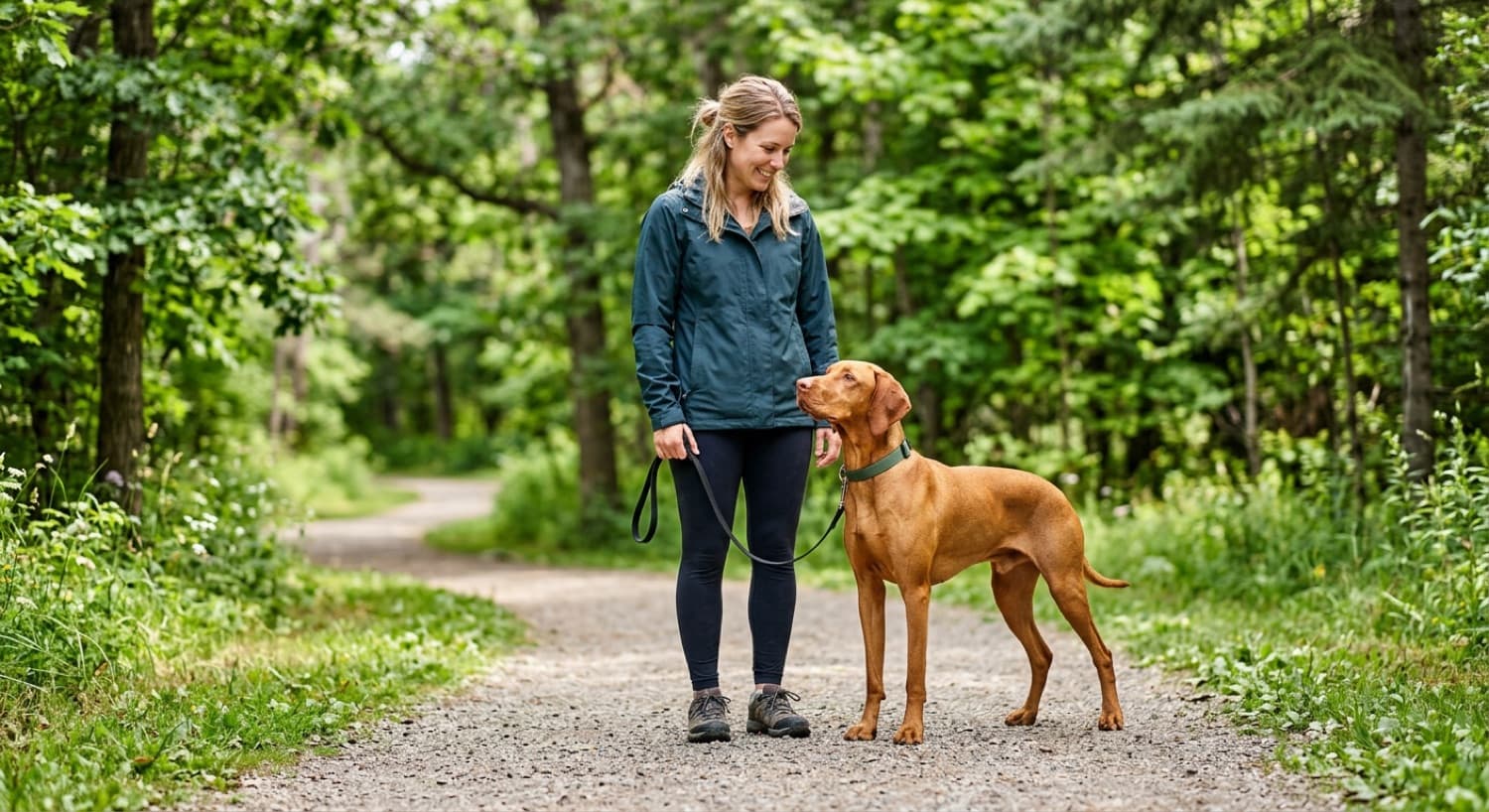
Senior Vizsla health after age ten
Vizslas reach senior status around age 10, with most living 12 to 15 years and some reaching 16 or 17 in good general health. Senior Vizsla adoption is a rewarding placement: the dogs are typically past the peak-onset window for idiopathic epilepsy and sebaceous adenitis (most diagnoses happen in young to middle adulthood), the temperament has settled, the activity level remains higher than many breeds at the same age, and the bond with a new attentive home is often deep and immediate.
Reasonable senior-care adjustments, all guided by your Edmonton vet:
- Biannual vet exams instead of annual
- Full annual senior bloodwork including liver enzymes and urinalysis
- Annual ophthalmology check (PRA progression and cataracts become more relevant with age)
- Annual cardiac auscultation with low threshold to refer for echocardiogram
- Periodic thyroid panel rechecks
- Routine dental care including professional cleanings every 12 to 18 months
- Joint support (glucosamine, chondroitin, omega-3) and prescription anti-inflammatories during arthritis flares
- Tight weight monitoring (lean is the Vizsla baseline; weight creep loads dysplastic joints)
- Climate comfort: a warm insulated coat for Edmonton -25 to -30C cold snaps, booties on salted sidewalks, indoor enrichment during the deepest cold weeks
- Increased lump monitoring (mast cell tumours and lipomas both increase in frequency from middle age)
- Tick prevention maintained year-round even as outdoor activity reduces; older dogs are more vulnerable to tick-borne disease
- Continued allergy management discipline, with same-week vet visit at any flare given thinner senior tissue
Some senior Vizslas develop canine cognitive dysfunction (disorientation, anxiety, sleep changes); your vet can advise on management options ranging from environmental adjustments to prescription medications.
Pet insurance becomes harder and more expensive to obtain for first-time enrolment past age 8, and some providers will not enrol senior Vizslas at all (particularly those with documented skin, neurological, or autoimmune findings). If you adopt a senior Vizsla, price-compare carefully and consider whether a dedicated savings account makes more sense than insurance. Talk through the math with your vet at the first visit, and discuss honest quality-of-life conversations early; for many senior Vizslas, the eventual choice is calm comfortable years rather than aggressive intervention.
Frequently asked questions
Where can I find a vet for a Vizsla near me in Edmonton?
Any reputable Edmonton general-practice clinic can handle routine Vizsla care, and the breed is uncommon enough that breed familiarity varies. At your first visit, ask whether the vet has Vizsla experience, particularly around the breed-specific conditions: idiopathic epilepsy (the most common neurological concern in the breed), autoimmune disease (sebaceous adenitis affecting the skin and polymyositis affecting muscle), atopic dermatitis, and anaesthesia planning for a lean-bodied dog with sighthound-like body composition. For specialty work, ask which Edmonton practices your general vet refers Vizslas to for neurology (epilepsy workup and refractory seizure management), dermatology (sebaceous adenitis and atopic dermatitis), internal medicine (autoimmune disease, hypothyroidism, Cushings), and oncology (the breed carries a moderate to high cancer load with lymphoma, hemangiosarcoma, mast cell tumours, and osteosarcoma documented). Edmonton has limited board-certified veterinary neurosurgical and neurology capacity, and complex referrals sometimes route to Calgary specialty centres or to the Western College of Veterinary Medicine in Saskatoon. Pre-save at least one 24-hour Edmonton emergency clinic in your phone now: a first seizure is alarming but not usually an emergency unless it lasts more than five minutes or clusters within 24 hours, and either situation requires same-night attention. The American College of Veterinary Internal Medicine (acvim.org) board-certifies the relevant neurology and internal-medicine specialties.
What are the main Vizsla health issues to know before adopting?
Vizslas carry a moderate inherited disease load with several breed-specific concerns most owners do not know about until after diagnosis. In rough order of practical importance: atopic dermatitis and environmental allergies (very common, often presents as chronic itching, paw licking, and recurrent skin or ear infections), idiopathic epilepsy (Vizsla-overrepresented, onset typically between 1 and 5 years of age), moderate to high cancer load (lymphoma, hemangiosarcoma, mast cell tumours, and osteosarcoma in older Vizslas), sebaceous adenitis (a Vizsla-noted autoimmune skin condition that destroys sebaceous glands and produces progressive coat and skin changes), polymyositis and inflammatory myopathy (Vizsla-overrepresented autoimmune muscle disease), hip dysplasia (moderate prevalence), hypothyroidism in middle age, hemophilia A in some lines (a sex-linked bleeding disorder, pre-surgical DNA screening recommended), eye conditions (cataracts and progressive retinal atrophy), patellar luxation, bloat or GDV in a deep-chested but lean-bodied dog, dental disease, Cushings disease in older Vizslas, and lifelong attention to tick-borne disease for a sporting breed with high outdoor exposure. Lifespan averages 12 to 15 years, good for a medium breed. Week-one pet insurance enrolment is essentially mandatory; the conditions on this list stack lifetime claims across skin, neurology, autoimmune, and oncology categories.
How serious is epilepsy in Vizslas?
Serious, lifelong, and Vizsla-overrepresented but generally manageable with the right vet team and pet insurance. Idiopathic epilepsy is the diagnosis given when a dog has recurrent seizures with no identifiable structural, metabolic, or toxic cause. Vizslas are one of several breeds with elevated prevalence; onset is typically between 1 and 5 years of age, and most affected dogs respond well to anti-seizure medication. Recognising a seizure: sudden collapse, paddling or jerking of the limbs, loss of consciousness, sometimes vocalisation, urination or defecation, and a confused disoriented recovery (post-ictal) phase lasting minutes to hours. A first seizure warrants a same-week vet visit for diagnostic workup (full bloodwork, bile acids, sometimes MRI to rule out structural disease at an Edmonton or Calgary specialty practice, $1,800 to $3,000). A seizure lasting more than 5 minutes (status epilepticus) or clusters of three or more seizures within 24 hours is a same-night emergency. Treatment uses phenobarbital ($30 to $60 monthly, requires periodic liver enzyme monitoring) or levetiracetam (Keppra, $60 to $150 monthly, fewer side effects but more frequent dosing) as first-line medications, sometimes combined with potassium bromide ($40 to $90 monthly) for refractory cases. Annual cost of seizure management typically runs $800 to $2,500 including medication and bloodwork. The American College of Veterinary Internal Medicine board-certifies the neurology specialty. Pet insurance enrolled before any documented seizure covers lifetime epilepsy claims; insurance enrolled afterward permanently excludes the diagnosis.
What is sebaceous adenitis and is it treatable?
Sebaceous adenitis (SA) is an inflammatory autoimmune skin disease where the immune system attacks and destroys the sebaceous glands of the skin. The result is loss of the protective oil layer, which produces progressive coat and skin changes: dry brittle hair, scaling and dandruff, hair loss in patches starting on the head and along the back, a musty odour, and secondary bacterial skin infections. Vizslas are one of several noted breeds (Standard Poodles and Akitas are the others most often discussed) with elevated prevalence. Onset is usually in young adulthood (1 to 5 years of age). Diagnosis requires a punch biopsy at an Edmonton clinic ($300 to $600) sent to a veterinary pathologist; the biopsy shows characteristic inflammation around or destruction of the sebaceous glands. Treatment is lifelong and stepwise: medicated shampoos and oil-rich emollient baths every 1 to 2 weeks ($30 to $80 monthly), omega-3 and vitamin A supplementation, immunomodulatory medications (cyclosporine at $80 to $250 monthly is first-line for moderate to severe cases), and treatment of secondary infections as they develop. Annual cost typically runs $800 to $3,000 once management is stable. The disease is not curable but is manageable, and most affected Vizslas live normal-length lives with disciplined topical and systemic management. The American College of Veterinary Dermatology (acvd.org) board-certifies the specialists who manage refractory cases.
What is polymyositis in Vizslas?
Polymyositis is an autoimmune inflammatory muscle disease where the immune system attacks the dogs own muscle tissue. A breed-specific form called Vizsla inflammatory polymyopathy is documented in the veterinary literature, with onset typically in young to middle-aged adults. Clinical signs include muscle weakness (often starting with difficulty swallowing or regurgitation as the muscles of the oesophagus and throat are affected), muscle wasting visible along the head and limbs, exercise intolerance, a stiff or stilted gait, and in advanced cases drooling and aspiration pneumonia from swallowing difficulty. Diagnosis combines clinical signs, elevated muscle enzymes on bloodwork (creatine kinase), electromyography, and muscle biopsy at an Edmonton internal-medicine specialty practice. Diagnostic workup typically runs $1,500 to $3,500. Treatment uses immunosuppressive medication (prednisone tapered over months, sometimes combined with cyclosporine or azathioprine) at $50 to $200 monthly with ongoing bloodwork monitoring. Many cases respond well to treatment; some require lifelong medication and others go into long-term remission. Aspiration pneumonia from oesophageal involvement is the main life-threatening complication and warrants same-night emergency care. The American College of Veterinary Internal Medicine board-certifies the relevant specialty.
How worried should I be about cancer in an adopted Vizsla?
Worried enough to plan, calm enough to live with the dog you adopted. Vizslas carry a moderate to high cancer load relative to the dog population, with lymphoma, hemangiosarcoma, mast cell tumours, and osteosarcoma documented at elevated rates. Cancer is among the most common causes of death in older Vizslas, as it is for many sporting breeds. Practical implications: annual senior wellness exams from age 7 with full bloodwork and physical exam, any new lump checked by fine-needle aspirate within weeks rather than wait-and-see, and pet insurance enrolled in week one with an annual cap of $15,000 or more. Lymphoma typically presents as enlarged peripheral lymph nodes (under the jaw, in front of the shoulders, behind the knees) and CHOP chemotherapy at an Edmonton oncology specialty practice runs $6,000 to $10,000 over 19 to 25 weeks with median survival of 12 months. Hemangiosarcoma often presents as sudden collapse from internal bleeding (the spleen is the most common site); emergency surgery and chemotherapy runs $8,000 to $14,000 with shorter median survival. Mast cell tumours present as new skin lumps that may change size, redden, or ulcerate, and aspirating any new lump rather than watching it is the rule. Surgical excision with appropriate margins at $1,200 to $3,000 cures most low-grade mast cell tumours. Osteosarcoma (bone cancer) presents as persistent lameness in middle-aged or older Vizslas; amputation and chemotherapy is the standard treatment.
What about hip dysplasia and other orthopaedic concerns?
Hip dysplasia is moderate prevalence in Vizslas, lower than in Goldens or Labradors but worth screening for. Hip dysplasia is the abnormal development of the hip joint that leads to arthritis over time; diagnosis is by radiographic grading through the Orthopedic Foundation for Animals (ofa.org) or PennHIP at an Edmonton clinic ($300 to $600 with sedation and films). Most mild to moderate cases manage with weight control, joint supplements (glucosamine, chondroitin, omega-3), anti-inflammatory medication during flares, and structured low-impact exercise. Severe cases benefit from femoral head ostectomy at $3,000 to $5,000 or total hip replacement at $7,000 to $10,000 per hip at an Edmonton or Calgary specialty practice. Patellar luxation (kneecap dislocation) is moderate prevalence in Vizslas and produces a characteristic intermittent hindlimb skip. Grades 1 and 2 (mild) often need no treatment beyond weight management. Grades 3 and 4 (moderate to severe) benefit from surgical correction at $3,000 to $5,000 per knee. Elbow dysplasia is lower prevalence than in Goldens. Vizslas are athletic and active well into senior years, and lean body condition (body condition score 4 to 5 of 9) reduces orthopaedic wear substantially.
My Vizsla is itchy all the time. Is that allergies?
Probably yes, and atopic dermatitis is one of the most common Vizsla health conditions. The breed has elevated prevalence of allergic skin disease driven by environmental allergens (dust mites, pollens, moulds) and food sensitivities. Presentation is chronic licking (paws and belly are classic sites), scratching, recurrent ear infections, recurrent paw and skin infections, and reddened skin in the armpits, belly, and feet. Edmonton allergens peak from May through September when grass and tree pollens are heaviest; many Vizsla owners notice the worst flares in late summer. Diagnosis is by exclusion of parasitic and infectious causes plus intradermal or serum allergy testing at an Edmonton dermatology specialty practice ($400 to $800). Treatment uses a stepwise approach: topical medicated shampoos and conditioners ($30 to $80 monthly), Apoquel or Cytopoint to control acute itch ($80 to $200 monthly), and allergy-specific immunotherapy (sublingual drops or injections) for long-term management ($60 to $150 monthly). Food trials using novel-protein or hydrolysed-protein prescription diets identify food allergies in a subset of cases. Annual cost typically runs $400 to $2,000 once management is stable. Pet insurance enrolled before any documented skin or ear condition covers the lifetime claim load; insurance enrolled afterward permanently excludes atopy.
What is hemophilia A and does my Vizsla need to be tested?
Hemophilia A is a sex-linked recessive bleeding disorder caused by a deficiency of clotting factor VIII. It is documented in some Vizsla lines (and in many other breeds) and presents most often in males. Affected dogs bleed excessively during surgery, after trauma, after dental cleanings with extractions, or spontaneously into joints producing intermittent lameness. Severe cases may show signs in puppyhood; mild cases sometimes go undetected until an adult surgical procedure produces unexpected haemorrhage. DNA testing for breed-specific factor VIII mutations is available from veterinary genetics labs ($80 to $200), and a clotting factor activity assay at an internal-medicine specialty practice is the definitive functional test ($300 to $600). For any Vizsla scheduled for surgery (spay or neuter, gastropexy, dental cleaning with extractions, soft-tissue surgery) where breeding history is unknown, ask your Edmonton vet about pre-surgical clotting screening (a basic buccal mucosal bleeding time test runs $50 to $100 and is a reasonable starting point). Affected dogs can still safely undergo surgery with planning: pre-operative fresh frozen plasma transfusion and careful surgical haemostasis manage the bleeding risk. Knowing the diagnosis in advance prevents an emergency intraoperative crisis.
What is the Vizsla anaesthesia profile?
Vizslas are lean, low-body-fat dogs more comparable to a Whippet or Greyhound in body composition than to a Labrador, and that lean profile affects anaesthesia planning. Sighthound-style breeds metabolise some anaesthetic agents differently than higher-fat breeds, and the lower body fat means less buffer for fat-soluble drugs and slower recovery from some protocols. Vizslas are not as extreme on this axis as true sighthounds, but the consideration is real. Practical implications for your Edmonton vet: discuss anaesthesia protocol before any planned procedure (spay or neuter, gastropexy, dental cleaning, mass removal); modern multi-drug protocols using propofol, alfaxalone, and short-acting agents work well in lean-bodied dogs; avoid older protocols heavy on thiopental and acepromazine; and ensure pre-anaesthetic bloodwork is current (CBC, chemistry panel including liver and kidney values, and a clotting profile if hemophilia A status is unknown, $150 to $300). Body temperature monitoring during and after anaesthesia matters more in lean dogs; recovery hypothermia is more common, and warming blankets or forced-air warming devices should be standard. Most Edmonton clinics that see sporting breeds regularly handle this routinely; if your vet is unfamiliar with the lean-bodied consideration, ask specifically about it before any procedure. The American College of Veterinary Anesthesia and Analgesia board-certifies the relevant specialty for complex cases.
Should I get pet insurance for an Edmonton rescue Vizsla?
Yes, and enrol in week one. Every Canadian provider excludes pre-existing conditions, and the timeline starts the day you adopt. The Vizsla-specific value math is unusually strong because the breed stacks predictable lifetime claims across categories: chronic allergy and skin management ($400 to $2,000 annually), epilepsy management if it develops ($800 to $2,500 annually), autoimmune disease workup and treatment (sebaceous adenitis or polymyositis at $1,500 to $5,000 annually), cancer treatment if it develops (typically $6,000 to $14,000 per major diagnosis), and orthopaedic possibilities ($3,000 to $10,000 per hip or knee). Monthly premiums for a young healthy Vizsla in Edmonton typically run $55 to $90 depending on deductible and reimbursement percentage. Look for explicit hereditary and congenital coverage, annual caps of $15,000 or more, explicit coverage of chronic skin and ear conditions, coverage of epilepsy and autoimmune disease (some policies have specific exclusions buried in appendices), and reasonable wait times for hereditary and orthopaedic conditions. Read coverage clauses carefully and ask the carrier explicitly: Does this policy cover idiopathic epilepsy, sebaceous adenitis, polymyositis, and atopic dermatitis in a Vizsla without separate exclusion or sub-limit? Compare three to four providers before enrolling.
Related Edmonton Vizsla guides
Edmonton Adoptable Dogs
Current Edmonton-area Vizsla and Vizsla-mix listings from SCARS, Zoe's, EHS, GEARS, Hope Lives Here, AHHRB, and AARCS Edmonton fosters.
Vizsla Adoption Edmonton
Rescue sources, real adoption costs, surrender patterns, Vizsla vs Vizsla-mix availability, and the breed-vs-buy reframe for Edmonton adopters.
Vizsla Separation Anxiety Edmonton
Why the ‘Velcro dog’ breed has the highest-cited separation anxiety load in the sporting group, and the Edmonton management plan that works.
Vizsla Exercise Needs Edmonton
The 90-minute-minimum daily exercise reality, river-valley running routes, winter alternatives, and the under-exercised Vizsla pattern that produces destructive behaviour.
Find your Edmonton rescue Vizsla
Vizslas and Vizsla mixes are uncommon in Edmonton rescue but appear periodically. Foster temperament notes help you flag any documented seizure history, skin condition, allergy load, or anaesthesia experience before you apply, and your first-month vet workup builds the neurological, dermatological, orthopaedic, and metabolic baselines that protect the next decade.
Browse All Edmonton Dogs →New dog? Start with these care guides
Everything a new adopter needs to set up a safe, happy home.