1 Australian Shepherd puppy available in British Columbia
Under a year old, listed by rescues and shelters. Updated as shelters publish.
Showing 4 dogs

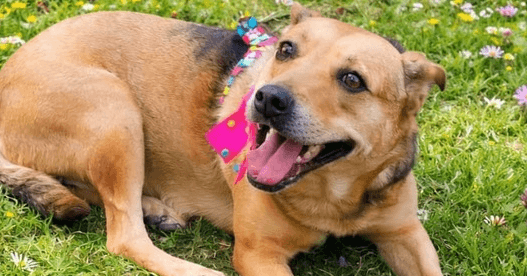
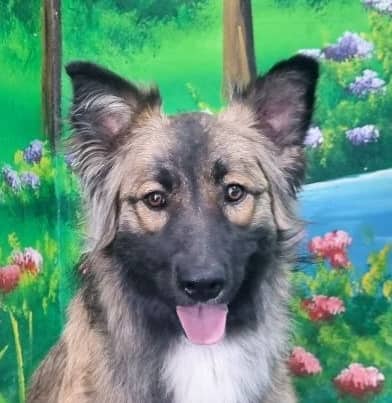
Get notified when an Australian Shepherd is listed
We will email you the moment an Australian Shepherd becomes available in British Columbia, from a rescue or an owner rehoming.
Adopting an Australian Shepherd in British Columbia
The Australian Shepherd is one of the fastest-growing breeds in BC, and that popularity is exactly why Aussies now turn up in rescue. Rescues across Vancouver, Victoria, Kelowna and Nanaimo see Australian Shepherds and Aussie crosses regularly. The breed has moved from ranch dog to trendy companion, and the homes that picked the look without the lifestyle are where rescue dogs come from. The Interior, where the breed still works real ranches, sends a steady share too.
This page pulls every adoptable Australian Shepherd from the launched BC shelters into one searchable place, refreshed regularly. Searching province-wide matters for a high-demand breed. An Aussie in Kelowna or on the Island is worth the trip, and most rescues will arrange a meet at the foster home regardless of where you live.
Why Australian Shepherds cycle through BC rescue
Most Aussie surrenders trace to the same gap: the breed looks like a pretty family dog and behaves like a working herding dog. An Australian Shepherd is intelligent, intensely energetic, and bred to work livestock all day. Dropped into a home that wanted a photogenic companion, it gets bored, and a bored Aussie invents jobs: herding the kids, patrolling the fence, spinning, barking. The household calls it hyperactive. It is under-employed. Foster homes pick these dogs up between eight and eighteen months.
There is a second, quieter reason. Aussies carry the merle coat pattern, and the marbled look sells. Some backyard breeders pair two merle dogs to produce more merle puppies, which is genetically reckless. A double-merle Aussie has a high chance of being deaf, blind, or both. Some of those dogs end up in rescue. Responsible breeders never make that pairing. The pet market does.
Drive, herding instinct, and the merle question
Two things define life with an Australian Shepherd. The first is drive. An Aussie needs a real outlet every day, and like the Border Collie, mental work matters as much as physical exercise. Training, scent games, agility, herding lessons where you can get them, a structured job of some kind. BC trail networks help, but an Aussie that gets a long walk and nothing else is still an unsatisfied dog by evening.
The second is the herding instinct, which shows up as more than energy. Aussies move things. They will try to herd children, cats, cyclists, and joggers, usually by circling and sometimes by nipping at heels. With training this is manageable, and many Aussies live happily with kids and other pets. If you are looking at a merle Aussie from rescue, the foster can tell you whether the dog has had its hearing and vision checked. A single-merle dog is perfectly healthy. A double-merle dog needs an adopter who understands and accepts deafness or vision loss, and those dogs can still be wonderful companions in the right home.
Health concerns worth asking the foster about
Australian Shepherds are a reasonably hardy breed with a few specific concerns. The most important for any vet visit is the MDR1 gene mutation, which is common in the breed and affects how a dog processes certain medications, including some common dewormers and anesthetics. Tell your vet the dog is an Aussie or Aussie cross before any treatment. The breed also sees hip dysplasia, eye conditions including collie eye anomaly and cataracts, and epilepsy in some lines. A double-merle dog may be deaf or visually impaired. A foster who has lived with the dog knows how it moves, sees, and hears. Ask directly.
What Australian Shepherds are actually like to live with
The Aussie is a brilliant, devoted, trainable dog, and for the right active household it is a joy. The harder parts are why so many end up in rescue:
- Need daily mental work, not just exercise. A physically tired Aussie with a bored mind still does not settle.
- Herding instinct on movement. Children, cats, cyclists, and joggers can all trigger circling or heel-nipping.
- Intensely bonded. Aussies want to be with their person and can struggle with long days alone.
- Vocal. Many Aussies bark at movement and arrivals. Condo neighbours in dense Vancouver buildings notice.
- Double coat that sheds. The coat handles BC weather well but sheds steadily and blows out twice a year.
- Sensitive. Aussies respond to force-free training and shut down under harsh handling.
- Long adolescence. Expect a drivey, testing dog from eight months to roughly two years.
What the fee usually covers
Australian Shepherd adoption fees at BC rescues sit in the same range as other medium rescue dogs in the province. The fee covers spay or neuter, core vaccinations, microchip, deworming, and a vet check before placement. Confirm the exact number on the dog's own listing.
How to actually search
Use the filters above to narrow by energy level (Aussies are high), size (medium), age, compatibility (especially around small children and cats, because of the herding instinct), and shelter. If a dog fits, apply the same day, because Aussies are in demand across BC. Foster homes are usually willing to set up a video call before you travel.
Looking more broadly? Browse every adoptable dog across the province on Dog Adoption British Columbia.
Australian Shepherd Adoption FAQ — British Columbia
Tap a question to expand
How many Australian Shepherds are available for adoption in British Columbia?▼
Where can I find Australian Shepherd adoption near me in British Columbia?▼
Why are there so many Australian Shepherds in BC rescue?▼
Are Australian Shepherds good family dogs?▼
What is a double-merle Australian Shepherd?▼
Does the BC climate suit an Australian Shepherd?▼
How much does it cost to adopt an Australian Shepherd in British Columbia?▼
Is LocalPetFinder an Australian Shepherd rescue?▼
What is the difference between a Standard, Mini, and Toy Australian Shepherd?▼
Can I get an Australian Shepherd free to a good home in British Columbia?▼
Are these Australian Shepherds for sale in British Columbia?▼
Where can I buy an Australian Shepherd in British Columbia, and should I?▼
Are there free Australian Shepherds in British Columbia, or australian shepherds under $500?▼
Are there Australian Shepherd puppies in British Columbia, or only adults?▼
Where can I find an Australian Shepherd near me in British Columbia?▼
Popular dog breeds in British Columbia
Australian Shepherd adoption by city in British Columbia
Each city page lists only the australian shepherds available from rescues serving that city, with local adoption details.
Need to rehome a Australian Shepherd?
If you can no longer keep your Australian Shepherd, you can list them for free on LocalPetFinder. Your dog stays in your home until you find the right family, you screen who applies, and there is no surrender fee. Not sure yet? Our guide to surrendering a dog in Canada walks through every option first.
List your dog for free →