The short answer
A Husky suits an active household that enjoys daily exercise in all weather, does not mind heavy shedding, can keep the dog on lead or behind secure fencing, and will not leave it alone for long days. It is a poor fit for a mostly sedentary home, for someone who needs reliable off-lead recall, or for a hot climate without air conditioning. A well-matched adult from a rescue is often an easier start than a puppy.
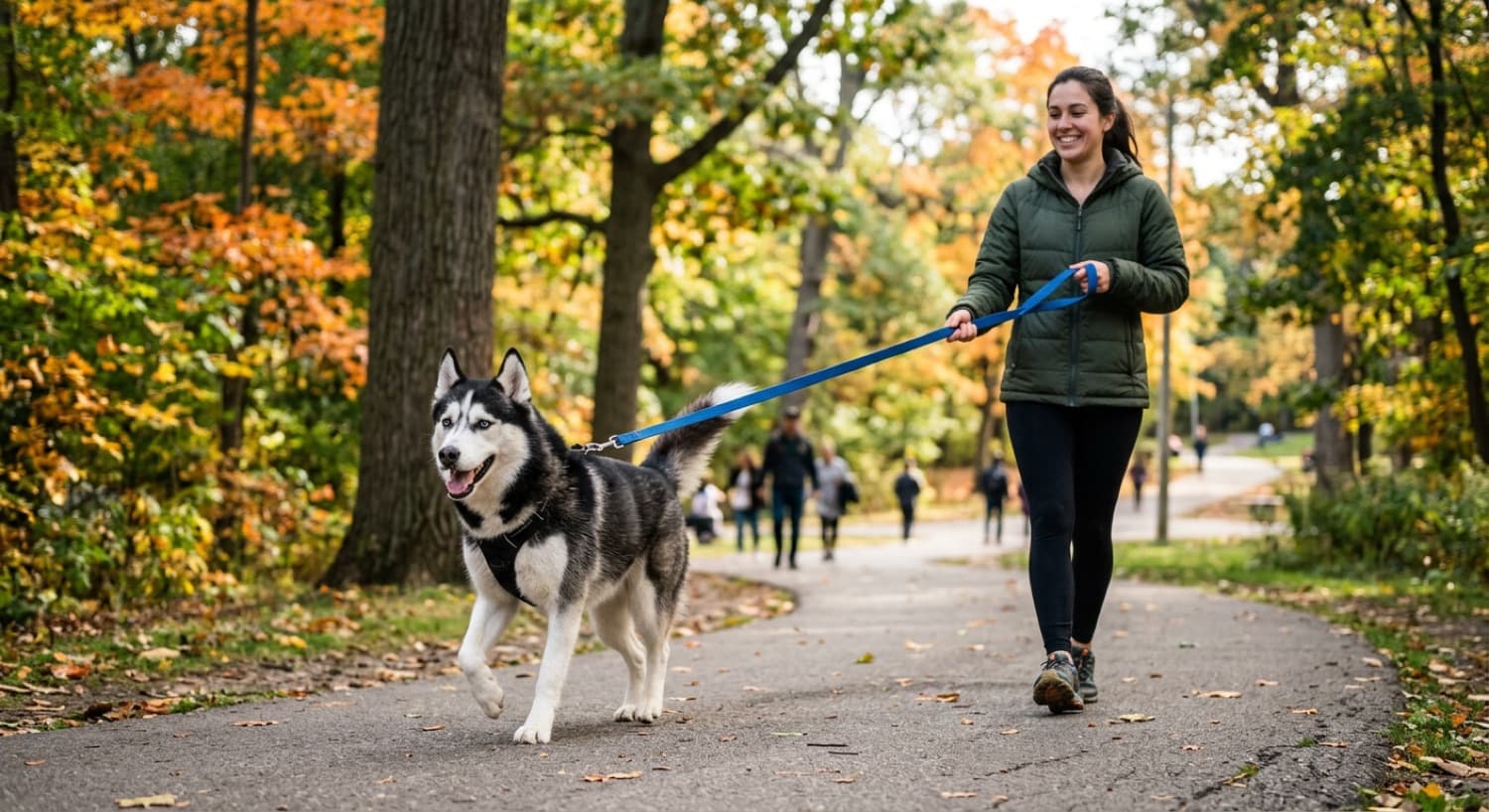
What the breed is
The Canadian Kennel Club describes the Siberian Husky as friendly and gentle, with an outgoing personality and an eager, happy disposition. It was developed by the Chukchi people of northeastern Siberia to pull sleds and herd reindeer, is an active breed that prefers the outdoors and needs lots of regular exercise, and has a thick double coat that needs thorough, regular brushing. Males stand 21 to 23.5 inches and weigh up to about 60 lb.
The honest checklist
A Husky is likely to fit if most of these are true:
- You enjoy daily exercise, ideally running, hiking or long walks, in winter and summer.
- You can keep the dog on lead or in a securely fenced area outdoors.
- Hair on clothes and furniture will not bother you, and you will brush regularly.
- Someone is home for much of the day, or you can arrange a walker or daycare.
- You have a plan for hot weather: cool indoor space and exercise early or late.
- You are comfortable with a friendly dog that will not act as a guard dog.
Browse adoptable Siberian Huskies
Ask the rescue about the dog’s energy, escape history, how it copes alone and how it does with cats and small pets.
See Available Siberian Huskies →Exercise and a busy mind
Under-exercised Huskies tend to find their own entertainment, such as digging, chewing and howling. Plan on daily physical activity plus brain work: scent games, food puzzles, training sessions and, for many, harness sports such as canicross or bikejoring once the dog is fully grown.
Fences, leads and recall
A dog bred to run long distances can cover ground fast. Walk your Husky on lead or a long line, check fences for gaps and digging spots, and keep gates closed. Train recall with rewards, but most owners do not rely on it in unfenced areas. The American Veterinary Society of Animal Behavior recommends reward-based training for all dogs.
Coat, shedding and heat
The double coat sheds steadily and heavily in seasonal blows. Never shave it; the coat insulates against heat as well as cold. See our Husky grooming guide for tools and routines. In hot weather, exercise in the cool of the day and provide shade, water and a cool indoor space.
Frequently asked questions
Is a Husky a good first dog?
It can be for an active, prepared first-time owner, but the exercise, shedding and management needs are real. A calm adult from a rescue is often an easier start.
Can a Husky live in an apartment?
Some do well with very committed owners who provide plenty of daily exercise. It is harder than in a home with outdoor space.
Do Huskies shed a lot?
Yes. The thick double coat sheds year-round and heavily in seasonal blows. The Canadian Kennel Club says it needs thorough, regular brushing.
Are Huskies good guard dogs?
Generally not. The CKC describes the breed as friendly, gentle and outgoing.
Can a Husky be off lead?
Most owners keep them on lead or in secure, fenced areas. Train recall, but do not rely on it near roads.
Can Huskies live in warm climates?
With care: a cool indoor space, shade, water and exercise in the coolest part of the day. Never shave the coat.
Sources
- Canadian Kennel Club: Siberian Husky: friendly, gentle; sled origin; needs lots of exercise; double coat and brushing; size
- American Veterinary Society of Animal Behavior: Position Statement on Humane Dog Training: reward-based training recommended
General information to help you decide. A rescue that knows the individual dog is the best guide to whether it suits your home.
Related guides
New dog? Start with these care guides
Everything a new adopter needs to set up a safe, happy home.