The short answer
Learn the signs of bloat (retching without producing anything, a swollen belly, restlessness) and ask your vet about a preventive gastropexy. Get every new lump sampled. Keep the dog lean for its hips and give it a coat in deep cold. Price pet insurance in your first week.
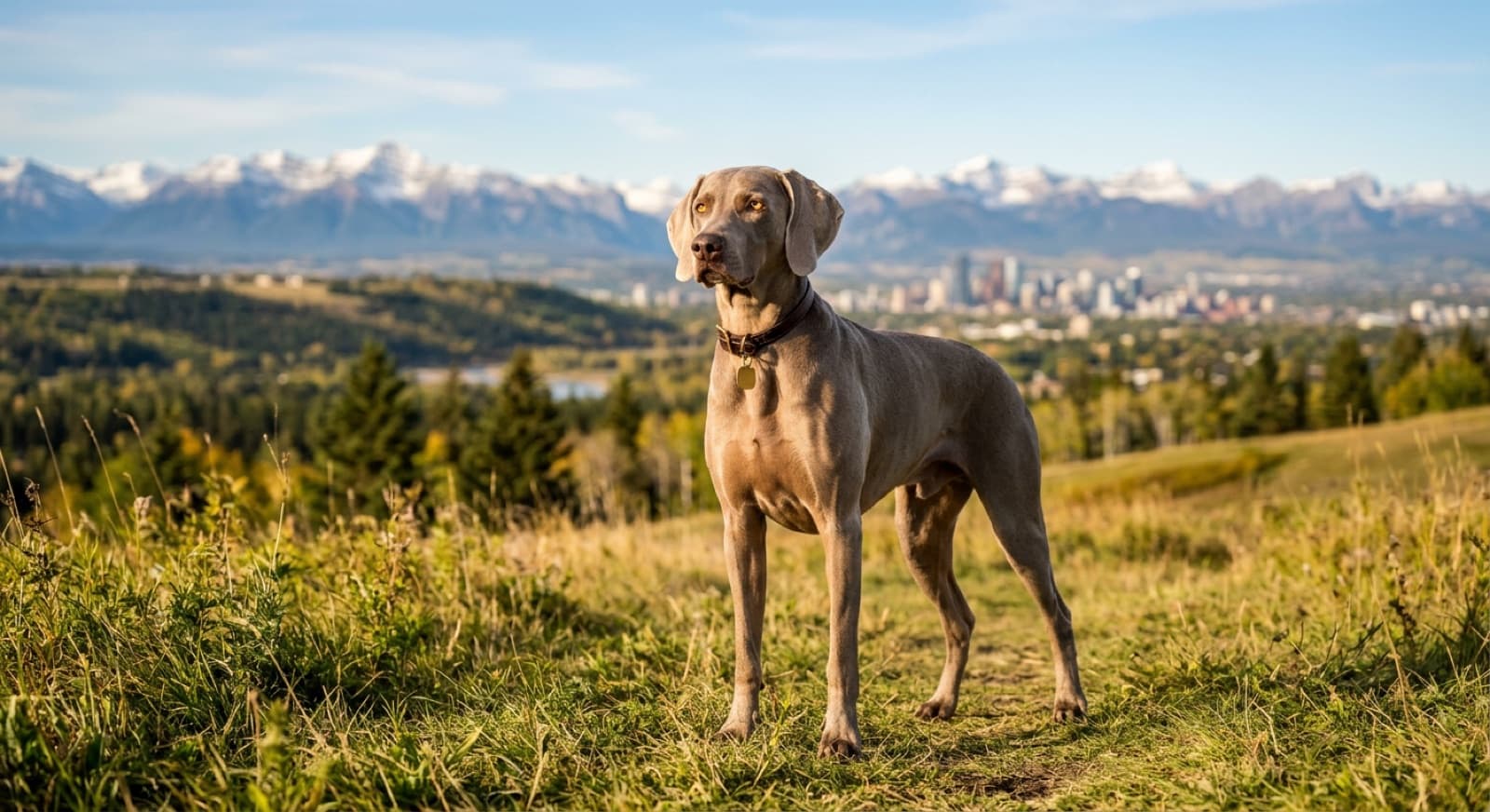
Bloat (GDV)
VCA Animal Hospitals names the Weimaraner among the deep-chested breeds at risk of gastric dilatation-volvulus, where the stomach fills with gas and twists. Retching without producing anything, a swollen or tight belly, drooling, restlessness and laboured breathing need emergency care within minutes to hours.
A preventive gastropexy, often done at the time of a spay or neuter, attaches the stomach to the body wall and prevents the twist in most dogs. It is worth discussing with your vet. Our Great Dane bloat guide covers the signs and what happens at the clinic in more detail.
Browse adoptable Weimaraners
Ask the rescue whether your Weimaraner has had a gastropexy.
See Available Weimaraners →Lumps
Weimaraners are on VCA’s list of breeds prone to mast cell tumours, which can look like an insect bite or a harmless bump. Every new lump deserves a quick needle sample; low-grade tumours caught early are often cured with surgery.
Hips and growth
Hip dysplasia occurs in active, large breeds. VCA stresses lean growth, a large-breed growth diet and steady, low-impact exercise. Weimaraner puppies grow fast and are full of energy, so avoid forced running and repetitive jumping while they grow.
Cold and everyday care
The short, single coat gives little protection in a Canadian winter. Use a coat for long outings in deep cold and dry the dog after wet walks. See a vet for repeated vomiting or a painful belly, since a swallowed object can cause a blockage.
The first vet visit after adoption
Ask about gastropexy, a full lump check, a hip and joint assessment, a body condition score and baseline bloodwork. Bring the rescue’s records.
Price pet insurance the same week. Every Canadian provider excludes conditions documented before enrolment, and bloat surgery and tumour removal are the major costs in this breed.
Frequently asked questions
What are the most common Weimaraner health issues?
Bloat, mast cell tumours, hip dysplasia and sensitivity to cold.
Are Weimaraners prone to bloat?
Yes. VCA lists them among the deep-chested breeds at risk. Learn the signs and ask your vet about a preventive gastropexy.
Should I worry about lumps on my Weimaraner?
Have each new lump sampled. Weimaraners are prone to mast cell tumours, and early removal is often curative.
Do Weimaraners need a coat in winter?
For long outings in deep cold, yes. Their short, single coat gives little insulation.
How do I recognise bloat?
Retching without producing anything, a swollen or tight belly, drooling, restlessness and laboured breathing. Go straight to an emergency vet.
Should I get pet insurance for a rescue Weimaraner?
It is worth pricing in your first week. Canadian pet insurance excludes conditions documented before enrolment, and bloat surgery is a large, sudden cost.
Sources
- VCA Animal Hospitals: Gastric Dilatation and Volvulus: Weimaraner named; urgency; gastropexy
- VCA Animal Hospitals: Mast Cell Tumors in Dogs: Weimaraner named; needle sampling; surgery
- VCA Animal Hospitals: Hip Dysplasia in Dogs: lean growth, diet and exercise advice
General information, not veterinary advice. Diagnosis and treatment decisions belong with your veterinarian.
Related guides
New dog? Start with these care guides
Everything a new adopter needs to set up a safe, happy home.