The short answer
Winnipeg Humane Society is the largest and oldest rescue in Manitoba. Best for first-timers and adopters who want broad selection and an in-person shelter visit. D'Arcy's ARC is a foster-based no-kill rescue with cats vetted in real homes. Best for adopters who want a foster's read on personality. Craig Street Cats runs trap-neuter-return for community cats. It permanently closed its adoption centre in 2025, so it is who you call about a colony, not about adopting.
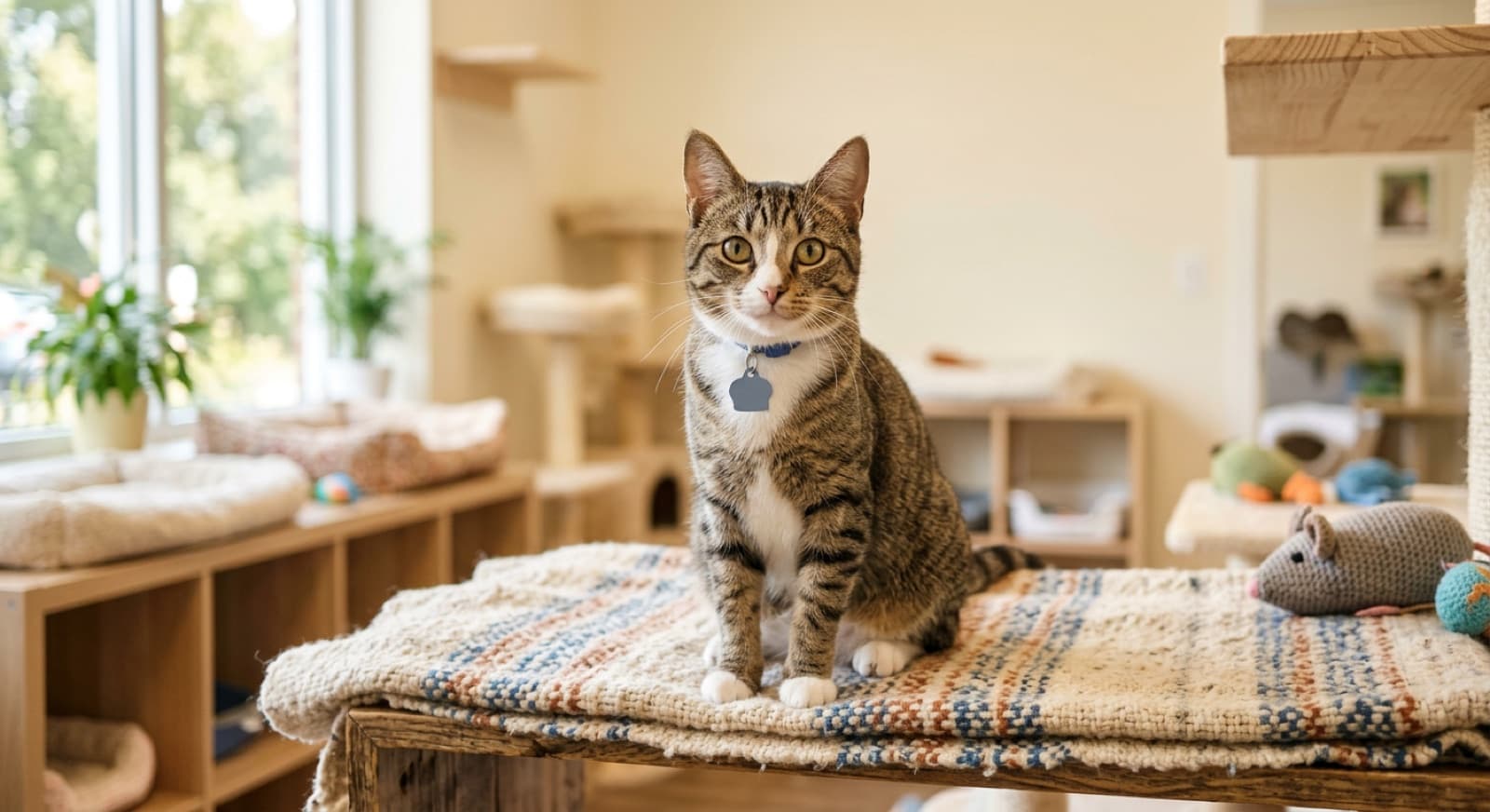
Winnipeg's cat rescue scene is smaller than Toronto's or Vancouver's, but it is well organised and the adoption fees are some of the lowest in the country. The Winnipeg Humane Society absorbs most of the open-admission caseload from its facility on Hurst Way. D'Arcy's ARC runs a foster network out of Century Street. And Craig Street Cats handles the harder, less visible work of stabilising the free-roaming colonies across the city.
Both the Winnipeg Humane Society and D'Arcy's ARC are featured on LocalPetFinder Winnipeg, where you can browse their available cats in one place with filters for size, age, coat length, and compatibility (good with kids, dogs, other cats). Listings update regularly.
Quick comparison
| Rescue | Type | Cats available | Best for |
|---|---|---|---|
| Winnipeg Humane Society | Open-admission shelter | 22 | In-person visits, broad selection |
| D'Arcy's ARC | Foster-based, no-kill | 17 | Foster profiles, detailed personality reads |
| Craig Street Cats | TNR + community-cat adoption | Varies | Colony caretakers, socialised colony cats |
The Winnipeg cat rescue landscape
1. Winnipeg Humane Society
22 catsFounded in 1894, the Winnipeg Humane Society is the oldest animal welfare organisation in Manitoba and the largest cat rescue in the city. From its facility at 45 Hurst Way, WHS finds homes for thousands of animals a year, runs the SNAP spay/neuter assistance program, and operates the low-cost WHS Shelter Clinic. Every cat is spayed or neutered, vaccinated, dewormed, and microchipped before adoption. The in-person shelter visit makes this the easiest starting point for first-time adopters.
2. D'Arcy's ARC (Animal Rescue Centre)
17 catsD'Arcy's ARC is a foster-based no-kill rescue at 730B Century Street, founded in memory of D'Arcy Johnston. The organisation receives no government funding and runs entirely on donations and community programmes, including two thrift stores. Cats are vetted in foster homes, so each profile carries a real personality read from someone who has lived with the cat. The structured four-step adoption process takes longer than a walk-in shelter, but you get a clearer sense of the cat before you commit.
3. Craig Street Cats
Community cats & TNRCraig Street Cats has run trap-neuter-return for Winnipeg's feral and free-roaming colonies since 2008. They trap, sterilise, vaccinate, ear-tip, and return colony cats, and they train volunteer Community Trappers. Socialised cats and kittens pulled from colonies are adopted out rather than returned, so their available cats tend to be friendly cats with a tougher start in life. If you are managing a colony, feeding a stray, or you live on an acreage with farm cats, this is the rescue to call. Their adoptable cats are listed on their own website.
The cost reality
Winnipeg cat adoption fees run about $75 to $229 in 2026, which is noticeably lower than Toronto or Vancouver. Most adult cats fall at the bottom of that range. Kittens are at the top because their early vet care is more expensive: multiple booster rounds, an extra deworming, growing-cat surgery timing. Senior cats (usually 10+) and FIV+ cats often have reduced fees because rescues actively try to move them faster.
Every Winnipeg rescue fee includes the same core package: spay or neuter surgery, core vaccinations (FVRCP, rabies once old enough), deworming, flea treatment as needed, and a microchip. Most also include FIV/FeLV testing on intake.
The comparison most adopters miss is what that same vet work costs done privately. A kitten from an unfixed acquaintance, even “free,” will cost you roughly $400 to $700 in vet work over the first six months to bring them up to the standard the rescue already paid for. The adoption fee is the cheaper path before you even count the cat. The WHS Shelter Clinic and SNAP program also offer low-cost spay/neuter if you acquire a cat off-platform and need to get it fixed.
Best for...
First-time adopters
Winnipeg Humane Society. Visit the shelter, meet cats in person, talk to an adoption counsellor, and potentially go home with a cat the same day. The in-person process is more forgiving than a foster-based screening for someone who has never adopted before. D'Arcy's ARC is a strong second choice if you want a foster's detailed temperament read before committing.
Adopters who want detailed personality info
D'Arcy's ARC. Foster-based rescues always beat shelter rooms for behaviour information because the foster has weeks of observation, while a cat in an adoption area may behave very differently in a home. If a cat's fit with kids, dogs, or other cats matters to you, a foster-written profile is the most reliable source.
Senior cat adoption
Winnipeg Humane Society and D'Arcy's ARC both have senior cats year-round. Senior cats (10+) are calmer, almost always litter-trained, have settled personalities staff can describe accurately, and usually carry reduced fees. They also tend to be available immediately, skipping the kitten-season waitlist. A senior cat is often the easiest cat to live with for a first-time adopter.
Community-cat caretakers
Craig Street Cats. If you are feeding a stray, managing a colony behind a business, or dealing with farm cats on an acreage, this is the rescue with the trapping expertise and the TNR surgery cycles. They will help you trap humanely rather than leaving you to do it alone, and they place the socialised colony cats in homes.
FIV+ or FeLV+ cat adoption
Winnipeg rescues take in FIV+ cats and place them with educated adopters. FIV+ cats live normal lifespans on regular food and routine vet care; they need to stay indoors and avoid fighting with FIV-negative cats. FeLV+ is more serious and rarer, but does appear. Fees on FIV+ and FeLV+ cats are usually reduced. The biggest barrier these cats face is adopter unfamiliarity, so if you are open to it, tell the rescue. They will have someone for you.
Kitten adoption
All three rescues handle kittens, but supply depends heavily on the season. Late spring through early fall is kitten flood season in Winnipeg. Craig Street Cats in particular pulls many kittens out of colonies during this window. Winter kittens are scarcer at every rescue. If you must have a specific kitten age or look, check LocalPetFinder Winnipeg daily during peak season.
Winnipeg kitten season and the overlooked adult cats
Cat rescue inventory in Winnipeg swings sharply with the seasons. Cats are seasonal breeders, and prairie cat reproduction effectively pauses through the deep-winter months. From late spring through September, kittens flood every Winnipeg rescue. The Winnipeg Humane Society fills its adoption areas with weaned litters, D'Arcy's ARC fosters split between bottle-feeders and older kittens, and Craig Street Cats pulls socialised kittens out of colonies faster than they can place them.
The structural problem this creates: adult cats get overlooked. An adult cat sitting at the Winnipeg Humane Society in July is competing against a room of week-old fluff. The same cat in February has the room mostly to itself. If you are flexible on age, adopting outside of kitten season is faster and cheaper, and the adult cats waiting are the ones who lost the kitten-season lottery, not problem cats.
If you want a kitten: apply in late spring through early fall, expect a waitlist, and move fast when a litter is posted. If you want a cat: apply anytime. Adult cats in their second or third year are the most overlooked group at every Winnipeg rescue, and the easiest to settle into a home.
Winnipeg requires a cat licence for cats over six months under the Responsible Pet Ownership By-law, and every Winnipeg rescue places cats as indoor-only by adoption agreement. That matters more here than in milder cities: a -40°C wind chill cold snap, urban coyotes along the Red and Assiniboine river corridors, and traffic on Portage and Pembina all make an escaped cat a real emergency.
How the application process works
Application anxiety is the most common reason people delay starting an adoption. The process is straightforward across Winnipeg cat rescues. Specifics vary (check each website for current forms and timelines), but the structure below is broadly accurate across the local rescue community.
Step 1: Submit an application
The Winnipeg Humane Society also accepts in-person interest at the Hurst Way facility, while D'Arcy's ARC and Craig Street Cats use application forms on their websites. Plan for 20 to 40 minutes to complete a thoughtful application; the better your answers, the faster the rest of the process moves.
Step 2: Reference checks
Most rescues call your current vet (if you have or have had pets) and one or two personal references. Tip: tell your vet you are applying so they take the call promptly. Reference checks are the most common delay; missed calls can stall an application for days.
Step 3: Phone screen or counsellor chat
A foster coordinator or adoption counsellor walks through your application, answers your questions about specific cats, and confirms household details. Come ready to discuss your routine, the cat's likely fit, and how you would handle the adjustment phase.
Step 4: Meet-and-greet
At the Winnipeg Humane Society you meet cats in the adoption areas at the shelter. For foster-based rescues like D'Arcy's ARC, you meet the cat at the foster home, where you can see how it behaves in a real living space.
Step 5: Adoption contract and fee
Sign the contract, pay the adoption fee, and bring your new cat home. Winnipeg cat adoption fees typically run about $75 to $229; kittens are higher and seniors are usually lower. All fees include spay or neuter, core vaccinations, deworming, and a microchip.
What rescues ask in the application
Specific questions vary by rescue but the categories below are universal. Prepare thoughtful answers before you start; rushed answers are the most common reason applications get flagged for follow-up.
- Household composition: who lives in your home, ages of children, other pets (species, age, temperament, spay/neuter status)
- Housing: own or rent, landlord pet policy in writing, indoor space, and confirmation the cat will be indoor-only (every Winnipeg cat rescue requires this)
- Daily routine: hours away from home, who handles feeding, litter, and enrichment during the day
- Experience with cats: previous cats, comfort with specific behaviours, awareness of normal versus problem behaviour
- Vet history: current vet (if any), previous pets' medical history, willingness to maintain vaccinations and preventive care
- This specific cat: why this cat, your understanding of its noted personality and any special needs, and how you would handle the adjustment phase (the 3-3-3 rule for cats)
- Backup plan: what happens if you cannot keep the cat (return to the rescue is required by most contracts)
What to do if you are not approved
Rescues sometimes decline a specific application because the cat is not the right match for that household, not because the household is unsuitable to adopt. Common reasons: the cat needs to be the only pet, the cat is not safe with small children, or the cat needs a quiet adult-only home. Ask the rescue what the specific mismatch was, then look at other cats at the same rescue or apply at a different one with a cat that fits your situation better. Being declined once is not a permanent disqualification; many adopters apply for two or three cats before placement.
Browse adoptable cats in Winnipeg
See available cats from Winnipeg rescues in one place. Filter by age, coat length, and compatibility before you apply.
See Available Winnipeg Cats →Where LocalPetFinder fits
We are not a rescue, and we do not place cats. We are an aggregator. We pull adoptable cats from Winnipeg area rescues into one place and refresh them regularly, so you are not checking several websites and a handful of Facebook pages to see what changed this week. Coverage varies by rescue, so treat this as a starting point rather than the whole picture, and check the rescues above directly too.
We also carry something the rescues do not. Some cats are listed directly by the families rehoming them, so the history comes from the person who actually lived with the animal rather than from an intake form. There is no waitlist and contacting an owner costs nothing.
Frequently asked questions
What is the best cat rescue in Winnipeg?
It depends on what you want. The Winnipeg Humane Society is the largest and oldest option, with the broadest selection and an open-admission shelter where you can meet cats in person at 45 Hurst Way. D’Arcy’s ARC is a foster-based no-kill rescue on Century Street with a structured four-step process and cats vetted in foster homes. Craig Street Cats focuses on the city’s feral and community cats through trap-neuter-return. It permanently closed its adoption centre in 2025 and no longer adopts out cats or accepts intake, so it is who you call about a colony, not about adopting. Each one places cats every year, and the Winnipeg Humane Society and D’Arcy’s ARC are both listed on LocalPetFinder.
Where is the best place to adopt a cat in Winnipeg?
The best places to adopt a cat in Winnipeg are the Winnipeg Humane Society (largest selection, in-person shelter, open-admission), D’Arcy’s ARC (foster-based no-kill with detailed cat profiles), Craig Street Cats is a community-cat charity, not an adoption route: it closed its adoption centre permanently in 2025. Read the detailed reviews below to find your fit.
How much does it cost to adopt a cat in Winnipeg?
Winnipeg cat adoption fees usually run about $75 to $229 in 2026, which is lower than in most large Canadian cities. Adult cats sit at the bottom of that range. Kittens are higher because their early vet care costs more. Senior cats (10+) often have reduced fees. Every fee includes spay or neuter, core vaccinations, deworming, and a microchip. The same vetting done privately runs $400 to $700, so the adoption fee is the cheaper path to a fully fixed cat before you even count the cat itself.
Is the Winnipeg Humane Society a kill shelter?
No. The Winnipeg Humane Society is an open-admission animal welfare organisation, meaning they accept any animal regardless of condition. Open-admission is sometimes confused with kill shelter. The difference: WHS uses humane euthanasia only for medical or severe behavioural cases that cannot be safely rehomed, never for space management. The smaller foster-based rescues like D’Arcy’s ARC are limited-admission no-kill, choosing what they can take based on foster capacity.
Which Winnipeg cat rescue is best for first-time adopters?
The Winnipeg Humane Society is the most beginner-friendly. You meet cats in person in the adoption areas, adoption counsellors help with matchmaking, and the in-person process is more forgiving than a remote foster screening. D’Arcy’s ARC is a strong second choice because their foster network gives you a real personality read written by someone who has lived with the cat.
How many cat rescues are in Winnipeg?
Winnipeg has several cat-focused organisations. The ones with publicly listed cats on LocalPetFinder are the Winnipeg Humane Society and D’Arcy’s ARC, currently aggregating 39 adoptable cats between them. Craig Street Cats handles the city’s community and feral cat colonies through trap-neuter-return; it closed its adoption centre permanently in 2025 and no longer places cats directly. Several smaller foster networks surface through social media or referral.
What does Craig Street Cats do?
Craig Street Cats is the Winnipeg charity that has run trap-neuter-return (TNR) for the city’s free-roaming and feral cat colonies since 2008. They trap, sterilise, vaccinate, ear-tip, and return colony cats, and they train volunteer Community Trappers. Socialised cats and kittens pulled from colonies are adopted out instead of returned. If you have been feeding a stray, notice a colony behind a business, or live on an acreage with farm cats, Craig Street Cats is who you call before trying to trap on your own.
Are senior cats easier to adopt in Winnipeg?
Yes, in two ways. Senior cats (10+) usually have reduced adoption fees at Winnipeg rescues. They also tend to skip the multi-week kitten waitlist common in spring and summer. Senior cats are typically calm, litter-trained, and have settled personalities a foster or shelter staffer can describe accurately. The Winnipeg Humane Society and D’Arcy’s ARC both have senior cats year-round.
Do Winnipeg cat rescues spay or neuter before adoption?
Yes. Every Winnipeg cat rescue spays or neuters every cat before adoption. Kittens too young for surgery at adoption time are handled through the rescue’s vet partner or a follow-up appointment built into the contract. Vaccinations, deworming, and a microchip are also included in the standard adoption fee. You do not pay extra for the vetting.
What is the application process like?
The Winnipeg Humane Society is the fastest: visit the shelter, meet cats in the adoption areas, complete an application, and potentially leave with the cat the same day for approved applicants. D’Arcy’s ARC uses a structured four-step process that takes longer because cats live in foster homes; you submit an application, the rescue reviews it, a meet-and-greet is arranged, and the foster helps confirm the match.
Are there FIV+ cats available in Winnipeg?
Yes. FIV+ cats appear at Winnipeg rescues from time to time. FIV is not the death sentence it was once thought to be. FIV+ cats live full lives, eat regular food, and need only to be kept indoors and away from fighting with FIV-negative cats. Adoption fees on FIV+ cats are usually reduced. Ask the rescue specifically: many FIV+ cats sit unadopted for months simply because adopters do not ask.
What if I want a specific breed of cat?
Pedigreed cats are rare in rescue. Most Winnipeg rescue cats are domestic shorthair, domestic medium hair, or domestic longhair, the three umbrella categories for non-pedigree cats. Occasionally a Maine Coon mix, Siamese mix, or Persian surfaces through surrender. If you want a specific pedigree, contact breed-club rescue networks, but be ready for the same wait and the same screening you would get at any Winnipeg rescue.
Related guides
Ready to find your Winnipeg cat?
Browse 39 adoptable cats from Winnipeg rescues in one place.
Browse All Winnipeg Cats →New cat? Start with these care guides
Everything a new adopter needs to set up a safe, happy home.