The short answer
Labradors and Lab crosses are the most common breed in Manitoba rescue. Best Winnipeg rescues: Winnipeg Humane Society, Manitoba Mutts, and D'Arcy's ARC. Adoption fee: $300 to $500 versus $1,500 to $3,500 from a breeder. A large share arrive through the northern transfer pipeline. Most are 1-to-6-year adults, with puppies appearing seasonally. Skip free Lab listings, which are usually backyard breeders or scams. Labs are friendly, food-driven, and a strong first-dog choice, but they need daily exercise and lifelong weight management. If you are eyeing a Lab-Pit cross, ask the rescue about Winnipeg's breed ban first.
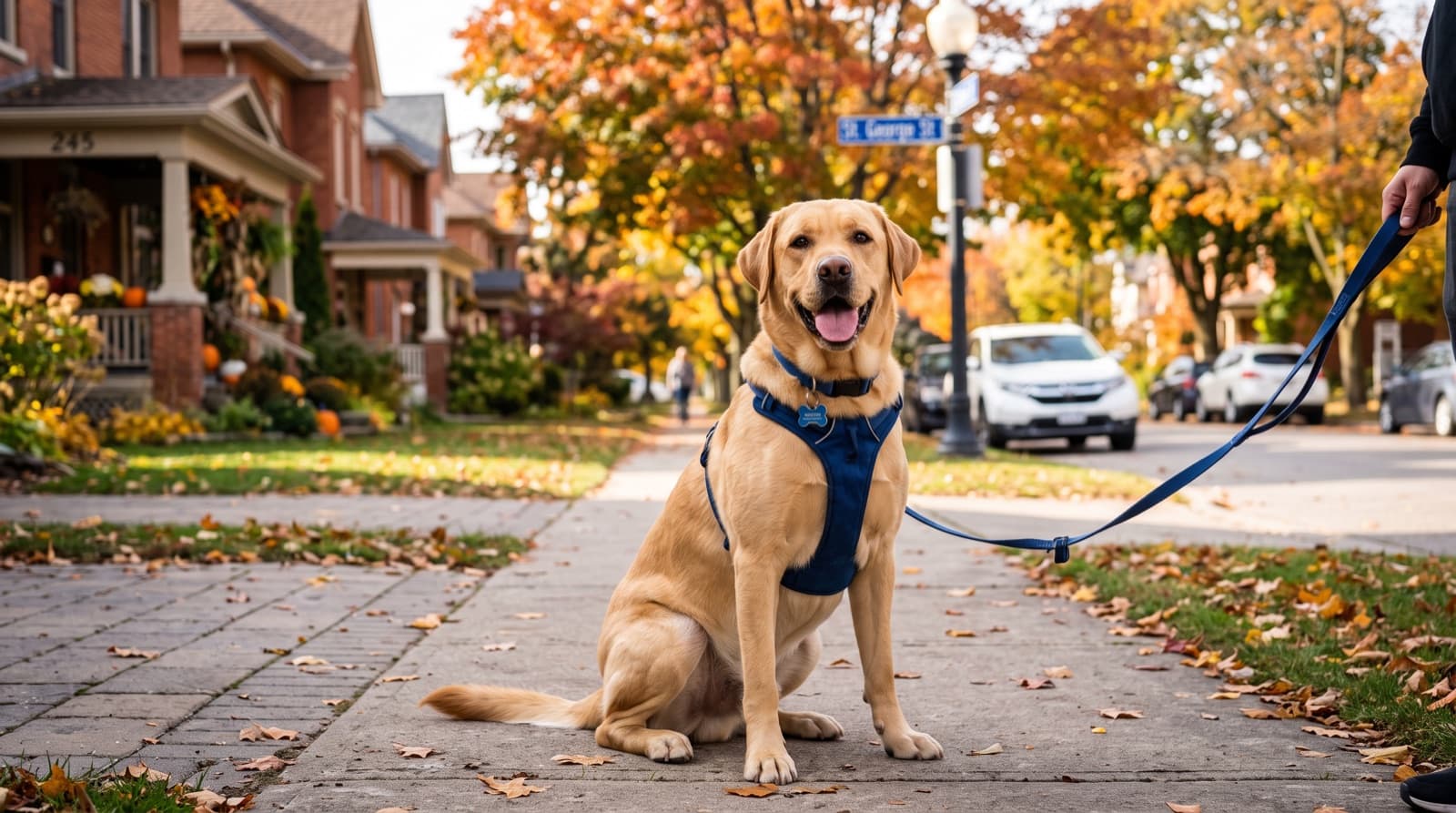
Where to adopt a Labrador in Winnipeg
Labs and Lab crosses appear in Winnipeg rescues nearly every week, because the breed is both hugely popular and widespread across northern Manitoba. The three most reliable sources are the Winnipeg Humane Society, Manitoba Mutts Dog Rescue, and D'Arcy's ARC. You can browse all currently available Winnipeg Labs and Lab mixes across the Manitoba rescues we cover on LocalPetFinder's Labrador breed page, refreshed regularly.
A large share of Manitoba rescue Labs arrive through Manitoba Mutts' northern and remote-community transport pipeline. Lab and Lab-type dogs are common in reserve communities and northern Manitoba, and they make up a real chunk of southern transfer intake. Those dogs get fully vetted and assessed in a Winnipeg-area foster home before they are listed, which means you can ask the foster the questions that actually matter: how is the dog with kids, how is it alone, does it settle in the evening, how strong is the food drive. The Canadian Kennel Club publishes the breed standard if you want the formal background before you meet a dog.
Most rescue Labs are 1-to-6-year adults. Puppies and Lab-cross litters turn up more often here than with many breeds, usually seasonally, so patience pays off if you specifically want a young one.
Why so many Labs end up in Manitoba rescue
Two forces put Labs in prairie rescue. The first is simple popularity. The Labrador has been near the top of the Canadian charts for decades, so there are a lot of them, and popular breeds fill rescues. The second is geography. Lab and Lab-cross populations are widespread across northern and remote Manitoba, and a meaningful share of southern rescue intake comes through the transport pipeline rather than urban surrender.
The urban surrender story is usually about energy, not temperament. Someone brought home a friendly Lab puppy, the puppy grew into a 70-pound adolescent that jumps, chews, and needs a real hour of exercise a day, and the household could not keep up. Add the occasional health surrender when hip problems or a weight-related issue overwhelm a budget, and you have a steady stream of good dogs looking for a second home.
The important point for an adopter: these are not damaged dogs. They are friendly, trainable Labs whose first home underestimated the work of a big young retriever. In a home that provides daily exercise and disciplined feeding, the same dog is one of the easiest family pets you can own.
What it costs: rescue vs breeder
Winnipeg Lab adoption fees are low for a large dog, and the fee bundles in vet work you would otherwise pay for separately.
| Source | Typical cost | What is included |
|---|---|---|
| Winnipeg rescue (adult) | $300 to $500 | Spay/neuter, vaccines, microchip, deworming, vet workup |
| Winnipeg rescue (senior) | Often reduced | Same vetting, sometimes with known conditions disclosed |
| Breeder puppy (pet) | $1,500 to $3,500 | Puppy only; you pay the vet work yourself ($700 to $1,000) |
| “English” / show line | $3,000+ | Purpose-bred; most pet homes do not need this |
On top of the fee, plan for the ongoing costs of a large, food-loving breed. A Lab eats a lot, and the tendency to gain weight means feeding discipline is a lifelong cost as much as a habit. Pet insurance enrolled before any symptoms appear is worth considering for the joints. And every Winnipeg dog over six months needs a $41.50 city licence (see our Winnipeg pet licensing guide).
The free-Lab and cheap-puppy trap
Because Labs are always in demand and breeder puppies run into the thousands, “free” and suspiciously cheap listings pull a lot of clicks, and most of them are trouble. A genuinely free Labrador is almost always one of four things: a backyard breeder using free framing as bait, an owner offloading a dog with an undisclosed problem, a scam demanding a shipping or vet-release fee for a dog that does not exist, or a rushed rehoming with no medical workup.
Real Lab adoption is never free. Even the lowest Winnipeg rescue fee covers spay or neuter, vaccines, a microchip, and a vet exam at below cost. If a listing quotes rescue-style pricing but demands an e-transfer before you meet the dog, refuses a video call, or will only ship from out of province, walk away. Owner rehoming with a small fee can be legitimate, but only with vet records, original paperwork, and an in-person meeting at the dog's current home.
Lab crosses you will see in Winnipeg
The Lab is so common that it crosses with almost everything, and the mix changes the dog. The ones you will meet most often in Manitoba rescue:
- Sheprador (Lab + Shepherd): 60 to 85 lbs, friendly and trainable with a little more guarding instinct than a straight Lab. Very common here.
- Labsky (Lab + Husky): 50 to 65 lbs, common in northern intake, mixing Lab friendliness with Husky energy and escape drive. Secure fencing matters.
- Borador (Lab + Border Collie): keener and busier than a straight Lab, often the right starter Border Collie for an active family that wants more drive.
- Pitador (Lab + Pit Bull-type): usually looks mostly Lab, but Winnipeg's breed ban can affect a cross of predominant pit bull appearance, so confirm placeability with the rescue.
Rescues often label a dog “Lab mix” on looks alone, and a DNA test would surprise you. Read the foster notes, not the label.
The pit bull ban and Lab crosses
One Winnipeg-specific point worth knowing before you fall for a particular dog. The City of Winnipeg prohibits Pit Bull Terriers and several related breeds, plus any dog of predominant pit bull appearance. A Lab-Pit cross usually reads as mostly Lab and is placeable, but a cross that looks predominantly pit bull to the City can be caught by the ban, and the consequence is real: the dog cannot be kept inside city limits.
Reputable Winnipeg rescues know the bylaw and will not knowingly place a dog that puts you offside. Still, if you are adopting a Lab cross with any bully-type look, ask the rescue directly whether the dog is placeable in Winnipeg. Our pet licensing guide covers the ban in full.
Browse adoptable Labradors in Winnipeg
A foster's notes on energy and food drive tell you more than any pedigree for a family pet. See which Winnipeg Labs and Lab crosses are available now, with the foster's notes on each.
See Available Labradors →What a Lab is actually like to live with
A well-exercised Labrador is one of the easiest, most family-friendly dogs you can own: social, trainable, patient with kids, and happy in almost any household. The flip side is energy in the young years and a bottomless appetite for life. The daily reality:
- Real exercise, every day. A young Lab needs a solid hour of activity. Off-leash play at Kilcona Park or Charleswood Dog Park, a long walk along the Assiniboine, fetch, or a swim all count. A tired Lab is a good Lab.
- Weight management for life. The Lab appetite gene is real. Measured meals, counted treats, and a monthly rib check keep a Lab lean, which is the single biggest thing you can do for its health.
- Mouthiness and chewing when young. Labs carry things, and a bored young Lab will find its own things to carry and chew. Give it a job.
- Cold tolerance is decent, not bulletproof. A Lab handles a Winnipeg winter better than a short-coated breed, but it is not a Husky. During a deep freeze, cut the walk short and add indoor exercise so the calories still burn (see our winter dog care guide).
- Sociability. Labs are people dogs. They do best with company and can get restless left alone for long stretches, especially as adolescents.
Give a Lab daily exercise and disciplined feeding and you have a wonderful, uncomplicated family dog. Skip either and you have a chubby, bouncy handful, and the second one is the Lab that ends up in rescue.
Are Labs good first dogs?
Yes, and this is where the Lab really stands apart from a Shepherd or a Husky. The friendly, trainable, forgiving temperament suits a first-time owner well, and Labs are one of the most beginner-suitable large breeds going. The honest caveats are the two things this whole guide keeps coming back to: energy in the young years, and a lifelong need for feeding discipline.
If a Lab is your first dog, the easiest path is an adult or senior rescue rather than a puppy, because the energy has settled and the temperament is known. Commit to daily exercise year-round (with an indoor plan for the deep freeze), measure the food and count the treats from day one, and start basic training early to channel that food drive. Do that, and a Winnipeg rescue Lab is about the most rewarding first dog you can choose.
Frequently asked questions
Where can I adopt a Labrador Retriever near me in Winnipeg?
Labs and Lab crosses are the single most common breed in Manitoba rescue, so they turn up nearly every week of the year. Best places to check: Winnipeg Humane Society, Manitoba Mutts Dog Rescue, and D'Arcy's ARC. Browse every currently available Winnipeg Lab and Lab mix (Sheprador, Labsky, Borador, Pitador) across the Manitoba rescues we cover on LocalPetFinder's Labrador breed page. Listings update regularly. A large share of Manitoba rescue Labs arrive through the northern and remote-community transport pipeline, where Lab-type dogs are widespread, so you will see plenty of Lab crosses alongside purebreds. Most are 1-to-6-year adults, with puppies appearing seasonally in accidental or transferred litters.
How much does it cost to adopt a Labrador in Winnipeg?
Most Winnipeg Labrador adoption fees fall in a $300 to $500 range, which is low for a large dog in a major Canadian city. Winnipeg Humane Society lists the fee on each dog's profile, and Manitoba Mutts and D'Arcy's ARC sit in the same band. The fee always includes spay or neuter, vaccinations, a microchip, deworming, and a vet workup. Doing that vet work yourself on a breeder puppy runs $700 to $1,000. A purchased Lab puppy from a breeder typically costs $1,500 to $3,500 for a well-bred, health-tested dog. Senior Labs are often reduced. Budget separately for a $41.50 city licence and the annual costs of a large, food-motivated breed that eats a lot and needs weight management for life.
Why are there so many Labradors in Manitoba rescue?
Two reasons stack. First, the Labrador is one of the most popular breeds in Canada, and popular breeds fill rescues simply because there are so many of them. Second, a lot of Labs come through Manitoba's northern and remote-community transport pipeline. Lab and Lab-cross populations are widespread in reserve communities and northern Manitoba, and they form a significant share of southern transfer intake. The urban surrender story is usually a young Lab bought as a cute puppy that grew into an 70-pound bundle of energy needing an hour of real exercise a day, with chewing and jumping the owner did not expect. Most surrendered Labs are normal, friendly dogs whose first home underestimated the work of a big adolescent retriever.
Are there free Labradors for adoption in Winnipeg?
Almost never legitimately. Free Labrador listings on Kijiji, Craigslist, or Facebook Marketplace are usually one of four things: a backyard breeder using free framing as bait, an owner trying to bypass rescue screening by handing the dog to anyone (behavioural unknowns, no medical workup), an outright scam demanding a shipping or vet-release fee for a dog that does not exist, or a rushed rehoming of a dog with an undisclosed problem. Real Lab adoption is never free, because even the lowest Winnipeg rescue fee covers spay or neuter, vaccines, a microchip, and a vet exam at below cost. Owner rehoming with a small fee can be legitimate, but verify it: vet records, the original adoption paperwork, an in-person meeting at the dog's current home, and honest answers about why the dog is leaving.
What Labrador crosses will I see in Winnipeg rescue?
Manitoba rescue is full of Lab crosses, because the Lab is so common that it mixes with almost everything. The frequent ones: a Sheprador (Lab plus Shepherd) is 60 to 85 lbs, friendly and trainable with a touch more guarding instinct; a Labsky (Lab plus Husky) is 50 to 65 lbs and very common in northern intake, mixing Lab friendliness with Husky energy and escape drive; a Borador (Lab plus Border Collie) is often the right starter Border Collie for an active family, keener than a straight Lab; and a Pitador (Lab plus a Pit Bull-type) turns up too, though Winnipeg's breed ban can affect a cross of predominant pit bull appearance, so ask the rescue about that before you apply. Rescues often label a dog "Lab mix" on looks alone, and a DNA test would surprise you. Read the foster's temperament notes, not the label.
Does Winnipeg's pit bull ban affect Lab crosses?
It can, and it is worth asking about before you fall for a specific dog. The City of Winnipeg prohibits Pit Bull Terriers and several related breeds, plus any dog of predominant pit bull appearance. A Labrador crossed with a Pit Bull-type (a Pitador) usually looks mostly Lab and is fine, but a cross that reads as predominantly pit bull to the City can be caught by the ban, and the consequence is serious: such a dog cannot be kept inside city limits. Reputable Winnipeg rescues know the bylaw well and will not place a dog with you that puts you offside. If you are adopting a Lab cross with any bully-type appearance, confirm with the rescue that the dog is placeable in Winnipeg. Our Winnipeg pet licensing guide covers the ban in full.
Are Labrador puppies available in Winnipeg rescues?
Sometimes, more often than with many breeds. Because Labs are so common and many arrive through northern transfer as accidental litters, Lab and Lab-cross puppies do appear in Manitoba rescue, usually seasonally rather than year-round. That said, most rescue Labs are 1-to-6-year adults, surrendered after the demanding puppy and adolescent phase. If you want a puppy, expect to wait and watch, and stay open to a young adult of 1 to 3 years. A young adult has the same friendly Lab potential but is past the worst chewing, is often house-trained, and lets you see the dog's adult size, energy, and health, which matters in a breed prone to hip and elbow problems and to easy weight gain.
How long do Labradors live?
Labradors typically live 11 to 13 years, and keeping the dog lean is the single biggest lever on how long and how comfortably. The breed carries real health considerations: hip and elbow dysplasia, a strong tendency to obesity driven partly by an appetite gene, exercise-induced collapse in some lines, chronic ear infections, and higher rates of certain cancers in older age. None of that is a reason to avoid the breed, it is a reason to feed carefully and stay ahead of the joints. A Lab kept at a healthy weight from adoption day forward, with good vet care, often reaches the top of that range in good shape. See our Labrador health issues guide for the breed-specific conditions and Manitoba vet costs.
What is a Labrador temperament actually like?
Friendly, food-driven, and outgoing to a fault, which is exactly why the breed is so popular and why it fills rescues. Labs are social, trainable, and generally great with kids and other dogs, and they bond hard to their people. The catch is energy and mouthiness in the young years: a Lab under three needs a solid hour of real exercise a day, tends to jump and chew when bored, and carries puppy exuberance well into adolescence. That appetite is a double edge, it makes Labs easy to train with food but relentless beggars that gain weight fast. A well-exercised adult Lab is one of the easiest, most family-friendly dogs you can own. An under-exercised young Lab in a small space is a lot of dog, and that gap is where surrenders happen.
Are Labradors good for first-time dog owners in Winnipeg?
Generally yes, which sets the Lab apart from a Shepherd or a Husky. The friendly, trainable, people-focused temperament forgives first-timer mistakes, and Labs are one of the most beginner-suitable large breeds. The honest caveats are energy and weight. A young Lab needs a real daily exercise commitment year-round, including a plan for the Winnipeg deep freeze when the walk gets cut short, and every Lab owner has to manage food and treats for the dog's whole life because the breed gains weight so easily. An adult or senior rescue Lab is an even easier first dog than a puppy, because the energy has settled and the temperament is known. If you can commit to daily exercise and disciplined feeding, a Lab is a strong first-dog choice in Winnipeg.
Should I adopt an adult or senior Labrador?
Strongly consider it. Adult and senior Labs are the bulk of Winnipeg rescue inventory and they make excellent first dogs. An adult arrives with a known temperament and energy level, is often house-trained, and is past the worst chewing and jumping, all for a $300 to $500 fee. Senior Labs (8 and up) often appear when an owner's circumstances change, and these dogs are typically mellow, well-socialised, and endlessly food-motivated, frequently at a reduced fee. The main commitment with a senior Lab is medical: joint care and weight management matter most, and a lean senior with good hips can be an easy, gentle companion. For a family who wants a calm, friendly dog without the adolescent chaos, an adult or senior Lab is one of the best adoptions going.
How do I avoid Labrador scams in Winnipeg?
Lab scams are common because the breed is in constant demand and breeder pricing runs $1,500 to $3,500. Red flags: asks for an e-transfer deposit before you have seen the dog or the location, refuses a video call or in-person meeting, will only ship the puppy from another province, uses photos that reverse-image search reveals as stolen, quotes rescue pricing that matches breeder pricing, demands cash or gift cards, posts only on Kijiji or Marketplace, pressures you to act fast, will not provide vet records or a microchip number, or advertises "English" or "silver" Labs at a big premium. The safe path is the verified Winnipeg rescues: Winnipeg Humane Society, Manitoba Mutts, and D'Arcy's ARC, all with public listings and structured adoption processes. If you find a Lab outside that network, run every verification step before any payment.
Related Winnipeg guides
Adoptable Winnipeg Labradors
Every available Lab and Lab cross across Manitoba rescues.
Labrador Health Issues: Weight, Hips, Collapse
Labrador Retriever health issues to plan for: weight and the POMC appetite gene, hip and elbow dysplasia, exercise-induced collapse, eye disease and cancer.
What to Feed a Labrador: Food, Diet & Portions
What to feed a Labrador: how to choose a food, large-breed puppy formula, portions for a breed built to overeat, the raw-diet truth, and foods to avoid.
Best Dog Rescues in Winnipeg
The Winnipeg rescues compared on cost, wait time, and fit.
New dog? Start with these care guides
Everything a new adopter needs to set up a safe, happy home.