The short answer
Goldens rarely reach Hamilton rescue, and when they do they place fast. Speed, alerts, and a pre-approved application are the whole game. The Hamilton/Burlington SPCA is the main local shelter, and Ladybird Animal Sanctuary is the foster-based rescue worth watching, with regional Ontario rescues widening the net. Expect rescue fees around $350 to $600, and be ready to apply the same day. Go in honest about the breed's elevated lifetime cancer risk, keep the double coat brushed all year, and manage both salted winters and humid summers. Avoid the free-Golden scams and secretive out-of-region transport that target this in-demand breed. Watch alerts for weeks to a few months, and move the moment the right dog appears.
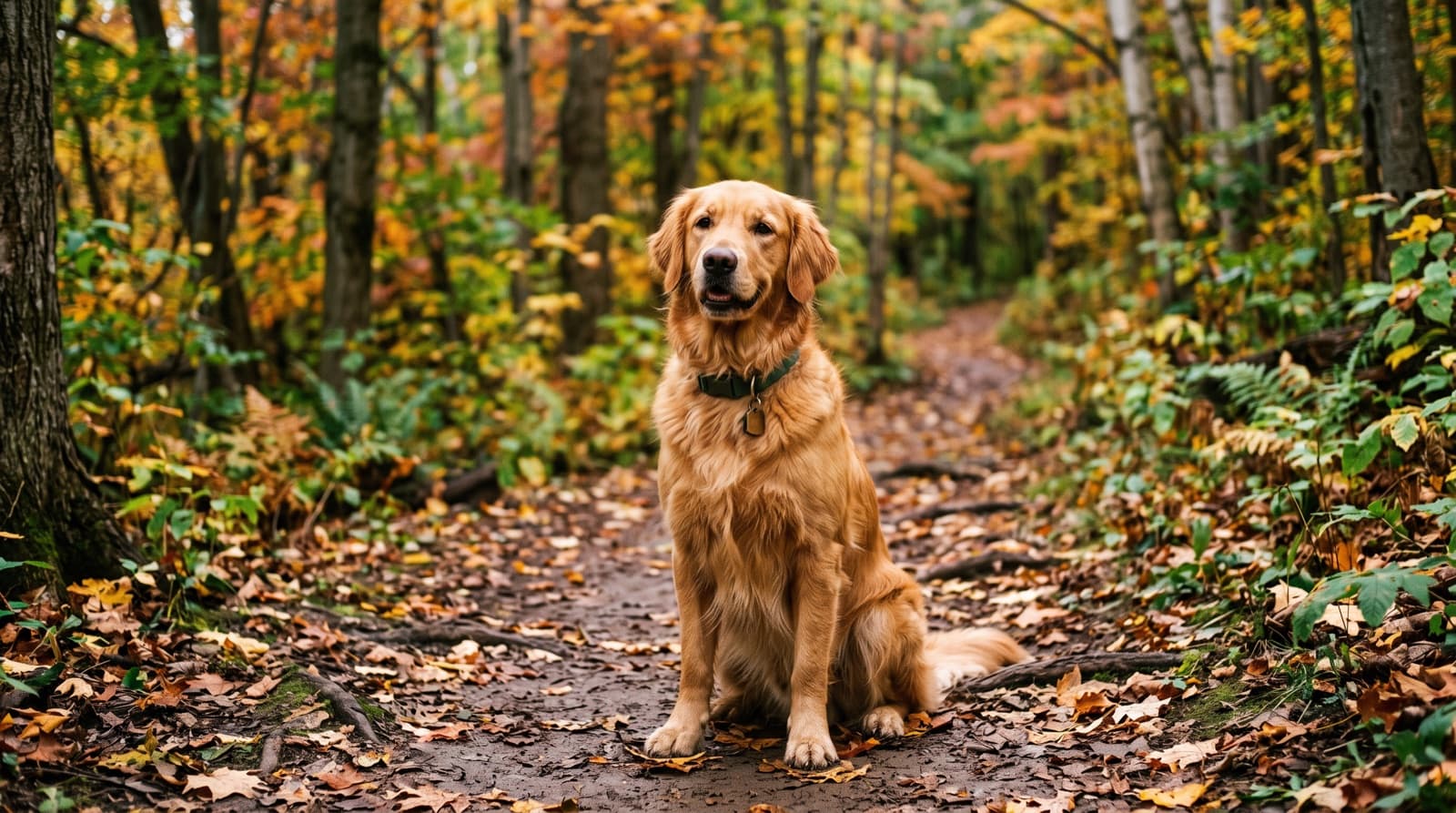
Why Golden Retrievers are rare in Hamilton rescue
The single most important thing to understand about adopting a Golden in Hamilton is that they are hard to find and quick to go. Goldens are one of the most beloved family breeds in Canada, and dogs that are this popular and this good with families mostly stay in the homes that raised them. When a Golden does reach rescue, it usually reflects a human crisis rather than a problem with the dog.
- A life change, not a behaviour problem. The typical Golden surrender comes from a death in the family, a divorce, a job loss, a move to housing that will not take a large dog, or an owner who can no longer manage the vet costs. These are good dogs landing in a bad moment, which is exactly why they place so fast when they appear.
- High demand, low supply. Everyone wants a Golden, and few come up, so a listed purebred can be adopted within days, sometimes the same day. The scarcity is not a rumour; it is the defining feature of Golden adoption in southern Ontario. Patience and a fast finger on the application matter more here than for almost any other breed.
- Golden mixes appear more often than purebreds. If you widen your search to include Golden crosses, you will see more dogs and a shorter wait, and a good Golden mix often has the same wonderful temperament with a bit more hybrid health resilience.
- Adolescents and surrendered youngsters. The one sub-group that does surface with some regularity is the young adult Golden whose family underestimated the energy of the breed between six months and two years. These dogs need exercise and training, not rescue from a defect, and they are often superb once settled.
The scarcity has a dark side worth naming up front: because demand outstrips local supply, this breed attracts scammers and questionable transport operations. The rest of this guide leans hard on how to adopt a real Golden safely and how to spot the traps.
Hamilton and Ontario rescues that list Goldens
No single Hamilton organisation specialises in Goldens, so the right approach is a wide alert net across the local shelter, the local foster-based rescues, and the regional Ontario Golden and general rescues. For a fuller directory, see our guide to the best dog rescues in Hamilton.
- Hamilton/Burlington SPCA (HBSPCA): the main shelter serving the city and the most consistent general source of intake, including the occasional Golden or Golden mix through owner surrender. The HBSPCA does not publish a single flat adoption fee. Instead its adoption package is estimated at upwards of $1,000 in care and covers a full vet exam, spay or neuter, up-to-date vaccines and preventatives, a microchip, deworming, and heartworm testing, with continued treatment after adoption if needed, plus 30 days of Trupanion coverage and five days of post-adoption care in their onsite hospital. That onsite hospital and insurance window is a real advantage for a breed with health considerations. You can meet a dog in person before applying.
- Ladybird Animal Sanctuary: a foster-based Hamilton rescue whose dogs live in real homes, so the temperament notes on a Golden that comes through are unusually accurate. Fees are $350 for a single dog and $650 for a bonded pair, a fee that wraps in a vet health check, spay or neuter, a full vaccine round, parasite treatment, and a microchip. Because Ladybird is foster-based, availability is intermittent, so set alerts and reach out early.
- Regional Ontario Golden and general rescues: breed-focused and general rescues across southern Ontario occasionally have Goldens, and some pull dogs from out of region. This widens your options, and it is where transparent, legitimate transport can genuinely help. Verify each one before you engage: a real Ontario address, charitable-registry status, a current adoptable-dog list, and a proper application and home check.
For professional standards, veterinarians in the province are regulated by the College of Veterinarians of Ontario, a useful reference when you are choosing a clinic. And for breed-typical standards and reputable-breeder context, the Canadian Kennel Club is the national registry. Whatever the source, never send money to hold a Golden you have not met; a real rescue always starts with an application and a conversation, not a deposit.
Free-Golden scams and risky transport
Scarcity plus demand is a scammer's favourite equation, and no breed proves it like the Golden. The classic con is a purebred Golden puppy advertised free or very cheap online, followed by a request for a shipping deposit, a crate fee, or fake “pet insurance” money before you ever lay eyes on the dog. The dog does not exist, the money vanishes, and there is no recourse. The same trap runs on social media, classified sites, and slick-looking fake rescue websites.
Protect yourself with a few firm rules. Verify any rescue through a real Ontario address, a charitable-registry number, and a current adoptable-dog list that actually changes over time. Never e-transfer money to hold a dog you have not met. Insist on seeing the specific dog, ideally in person, or at minimum on a live video call showing the dog in its foster home. And treat “free purebred Golden” and “pay the shipping and it is yours” as scams by default, because a legitimate rescue charges an adoption fee that partly recovers real medical costs.
Legitimate transport is a different thing entirely and can be a genuine good. Many Ontario foster-based rescues pull dogs from northern communities or out of country, place them in local foster homes, and let you meet them before finalising. That is part of why their fees run higher than a local shelter, and it is money well spent when the rescue is open about the dog's origin. The line between good transport and a scam is transparency: a real rescue tells you where the dog came from, has it in a foster home you can visit, and never pressures you to pay before you meet the dog. When in doubt, start local with the HBSPCA and Ladybird, both of which you can verify in person.
Golden Retriever health, honestly
Goldens are affectionate, trainable, and generally sound dogs, and most live happy 10-to-12-year lives. But adopting the breed responsibly means going in clear-eyed about one thing above all: the Golden Retriever carries an elevated lifetime cancer risk, higher than most breeds. This is not a reason to avoid the breed; it is a reason to budget, insure, and monitor with intention.
The best evidence-based reference for an adopter is the Morris Animal Foundation Golden Retriever Lifetime Study, a long-running research project that has followed thousands of Goldens across their whole lives specifically to understand cancer and other diseases in the breed. It is worth reading before you adopt, and it is a far better source than any statistic pulled out of context.
- Cancer. The breed's defining health concern. Learn to feel for new lumps during grooming, get any new mass checked promptly, and keep up with senior wellness visits. Early detection genuinely matters.
- Hip and elbow dysplasia. Common in large breeds. Keeping the dog lean is the single best protective step, since extra weight loads the joints.
- Heart conditions. Certain cardiac issues, such as subvalvular aortic stenosis, are screened for in the breed. The OFA maintains a cardiac database.
- Eye disorders. Cataracts and other hereditary eye conditions appear in the breed and are part of standard OFA eye screening.
- Hypothyroidism. Shows up in middle age, is diagnosed with bloodwork, and is managed with a daily pill.
- Ear infections and skin. Water-loving dogs with drop ears and a dense coat need weekly ear checks and thorough drying to prevent infections and hot spots.
For the breed-level screening standards that responsible breeders follow, the Orthopedic Foundation for Animals keeps public databases at ofa.org for hips, elbows, hearts, and eyes. A rescue Golden will rarely arrive with OFA paperwork, but the resource explains what the breed is checked for. Book a baseline vet visit in your first month, and know your emergency options before you need them: the Hamilton Emergency Veterinary Clinic handles after-hours care, and the Burlington Veterinary Emergency & Referral Hospital adds specialty referral, which can matter for a breed with real oncology risk. None of this is medical advice; talk to your own vet about monitoring and preventative care.
Double-coat grooming and Hamilton's four seasons
The Golden's dense double coat is beautiful and it is work. There is a water-repellent outer coat over a soft insulating undercoat, plus feathering on the legs, chest, and tail. Brush several times a week to stay ahead of mats and loose hair, and daily during the two big seasonal coat blows in spring and autumn when the undercoat comes out in handfuls. A slicker brush and an undercoat rake are the two tools that earn their keep. Bathe roughly every six to eight weeks or when the dog is genuinely dirty, and dry the coat thoroughly afterward, because trapped damp in that undercoat leads to hot spots and skin trouble. One firm rule: never shave a Golden's double coat. It does not keep the dog cooler and it can permanently change how the coat regrows and insulates.
Hamilton's humid continental climate, with four distinct seasons, turns grooming into a health task rather than a cosmetic one. In winter, freezing rain, ice, and heavy road salt coat the sidewalks and roads across the Hamilton Mountain and the lower city. That salt burns paw pads, irritates skin, and upsets the stomach when a dog licks it off, and it works its way into the feathering on a Golden's legs. Wipe or rinse the paws and belly after every winter walk, dry the feathering, and consider booties for a dog with sensitive pads. The coat itself handles the cold well, so the salt and ice are the real hazards, not the temperature.
Summer flips the risk. Southern Ontario humidex days are genuinely dangerous for a heavy-coated dog, and a Golden can overheat fast. Walk in the early morning or the evening, skip the midday heat, carry water on the escarpment stairs and the Bruce Trail, and watch for heavy panting, drooling, or lagging behind. Never leave a Golden in a parked car, not even for a couple of minutes. The upside is that Goldens love water, so a supervised swim (rinsed and ears dried afterward) is a perfect summer outlet. Lake Ontario moderates the extremes a little, but lake-effect snow in winter and thick humidity in summer both happen here, so plan for both ends of the year.
What a Hamilton rescue Golden actually costs
Around Hamilton, rescue adoption fees for a dog tend to fall between $350 and $600. Ladybird Animal Sanctuary charges $350 for a single dog and $650 for a bonded pair, a fee that wraps in a vet health check, spay or neuter, a full vaccine round, parasite treatment, and a microchip. The HBSPCA does not publish a single flat fee, and its adoption package is estimated at upwards of $1,000 in care (full vet exam, spay or neuter, vaccines and preventatives, microchip, deworming, heartworm testing, five days of onsite post-adoption care, and 30 days of Trupanion insurance). Rescues covering out-of-region transport can sit higher still. Whatever the number, rather than a sale price it recoups some of the medical costs the rescue has already absorbed, so it is a genuine bargain against retail vet pricing.
Compare that to a well-bred Golden puppy from a reputable Ontario breeder, which commonly runs into the thousands with a months-long waitlist and all the early vet costs still ahead of you, and the rescue path is far cheaper and the dog often arrives with a known adult temperament. Plan roughly $400 to $900 in one-time setup costs for the first month: your own baseline vet visit, a crate, a bed, a slicker brush and undercoat rake, a good leash and harness, and winter paw care supplies. Ontario's 13% HST applies to those supplies, though not to the adoption fee itself. For a fuller local breakdown, see our Hamilton dog adoption cost guide.
Ongoing costs run roughly $1,500 to $2,500 a year for a medium-to-large dog: quality food, routine vet care, grooming supplies, and pet insurance, which is genuinely worth it for a breed with documented cancer, joint, and eye risks (enrol early, before anything becomes a pre-existing condition). Budget too for a City of Hamilton dog licence, which is required and renewed annually; Ren's Pets offers a $20 store credit when you register or renew your City of Hamilton licence. Our Hamilton dog licensing guide covers the details. Most rescue Goldens arrive already altered, but if yours is not, our Hamilton spay and neuter guide covers the local options.
Browse adoptable Hamilton Goldens and Golden mixes
Current listings from the HBSPCA, Ladybird Animal Sanctuary, and regional Ontario rescues in one place. Goldens are rare and go fast, so alerts and same-day applications win.
See Available Hamilton Goldens →The first 30 days with a Hamilton Golden
Goldens settle on the same 3-3-3 arc as any rescue dog: the first three days are raw decompression, the routine clicks into place over about three weeks, and the real bond deepens over about three months. Most Goldens land on the faster, easier end because the breed is so sociable, but a dog uprooted by a family crisis still needs patience. Our first week with a rescue dog guide covers the general decompression plan; here is the Golden-specific version.
- Enrol in pet insurance in week one. Before any lump, joint issue, or eye problem appears in your records. For a breed with real cancer and joint risk, early enrolment is the highest-value first-week task.
- Book a baseline vet visit in the first two weeks. Establish records, score body condition, check the ears and skin, confirm the microchip is registered to you, and ask your vet about a monitoring plan for the breed.
- Start the grooming routine right away. Several brushings a week with a slicker and undercoat rake, and use those sessions to run your hands over the whole dog so you learn its normal and can catch any new lump early.
- Set a lean-body-weight plan. Measured meals, treats counted into the daily total, no free-feeding. Keeping a Golden lean protects the hips, elbows, and general health more than anything else you can do.
- Meet the exercise need, but ease in. Build up to 60 to 90 minutes a day. On-leash walks along the Bruce Trail, the Chedoke Radial Trail, or the Bayfront Park waterfront are ideal early outings; save busy off-leash areas for after week three.
- Use designated off-leash areas only. Do not assume a park allows off-leash; check the City of Hamilton free-running-areas list first, and build recall before you ever trust it.
- Licence the dog with the City of Hamilton. Required, quick to arrange, and Ren's Pets gives a $20 credit when you register.
- Plan for the season you are in. In winter, rinse salt off the paws and feathering after every walk. In summer, walk early or late and carry water; humidex days are a real risk for this coat.
- Crate or safe-space from night one. Even a settled Golden benefits from a defined den during the decompression weeks.
- Keep the routine predictable. Same routes, same feeding times, same people for the first couple of weeks. That steady consistency is what settles a new dog.
Around week three the household rhythm settles and the real dog starts to show. By three months the bond feels solid and the brushing, weight-watching, and season-appropriate walking are just how your week runs. Hold off on big judgements through those first 90 days; most early worries fade with steady routine, good grooming, and time.
Frequently asked questions
Where can I adopt a Golden Retriever near me in Hamilton?
Start with the Hamilton/Burlington SPCA (HBSPCA) and Ladybird Animal Sanctuary, then widen your alerts across the regional Ontario Golden and general rescues, because purebred Goldens are genuinely rare in local rescue and place fast. The HBSPCA is the main open-admission shelter for the city and does take in the occasional Golden or Golden mix through owner surrender. Ladybird is a foster-based Hamilton rescue whose dogs live in real homes, so when a Golden does come through, the temperament notes are unusually accurate. A true purebred Golden can be listed and adopted within days, sometimes the same day, so the practical strategy is to have your application, references, and vet contact ready before you find the dog. Set listing alerts on every rescue you would consider, stay open to a Golden mix rather than holding out for a purebred, and apply the moment a dog that fits your household appears. If you are flexible on age, adult and senior Goldens wait a little longer than puppies and are often the better fit anyway.
Why are Golden Retrievers so rare in Hamilton rescue?
Goldens are one of the most popular family breeds in Canada, and popular, well-loved dogs simply do not flood into rescue the way over-bred or misunderstood breeds do. Most Goldens live out their lives in the home that raised them. When one does reach rescue, it is usually through a major life change (a death, a divorce, a move, a financial crisis) rather than a behaviour problem, and demand for the breed is high, so those dogs are snapped up quickly. The scarcity is real, and it is exactly why patience and alerts matter more for this breed than almost any other. It is also why the free-Golden and cheap-transport scams flourish: scammers know the demand outstrips the local supply. A legitimate Ontario rescue will have an application, a home check, and an adoption fee. If a Golden is being offered free or shipped sight-unseen for a deposit, treat it as a scam.
How much does it cost to adopt a Golden Retriever in Hamilton?
A rescue dog in the Hamilton area generally carries an adoption fee of about $350 to $600. Ladybird Animal Sanctuary charges $350 for a single dog and $650 for a bonded pair, and the fee wraps in a vet health check, spay or neuter, a full vaccine round, parasite treatment, and a microchip. The HBSPCA does not publish a single flat fee; instead its adoption package is estimated at upwards of $1,000 in care and covers a full vet exam, spay or neuter, up-to-date vaccines and preventatives, a microchip, deworming, and heartworm testing, plus 30 days of Trupanion coverage and five days of post-adoption care in their onsite hospital. Foster-based rescues that pull dogs from out of region and cover transport can charge more. Whatever the fee, rather than a sale price it recoups some of the medical costs the rescue has already absorbed, so it is a genuine bargain against retail vet pricing. Budget another $400 to $900 in one-time setup costs for the first month, and roughly $1,500 to $2,500 a year ongoing for a medium-to-large dog. Note that 13% Ontario HST applies to supplies, not to the adoption fee itself.
What is the real health picture for Golden Retrievers?
Goldens are affectionate, trainable, and generally sound, but the breed carries an honestly elevated lifetime cancer risk, more than most breeds. The Morris Animal Foundation runs the Golden Retriever Lifetime Study, a long-running research project following thousands of Goldens across their lives specifically to understand cancer and other diseases in the breed, and it is the best evidence-based reference an adopter can read. Beyond cancer, the breed is prone to hip and elbow dysplasia, certain heart conditions, eye disorders, and hypothyroidism. The Orthopedic Foundation for Animals (OFA) maintains the public screening databases that responsible breeders use for hips, elbows, hearts, and eyes. A rescue Golden will rarely come with OFA paperwork, but knowing what the breed is screened for helps you budget and monitor. The practical takeaways: keep the dog lean to protect the joints, learn to feel for lumps during grooming and get any new one checked, and enrol in pet insurance in week one before anything becomes a pre-existing condition.
How do I avoid free-Golden scams and risky out-of-region transport?
Because Goldens are scarce and in demand, this breed attracts more scams than almost any other. The classic pattern is a free or very cheap purebred Golden puppy advertised online, then a request for a shipping deposit, a crate fee, or insurance money before you ever see the dog. The dog does not exist. Verify every rescue through a real Ontario address, charitable-registry status, and a current, updateable adoptable-dog list, and never send money by e-transfer to hold a dog you have not met. Legitimate transport does exist: many Ontario foster-based rescues pull dogs from northern communities or out of country, which is part of why their fees run higher. That is fine when the rescue is transparent about the dog's origin, has it in a foster home locally, and lets you meet it before finalising. The red flags are secrecy about origin, pressure to pay immediately, no application or home check, and a price that is too good to be true. When in doubt, start with the HBSPCA and Ladybird, both of which you can visit or verify in person.
How much grooming does a Golden Retriever need in Hamilton?
A fair amount, and it is year-round work. The Golden has a dense double coat: a water-repellent outer coat over a soft insulating undercoat, with feathering on the legs, chest, and tail. Plan to brush several times a week to stay ahead of mats and loose hair, and daily during the two big seasonal coat blows in spring and autumn when the undercoat sheds heavily. A slicker brush and an undercoat rake are the two tools that matter. Never shave a Golden's double coat; it does not help with summer heat and can permanently damage how the coat regrows and insulates. Bathe every six to eight weeks or when genuinely dirty, and dry the coat thoroughly, especially the dense undercoat, because trapped damp leads to hot spots. The ears need weekly checks because Goldens love water and the drop ears trap moisture. Hamilton's four real seasons make grooming a health task, not just cosmetics: in winter you are rinsing road salt out of the feathering and paws, and in the humid summer you are keeping the coat clean and dry to prevent skin problems.
How do I manage a Golden through Hamilton winters and humid summers?
Hamilton is southern Ontario, humid continental, with four distinct seasons, so a Golden here faces both real cold and real heat. In winter the double coat handles the temperature well, but freezing rain, ice, and heavy road salt on Hamilton sidewalks and roads are the actual hazards. Salt burns paw pads and irritates the skin, and dogs lick it off and get an upset stomach, so wipe or rinse the paws and belly feathering after every winter walk, and consider booties for a sensitive dog. In summer the risk flips: high humidex days are genuinely dangerous for a heavy-coated dog. Walk early morning or late evening, avoid the midday heat, carry water on the escarpment stairs and Bruce Trail, watch for heavy panting and lagging, and never leave a Golden in a parked car even for a few minutes. Goldens love water, so a supervised swim at a safe spot is a great summer outlet, but rinse the coat afterward and dry the ears. Lake Ontario moderates the climate a little, but lake-effect snow and humid heat both happen here, so plan for both ends.
Are Golden Retrievers good with kids and other pets?
Generally yes, which is a big part of why the breed is so popular as a family dog. Most Goldens are gentle, patient, sociable, and tolerant with children, and they usually get along well with other dogs and often with cats when introduced properly. That said, a Golden is a large, exuberant dog, especially as an adolescent, and a happy, bouncy 65-pound dog can knock over a toddler without any ill intent, so supervision and teaching the dog polite manners matter. Every rescue dog is an individual, so rely on the foster or shelter assessment rather than the breed reputation alone. Ask the HBSPCA or Ladybird directly whether this specific dog has lived with young children, cats, or other dogs, and what its play style is. For homes with toddlers or resident cats, a foster note confirming the dog has done well with them is worth far more than the general breed average.
How much exercise and training does a Golden need?
More than people expect from a so-called calm family dog. Goldens were bred as working retrievers with real stamina, and a young or adult Golden needs about 60 to 90 minutes of activity a day, plus mental work. An under-exercised Golden gets bored, mouthy, and destructive, and adolescence (roughly six months to two years) is the peak of the energy and the peak surrender-risk window for large breeds. Hamilton gives you good options: on-leash walks along the Bruce Trail and the Niagara Escarpment, the Chedoke Radial Trail and other rail trails, the Bayfront Park and Pier 8 waterfront, and the Dundas Valley Conservation Area. For off-leash running, use Hamilton's designated free-running areas rather than assuming a given park allows it; check the City of Hamilton list first. Goldens are one of the most trainable breeds and thrive on reward-based training, so channel that: obedience classes, retrieve games, scent work, and puzzle feeders all satisfy the working brain. A tired, mentally engaged Golden is the mellow family dog the breed is famous for.
Should I adopt a Golden Retriever puppy or an adult?
For most Hamilton households, an adult Golden is the better and more available choice. Purebred Golden puppies almost never reach local rescue, so holding out for one usually means waiting a very long time or drifting toward risky online sources. An adult rescue Golden has a settled temperament, established house manners, a documented medical history, and, from a foster-based rescue, a real description of how it behaves in a home. Adults also skip the intense eighteen-plus months of puppy and adolescent work. Senior Goldens, seven years and up, are often the gentlest companions available and place beautifully into calmer homes; the trade-off is a shorter time together and closer health monitoring for a breed with elevated cancer risk, which is worth going in clear-eyed about. If your heart is set on raising a Golden from a puppy, plan for a reputable breeder and a waitlist rather than expecting one through rescue, and never let scarcity push you toward a too-good-to-be-true online listing.
How long is the wait for a Golden in Hamilton rescue?
It varies more than for most breeds because supply is so limited. When a purebred Golden is listed, it can be adopted within days, so the wait is less about a queue and more about being ready and fast when a match appears. Realistically, expect to watch alerts for weeks to a few months before the right dog surfaces, and be prepared to move the same day. Golden mixes appear somewhat more often than purebreds, so staying open to a mix, and to an adult or senior rather than a puppy, shortens the wait considerably. The households that succeed with this breed are the ones that get pre-approved: references lined up, landlord permission in writing if renting, a vet contact ready, and a completed application on file with the HBSPCA and Ladybird so they can act the moment a Golden that fits comes in. Same-day applications win most Golden placements.
Related Hamilton adoption guides
Adoptable Hamilton Goldens
Current Golden Retriever and Golden-mix listings from the HBSPCA, Ladybird Animal Sanctuary, and regional Ontario rescues.
Best Dog Rescues in Hamilton
A directory of the Hamilton shelters and foster-based rescues worth setting listing alerts on, with what each is known for.
Hamilton Dog Adoption Costs
What rescue fees actually cover, first-month setup costs, HST on supplies, and the true ongoing budget for a dog in Hamilton.
First Week With a Rescue Dog
The 3-3-3 decompression plan, settling routines, and what to expect in the first days with a newly adopted Hamilton rescue dog.
Find your Hamilton rescue Golden
Browse current Golden Retriever and Golden-mix listings. Goldens are rare in rescue and place fast; alerts and same-day applications win.
Browse All Hamilton Dogs →New dog? Start with these care guides
Everything a new adopter needs to set up a safe, happy home.