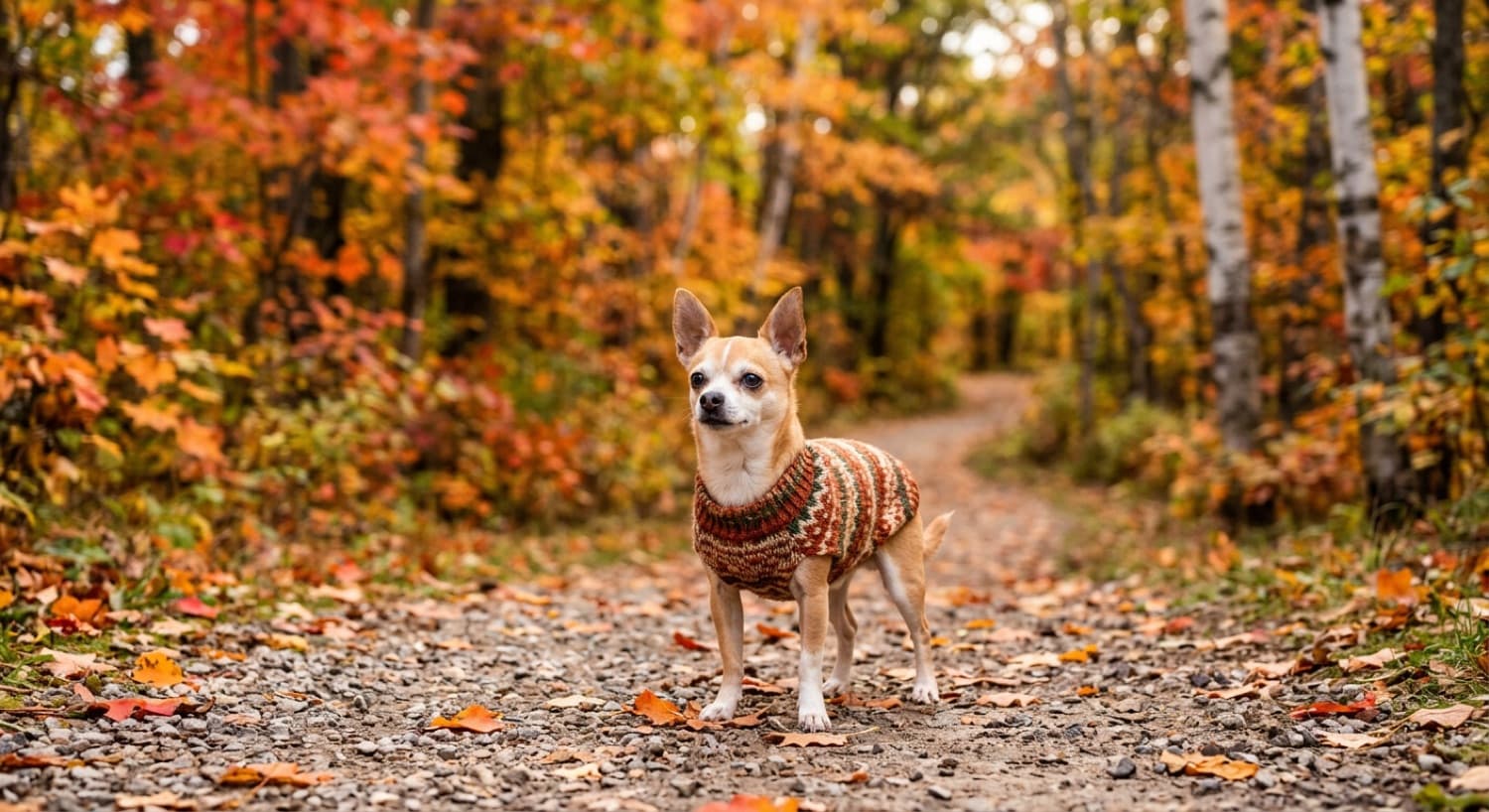
The short answer
Chihuahuas and chi mixes are one of the most common small dogs in Ontario rescue, so coverage in Toronto is steady (the City of Toronto Animal Services, the Toronto Humane Society, and foster rescues all place them). Fees run $150 to $700, versus $1,000 to $3,000 from a breeder. The mean-chihuahua reputation is fear, not breed, almost always from undersocialisation. Dental disease is the number one health issue, with a luxating patella and tracheal collapse close behind (use a harness, never a collar). They are great condo dogs but can be barky, and a tiny short-coated dog genuinely needs a coat for a Toronto winter. They live 14 to 18 years, so it is a long commitment. Browse adoptable Toronto dogs to find one.
Why chihuahuas fill Toronto rescues
Unlike a Golden Retriever, where the wait can be long, a chihuahua is easy to find in rescue. Chihuahuas are one of the most over-bred and most surrendered small breeds in North America, so Ontario rescues take in steady numbers. The surrenders trace to predictable patterns: impulse purse-dog buys that end when the novelty wears off, dogs treated as accessories and never socialised so they turn fearful and nippy, backyard breeding that floods the supply, and owners who never budgeted for the breed's heavy dental needs. People also underestimate the commitment, because chihuahuas commonly live 14 to 18 years. The good news for adopters is that most of these are good little dogs whose owners simply never gave them the training every dog needs. Because most come through foster-based rescues, you get honest notes on each dog's real temperament, voice, and house-training before you commit.
The temperament truth behind the “purse dog” myth
Chihuahuas are not tiny accessories. They are bold, loyal, clever dogs that often bond hard to one person, and the snappy reputation is almost entirely fear from missing training, not the breed. The small-dog training gap is the real culprit: people skip obedience for small dogs because a 5 lb dog jumping, lunging, or barking is cute rather than threatening, so the behaviour goes uncorrected for years. The Canadian Kennel Club breed profile describes the chihuahua as an alert, spirited dog with a huge personality, not an aggressive one. The practical fix is to treat a chihuahua like a dog rather than a handbag: real training, real socialisation, and no constant carrying, since being scooped up reinforces fear. If a rescue dog is genuinely fearful, a positive-reinforcement trainer who understands small-dog behaviour makes a fast difference. A well-raised chihuahua is one of the most loyal companions you can own.
Health, cold, and city life: what to plan for
Dental disease is the number one chihuahua health issue and shapes the lifetime budget more than anything else, so plan on at-home brushing plus cleanings every one to two years. A luxating patella is common in toy breeds, and tracheal collapse is why a chihuahua should always wear a harness, never a neck collar. Watch for a heart murmur in seniors. The big local factor is cold: a tiny short-coated dog needs a proper coat, brief potty trips, and salt-safe paws through a Toronto winter, and many will refuse the snow entirely, so plan for indoor exercise from December to March; our winter dog care guide has the details. On the plus side, their small exercise needs suit condo life well, provided you manage the voice. Adoption fees run the usual Toronto ranges ($150 to $700, spay/neuter and shots included). For the full breed profile see our Chihuahua breed page, the low-cost vet guide for affordable dental and routine care, and the cost guide for the full first-year budget.
Browse adoptable Chihuahuas in Toronto
Chihuahuas and chi mixes (Chiweenie, Chug, Jack Chi, Pomchi) from Toronto shelters and rescues, with foster notes on temperament, voice, and how each dog does with kids and other pets.
See Available Chihuahuas →Frequently Asked Questions
Where can I adopt a Chihuahua in Toronto?
Chihuahuas and chi mixes are one of the most common small dogs in Ontario rescue, so coverage in the GTA is steady, unlike a Golden where you wait. Check the City of Toronto Animal Services, the Toronto Humane Society, and foster-based rescues like Save Our Scruff, TEAM Dog Rescue, Fetch + Releash, Redemption Paws, and Hopeful Tails. LocalPetFinder aggregates adoptable Toronto chihuahuas and chi mixes (Chiweenie, Chug, Jack Chi, Pomchi) in one place. Because the breed is so surrendered, most rescue chihuahuas are adults, often 2 to 8 years old, and a foster who has lived with the dog can tell you exactly how confident or shy it really is.
Is there a chihuahua-specific rescue in Toronto or Ontario?
A dedicated Ontario chihuahua or small-dog rescue may surface in a search, but reach into the GTA varies and some operate as volunteer-only Facebook networks rather than registered charities. Rather than send money to an unverified breed-specific group, most Toronto adopters work through the major general rescues, which carry steady chihuahua inventory because the breed is so common in the system. If you do find a breed-specific rescue, verify it first: (1) the Canada Revenue Agency charitable registry, (2) a physical address or named foster network, (3) public-facing vet references, and (4) recent adoptable dog listings. The same checklist applies to any out-of-province or US-transfer rescue claiming Toronto placements.
How much does it cost to adopt a Chihuahua in Toronto?
Adoption fees follow the usual Toronto ranges: $150 to $350 at the City of Toronto Animal Services and $200 to $700 at foster-based rescues, almost always including spay or neuter, vaccines, and a microchip. That is well under the $1,000 to $3,000 a breeder or pet store charges for a puppy. Food is cheap because they are tiny, but dental care is the real lifetime line item, since chihuahuas are one of the most dental-disease-prone breeds and many need a professional cleaning every year or two. Budget for a winter coat too, because a short-coated chihuahua genuinely needs one in Toronto. Our Toronto adoption cost guide breaks down the full first-year budget.
Are chihuahuas actually mean, or is that a myth?
It is almost always a myth. The mean-chihuahua reputation is fear, not breed temperament. Chihuahuas are tiny, the world is huge and fast-moving, and most snappy chihuahuas were never socialised or trained because owners treated them as accessories instead of dogs. A chihuahua that nips, growls, or trembles is usually frightened and has learned that warning people off works, often because it was scooped up instead of allowed to build confidence. With patient socialisation and the same basic training any dog needs, chihuahuas are devoted, loyal, clever companions that bond hard, often to one person. Adopt from a foster-based rescue that can describe the real temperament, and a confident well-socialised adult skips most of the work.
What are the main chihuahua health issues to know before adopting?
Dental disease is the number one chihuahua health issue. Their jaws are tiny, teeth crowd and trap plaque, and most need lifelong at-home brushing plus professional cleanings every one to two years. Second is luxating patella (a slipping kneecap), very common in toy breeds and ranging from mild to surgical. Third is tracheal collapse, which is why a chihuahua should always wear a harness, never a neck collar, on leash. Some lines also have hydrocephalus, and many chihuahuas have a molera (a skull soft spot) that needs gentle handling. Senior chihuahuas commonly develop mitral valve heart disease, so ask your vet to listen for a murmur. And they are cold-sensitive, which matters a lot in a Toronto winter. Ask any rescue about the dog's dental state and book a knee and heart check early.
How does a chihuahua handle a Toronto winter?
Poorly without help, and this is the biggest local consideration for the breed. A chihuahua is tiny and short-coated, so a Toronto January with -20C wind chill is genuinely hard on it. Plan on a proper winter coat or sweater, brief potty trips rather than long walks, and paw protection against road salt and ice. Many chihuahuas will simply refuse to walk in snow or cold, so indoor pee-pad backup and indoor play matter more than for a bigger dog. The upside is that their small exercise needs are easy to meet indoors on the worst days. Just go in knowing that from roughly December to March, a chihuahua needs to be bundled up and kept to short outdoor trips.
Can a chihuahua live in a Toronto condo or apartment?
Yes, chihuahuas are one of the best breeds for Toronto condo and apartment life. They are tiny, need far less hard exercise than a big dog, and slip easily under most building pet weight limits. Two cautions, though. First, they still need daily walks, mental stimulation, and socialisation, not just a pee pad and the couch, or they get bored, anxious, and barky. Second, untrained chihuahuas can be vocal, and barking is a real neighbour issue in a shared building, so teach a quiet cue early. A 20 to 40 minute walk plus indoor play usually covers a chihuahua's needs, and they handle bad-weather indoor days well. Our Toronto apartment dog guide covers what makes it work.
Should I adopt a senior chihuahua?
Strongly consider it. Senior chihuahuas (8+ years) appear in Toronto rescues because owners passed away, downsized, or could no longer care for them, and they are some of the most overlooked dogs in the system despite being wonderful companions. They are typically calm, affectionate, house-trained, and bond quickly, and their exercise needs are gentle, a couple of short walks a day. Because chihuahuas commonly live 14 to 18 years, an 8 or 10 year old often has many good years ahead, more than a senior large breed would. Fees are often reduced. The main commitment is medical: seniors may need dental work and heart or knee monitoring, so plan to absorb some vet costs. For a household that wants a devoted lap dog without the puppy socialisation work, a senior chihuahua is often the easiest and most rewarding adoption you can make.
Apartment Dogs in Toronto
Making a tiny, sometimes-vocal dog work in a condo.
Winter Dog Care in Toronto
Coats, paws, and short trips for a cold-sensitive breed.
First Week With a Rescue Dog
Settling a nervous small dog into a new home.
Best Dog Rescues in Toronto
Every Toronto-area rescue on cost, wait time, and fit.
New dog? Start with these care guides
Everything a new adopter needs to set up a safe, happy home.