The short answer
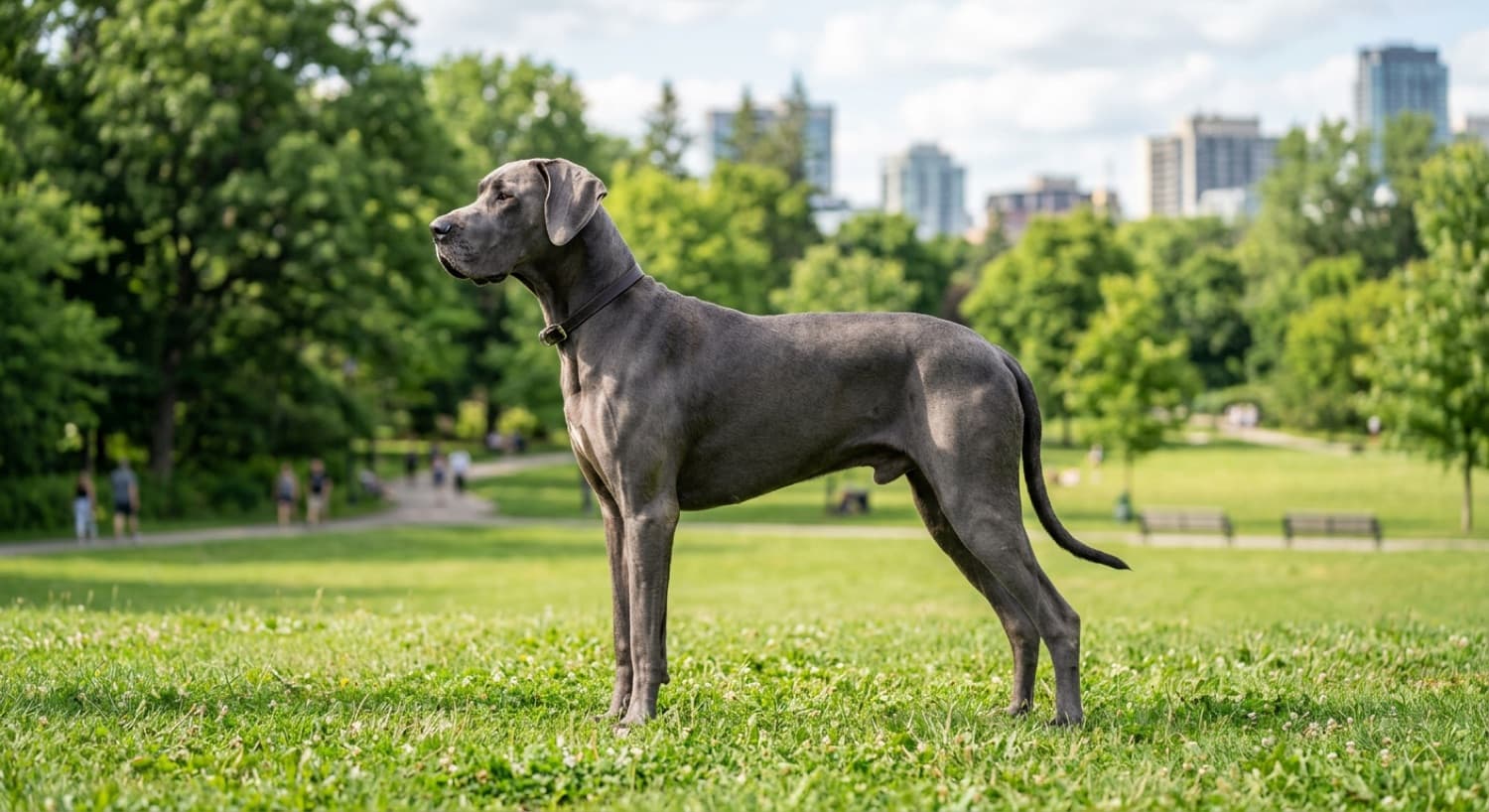
The Great Dane is a giant breed with a short lifespan, commonly seven to ten years. The concerns to plan for are heart disease (dilated cardiomyopathy), bloat (the Dane has the highest risk of any breed), wobbler syndrome, hip dysplasia, bone cancer, and hypothyroidism. Keep a Dane lean, grow puppies slowly, screen early, know the bloat signs cold, and strongly consider pet insurance. This is general information, not veterinary advice; your vet knows your individual dog.
Heart disease: a leading concern
Dilated cardiomyopathy, in which the heart muscle weakens and the chambers enlarge, is one of the leading health problems in Great Danes and can progress silently for a long time before an owner notices anything. That quiet progression is what makes it dangerous: by the time you see exercise intolerance, coughing, fainting, or a swollen belly, the disease may be advanced. Responsible breeders screen their dogs with a veterinary cardiologist and register results through programs like the OFA cardiac database. For a rescue Dane of unknown history, ask your vet whether a baseline cardiac exam is worthwhile, and treat any new murmur, cough, or fainting episode as a prompt reason to see the vet.
Wobbler syndrome and the giant-breed skeleton
Wobbler syndrome (cervical spondylomyelopathy) is a condition of the neck vertebrae that giant breeds like the Dane are prone to. Compression of the spinal cord in the neck produces an unsteady, wobbly, almost drunken gait, often in the hind end first, sometimes with neck pain or a reluctance to lower the head to a bowl. It can develop gradually, so it is easy to write off early signs as clumsiness. Many dogs are managed well with veterinary care, from medication and activity changes to surgery in more severe cases, so persistent stumbling or wobbliness is worth a vet visit rather than a wait. Great Danes also carry the usual giant-breed risks of hip and elbow dysplasia, and growing puppies need slow, controlled growth and joint-safe exercise to protect developing bones. The AKC Canine Health Foundation funds ongoing research into canine orthopedic and neurological disease if you want to read deeper.
Bloat: the emergency at the centre of the breed
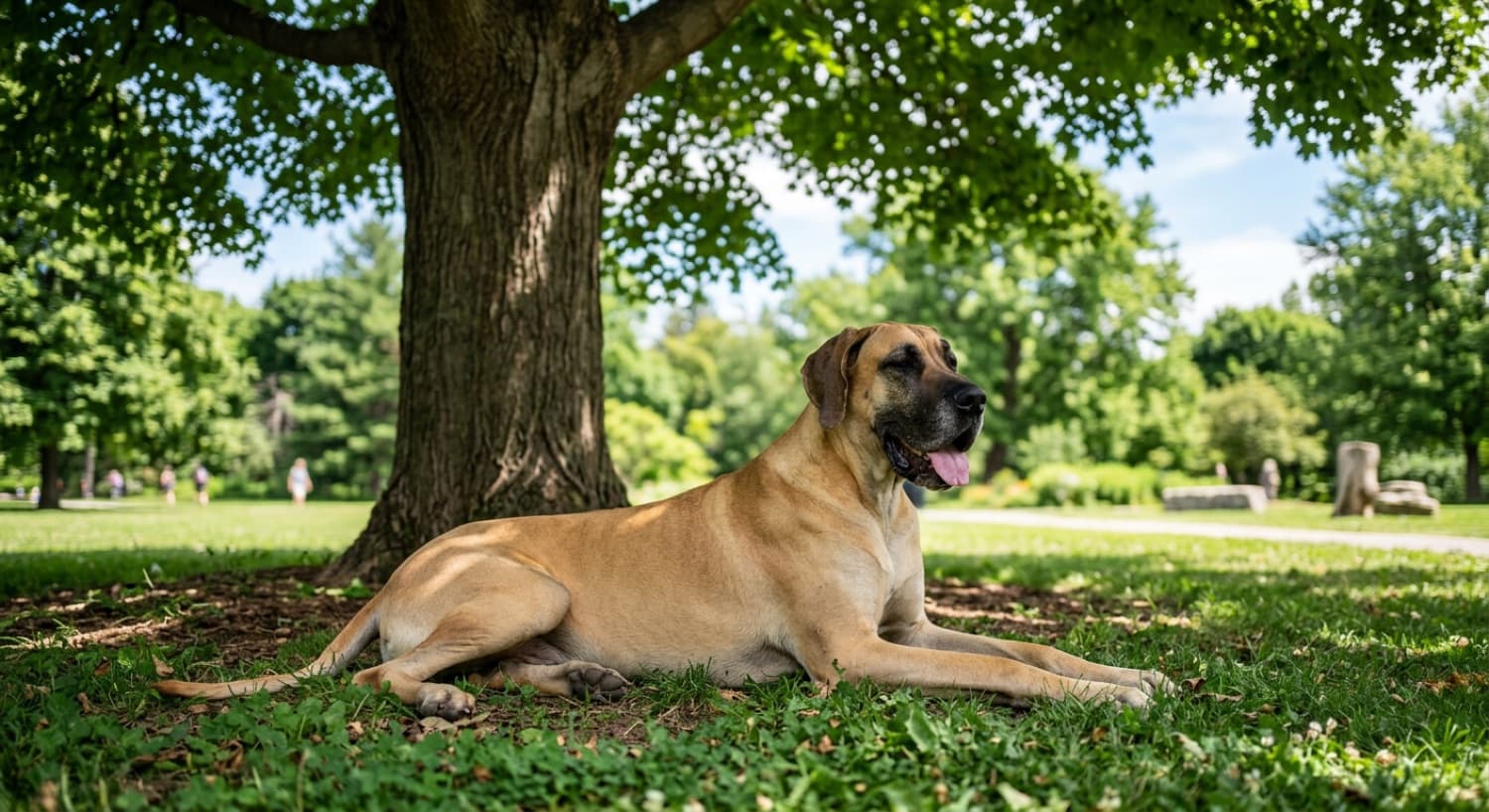
No health topic matters more for a Great Dane than bloat. As the largest deep-chested breed, the Dane has the highest risk of gastric dilatation-volvulus of any dog, and it is a true emergency: the stomach fills with gas and can twist, cutting off blood supply, and a dog can go from fine to critical in a couple of hours. Because it is so central to owning this breed, we give it a full dedicated guide covering the warning signs, exactly what to do, the feeding habits that lower the risk, and the preventive gastropexy surgery many Dane owners choose. Do not skip it: read our Great Dane bloat and GDV guide before you bring a Dane home, and know your nearest 24-hour Toronto emergency hospital in advance.
Cancer, thyroid, and the rest of the profile
Like most giant breeds, Great Danes carry an elevated risk of bone cancer (osteosarcoma), which often shows up as a persistent limp or a firm swelling on a leg and needs prompt veterinary assessment. Hypothyroidism, an underactive thyroid, also turns up in the breed and can cause weight gain, coat changes, and lethargy; it is easily tested for and very manageable once diagnosed. A rescue Dane will have had a general vet check, but knowing the breed profile helps you and your vet keep an eye on the right things and catch problems early, which with a giant breed is often the difference between a manageable condition and a crisis.
Heat, weight, and the Toronto seasons
A big body sheds heat poorly, so humid Toronto summers call for caution with a Dane. Walk in the early morning or after dusk on hot days, always carry water, never leave a Dane in a parked car, and learn the heat-stroke signs, heavy panting, thick drool, weakness, and collapse, which need immediate cooling and a vet. The AVMA warm-weather safety guidance is a good primer. Cold winters are the easier season, though the short coat and lean build mean a coat is reasonable in deep cold. Through all of it, the most protective habit is keeping your Dane lean: a trim giant-breed dog lives longer, moves better, and carries less load on its heart and joints. Our Toronto low-cost vet guide can help you keep up with the care a giant breed needs.
Browse adoptable Great Danes in Toronto
A rescue Dane comes with a vet check already done and foster notes on how the dog is doing. Meet the adoptable Great Danes and Dane mixes near you.
See Available Great Danes →Frequently Asked Questions
What is the lifespan of a Great Dane?
Great Danes are one of the shortest-lived dog breeds, commonly living only about seven to ten years. Giant size ages the body faster and raises the risk of heart disease, bone cancer, and bloat, all of which pull the average down. It is the hardest part of the breed. Good weight management, a slow steady puppy growth, early screening, and prompt care for the concerns below give a Dane its best shot at the longer end of that range, but the short lifespan is a genuine part of the commitment.
What health problems are Great Danes prone to?
The main ones are heart disease (dilated cardiomyopathy in particular), bloat or gastric torsion (the Dane is the highest-risk breed of all), wobbler syndrome (a neck and spinal-cord condition), hip and elbow dysplasia, bone cancer (osteosarcoma), and hypothyroidism. Growing Dane puppies are also prone to developmental joint problems if they grow too fast. None are guaranteed, but a giant breed carries several serious risks at once, which is exactly why pet insurance and a close vet relationship matter so much with a Dane.
Do Great Danes have heart problems?
Heart disease is one of the leading concerns in the breed. Dilated cardiomyopathy, where the heart muscle weakens and the chambers enlarge, is seen in Great Danes and can progress quietly before signs appear. That is what makes it dangerous: by the time you notice exercise intolerance, coughing, fainting, or a swollen belly, it may be advanced. Responsible breeders screen breeding dogs with a cardiologist. For a rescue Dane of unknown background, ask your vet whether a baseline cardiac check makes sense, and take any new murmur, cough, or fainting episode seriously and promptly.
What is wobbler syndrome in Great Danes?
Wobbler syndrome (cervical spondylomyelopathy) is a condition of the neck vertebrae and spinal cord that giant breeds like the Great Dane are prone to. Compression of the spinal cord in the neck causes an unsteady, wobbly, drunken-looking gait, usually in the hind end first, along with neck pain or weakness. It can come on gradually. It is manageable in many dogs with veterinary care, ranging from medication and activity management to surgery in more severe cases, so any persistent wobbliness, stumbling, or reluctance to lower the head to a bowl deserves a vet visit rather than a wait-and-see.
Are Great Danes at risk of bloat?
Yes, more than any other breed. As the largest deep-chested dog, the Great Dane has the highest bloat (gastric dilatation-volvulus) risk of all, and it is a true life-threatening emergency where the stomach fills with gas and can twist. Every Dane owner must be able to recognize it on sight and act immediately. Because it is so central to the breed, we cover the warning signs, the emergency response, feeding practices, and preventive gastropexy in a dedicated guide: please read our Great Dane bloat and GDV guide before you adopt.
What does it cost to care for a Great Dane in Toronto?
Plan for giant-breed numbers across the board. Food alone is substantial, and everything scales with body size, from large-breed medication doses to the anesthesia and surgery costs of a big dog. A single emergency such as bloat surgery can run into the thousands. Pet insurance for a Dane often lands around $60 to $130 a month depending on age and coverage, which is worth it precisely because the breed stacks several expensive risks. Budget realistically before adopting, and see our Toronto cost guide for the full first-year picture.
Should I get pet insurance for a Great Dane?
For most Dane owners, yes. The breed combines several individually expensive risks, cardiac disease, bloat, bone cancer, and orthopedic problems, so a single serious event can dwarf years of premiums. Enrolling while the dog is young and healthy, before anything becomes a pre-existing condition, gives you the most usable coverage. Compare a couple of providers on giant-breed and hereditary-condition coverage rather than price alone. Whatever you choose, keep an emergency fund too, because deductibles and exclusions exist and giant-breed bills come fast.
Great Dane Bloat & GDV
The highest-risk emergency in the breed, and how to prevent it.
Great Dane Adoption in Toronto
Where to adopt, the gentle-giant reality, and the costs.
New dog? Start with these care guides
Everything a new adopter needs to set up a safe, happy home.