The short answer
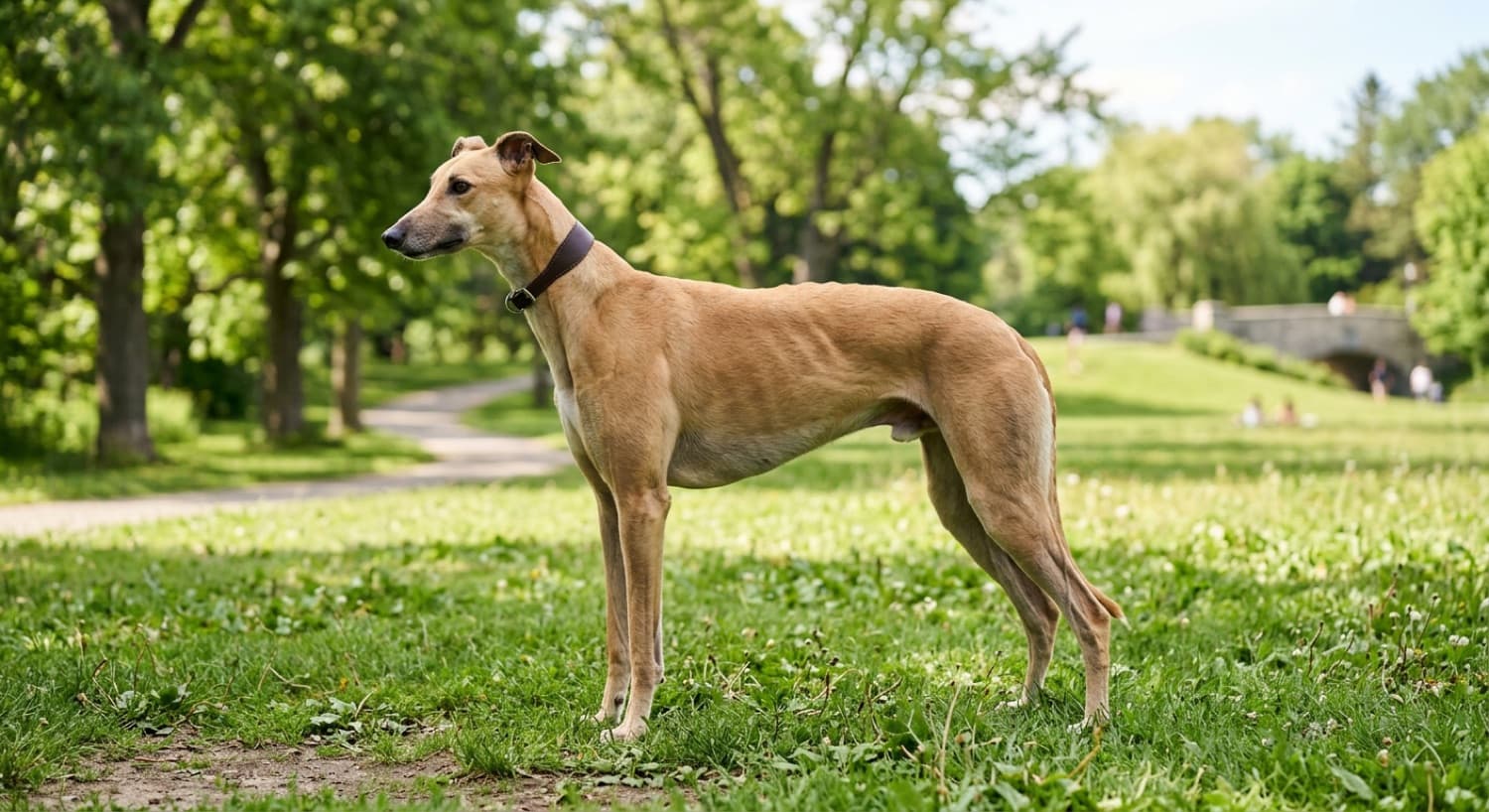
Greyhounds are generally healthy and largely free of hip dysplasia, with a lifespan around ten to fourteen years. The concerns to know are an elevated bone-cancer (osteosarcoma) risk, bloat, dental disease, thin tear-prone skin, foot-pad corns, and cold sensitivity. Critically, the breed has unusual physiology, low body fat and different normal blood values, so always make sure your vet knows the dog is a Greyhound before anesthesia. Watch for any persistent limp, and keep the dog warm in winter. This is general information, not veterinary advice; your vet knows your individual dog.
Bone cancer: the concern to stay alert to
The most serious health issue in the breed is osteosarcoma, an aggressive bone cancer for which Greyhounds, like several large breeds, carry an elevated lifetime risk. It most often appears in a leg, and the typical early warning is a persistent limp or lameness, sometimes with a firm swelling on the limb, that does not clear up the way an ordinary strain would. Because early detection genuinely affects outcomes, the practical rule is simple: any lameness that lasts more than a few days, or any firm swelling on a leg, deserves prompt veterinary assessment rather than waiting it out. The AKC Canine Health Foundation funds significant research into canine osteosarcoma. This is not a reason to fear the breed, most Greyhounds live long, healthy lives, but it is the single thing most worth watching as they age.
Bloat, and the deep-chested risk
As a deep-chested breed, the Greyhound is at risk of bloat (gastric dilatation-volvulus), where the stomach fills with gas and can twist, an emergency where the dog can go from fine to critical in a couple of hours. The Merck Veterinary Manual lists deep, narrow chest conformation as a proven risk factor. Warning signs to know on sight: unproductive retching (trying to vomit with nothing coming up), a swollen or hard belly, drooling, restlessness, and obvious distress. This is a drive-to-the-emergency-vet-now situation, so know your nearest 24-hour Toronto emergency hospital in advance. Feeding smaller meals and avoiding hard exercise right around meals are commonly recommended precautions worth discussing with your vet.
The Greyhound difference: anesthesia and bloodwork
Here is a piece of Greyhound care that surprises many new owners. The breed has genuinely unusual physiology for a dog: very little body fat, and normal blood values that differ from other breeds, including a naturally higher red blood cell count. Two practical consequences follow. First, because of the low body fat and their particular metabolism, vets use Greyhound-specific anesthesia protocols, so you should always make sure any vet knows the dog is a Greyhound before a procedure. Second, a vet unfamiliar with the breed could misread otherwise-normal Greyhound bloodwork as abnormal. Any experienced veterinarian knows all of this, but it is worth a reminder before any anesthetic procedure, because it is one of the few breeds where this genuinely changes the medicine. When in doubt, say it out loud: “this is a Greyhound.”
Teeth, skin, and corns
A few smaller but real issues round out the profile. Dental disease is common in the breed, so regular dental care, and attention to the teeth at vet visits, matters more than for many dogs. Greyhound skin is famously thin and tears more easily than most dogs', so minor scrapes and cuts happen and are worth watching, and it is another reason to keep sharp hazards in check. And Greyhounds (along with other sighthounds) are prone to corns, hard, painful thickenings on the foot pads that cause a limp, especially on hard surfaces. Corns can be stubborn and sometimes recur, so they are managed with veterinary care over time. If your Greyhound develops an unexplained, coming-and-going limp with no obvious injury, ask your vet to check the pads for a corn, it is easily overlooked.
Everyday care and the Toronto seasons
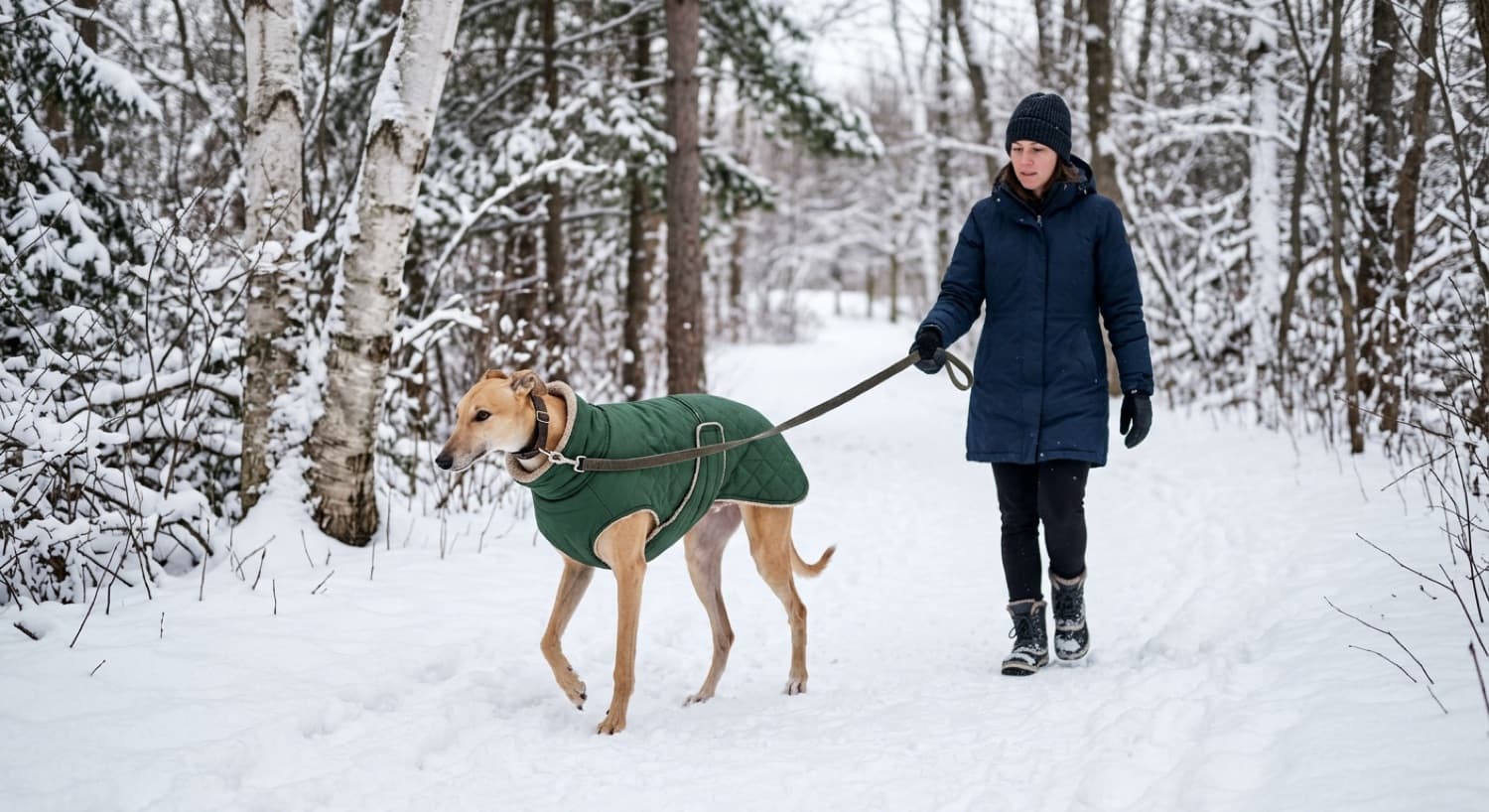
For all the specifics above, a Greyhound is not a high-maintenance dog, it just needs a slightly different playbook. Keep it warm: a proper coat in winter is essential, booties help on salted sidewalks, and a padded bed off cold floors keeps a lean dog comfortable. Keep it lean and feed sensibly, watch for any persistent limp, stay on top of teeth, and make sure your vet knows the breed. Do those things and most Greyhounds sail through life as remarkably healthy, easy dogs. Our Toronto low-cost vet guide can help with routine care, and the Canadian Kennel Club breed profile is a useful reference on the breed overall.
Browse adoptable Greyhounds in Toronto
A rescue Greyhound usually comes with substantial vet work already done, including dental, and honest notes on health. Meet the adoptable Greyhounds near you.
See Available Greyhounds →Frequently Asked Questions
Are Greyhounds a healthy breed?
On the whole, yes. Greyhounds are one of the more genetically sound purebreds, largely free of the hip dysplasia and many of the inherited problems that trouble other large breeds, and retired racers are typically fit, screened, and vetted before adoption. Lifespan is around ten to fourteen years, good for a large dog. That said, the breed has a handful of specific concerns every owner should know, an elevated bone-cancer risk, bloat, dental needs, and some unique physiological quirks around anesthesia and blood values, which is what this guide covers.
What health problems are Greyhounds prone to?
The most serious is osteosarcoma (bone cancer), for which the breed carries an elevated lifetime risk. As a deep-chested dog, the Greyhound is also at risk of bloat (gastric torsion), a life-threatening emergency. Beyond those, Greyhounds are prone to dental disease, have thin skin that tears easily, can develop painful corns on their foot pads, and have breed-specific physiology, low body fat and different normal blood values, that affects how vets should handle anesthesia and interpret bloodwork. Cold sensitivity rounds out the list. None of this makes them a high-maintenance breed, but the specifics matter.
Why is bone cancer a concern in Greyhounds?
Greyhounds, like several large and giant breeds, carry an elevated lifetime risk of osteosarcoma, an aggressive bone cancer that most often appears in a leg. The typical early sign is a persistent limp or lameness, sometimes with a firm swelling on a limb, that does not resolve like a simple strain would. Because early treatment matters, any lameness that persists for more than a few days, or any firm swelling on a leg, deserves prompt veterinary assessment rather than a wait-and-see approach. It is not a reason to avoid the breed, but it is the health concern most worth staying alert to as a Greyhound ages.
Do I need to tell my vet my dog is a Greyhound?
Yes, and it genuinely matters. Greyhounds have unusual physiology for a dog: very low body fat, and normal blood values that differ from other breeds (for example, a naturally higher red blood cell count). Because of the low body fat and their unique metabolism, vets use Greyhound-specific anesthesia protocols, and a vet who is not told the dog is a Greyhound could misjudge anesthesia or misread otherwise-normal bloodwork as abnormal. Any experienced vet knows this, but you should always confirm your vet is aware you have a Greyhound before any procedure. It is one of the few breeds where this reminder is genuinely important.
What are corns, and why do Greyhounds get them?
Corns are hard, painful thickenings that form on the foot pads, and they are notably common in Greyhounds and other sighthounds. A dog with a corn often limps or seems footsore, especially on hard surfaces, and the limp may come and go. Corns can be frustrating to treat and sometimes recur, so they are managed with veterinary and podiatry-style care over time rather than a single fix. If your Greyhound develops an unexplained limp with no obvious injury, a corn on the pad is worth having your vet check for, since it is easy to miss and a well-known sighthound issue.
How do I keep a Greyhound comfortable in a Toronto winter?
Plan for the cold, because the breed cannot. A Greyhound's thin coat and minimal body fat mean it genuinely feels the cold, so a warm, well-fitted coat is essential for winter walks, not a fashion choice, and on the coldest days walks may need to be shorter. Booties help protect thin-skinned paws from salt and ice. Indoors, provide a warm, padded bed off cold floors, since a Greyhound will always seek out the softest, warmest spot in the house. Their thin skin also tears more easily than most dogs', so watch for scrapes and cuts and keep sharp hazards in mind. Managing cold and skin is most of what a Greyhound owner does differently.
Should I get pet insurance for a Greyhound?
It is worth serious consideration. While Greyhounds are generally healthy, the two big risks, bone cancer and bloat, are both expensive and potentially sudden, exactly the kind of events insurance is built for. Routine care is moderate, but a single osteosarcoma diagnosis or bloat surgery can run well into the thousands. Enrolling while the dog is young and healthy, before anything becomes a pre-existing condition, gives you the most usable coverage, and given that many adopted Greyhounds are already adults, it is worth doing soon after adoption. Compare providers on how they handle cancer and hereditary conditions, and keep an emergency fund alongside.
Greyhound Off-Leash & Recall
The sighthound safety rule, and how to exercise a Greyhound.
Greyhound Adoption in Toronto
Where to adopt, the couch-potato reality, and the costs.
New dog? Start with these care guides
Everything a new adopter needs to set up a safe, happy home.