The short answer
The Shih Tzu is a flat-faced (brachycephalic) breed, and that defines its health profile. The short muzzle narrows the airway, so snoring is normal, hard exercise and heat are risky, and humid Toronto summers can be dangerous. Keep your dog cool, lean, and on a harness. The other key concerns: prominent eyes prone to ulcers, dry eye, and injury; crowded teeth that make dental disease very common; and some joint (slipping kneecaps) and ear issues. A flat-faced breed also carries higher anaesthetic risk, so use a vet experienced with brachycephalic airways. None of this is a reason to avoid the breed. It is a reason to plan, monitor, and budget. Ontario insurance runs roughly $40 to $80 per month for a young healthy Shih Tzu, and pre-existing conditions are excluded, so enrol early. This is general information, not veterinary advice; your vet is the right guide for your specific dog.
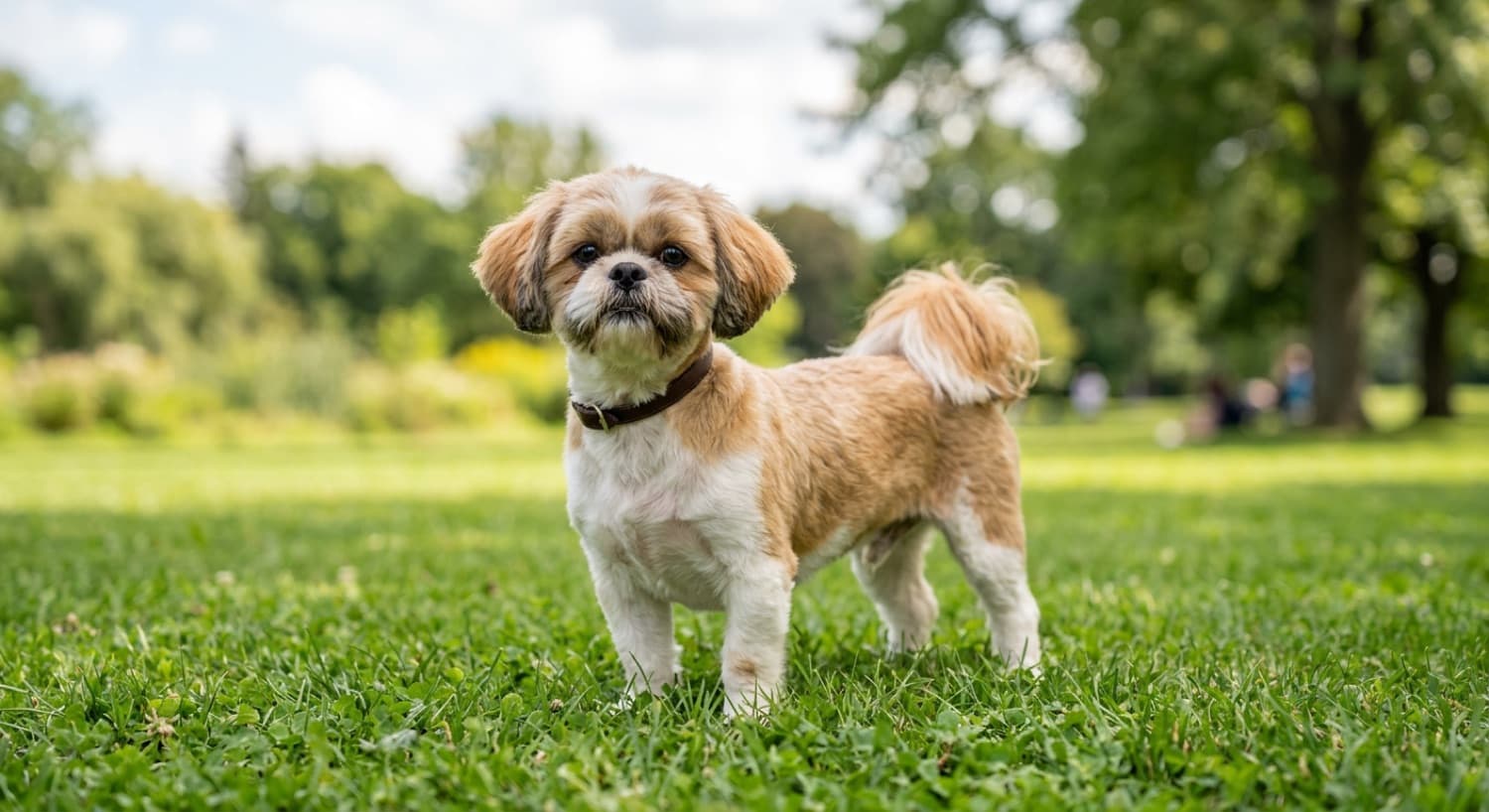
The flat face: breathing and heat
The Shih Tzu is brachycephalic, which is the single most important thing to understand about the breed's health. The short, flat face packs the soft tissue of a longer-nosed dog into a much smaller space, so narrowed nostrils, a long soft palate, and a tighter airway are the norm. This cluster is called brachycephalic obstructive airway syndrome (BOAS), and it causes snoring, snorting, noisy breathing, and poor tolerance for exercise and heat. The Merck Veterinary Manual describes the compact flat-faced build that comes with it, and lists the Shih Tzu among the breeds prone to it.
Mild snoring is normal and nothing to fear. What is not normal is loud or laboured breathing at rest, frequent gagging or retching, collapse, or blue-tinged gums, and any of those means a vet, because the more significant end of BOAS is a real medical condition that surgery can sometimes improve. If your Shih Tzu seems to work hard to breathe even when cool and resting, ask your vet to assess the airway.
Heat is the standout Toronto risk. Dogs cool themselves mainly by panting, and a narrowed airway makes panting far less effective, so a humid Toronto summer is genuinely dangerous for a flat-faced breed. Avoid walks and play in the midday heat and choose early morning or evening instead. Carry water. Never leave a Shih Tzu in a parked car, even for a minute, since the interior heats within minutes and a brachycephalic dog can overheat fast. Watch for heavy panting, drooling, bright-red gums, wobbliness, or distress, which are early heatstroke signs that need immediate cooling and a vet. The AVMA warm-weather pet safety guidance is a good primer. On hot, humid days, keep your dog indoors with air conditioning or a fan. Our winter dog care guide covers the cold-weather side, since small flat-faced dogs feel Toronto's extremes at both ends.
One more consequence of the flat face: higher anaesthetic risk. For any procedure that needs sedation or general anaesthetic, from a dental cleaning to surgery, use a vet experienced with brachycephalic airways who will take extra care around induction and recovery. Do not let this scare you off necessary care; it is a reason to choose the right vet, not to skip treatment.
The eyes: prominent and exposed
A Shih Tzu's large, prominent eyes sit in shallow sockets, which leaves the surface more exposed and more easily injured than a deeper-set eye. The eyes are one of the breed's most important health areas, and quick attention to any change protects your dog's sight.
Common issues include corneal ulcers (scratches or damage to the eye surface, which are painful and can worsen quickly), dry eye (keratoconjunctivitis sicca, or KCS, where the eye does not make enough tears), and, with age, cataracts and progressive retinal atrophy. The most serious is proptosis, where a knock or trauma can cause the eye to bulge forward out of its socket. Proptosis is a true emergency: cover the eye with a clean damp cloth, do not touch it, and get to a vet or emergency clinic immediately, because prompt care gives the best chance of saving the eye.
Because the eyes are so exposed, treat any redness, cloudiness, squinting, pawing at the eye, or discharge as a reason to see a vet promptly rather than waiting. Day to day, gentle daily cleaning of the eye area with a damp cloth and keeping the hair trimmed back away from the eyes prevents a lot of irritation and injury. That grooming routine does real medical work, and our Shih Tzu grooming and coat guide covers how to manage the face and eye area safely.
Teeth: a small, crowded jaw
Dental disease is one of the most common problems in the breed. A Shih Tzu has a small jaw trying to hold a full set of teeth, so the teeth crowd and overlap, trapping food and plaque and speeding up tartar, gum disease, and eventually painful tooth loss.
The most effective prevention is daily tooth brushing with dog toothpaste, started gently and early so your dog accepts it. Pair that with professional cleanings under anaesthetic when your vet recommends them. Because a flat-faced breed carries higher anaesthetic risk, choose a vet comfortable with brachycephalic airways for cleanings, but do not skip them, since untreated dental disease is both painful and a source of infection that can affect the whole body.
Watch for the everyday signs a check-up is due: bad breath, reluctance to eat hard food, dropping food, or pawing at the mouth. Good dental care is one of the clearest examples of prevention being far cheaper and kinder than treatment, and it is squarely within your control.
Joints, ears, and other concerns
Joints. The main orthopedic concern is patellar luxation, a kneecap that slips out of its groove, seen as a skip in the step, an occasional hop, or a back leg held up briefly before the dog carries on. Mild cases are managed and more severe ones may need surgery. Small breeds like the Shih Tzu can also develop Legg-Calve-Perthes disease, where the hip joint loses its blood supply, usually seen in young dogs as lameness or hind-leg pain, and intervertebral disc disease affecting the spine can occur too. Keeping your dog lean protects all of these, and any persistent limping, skipping, or reluctance on stairs deserves a vet visit.
Ears. Drop ears plus hair in the canal trap warmth and moisture, so ear infections are common, and Toronto's humid summers make it worse. Keep the ear hair managed as part of grooming, check the ears weekly for redness, odour, or discharge, and dry them after baths or wet weather. Head-shaking, scratching, a bad smell, or brown discharge mean an active infection and a vet visit, since chronic cases can point to underlying allergies.
Kidneys. Renal dysplasia, a congenital condition where the kidneys do not develop normally, has been associated with the breed. It is far less common than the breathing, eye, and dental issues, but it is worth knowing. Increased thirst and urination, poor appetite, or poor growth in a young dog are reasons for a vet visit and bloodwork.
Other. Shih Tzus can also develop hypothyroidism (an underactive thyroid that shows up as weight gain, low energy, or coat and skin changes, diagnosed with a blood test and managed with inexpensive daily medication) and allergies and skin issues that often show as itchy skin, paw-licking, or recurring ear trouble. The AKC Canine Health Foundation funds ongoing research into conditions across many breeds. Most of these are monitored or managed well once a vet is involved.
Weight, prevention, and a long healthy life
If there is one lever you fully control, it is weight. A lean Shih Tzu breathes more easily, puts less strain on slipping kneecaps and arthritic joints, and copes better with heat. Small dogs gain weight fast on very little extra food, so measured meals and limited treats matter more than owners expect.
Pair a lean weight with sensible, moderate exercise that respects the airway. A Shih Tzu needs daily movement but not hard running, and in Toronto that means shaded, cool-hour walks in summer and short, watchful outings in extreme cold. Build the daily habits that prevent problems: brush the teeth, clean and check the eyes and ears, and keep the face hair trimmed. These small routines are the everyday medicine of the breed.
Round it out with staying current on vet check-ups so problems are caught early. Shih Tzus commonly live around 10 to 16 years, a long commitment often stretching well past a decade, and a lean dog with attentive daily care and prompt veterinary attention has the best odds of a long, comfortable life. If you are welcoming a rescue Shih Tzu, our first week with a rescue dog guide helps you settle in and spot anything that needs a vet.
The Shih Tzu health profile at a glance
| Concern | What it is | What helps |
|---|---|---|
| Airway (BOAS) and heat | Flat face narrows the airway, poor heat tolerance | Keep cool and lean, harness not collar, avoid midday heat, never leave in a car |
| Eyes | Prominent, exposed eyes: ulcers, dry eye, proptosis | Daily eye care, trim face hair, see a vet fast for any eye change |
| Dental disease | Crowded teeth in a small jaw trap plaque | Daily brushing, professional cleanings as advised |
| Patellar luxation | Slipping kneecap, seen as a skip or hop | Keep lean, vet assessment, surgery if severe |
| Ear infections | Drop ears and canal hair trap moisture | Manage ear hair, weekly checks, dry after baths |
| Renal dysplasia | Congenital kidney condition (less common) | Watch thirst and urination, routine bloodwork |
Should I get pet insurance for my Shih Tzu?
For a Shih Tzu, it is genuinely worth considering, and the timing is everything. A flat-faced breed with airway risk, prominent eyes prone to injury and dry eye, and crowded teeth that often need dental work carries higher lifetime odds of a real vet bill than many breeds. Ontario pet insurance for a young, healthy Shih Tzu commonly runs about $40 to $80 per month. The rule that catches everyone: anything already present becomes a pre-existing condition and is excluded, so a policy taken out the week you adopt a healthy young Shih Tzu covers vastly more than one bought after the first eye ulcer or dental problem appears.
Compare a few Ontario providers on annual and per-condition limits, deductibles, reimbursement percentage, and whether they cover the things a Shih Tzu is prone to, including airway and dental care. Enrol while your dog is young and healthy. To keep routine costs down so your budget is free for what matters, see our guides to low-cost vet options in Toronto and affordable spay and neuter, and our Toronto adoption cost breakdown for the full first-year picture.
Ready to meet a Shih Tzu?
Browse adoptable Shih Tzus and Shih Tzu mixes from Toronto rescues. A rescue can tell you how a specific dog breathes, copes with heat, and handles daily life in foster, which is exactly the head start this breed rewards. Refreshed regularly.
See Available Shih Tzus →Frequently Asked Questions
Why does my Shih Tzu snore and breathe loudly?
The most common reason is the breed's flat-faced (brachycephalic) build. A Shih Tzu's short muzzle packs the same soft tissue as a longer-nosed dog into a much smaller space, so narrowed nostrils, a long soft palate, and a tighter airway make snoring, snorting, and noisy breathing normal for the breed at rest. Mild noise is common, but loud or laboured breathing, gagging, or blue-tinged gums are not normal and need a vet. This cluster of signs is called brachycephalic obstructive airway syndrome (BOAS), and it ranges from mild snoring to a condition that surgery can improve. Keep your Shih Tzu lean, use a harness instead of a neck collar, and avoid heat and hard exercise. If breathing seems effortful even when resting or cool, have your vet assess the airway.
Do Shih Tzus have breathing problems?
Many do to some degree, because the flat face is the defining feature of the breed. Most Shih Tzus live comfortably with mild snoring and snorting, but the same short-muzzle build that gives them their look also narrows the airway, so they tolerate heat and heavy exercise poorly and some develop the more significant end of brachycephalic obstructive airway syndrome (BOAS). Warning signs of the serious end include loud or laboured breathing at rest, frequent gagging or retching, collapse, or blue gums, and those are veterinary matters, not quirks to ignore. A flat-faced breed also carries higher anaesthetic risk, so use a vet experienced with brachycephalic airways for any procedure. Keeping your dog lean, cool, and on a harness are the everyday things that help most.
How hot is too hot for a Shih Tzu?
Lower than owners expect, because a flat-faced dog cannot cool itself efficiently. Dogs shed heat mainly by panting, and a Shih Tzu's narrowed airway makes panting far less effective, so humid Toronto summers are genuinely dangerous for the breed. Avoid walks and play in the midday heat, choose early morning or evening, carry water, and watch for heavy panting, drooling, bright-red gums, wobbliness, or distress, which are early heatstroke signs that need immediate cooling and a vet. Never leave a Shih Tzu in a parked car even briefly, since the interior heats fast and a brachycephalic dog can overheat within minutes. When it is hot and humid, keep your dog indoors with air conditioning or a fan. The AVMA has good warm-weather guidance for flat-faced breeds.
Are Shih Tzus prone to eye problems?
Yes, the eyes are one of the breed's most important health areas. Shih Tzus have large, prominent eyes set in shallow eye sockets, which leaves the surface more exposed and more easily injured than a deeper-set eye. Common issues include corneal ulcers (scratches or damage to the eye surface), dry eye (keratoconjunctivitis sicca, or KCS, where the eye does not make enough tears), cataracts, and progressive retinal atrophy. The most serious is proptosis, where trauma can cause the eye to bulge out of the socket, which is a true emergency needing an immediate vet. Because of all this, treat any eye redness, cloudiness, squinting, pawing at the eye, or discharge as a reason to see a vet promptly. Daily gentle cleaning of the eye area and keeping hair trimmed away from the eyes prevents a lot of trouble.
Do Shih Tzus need dental care?
Yes, and dental disease is one of the most common problems in the breed, so daily care genuinely matters. A Shih Tzu has a small jaw trying to hold a full set of teeth, so the teeth crowd, overlap, and trap food and plaque, which speeds up tartar, gum disease, and eventually painful tooth loss. The most effective prevention is daily tooth brushing with dog toothpaste, started gently and early, plus professional cleanings under anaesthetic when your vet recommends them. Because a flat-faced breed carries higher anaesthetic risk, use a vet comfortable with brachycephalic airways for cleanings, but do not skip them, since untreated dental disease is both painful and a source of infection. Watch for bad breath, reluctance to eat hard food, or pawing at the mouth as signs a check-up is due.
Why does my Shih Tzu get ear infections?
Drop ears plus hair in the ear canal are the reason. A Shih Tzu's hanging ears reduce airflow and hold in warmth and moisture, and hair growing inside the canal traps it further, creating the damp, dark conditions that yeast and bacteria thrive in. Toronto's humid summers make it worse. The prevention is a simple routine: keep the ear hair managed as part of grooming, check the ears weekly for redness, odour, or discharge, dry them after baths or wet weather, and clean with a vet-recommended cleaner as directed. Signs of an active infection include head-shaking, scratching at the ear, a bad smell, or brown discharge, and those should be seen by a vet because ear infections are painful and chronic cases can need medication and point to underlying allergies.
What joint problems do Shih Tzus have?
The main orthopedic concerns are patellar luxation and, in small breeds generally, a hip condition called Legg-Calve-Perthes disease. Patellar luxation is a kneecap that slips out of its groove, seen as a skip in the step, an occasional hop, or a leg held up briefly before the dog carries on normally; mild cases are managed and more severe ones may need surgery. Legg-Calve-Perthes involves the hip joint losing its blood supply and is usually seen in young small-breed dogs as lameness or pain in a back leg. Intervertebral disc disease, a back and spine problem, can also occur. Keeping your Shih Tzu lean protects the joints, and any persistent limping, skipping, or reluctance to jump or use stairs is worth a vet visit rather than waiting to see if it passes.
What is renal dysplasia in Shih Tzus?
Renal dysplasia is a congenital (present-from-birth) kidney condition that has been associated with the breed, where the kidneys do not develop normally. It is worth knowing about, though it is far less common than the breed's breathing, eye, and dental issues. Affected dogs can show signs of kidney trouble at a young age, such as increased thirst and urination, poor appetite, poor growth, or vomiting. If you notice a young Shih Tzu drinking and urinating much more than normal, that is a reason for a vet visit and bloodwork, since early kidney changes are something a vet monitors and manages. For most owners this is background knowledge rather than a daily worry, but it is part of an honest breed health picture and a good reason to keep up with routine wellness bloodwork as your vet advises.
How long do Shih Tzus live?
Shih Tzus commonly live around 10 to 16 years, so this is a long commitment, often well over a decade. That long lifespan is a real strength of the breed, and it is influenced both by genetics and by the everyday things owners control: keeping the dog lean, staying on top of dental care, protecting the eyes, avoiding heat, and keeping current with vet check-ups so problems are caught early. A lean Shih Tzu with attentive daily care and prompt veterinary attention has the best odds of a long, comfortable life. If you are adopting an adult or senior Shih Tzu, you may still have many good years ahead, and giving an older small dog a soft place to land is one of the most rewarding adoptions there is. Plan for the years, and budget for the care they need across them.
Is pet insurance worth it for a Shih Tzu?
For this breed it is genuinely worth considering, and the single most important thing is to enrol early. A Shih Tzu combines airway risk, prominent eyes that are prone to injury and dry eye, and crowded teeth that often need dental work, so the lifetime odds of a real vet bill are higher than for many breeds. Ontario pet insurance for a young, healthy Shih Tzu commonly runs about $40 to $80 per month. The catch that catches everyone: anything already present becomes a pre-existing condition and is excluded, so a policy taken out the week you adopt a healthy young Shih Tzu covers far more than one bought after the first eye ulcer or dental problem appears. Compare providers on annual and per-condition limits, deductibles, and reimbursement, and enrol while your dog is healthy.
What should I ask about a rescue Shih Tzu's health?
Ask the foster or rescue what they have seen day to day: how the dog breathes at rest and after light activity, whether it tolerates warmth, any eye redness, cloudiness, or squinting, the state of the teeth and breath, any ear issues, and any skipping or limping that could point to a knee. Ask for the vet records from the rescue's intake exam, including any dental notes, eye findings, and bloodwork. Then book your own vet visit soon after adoption to set a baseline, and for an adult or senior dog to plan sensible monitoring of the eyes, teeth, and airway. Reputable Toronto rescues are upfront about what they know, and a foster who has lived with the dog is a valuable source of honest information about how it copes with heat, stairs, and daily life.
The full Shih Tzu cluster
Shih Tzu Adoption in Toronto
Where to adopt, real costs vs breeders, Shih Tzu mixes, and the breed reality before you apply.
Shih Tzu Grooming & Coat
Managing the long coat, the face and eye area, and the real grooming budget.
Low-Cost Vet Options in Toronto
Keep routine care affordable so your budget is free for the conditions that matter.
Winter Dog Care in Toronto
A small flat-faced dog feels Toronto's cold as much as its heat: how to keep them safe.
New dog? Start with these care guides
Everything a new adopter needs to set up a safe, happy home.