The short answer
The Vizsla is a generally healthy, long-lived breed (often twelve to fifteen years) that avoids many severe structural problems. The things to watch are hip dysplasia, eye conditions (entropion, progressive retinal atrophy), hypothyroidism, ear infections from drop ears, and a higher awareness needed around certain cancers, plus a rare breed-specific muscle condition. The short thin coat means real cold sensitivity in a Toronto winter. Keep the dog lean and exercised, do routine wellness checks, and act promptly on any lump or change. This is general information, not veterinary advice; your vet knows your individual dog.
A fundamentally healthy breed
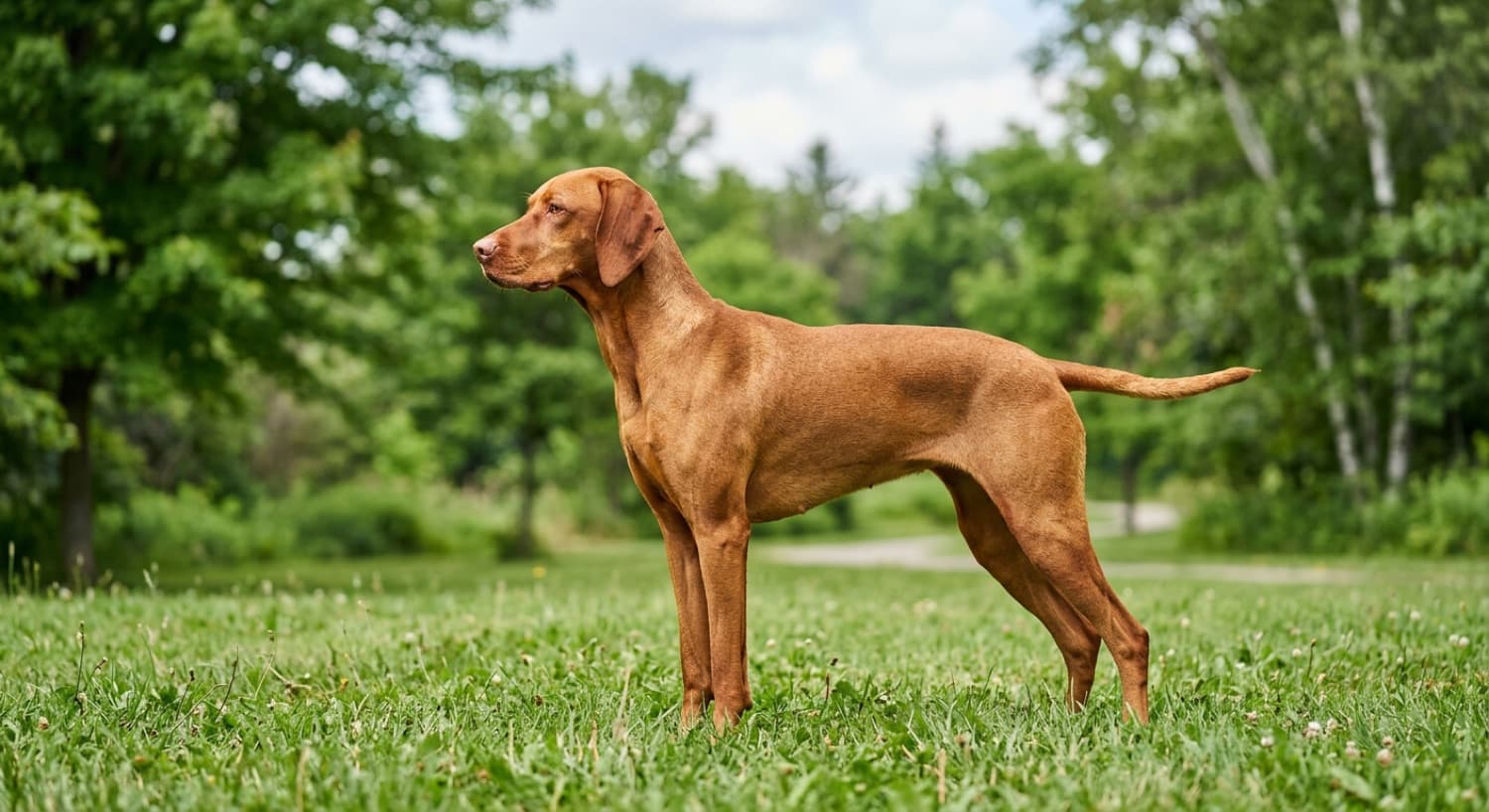
It is worth starting with the good news, because it is genuinely the headline for this breed. The Vizsla is widely considered one of the healthier, hardier purebreds, an athletic working dog that tends to stay sound and active well into its senior years and often lives twelve to fifteen years. It is largely spared the extreme conformational problems, the breathing, spinal, and joint issues, that burden many popular breeds. Much of keeping a Vizsla healthy is simply meeting its needs: plenty of exercise, good nutrition, a healthy weight, and the mental engagement and companionship the breed craves. The concerns below are real and worth knowing, but they sit against a backdrop of a hardy, long-lived dog, not a fragile one.
Hips, eyes, and thyroid
A few specific conditions are worth watching. Hip dysplasia, where the hip joint develops abnormally and leads to arthritis, occurs in the breed as in many active medium-to-large dogs, which is why responsible breeders screen breeding stock through registries like the OFA hip database; watch for stiffness, reluctance on stairs, or a changed gait, and keep the dog lean to protect the joints. On the eyes, Vizslas can develop entropion (an eyelid rolling inward) and progressive retinal atrophy (an inherited condition that gradually reduces vision), so treat any squinting, redness, or change in night vision as a reason to see the vet. Hypothyroidism, an underactive thyroid causing weight gain, coat changes, and lethargy, also turns up in the breed and is easily tested and very manageable once diagnosed.
Cancer awareness and a rare muscle condition
Two less common but worth-knowing points. First, the breed carries a higher awareness around certain cancers than some breeds, including lymphoma and mast cell tumours among others, so as a Vizsla ages, regular wellness checks and a habit of running your hands over the dog to feel for any new lump or swelling are sensible, and anything unusual, a mass that appears or grows, unexplained weight loss, or persistent lethargy, warrants prompt veterinary assessment, since early detection matters with cancer. The AKC Canine Health Foundation funds significant canine cancer research. Second, there is a rare breed-specific autoimmune muscle disorder, Vizsla inflammatory polymyopathy, which can affect swallowing and cause muscle wasting; it is uncommon, but a Vizsla with unexplained difficulty eating or muscle loss should be seen by a vet.
Ears, skin, and everyday care
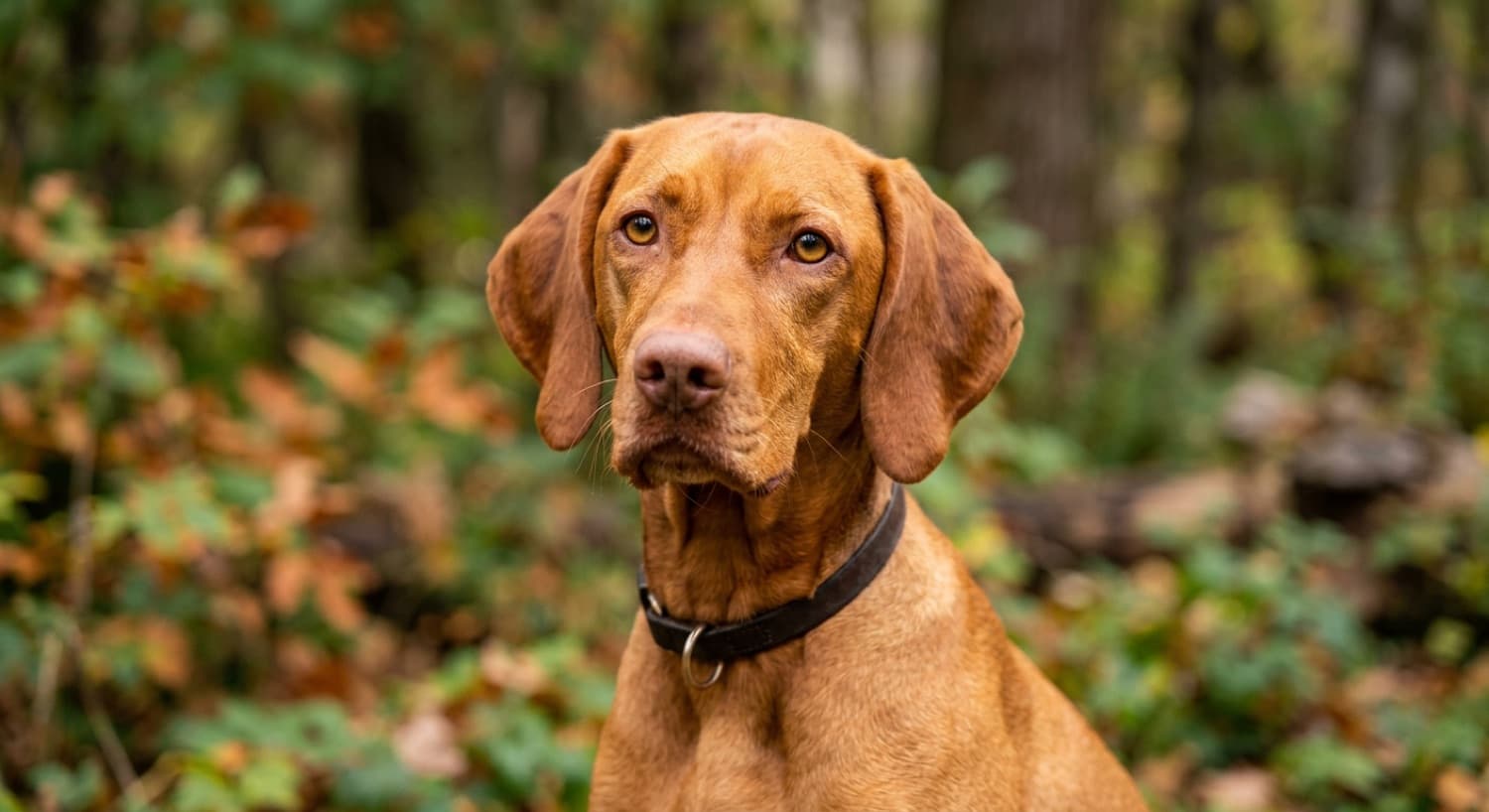
The routine care items are straightforward. Those folded drop ears trap some warmth and moisture, so ear infections can occur, particularly after swimming or wet weather, and regular ear checks and cleaning as your vet recommends prevent most problems, catch head-shaking, odour, or redness early. Vizslas can also have allergies and sensitive skin (atopy), which show up as itching, ear issues, or paw licking and are managed with a vet-guided plan. Otherwise the short single coat is wonderfully low-maintenance, a quick brush and the occasional bath, and the breed is famously clean with little doggy odour. Building simple ear and skin checks into your routine keeps a low-maintenance breed exactly that.
Weight, cold, and the Toronto seasons
Two environmental notes finish the picture. Keep a Vizsla lean and well-exercised, it is a natural athlete and does best at a working weight, which also protects the joints and supports long-term health, and for this breed, meeting the exercise need is itself a health measure (our exercise guide covers how). And respect the cold: the short, thin coat and lean build mean a Vizsla genuinely feels a Toronto winter, so a warm coat for walks is essential and booties help on salted sidewalks. In summer, provide shade and water and time hard exercise for the cooler hours. Our Toronto low-cost vet guide can help with routine care, and the Canadian Kennel Club breed profile is a useful reference on the breed overall.
Browse adoptable Vizslas in Toronto
A rescue Vizsla comes with a vet check already done and foster notes on health and temperament. Meet the adoptable Vizslas and Vizsla mixes near you.
See Available Vizslas →Frequently Asked Questions
Are Vizslas a healthy breed?
On the whole, yes. The Vizsla is generally regarded as a healthy, hardy, long-lived breed, often living around twelve to fifteen years, which is excellent for a medium-to-large dog. It is largely free of many of the severe structural problems that trouble other breeds. That does not mean nothing goes wrong, the breed has a handful of concerns worth knowing, including hips, eyes, thyroid, and a higher awareness needed around certain cancers, but a well-bred, well-cared-for Vizsla is typically an active, sound dog well into its senior years, and much of keeping it healthy is simply meeting its exercise and companionship needs.
What health problems are Vizslas prone to?
The main ones to know are hip dysplasia, eye conditions (including entropion and progressive retinal atrophy), hypothyroidism, and ear infections from their drop ears. Some lines see epilepsy. The breed also has a higher awareness around certain cancers than some breeds, and there is a rare breed-specific autoimmune muscle condition (Vizsla inflammatory polymyopathy) that owners occasionally encounter. Allergies and skin sensitivity turn up too. It is a shorter, milder list than many breeds, which fits the Vizsla's reputation as fundamentally healthy, but knowing it helps you and your vet watch the right things.
Do Vizslas get hip dysplasia?
They can, as many active medium-to-large breeds do. Hip dysplasia is a developmental condition where the hip joint does not form properly, leading to pain and arthritis over time, and while Vizslas are not among the worst-affected breeds, it does occur, which is why responsible breeders screen breeding dogs. Watch for stiffness after rest, reluctance on stairs, or a change in gait, and raise any persistent lameness with your vet. Keeping a Vizsla lean and giving growing puppies sensible, low-impact exercise both help protect the joints. Many dogs do very well for years on weight and conservative management if it does develop.
Are Vizslas prone to cancer?
The breed does carry a higher awareness around certain cancers than some breeds, including lymphoma, mast cell tumours, and others, so it is worth being alert as a Vizsla ages. In practical terms that means checking your dog over regularly, feeling for any new lumps, bumps, or swellings, and having anything unusual, a mass that appears or grows, unexplained weight loss, or persistent lethargy, assessed by your vet promptly, since early detection genuinely matters with cancer. This is not a reason to fear the breed, plenty of Vizslas live long, healthy lives, but routine wellness checks and prompt attention to changes are the sensible response.
Why do Vizslas get ear infections, and what about their eyes?
Like many dogs with drop ears, a Vizsla's folded ears trap some warmth and moisture, so ear infections can occur and routine ear checks and cleaning as your vet advises help prevent them, especially after swimming or wet weather. On the eyes, Vizslas can be prone to entropion (an eyelid rolling inward and irritating the eye) and to progressive retinal atrophy (an inherited condition that gradually affects vision), among other issues, so any squinting, redness, cloudiness, or a change in how your dog sees or navigates in low light deserves a vet visit. Most eye and ear issues are very manageable when caught early, so build simple checks into your routine.
Do Vizslas handle Toronto winters?
Not without help. A Vizsla has a very short, thin single coat and a lean, low-fat build, so it feels the cold much like a Greyhound does, and a Toronto winter is genuinely uncomfortable for one unprotected. A warm, well-fitted coat is essential for cold-weather walks, not a luxury, and on the coldest days walks may need to be shorter (which makes indoor enrichment more important for this high-energy breed). Booties help on salted, icy sidewalks. Indoors, a Vizsla will happily burrow under blankets and seek out the warmest spot. In summer their athletic build handles heat reasonably, but they still need shade, water, and sensible timing on hot days.
Should I get pet insurance for a Vizsla?
It is worth considering even for a generally healthy breed. Vizslas are sound and long-lived, so routine costs are moderate, but the cancer awareness and the possibility of eye, orthopedic, or the rare muscle conditions mean a serious issue, while less likely than in some breeds, can still be expensive. Enrolling while the dog is young and healthy, before anything becomes a pre-existing exclusion, gives you the most usable coverage and turns an unpredictable risk into a manageable one. Compare providers on how they handle cancer and hereditary conditions rather than price alone, and keep an emergency fund alongside for deductibles and exclusions.
Vizsla Exercise & Separation Anxiety
Meeting the breed's energy and companionship needs.
Vizsla Adoption in Toronto
Where to adopt, the velcro temperament, and the costs.
New dog? Start with these care guides
Everything a new adopter needs to set up a safe, happy home.