The short answer
The Alaskan Malamute is affectionate, friendly, and loyal, but also powerful, independent, strong-willed, high-energy, prey-driven, and a notorious escape artist, a magnificent companion for the right experienced owner and emphatically not a beginner's dog (a distinct, larger, stronger, more independent breed than the Husky). It needs a LOT of exercise and mental stimulation, escape-proof containment, careful management (prey drive, possible dog-aggression), and heavy-coat grooming. Start on LocalPetFinder's Montreal listings, the Montreal SPCA, and northern-breed rescue (adopting an adult, whose temperament is known, is wise). It loves Montreal winters (heavy double coat, adores snow) but is heat-sensitive in summer (keep cool, never shave). Best with a house and secure yard, not an apartment. Adoption runs ~$300 to $700; they live ~10 to 14 years. Above all, assess honestly whether you can meet this demanding breed's needs.
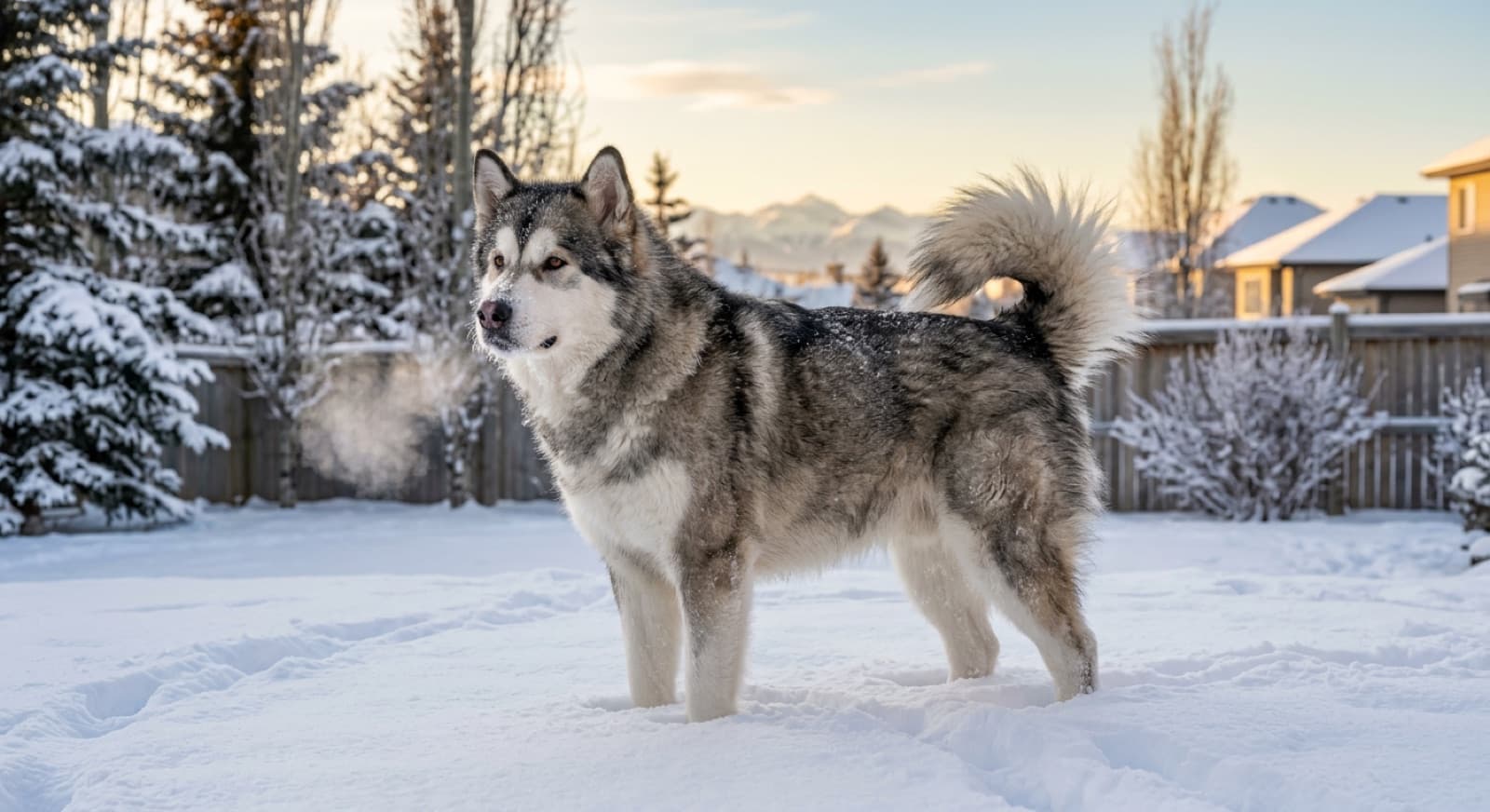
The Alaskan Malamute is a breathtaking dog, a powerful, dignified Arctic freighter with a wolfish look and an affectionate, playful heart, and it's born for a Montreal winter. It's also one of the most demanding breeds you can take on: big, immensely strong, independent, high-energy, prey-driven, and famous for escaping. Plenty of Malamutes land in rescue because owners fell for the looks and underestimated the reality. For the right experienced owner, though, it's magnificent. Here's the honest picture.
Where to adopt in Montreal
A few routes, though purebreds are relatively uncommon in general rescue (northern-breed mixes more common), so patience helps:
- •LocalPetFinder's Montreal dog listings, aggregating adoptable dogs from Montreal-area shelters and rescues, refreshed regularly. Search Malamutes and Malamute/husky mixes.
- •The Montreal SPCA, Quebec's largest animal-protection organization.
- •Montreal-area general and northern-breed (husky/malamute) rescues, many foster-based, posting dogs through their websites and social media.
- •Malamute and northern-breed rescue networks in Canada that sometimes cover Quebec.
Adopting an adult is genuinely valuable for this demanding breed, you can know the size, temperament, energy, prey drive, and dog-sociability, and a rescue advises on fit and experience level (and you skip the huge-handful puppy stage). Many Malamutes are in rescue because owners underestimated the size, exercise needs, independence, escape-artistry, or grooming, so adopting can mean giving one a home with an owner who can meet its needs. Note the Malamute is a distinct breed from the Husky, larger, stronger, bred for hauling heavy freight, and often more independent and less beginner-friendly.
The powerful, independent temperament
Malamutes are affectionate, friendly, loyal, and playful, but also powerful, independent, strong-willed, and demanding. Bred by the Mahlemut Inuit as powerful freight-hauling sled dogs (strength and endurance over long distances), the Malamute is a big, strong, energetic working dog with deep working instincts. It's typically affectionate and pack-oriented (wants to be part of the family, not isolated), generally friendly even with strangers, and notably not a guard dog (too friendly).
But the demanding side is real: it's powerful and high-energy (needs substantial exercise and mental stimulation), independent and strong-willed (intelligent but not biddable, bred to think for itself and pull, needing patient, consistent, positive training and knowledgeable handling, not an easy breed, especially for first-timers), has a strong prey drive (may not be safe with cats/small animals), can be dog-selective/same-sex aggressive, and is a notorious escape artist and digger (see the exercise & escape guide). It's vocal in the northern-breed way (“talking” and howling more than barking).
The Malamute is a magnificent companion for an experienced, active, committed owner who understands a powerful independent working breed, but it's emphatically not a beginner's dog, and a poor fit for inexperienced owners, sedentary households, or anyone unprepared for the exercise, training, management, and grooming it demands. See our health guide.
Family fit and the Montreal climate
A Malamute can be a wonderful family dog for an experienced, active family, often good with children (friendly and affectionate, though its size, strength, and exuberance mean supervision with young children is essential), but the prey drive means care around small pets and the potential dog-aggression means careful management around other dogs. It suits families with the experience, activity level, time, and commitment for a powerful, demanding working dog, not inexperienced or sedentary ones.
Climate is where the Malamute shines in Montreal: bred as an Arctic sled dog with a heavy double coat, it absolutely loves cold and snow and thrives in Montreal winters (a real plus). The serious flip side: that coat makes it heat-sensitive and prone to overheating, so summers need real care (keep cool, air conditioning, cool-hour exercise, water and shade), and never shave the coat. Exercise and space: a large, powerful, high-energy working dog needing substantial exercise, so a house with a secure yard is strongly preferable and an apartment is generally a poor fit. Escape-proofing (secure, dug-proofed fencing) is essential, and the heavy coat sheds heavily with real grooming needs.
Malamutes are pack-oriented and don't do well isolated. For an experienced, active, committed Montreal individual or family with appropriate space (ideally a house with a secure yard) who can provide the substantial exercise, training, management (prey drive, dog-aggression, escape-proofing), grooming, companionship, and summer heat care, a Malamute is a magnificent, affectionate, snow-loving companion that thrives in the Montreal winter, but a poor fit for inexperienced owners, sedentary households, or apartments, so honest self-assessment is essential.
The real cost
Adoption fees run ~$300 to $700 (usually covering spay/neuter, vaccinations, and microchipping), vs $2,000 to $4,000+ from a breeder. Ongoing costs are significant for a large, active breed: large quantities of food, more expensive large-dog vet care (plus a fund or insurance for potential issues, hip dysplasia, eye conditions, hypothyroidism, and breed-specific polyneuropathy/chondrodysplasia), substantial grooming (the heavy shedding double coat, often professional de-shedding), exercise/enrichment, escape-proof fencing (a real cost), heavy-duty large-dog supplies, possibly a larger vehicle, and summer cooling (air conditioning).
A warm coat generally isn't needed (the Malamute's own coat handles the cold). Pet insurance is worth considering (take it out while the dog is young and healthy). Under Quebec's Civil Code (article 898.1), animals are recognized as sentient beings, not mere property. A Malamute is a significant cost and commitment, given its size, grooming, exercise/enrichment and containment needs, and potential health costs, financial and practical readiness is a genuine part of responsible ownership, and underestimating the breed's needs and cost is a common reason Malamutes end up in rescue.
Browse adoptable dogs in Montreal
For a demanding breed like the Malamute, adopting an adult, whose temperament and energy are known, and getting a rescue's honest guidance on fit, is the wisest route. Refreshed regularly across Montreal-area organizations.
See Available Dogs →Frequently Asked Questions
Where can I adopt an Alaskan Malamute in Montreal?
Start with LocalPetFinder's Montreal listings, the Montreal SPCA (spca.com), general and northern-breed (husky/malamute) rescues, and Canadian Malamute rescue. Purebreds are relatively uncommon in rescue (mixes more common), so be patient and open to a mix or an adult. Adopting an adult lets you know the temperament, energy, and prey drive, and skips the huge-handful puppy stage, valuable for this demanding breed.
What is their temperament like?
Affectionate, friendly, loyal, and playful, but also powerful, independent, strong-willed, high-energy, prey-driven, and a notorious escape artist. Pack-oriented and not a guard dog (too friendly). Intelligent but not biddable (needs patient, consistent, positive training). Can be dog-selective/same-sex aggressive and unsafe with small pets. A magnificent companion for the right experienced owner, emphatically not a beginner's dog.
Is it a good family dog, and can it live in Montreal?
A wonderful family dog for an experienced, active family (often good with children, with essential supervision given the size), though care around small pets (prey drive) and other dogs (possible aggression). It loves and thrives in Montreal winters (heavy coat, adores snow) but is heat-sensitive in summer (keep cool, never shave). Needs a house with a secure yard, an apartment is a poor fit. Escape-proofing is essential.
How much does it cost?
Adoption runs ~$300 to $700 (usually including spay/neuter, vaccinations, microchipping), vs $2,000 to $4,000+ from a breeder. Ongoing costs are significant: large quantities of food, large-dog vet care, substantial grooming (heavy shedding), exercise/enrichment, escape-proof fencing, heavy-duty supplies, possibly a larger vehicle, and summer cooling, plus a fund or insurance for potential health issues. They live ~10 to 14 years.
What should I know before adopting one?
Honestly: it's not a beginner's dog. It's powerful, independent, high-energy, prey-driven, and escape-prone, needing an experienced, active owner, substantial exercise and mental stimulation, escape-proof containment, careful management (prey drive, dog-aggression), patient positive training, and heavy-coat grooming. It loves winter but overheats in summer (never shave). A large, long commitment (~10 to 14 years). Assess honestly whether you can meet its needs.
Should I buy a puppy or adopt?
Consider adoption first. Buying runs $2,000 to $4,000+, and a reputable, health-testing breeder matters (cheap puppies are a warning sign). Adoption costs far less and, with an adult, lets you know the temperament, energy, prey drive, and dog-sociability (valuable for this demanding breed) and skips the huge-handful puppy stage. Most important: honestly assess whether you can meet the breed's substantial needs, that matters more than sourcing.
Related Montreal guides
Alaskan Malamute Health Issues
Hip dysplasia, eye conditions, hypothyroidism, breed-specific polyneuropathy and chondrodysplasia, bloat, and the pet-insurance case.
Malamute Exercise, Escape & Management
The huge exercise and mental-stimulation needs, escape-proofing a determined digger and climber, prey drive and dog-aggression management, and the heavy coat.
Adoptable Dogs in Montreal
All currently available dogs across Montreal-area organizations, including Malamutes and northern-breed mixes. Updates regularly.
Montreal Dog Adoption Resources
All our Montreal dog adoption guides in one place.
New dog? Start with these care guides
Everything a new adopter needs to set up a safe, happy home.