The short answer
Basset Hounds are famously easygoing, affectionate, gentle, and sociable, wonderful, patient family dogs, but also true scent hounds: stubborn, nose-driven, unreliable on recall (so leashed walking, not off-leash), and prone to baying and howling. They're relatively low-energy (but need moderate exercise) and very prone to obesity. Start on LocalPetFinder's Montreal listings, the Montreal SPCA, and hound rescue (be open to a mix or an adult). Two care essentials: protect the long back (manage stairs and jumping, keep the dog lean) and clean the ears regularly. In Montreal, a coat in winter and cleared paths (short legs, deep snow). Adoption runs ~$300 to $600.
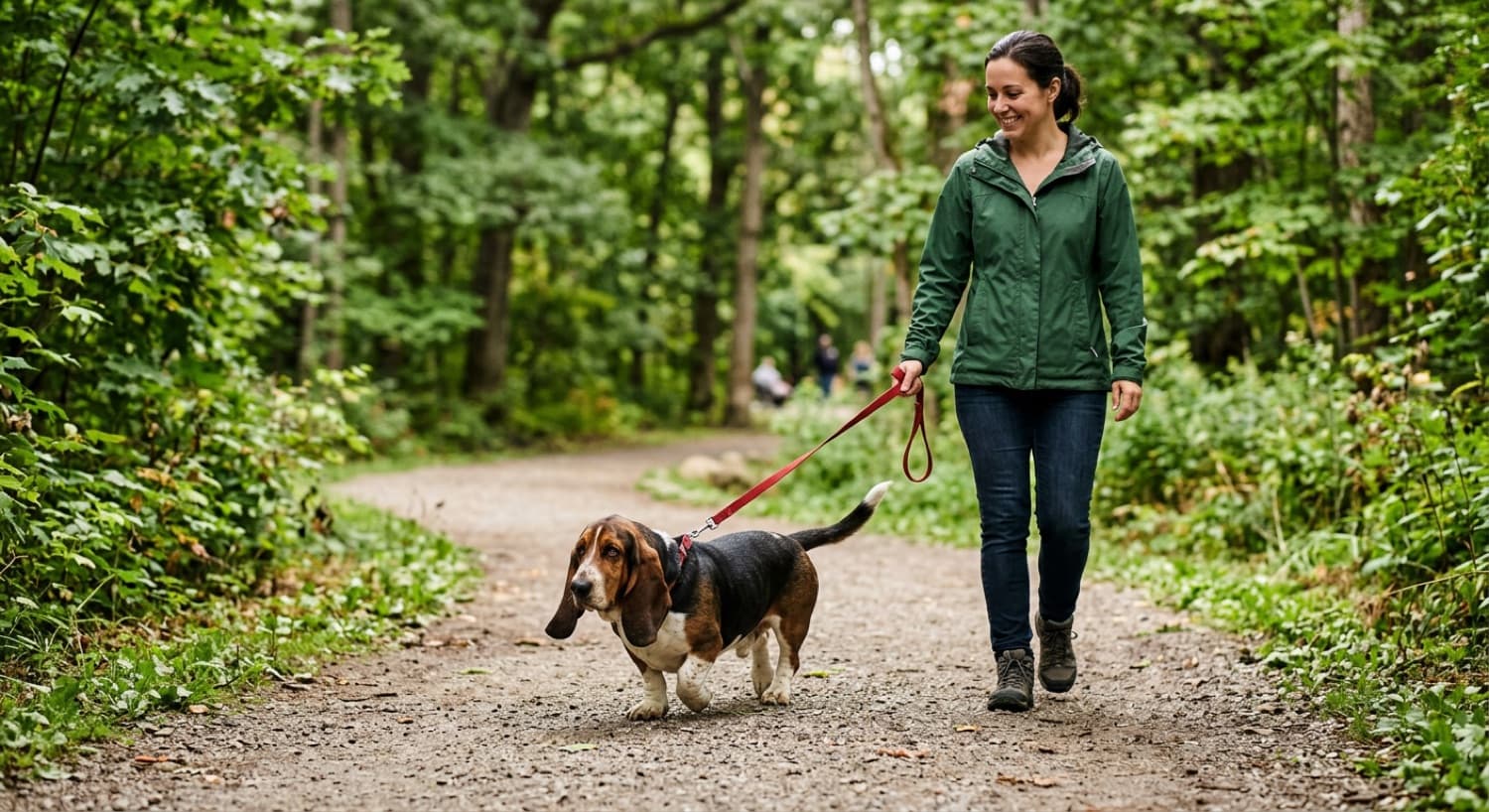
Few dogs are as instantly lovable as the Basset Hound, all droopy ears, soulful eyes, and mellow charm. And few are as gloriously, comically stubborn. The Basset is a true scent hound in a low-slung, easygoing package: affectionate and patient at home, but led by its nose and firmly its own dog. Here's what Montreal adopters should know.
Where to adopt in Montreal
A few routes, though purebreds aren't the most common in rescue, so patience helps:
- •LocalPetFinder's Montreal dog listings, aggregating adoptable dogs from Montreal-area shelters and rescues, refreshed regularly. Search Bassets and Basset mixes.
- •The Montreal SPCA, Quebec's largest animal-protection organization, which takes in hounds.
- •Montreal-area general and hound rescues, many foster-based, posting dogs through their websites and social media.
- •Basset and hound breed-specific rescue networks in Canada that sometimes cover Quebec.
Adopting an adult Basset lets you see the temperament and any health considerations (the breed can have back and other issues, so knowing an adult's status helps). Be open to a Basset mix (more available in rescue and often lovely) or an adult, and stay in touch with rescues.
The mellow, stubborn hound temperament
Bassets are famously easygoing, laid-back, affectionate, gentle, and good-natured, wonderful, patient, sociable companions who get along well with people, children, and other dogs. Bred as pack scent hounds, they're friendly and pack-oriented, enjoy company, and don't do well isolated. They're relatively low-energy (even lazy, happy to lounge), though they need regular moderate exercise, and they're very food-motivated (helpful for training, but drives begging, scavenging, and weight gain).
Alongside the lovable nature come classic hound traits: Bassets are famously stubborn and independent (hard to train), driven by an extraordinary nose (once on a scent, they follow it single-mindedly, ignoring calls), so they're unreliable on recall and generally can't be trusted off-leash in unfenced areas, and they can be vocal (baying, howling, “talking”), a consideration with close neighbours. See our training & recall guide.
They're typically good with children and other pets (patient and tolerant) and are companion dogs, not guard dogs. The Basset suits owners who appreciate a laid-back, characterful hound and are prepared for the stubbornness, leashed walking, potential vocalness, and tendency to overeat, not someone wanting a highly trainable, off-leash-reliable, athletic dog.
Family and climate fit
The Basset's gentle, patient, sociable nature makes it a wonderful family dog, typically very good with children and other pets, and its low-to-moderate energy suits families wanting a companion rather than an athletic exercise partner. Supervise young children as always, and teach them not to encourage jumping or rough play that could hurt the dog's long back. Its low energy means it adapts to apartments or houses (given moderate daily exercise), suiting many Montreal dwellers, though the potential baying/howling is worth considering with close neighbours.
Two Montreal-specific points. Climate: the short-coated, low-slung Basset is reasonably hardy but not built for extreme cold, so a coat/sweater in very cold weather and sensible limits on cold exposure are wise, and the short legs and long body mean deep snow is a challenge (clear paths). Back care and stairs: the long back and short legs make the breed prone to back problems (IVDD), so manage stairs, jumping on/off furniture, and rough activity to protect the back (a real consideration in a multi-level home; ramps/steps help), see the health guide.
Bassets are also very prone to obesity, which worsens back and joint problems, so keeping the dog lean and moderately exercised matters. For a Montreal individual or family wanting a mellow, affectionate, characterful, low-energy companion who can provide leashed exercise, back protection, weight control, and tolerance for some hound vocalness, the Basset is a lovable fit.
The real cost
Adoption fees run ~$300 to $600 (usually covering spay/neuter, vaccinations, and microchipping), vs $1,500 to $3,000+ from a breeder. Ongoing costs are moderate: food (with portion control, given the obesity tendency), routine vet care, ear-care supplies (the long ears are very infection-prone, a real recurring task), grooming (short coat but sheds; skin folds and “hound smell” need attention), supplies (and possibly ramps/steps to protect the back), and, importantly, a fund or pet insurance for potential issues, especially back problems (IVDD, which can need costly treatment or surgery), plus ear infections, eye conditions, and bloat.
Pet insurance is worth considering (take it out while the dog is young and healthy), given the back-problem risk in particular. Under Quebec's Civil Code (article 898.1), animals are recognized as sentient beings, not mere property. A Basset is a moderate cost to own, but the ear care, weight management, and especially potential back problems mean it's not a no-cost commitment, and they typically live ~10 to 13 years.
Browse adoptable dogs in Montreal
Bassets and hound mixes turn up in rescue, so check often and be open to a mix or an adult. Refreshed regularly across Montreal-area organizations.
See Available Dogs →Frequently Asked Questions
Where can I adopt a Basset Hound in Montreal?
Start with LocalPetFinder's Montreal listings, the Montreal SPCA (spca.com), general and hound rescues, and Canadian Basset/hound breed rescue. Purebreds aren't the most common in rescue, so be patient and open to a mix or an adult. Adopting an adult lets you see the temperament and any health considerations, helpful for a breed with back and other issues.
What is their temperament like?
Easygoing, laid-back, affectionate, gentle, and sociable, wonderful patient family dogs, good with children and other pets. But they're true scent hounds: famously stubborn, nose-driven, and unreliable on recall (so leashed walking, not off-leash), and can be vocal (baying, howling). Relatively low-energy but need moderate exercise, and very food-motivated (prone to overeating).
Are they good in Montreal?
Yes, they're wonderful family dogs and their low energy suits apartments or houses (given moderate exercise), though the potential baying is a consideration with close neighbours. Two local points: protect the long back (manage stairs and jumping, a real issue in multi-level homes), and note the short-coated, low-slung dog needs a coat in extreme cold and struggles in deep snow (clear paths).
How much does it cost?
Adoption runs ~$300 to $600 (usually including spay/neuter, vaccinations, microchipping), vs $1,500 to $3,000+ from a breeder. Ongoing costs are moderate: food (with portion control), vet care, ear-care supplies (a real recurring task), grooming, ramps/steps for the back, and a fund or insurance, especially for back problems (IVDD can need costly surgery). They live ~10 to 13 years.
What should I know before adopting one?
They're mellow and affectionate but stubborn and nose-driven (hard to train, unreliable off-leash, need leashed walking), have serious back-care needs (manage stairs and jumping, keep them lean), are very prone to obesity, need regular ear care, can be vocal, are low-energy but need moderate exercise, and are great with kids and pets. In Montreal, protect them from extreme cold and deep snow.
Should I buy a puppy or adopt?
Consider adoption first. Buying runs $1,500 to $3,000+, and the breed's health issues (especially back problems) make a reputable, health-testing breeder important (cheap puppies are a warning sign). Adoption costs far less, helps a dog in need, and, with an adult, lets you see the temperament and health, helpful for a breed prone to back issues. Purebreds aren't common in rescue, so be open to a mix or an adult.
Related Montreal guides
Basset Hound Health Issues
Back problems (IVDD), ear infections, obesity, eye and joint conditions, bloat, and the pet-insurance case.
Basset Hound Training & Recall
The stubborn scent-hound nature, why Bassets can't be trusted off-leash, working with the nose, house-training, and managing the baying.
Adoptable Dogs in Montreal
All currently available dogs across Montreal-area organizations, including Bassets and hound mixes. Updates regularly.
Montreal Dog Adoption Resources
All our Montreal dog adoption guides in one place.
New dog? Start with these care guides
Everything a new adopter needs to set up a safe, happy home.